

William and Hui Cha Stanek are passionate explorers and nature enthusiasts with a deep love for America's national parks. Over the years, they have journeyed across the country, immersing themselves in the stunning landscapes and diverse ecosystems that these parks have to offer. Their adventures are not just about the destinations but about the stories and connections they create along the way. Through their experiences, William and Hui Cha aim to inspire others to discover the beauty and tranquility that can be found in the natural world, and to foster a deep respect for the environment that sustains us all.
Each of William and Hui Cha's guides is introduced with artwork reflective of the destination. We prefer hand-crafted art over photographs because it offers a unique and personal touch. Each piece of art reflects our personal experience and artistic vision, inviting you to explore and connect with the destination in your own unique way. By showcasing the essence of a place through art, we encourage you to explore and discover its beauty for yourself, making your own memories along the way.
(October 13, 2026) At a Glance - Travel Planning Guide by Regoin
Planning Your Northeast US Adventure
Our detailed Connecticut travel and weather guides offer comprehensive information on the best times to visit, weather expectations, and valuable tips for various regions across the states. Whether you're exploring vibrant cities, stunning national parks, or charming small towns, these insights will help you plan your trips for unforgettable experiences. Here's a snapshot of what you can expect:
Optimal Visiting Times: Discover the ideal seasons to visit each location, ensuring you experience the most pleasant weather and avoid peak tourist crowds.
Weather Expectations: Get a clear understanding of seasonal temperatures, rainfall patterns, and climate nuances to help you pack appropriately and plan activities.
Additional Tips: Benefit from insider advice on local attractions, must-see landmarks, and practical travel tips to enhance your journey.
Connecticut: Discover Connecticut's blend of New England charm and coastal beauty, featuring historic towns, maritime history, and scenic landscapes.
At a Glance: Connecticut - Travel Planning Guide by Region
Fairfield County (Including Stamford, Norwalk, and Greenwich)
Optimal Times of Year:
- Spring (April to June): Spring is a pleasant time to visit Fairfield County, with mild temperatures and blooming flowers. Ideal for exploring coastal towns and parks.
- Fall (September to November): Fall offers cooler temperatures and vibrant fall foliage, making it perfect for scenic drives and outdoor activities.
- Summer (June to August): Summer is warm, great for enjoying the beaches, outdoor festivals, and waterfront activities.
Temperature:
- Daytime Highs: Range from 45 ° F to 85 ° F (7 ° C to 29 ° C) depending on the season.
- Nighttime Lows: Typically between 25 ° F and 65 ° F (-4 ° C to 18 ° C).
Rainfall:
- Spring and Fall: Moderate rainfall, averaging 3-4 inches per month.
- Summer: Higher rainfall, particularly with thunderstorms, averaging 4-5 inches per month.
- Winter: Lower rainfall, with occasional snow, averaging 2-3 inches per month.
Local Cuisine:
- New Haven-Style Pizza: Also known as "apizza," this thin-crust pizza is a regional favorite.
- Seafood: Enjoy fresh seafood, particularly lobster rolls and clam chowder.
- Hot Lobster Roll: A Connecticut specialty, served warm with butter.
Cultural Etiquette:
- Historical Sites: Respect the preservation efforts at historic sites and museums.
- Local Events: Participate in local fairs and community events to experience Connecticut culture.
Safety:
- Urban Areas: Stay alert and keep your belongings secure in cities like Stamford and Norwalk.
- Beach Safety: Follow local guidelines and respect the natural environment.
Hidden Gems:
- The Glass House: Explore this historic and architectural marvel in New Canaan.
- Stepping Stones Museum for Children: A great spot for families in Norwalk.
- Weir Farm National Historic Site: Visit this beautiful landscape that inspired many American artists.
Hartford County (Including Hartford, New Britain, and Farmington)
Optimal Times of Year:
- Spring (April to June): Spring is a wonderful time to visit Hartford County, with blooming flowers and mild temperatures. Ideal for exploring parks and gardens.
- Fall (September to November): Fall offers cooler temperatures and stunning fall foliage. Perfect for scenic drives and visiting local attractions.
- Summer (June to August): Summer is warm, great for enjoying outdoor festivals, concerts, and exploring the Connecticut River.
Temperature:
- Daytime Highs: Range from 45 ° F to 85 ° F (7 ° C to 29 ° C) depending on the season.
- Nighttime Lows: Typically between 25 ° F and 65 ° F (-4 ° C to 18 ° C).
Rainfall:
- Spring and Fall: Moderate rainfall, averaging 3-4 inches per month.
- Summer: Higher rainfall, particularly with thunderstorms, averaging 4-5 inches per month.
- Winter: Lower rainfall, with occasional snow, averaging 2-3 inches per month.
Local Cuisine:
- New Haven Pizza: Sample this regional specialty in nearby New Haven.
- Cider Donuts: Enjoy fresh cider donuts from local orchards.
- Grinders: Try these hearty sandwiches, a Connecticut staple.
Cultural Etiquette:
- Historical Respect: Be mindful of the significance of historic sites and landmarks.
- Local Traditions: Participate in local fairs and farmers' markets to experience regional culture.
Safety:
- Urban Areas: Stay alert and keep your belongings secure in cities like Hartford.
- Weather: Be prepared for varying weather conditions, particularly in winter.
Hidden Gems:
- Mark Twain House & Museum: Explore the historic home of the famous author in Hartford.
- Wadsworth Atheneum: Visit the oldest public art museum in the United States, located in Hartford.
- Hill-Stead Museum: Tour this beautiful estate and its impressive art collection in Farmington.
New Haven County (Including New Haven, Waterbury, and Milford)
Optimal Times of Year:
- Spring (April to June): Spring is a great time to visit New Haven County, with mild temperatures and blooming flowers. Ideal for exploring the Yale campus and coastal towns.
- Fall (September to November): Fall offers cooler temperatures and vibrant fall foliage. Perfect for scenic drives and outdoor activities.
- Summer (June to August): Summer is warm, great for enjoying the beaches, outdoor festivals, and waterfront activities.
Temperature:
- Daytime Highs: Range from 45 ° F to 85 ° F (7 ° C to 29 ° C) depending on the season.
- Nighttime Lows: Typically between 25 ° F and 65 ° F (-4 ° C to 18 ° C).
Rainfall:
- Spring and Fall: Moderate rainfall, averaging 3-4 inches per month.
- Summer: Higher rainfall, particularly with thunderstorms, averaging 4-5 inches per month.
- Winter: Lower rainfall, with occasional snow, averaging 2-3 inches per month.
Local Cuisine:
- New Haven-Style Pizza: Try this famous thin-crust pizza at renowned spots like Frank Pepe Pizzeria Napoletana and Sally's Apizza.
- Clam Pie: A unique pizza variation with fresh clams.
- Louis' Lunch Burger: Experience the birthplace of the hamburger at Louis' Lunch in New Haven.
Cultural Etiquette:
- Respect for Education: New Haven is home to Yale University. Respect the academic environment and local customs.
- Historical Sites: Respect the preservation efforts at historic sites and museums.
Safety:
- Urban Areas: Stay alert and keep your belongings secure in cities like New Haven and Waterbury.
- Beach Safety: Follow local guidelines and respect the natural environment.
Hidden Gems:
- Yale University Art Gallery: Explore the impressive art collection at this renowned gallery.
- Peabody Museum of Natural History: Discover fascinating exhibits, including dinosaur fossils.
- Silver Sands State Park: Enjoy the beautiful beach and scenic views in Milford.
Litchfield Hills (Including Litchfield, Torrington, and Kent)
Optimal Times of Year:
- Spring (April to June): Spring is a beautiful time to visit the Litchfield Hills, with blooming flowers and mild temperatures. Perfect for exploring the scenic countryside.
- Fall (September to November): Fall offers cooler temperatures and stunning fall foliage. Ideal for scenic drives, hiking, and visiting local farms.
- Summer (June to August): Summer is warm, great for enjoying outdoor activities like hiking, kayaking, and visiting charming small towns.
Temperature:
- Daytime Highs: Range from 45 ° F to 85 ° F (7 ° C to 29 ° C) depending on the season.
- Nighttime Lows: Typically between 25 ° F and 65 ° F (-4 ° C to 18 ° C).
Rainfall:
- Spring and Fall: Moderate rainfall, averaging 3-4 inches per month.
- Summer: Higher rainfall, particularly with thunderstorms, averaging 4-5 inches per month.
- Winter: Lower rainfall, with occasional snow, averaging 2-3 inches per month.
Local Cuisine:
- Farm-to-Table: Enjoy fresh, locally sourced meals at numerous farm-to-table restaurants.
- Maple Syrup: Sample local maple syrup, particularly in early spring during sugaring season.
- Craft Beverages: Try local craft beers and wines from regional breweries and wineries.
Cultural Etiquette:
- Respect for Nature: Follow Leave No Trace principles when exploring the countryside and natural areas.
- Local Traditions: Participate in local fairs, farmers' markets, and community events.
Safety:
- Hiking: Stay on marked trails and be prepared for varying weather conditions.
- Rural Roads: Drive cautiously on narrow, winding rural roads, especially at night or in inclement weather.
Hidden Gems:
- Kent Falls State Park: Visit this beautiful park with scenic waterfalls and hiking trails.
- White Memorial Conservation Center: Explore the nature center, wildlife sanctuary, and extensive trail system.
- Thorncrest Farm & Milk House Chocolates: Enjoy handmade chocolates crafted from farm-fresh ingredients.
At a Glance Delaware - Travel Planning Guide by Region
At a Glance - Travel Planning Guide by Region
Delaware: Explore Delaware's pristine beaches, charming small towns, and rich colonial history.
Northern Delaware (Including Wilmington, Newark, and the Brandywine Valley)
Optimal Times of Year:
- Spring (April to June): Spring is one of the best times to visit Northern Delaware, with mild temperatures and blooming gardens, particularly in the Brandywine Valley. It's an ideal time for outdoor activities and exploring historical sites.
- Fall (September to November): Fall offers cooler temperatures and vibrant foliage, making it perfect for scenic drives and visiting the region's many parks and gardens.
- Summer (June to August): Summer is warm and great for outdoor activities like hiking and exploring Wilmington's Riverfront, though it can be humid.
Temperature:
- Daytime Highs: Range from 45 ° F to 85 ° F (7 ° C to 29 ° C) depending on the season.
- Nighttime Lows: Typically between 30 ° F and 65 ° F (-1 ° C to 18 ° C).
Rainfall:
- Spring and Fall: Moderate rainfall, averaging 3-4 inches per month.
- Summer: Higher rainfall, with occasional thunderstorms, averaging 4-5 inches per month.
- Winter: Lower rainfall, with occasional snow, averaging 2-3 inches per month.
Local Cuisine:
- Scrapple: A Delaware breakfast staple, scrapple is a pan-fried loaf made from pork scraps and cornmeal, often served with eggs and toast.
- Chicken and Slippery Dumplings: A comfort food dish consisting of chicken stewed with flat, noodle-like dumplings, popular in the region.
- Peach Pie: Delaware's peach orchards produce some of the best peaches, and peach pie is a summer favorite.
Cultural Etiquette:
- Historical Respect: Northern Delaware is rich in history, particularly related to the DuPont family and the American Revolution. Show respect when visiting historical sites and estates.
- Local Pride: Delawareans are proud of their small state and its history. Engage in conversations about local culture and be respectful of the state's heritage.
Safety:
- Urban Awareness: Wilmington, like many cities, has areas that require caution, particularly at night. Stick to well-lit, busy areas and follow general urban safety practices.
- Winter Weather: Winters can bring snow and ice. Drive carefully and ensure your vehicle is equipped for winter conditions.
Hidden Gems:
- Hagley Museum and Library: Located on the site of the original DuPont gunpowder mills, this museum offers fascinating insights into industrial history and beautiful grounds along the Brandywine River.
- Delaware Art Museum: This museum in Wilmington is known for its collection of American art and illustrations, including works by Howard Pyle and the Pre-Raphaelites.
Central Delaware (Including Dover, Smyrna, and the Delaware Bay)
Optimal Times of Year:
- Spring (April to June): Spring is an excellent time to visit Central Delaware, with mild temperatures and blooming flowers. It's a great time to explore Dover's historical sites and enjoy outdoor activities along the Delaware Bay.
- Fall (September to November): Fall offers cooler temperatures and beautiful fall foliage, making it ideal for scenic drives and visiting local farms and orchards.
- Summer (June to August): Summer is warm and busy, especially during events like the Delaware State Fair. It's a good time for beach trips to the nearby Delaware Bay, though it can be humid.
Temperature:
- Daytime Highs: Range from 45 ° F to 90 ° F (7 ° C to 32 ° C) depending on the season.
- Nighttime Lows: Typically between 30 ° F and 70 ° F (-1 ° C to 21 ° C).
Rainfall:
- Spring and Fall: Moderate rainfall, averaging 3-4 inches per month.
- Summer: Higher rainfall, with occasional thunderstorms, averaging 4-5 inches per month.
- Winter: Lower rainfall, with occasional snow, averaging 2-3 inches per month.
Local Cuisine:
- Soft-Shell Crabs: Fresh crabs from the Delaware Bay, often pan-fried and served in a sandwich or as an entree.
- Oyster Stew: A creamy soup made with local oysters, butter, cream, and seasonings, perfect for cooler weather.
- Silver Queen Corn: This sweet corn is a local favorite, especially in summer, often enjoyed grilled or boiled.
Cultural Etiquette:
- Military Heritage: Dover is home to the Dover Air Force Base. Show respect when visiting military sites and memorials, and consider attending the base's open house or air shows.
- Community Events: Central Delaware has a strong sense of community, particularly during local fairs and festivals. Participate respectfully in these events and enjoy the local culture.
Safety:
- Weather Awareness: Central Delaware can be affected by storms, particularly in late summer and early fall. Stay informed about weather conditions and have an emergency plan.
- Rural Driving: Be cautious on rural roads, especially at night, as they can be narrow and poorly lit.
Hidden Gems:
- Bombay Hook National Wildlife Refuge: A prime spot for birdwatching, this refuge along the Delaware Bay offers beautiful marshland views and a chance to see migratory birds.
- First State Heritage Park: Located in Dover, this "park without boundaries" connects many of the state's historical sites, including the Old State House and the Johnson Victrola Museum.
Southern Delaware (Including Rehoboth Beach, Lewes, and the Southern Coast)
Optimal Times of Year:
- Summer (June to August): Summer is the peak season in Southern Delaware, with warm temperatures perfect for beach vacations, water sports, and exploring coastal towns. This is the best time for visiting Rehoboth Beach and other seaside destinations.
- Fall (September to November): Fall offers cooler temperatures and fewer crowds, making it an ideal time to enjoy the beaches, explore local parks, and attend fall festivals.
- Spring (April to June): Spring brings milder weather and blooming flowers, perfect for visiting gardens, exploring Lewes, and enjoying early-season beach trips.
Temperature:
- Daytime Highs: Range from 50 ° F to 85 ° F (10 ° C to 29 ° C) depending on the season.
- Nighttime Lows: Typically between 35 ° F and 70 ° F (2 ° C to 21 ° C).
Rainfall:
- Spring and Fall: Moderate rainfall, averaging 3-4 inches per month.
- Summer: Higher rainfall, with occasional thunderstorms, averaging 4-5 inches per month.
- Winter: Lower rainfall, with rare snowfall, averaging 1-3 inches per month.
Local Cuisine:
- Boardwalk Fries: A favorite snack at the Delaware beaches, these hand-cut fries are often served with vinegar or Old Bay seasoning.
- Saltwater Taffy: A classic beach treat, especially in Rehoboth Beach, available in a variety of flavors.
- Fried Oysters: Fresh oysters from the Delaware Bay, lightly breaded and fried, often served as an appetizer or in a sandwich.
Cultural Etiquette:
- Beach Etiquette: Rehoboth Beach and other coastal areas are popular destinations. Follow local beach rules, including those regarding litter, noise levels, and respecting others' space.
- Local Festivals: Southern Delaware is known for its festivals, especially during the summer and fall. Participate in the community spirit and enjoy the local traditions.
Safety:
- Rip Currents: Be cautious of rip currents when swimming in the ocean. Always swim near lifeguards and pay attention to warning flags and signs.
- Weather Awareness: The Southern Coast can be affected by storms, especially from late summer to early fall. Stay informed about weather conditions and have a plan if necessary.
Hidden Gems:
- Cape Henlopen State Park: A beautiful park offering miles of beaches, hiking trails, and historic World War II observation towers. It's also a great spot for birdwatching and fishing.
- Lewes: Known as "The First Town in the First State," Lewes offers charming streets, historical sites, and access to the Cape May-Lewes Ferry for a scenic ride across the Delaware Bay.
Maine: Experience Maine's rugged coastline, picturesque lighthouses, and the stunning landscapes of Acadia National Park.
Southern Maine (Including Portland, Kennebunkport, and the Southern Coast)
Optimal Times of Year:
- Summer (June to August): Summer is the peak season for Southern Maine, with warm weather perfect for enjoying the beaches, coastal towns, and outdoor dining. This is the best time for beach vacations and exploring lighthouses.
- Fall (September to October): Fall is a fantastic time to visit, with cooler temperatures and vibrant fall foliage. The region's picturesque landscapes are especially beautiful, and it's a great time for apple picking and scenic drives.
- Spring (April to June): Spring brings mild weather and blooming flowers, making it a great time for exploring Portland, visiting botanical gardens, and enjoying outdoor activities before the summer crowds arrive.
Temperature:
- Daytime Highs: Range from 40 ° F to 80 ° F (4 ° C to 27 ° C) depending on the season.
- Nighttime Lows: Typically between 25 ° F and 60 ° F (-4 ° C to 16 ° C).
Rainfall:
- Spring and Fall: Moderate rainfall, averaging 3-4 inches per month.
- Summer: Lower rainfall, with occasional thunderstorms, averaging 2-3 inches per month.
- Winter: Higher snowfall, averaging 6-8 inches per month, particularly in January and February.
Local Cuisine:
- Lobster Rolls: Southern Maine is famous for its lobster rolls, typically served in a buttered bun with a touch of mayonnaise or melted butter.
- Clam Chowder: A creamy, hearty soup made with clams, potatoes, and onions, perfect for a cool day by the coast.
- Blueberry Pie: Maine is known for its wild blueberries, and blueberry pie is a must-try dessert, especially in the summer.
Cultural Etiquette:
- Coastal Etiquette: Southern Maine's beaches and coastal towns are popular destinations. Respect local rules regarding beach access, littering, and parking.
- Maine Hospitality: Mainers are generally friendly but reserved. Politeness and respect for personal space are appreciated.
Safety:
- Coastal Safety: Be aware of strong tides and cold water temperatures, even in summer. Always supervise children at the beach and respect warning signs.
- Winter Driving: Winters can be harsh, with snow and ice making roads slippery. Ensure your vehicle is equipped for winter conditions and drive cautiously.
Hidden Gems:
- Cape Elizabeth: Just south of Portland, Cape Elizabeth is home to beautiful lighthouses, including the iconic Portland Head Light, and scenic coastal trails.
- Kennebunkport: A charming seaside town known for its historic homes, boutique shops, and excellent seafood restaurants.
Midcoast Maine (Including Camden, Rockland, and Boothbay Harbor)
Optimal Times of Year:
- Summer (June to August): Summer is the best time to visit Midcoast Maine, with warm temperatures and calm seas perfect for boating, kayaking, and exploring coastal towns. This is also the prime season for festivals and outdoor activities.
- Fall (September to October): Fall offers cooler temperatures and stunning fall foliage. It's a great time for hiking, visiting apple orchards, and enjoying the quieter, less crowded coastal towns.
- Spring (April to June): Spring is a pleasant time to visit, with blooming flowers and milder weather. It's ideal for exploring gardens, lighthouses, and early-season sailing.
Temperature:
- Daytime Highs: Range from 40 ° F to 80 ° F (4 ° C to 27 ° C) depending on the season.
- Nighttime Lows: Typically between 25 ° F and 60 ° F (-4 ° C to 16 ° C).
Rainfall:
- Spring and Fall: Moderate rainfall, averaging 3-4 inches per month.
- Summer: Lower rainfall, with occasional thunderstorms, averaging 2-3 inches per month.
- Winter: Higher snowfall, averaging 6-8 inches per month.
Local Cuisine:
- Maine Lobster: Midcoast Maine is known for its fresh lobster, often enjoyed at lobster shacks along the coast. Lobster bakes are a popular summer tradition.
- Whoopie Pies: A Maine specialty, these dessert sandwiches feature two chocolate cake-like cookies with a sweet, creamy filling.
- Oysters: The Damariscotta River is famous for its oysters, known for their clean, briny flavor. Enjoy them fresh on the half shell at local oyster bars.
Cultural Etiquette:
- Respect for Nature: Midcoast Maine's beauty is a major draw, and locals take pride in preserving it. Follow leave-no-trace principles when hiking or visiting natural areas.
- Quiet Enjoyment: The region is known for its peaceful, laid-back atmosphere. Respect the quiet nature of small towns and avoid loud or disruptive behavior.
Safety:
- Boating Safety: The Midcoast area is popular for boating. Always wear a life jacket, check weather conditions, and be aware of tides and currents.
- Wildlife Awareness: The region is home to diverse wildlife, including moose and deer. Be cautious when driving, especially at dawn and dusk.
Hidden Gems:
- Monhegan Island: A remote island known for its artist community, scenic hiking trails, and birdwatching. It's accessible by ferry and offers a peaceful retreat.
- Pemaquid Point Lighthouse: A picturesque lighthouse with stunning views of the rocky coast, located near Bristol.
Downeast and Acadia (Including Bar Harbor, Acadia National Park, and the Eastern Coast)
Optimal Times of Year:
- Summer (June to August): Summer is the peak season for Downeast Maine and Acadia, with warm weather perfect for hiking, kayaking, and exploring Acadia National Park. This is the best time to experience the region's natural beauty.
- Fall (September to October): Fall is an exceptional time to visit, with cooler temperatures and brilliant fall foliage. The park is less crowded, and it's ideal for scenic drives and photography.
- Spring (April to June): Spring brings milder weather and blooming wildflowers. It's a great time for birdwatching, hiking, and exploring coastal towns before the summer crowds arrive.
Temperature:
- Daytime Highs: Range from 40 ° F to 80 ° F (4 ° C to 27 ° C) depending on the season.
- Nighttime Lows: Typically between 25 ° F and 60 ° F (-4 ° C to 16 ° C).
Rainfall:
- Spring and Fall: Moderate rainfall, averaging 3-4 inches per month.
- Summer: Lower rainfall, with occasional thunderstorms, averaging 2-3 inches per month.
- Winter: Higher snowfall, averaging 8-10 inches per month, particularly in January and February.
Local Cuisine:
- Lobster Stew: A creamy, rich stew made with fresh lobster, often enjoyed in Bar Harbor and other coastal towns.
- Blueberry Pancakes: Made with wild Maine blueberries, these pancakes are a delicious breakfast option, especially in summer.
- Clambake: A traditional New England meal that includes steamed clams, mussels, corn on the cob, and lobster, often enjoyed on the beach.
Cultural Etiquette:
- National Park Respect: Acadia National Park is a treasured natural area. Follow park rules, stay on designated trails, and respect wildlife.
- Local Craftsmanship: Downeast Maine is known for its artisans and craftsmen. When visiting shops or galleries, appreciate the work and consider supporting local artists.
Safety:
- Hiking Precautions: Acadia's trails can be challenging, particularly those with steep inclines or rocky terrain. Wear sturdy footwear, bring plenty of water, and stay on marked trails.
- Fog Awareness: The Downeast coast is prone to dense fog, particularly in the morning. Exercise caution when driving and use fog lights if necessary.
Hidden Gems:
- Schoodic Peninsula: A quieter, less-visited part of Acadia National Park, offering rugged coastal views, hiking trails, and scenic drives.
- Bold Coast: Located near Lubec, this remote area offers dramatic cliffs, secluded beaches, and excellent hiking opportunities along the Maine Coastal Trail.
Northern Maine (Including Baxter State Park, Moosehead Lake, and Aroostook County)
Optimal Times of Year:
- Summer (June to August): Summer is the best time to visit Northern Maine, with warm weather perfect for hiking, fishing, and exploring the vast wilderness areas. It's also the peak season for outdoor activities on Moosehead Lake.
- Fall (September to October): Fall is a beautiful time to visit, with cooler temperatures and stunning fall foliage. The region's forests and lakes are particularly scenic, and it's a great time for hiking and wildlife viewing.
- Winter (December to March): Winter is ideal for snowmobiling, ice fishing, and skiing. The region is known for its heavy snowfall and winter sports opportunities.
Temperature:
- Daytime Highs: Range from 30 ° F to 80 ° F (-1 ° C to 27 ° C) depending on the season.
- Nighttime Lows: Typically between 10 ° F and 60 ° F (-12 ° C to 16 ° C).
Rainfall:
- Spring and Fall: Moderate rainfall, averaging 3-4 inches per month.
- Summer: Occasional thunderstorms, averaging 3-5 inches per month.
- Winter: Heavy snowfall, averaging 10-15 inches per month, particularly in the higher elevations.
Local Cuisine:
- Moose Meat: A Northern Maine specialty, often served as steaks, sausages, or in stews.
- Potato Dishes: Aroostook County is known for its potato farms. Enjoy fresh, locally-grown potatoes in a variety of dishes, from mashed potatoes to potato pancakes.
- Fiddlehead Ferns: A seasonal delicacy in spring, fiddleheads are young fern fronds harvested from wild plants, often sauteed and served as a side dish.
Cultural Etiquette:
- Rural Courtesy: Northern Maine is sparsely populated, and small-town values are important. Greet people politely, and be respectful of private property.
- Hunting and Fishing Traditions: The region has a strong hunting and fishing culture. Respect local regulations and practices, and always seek permission before entering private land.
Safety:
- Wilderness Safety: Northern Maine is remote and rugged. If hiking or camping, be well-prepared with appropriate gear, maps, and emergency supplies.
- Wildlife Awareness: The region is home to bears, moose, and other wildlife. Keep a safe distance, especially from moose, and store food securely when camping.
Hidden Gems:
- Baxter State Park: Home to Mount Katahdin, Maine's highest peak, this park offers challenging hikes, pristine lakes, and abundant wildlife.
- Allagash Wilderness Waterway: A remote, scenic area ideal for canoeing, fishing, and experiencing Maine's untouched wilderness.
Maryland: Delve into Maryland's rich history, scenic Chesapeake Bay, and vibrant cities like Baltimore and Annapolis.
-
Central Maryland (Including Baltimore, Annapolis, and Surrounding Areas)
Optimal Times of Year:
- Spring (April to June): Spring is a great time to visit Central Maryland, with mild temperatures, blooming flowers, and plenty of outdoor events. The cherry blossoms around the state capital in Annapolis are particularly beautiful.
- Fall (September to November): Fall offers cooler temperatures and vibrant fall foliage, making it ideal for exploring historical sites and enjoying scenic drives. It's also the best time for sailing on the Chesapeake Bay.
- Summer (June to August): Summer is warm and humid, perfect for enjoying waterfront activities, festivals, and exploring Baltimore's Inner Harbor. However, be prepared for crowds and higher humidity levels.
Temperature:
- Daytime Highs: Range from 50 ° F to 90 ° F (10 ° C to 32 ° C) depending on the season.
- Nighttime Lows: Typically between 30 ° F and 70 ° F (-1 ° C to 21 ° C).
Rainfall:
- Spring and Fall: Moderate rainfall, averaging 3-4 inches per month.
- Summer: Higher rainfall, with occasional thunderstorms, averaging 4-5 inches per month.
- Winter: Lower rainfall, with occasional snow, averaging 2-3 inches per month.
Local Cuisine:
- Maryland Crab Cakes: A state specialty, made with lump crab meat, minimal filler, and often served with a tangy tartar sauce.
- Old Bay Seasoning: Used on everything from seafood to french fries, Old Bay is a must-try Maryland seasoning.
- Smith Island Cake: The official state dessert, this cake features multiple thin layers of cake and frosting, typically chocolate.
Cultural Etiquette:
- Maritime Heritage: Maryland has a rich maritime history, particularly in Annapolis and along the Chesapeake Bay. Respect local traditions related to boating and sailing.
- Sports Loyalty: Baltimore residents are passionate about their sports teams, especially the Ravens (NFL) and Orioles (MLB). Respect for local sports culture is appreciated.
Safety:
- Urban Awareness: In Baltimore, be mindful of your surroundings, especially at night. Stick to well-lit, busy areas and follow general urban safety practices.
- Hurricane Season: While not directly on the coast, Central Maryland can still be affected by hurricanes. Be aware of the season (June to November) and prepare accordingly.
Hidden Gems:
- Fort McHenry: The birthplace of the U.S. national anthem, this historic site in Baltimore offers a glimpse into American history with beautiful harbor views.
- Quiet Waters Park: Located in Annapolis, this park offers scenic walking trails, water views, and a dog park, perfect for a peaceful retreat.
Eastern Shore (Including Chesapeake Bay, Ocean City, and Assateague Island)
Optimal Times of Year:
- Summer (June to August): Summer is the peak season on Maryland's Eastern Shore, especially in Ocean City. The warm weather is perfect for beach activities, boating, and exploring the coastal towns.
- Fall (September to November): Fall offers cooler temperatures and fewer crowds, making it an ideal time to visit the Eastern Shore. It's also a great time for birdwatching and enjoying fresh seafood.
- Spring (April to June): Spring brings mild temperatures and blooming flowers, making it a great time to explore the region's natural beauty, including the Chesapeake Bay and Assateague Island.
Temperature:
- Daytime Highs: Range from 50 ° F to 85 ° F (10 ° C to 29 ° C) depending on the season.
- Nighttime Lows: Typically between 30 ° F and 70 ° F (-1 ° C to 21 ° C).
Rainfall:
- Spring and Fall: Moderate rainfall, averaging 3-4 inches per month.
- Summer: Higher rainfall, with occasional thunderstorms, averaging 4-5 inches per month.
- Winter: Lower rainfall, with occasional snow, averaging 2-3 inches per month.
Local Cuisine:
- Blue Crabs: The Eastern Shore is famous for its blue crabs, often steamed with Old Bay seasoning and served with corn on the cob.
- Fried Chicken: A staple on the Eastern Shore, Maryland-style fried chicken is crispy and often served with biscuits and coleslaw.
- Oysters: The Chesapeake Bay produces some of the best oysters, which are typically served on the half shell or fried.
Cultural Etiquette:
- Respect for Wildlife: The Eastern Shore is home to a variety of wildlife, especially on Assateague Island. Respect local regulations and keep a safe distance from animals, particularly the wild horses.
- Beach Etiquette: Ocean City and other coastal areas can be crowded in summer. Follow local beach rules, including respecting quiet hours and keeping the beach clean.
Safety:
- Rip Currents: Be cautious of rip currents when swimming in the ocean, particularly in Ocean City. Always swim near lifeguards and know how to respond if caught in a current.
- Hurricane Season: The Eastern Shore is vulnerable to hurricanes and tropical storms. Be aware of the season (June to November) and have an evacuation plan if necessary.
Hidden Gems:
- Assateague Island National Seashore: Known for its wild horses, this island offers beautiful beaches, wildlife viewing, and camping opportunities.
- St. Michaels: A charming harbor town with a rich maritime history, offering boat tours, museums, and excellent seafood restaurants.
Western Maryland (Including Cumberland, Deep Creek Lake, and the Appalachian Mountains)
Optimal Times of Year:
- Fall (September to November): Fall is the best time to visit Western Maryland, with cooler temperatures and stunning fall foliage. It's ideal for hiking, scenic drives, and exploring the mountains.
- Summer (June to August): Summer is warm and perfect for outdoor activities, including boating on Deep Creek Lake, hiking, and camping in the Appalachian Mountains.
- Winter (December to March): Winter is popular for snow sports, especially at Wisp Resort, Maryland's only ski resort. The region offers great opportunities for skiing, snowboarding, and snowshoeing.
Temperature:
- Daytime Highs: Range from 40 ° F to 85 ° F (4 ° C to 29 ° C) depending on the season.
- Nighttime Lows: Typically between 20 ° F and 65 ° F (-7 ° C to 18 ° C).
Rainfall:
- Spring and Fall: Moderate rainfall, averaging 3-4 inches per month.
- Summer: Occasional thunderstorms, averaging 4-5 inches per month.
- Winter: Higher snowfall, particularly in the mountains, averaging 8-10 inches per month.
Local Cuisine:
- Apple Butter: Western Maryland is known for its apple orchards, and apple butter is a popular spread often enjoyed on toast or biscuits.
- Trout: The region's streams and rivers are home to abundant trout, which is often pan-fried or grilled.
- Black Walnuts: Found in the wild, black walnuts are used in baking and cooking, adding a rich, earthy flavor to dishes.
Cultural Etiquette:
- Rural Respect: Western Maryland is more rural and laid-back than other parts of the state. Respect local customs, and always ask permission before entering private land.
- Outdoor Enthusiasm: The region is known for its outdoor activities. When hiking, camping, or fishing, follow leave-no-trace principles and respect the natural environment.
Safety:
- Mountain Weather: Weather can change rapidly in the Appalachian Mountains. Be prepared with appropriate gear and check the forecast before heading out.
- Wildlife Awareness: The region is home to bears, deer, and other wildlife. Store food securely when camping and keep a safe distance from animals.
Hidden Gems:
- Swallow Falls State Park: Known for its stunning waterfalls and old-growth forest, this park offers great hiking and picturesque views.
- Casselman River Bridge State Park: Home to a historic stone arch bridge, this park offers a glimpse into Maryland's past with beautiful scenery.
Capital Region (Including Montgomery County, Frederick, and Suburban Washington, D.C.)
Optimal Times of Year:
- Spring (April to June): Spring is a beautiful time to visit the Capital Region, with mild temperatures and blooming cherry blossoms. It's perfect for outdoor activities, exploring historic sites, and enjoying the scenic parks.
- Fall (September to November): Fall offers cooler temperatures and colorful foliage, making it ideal for hiking in the region's parks and visiting local wineries.
- Summer (June to August): Summer is warm and busy, with plenty of events, festivals, and outdoor activities. However, be prepared for higher humidity and crowds, particularly in areas near Washington, D.C.
Temperature:
- Daytime Highs: Range from 50 ° F to 90 ° F (10 ° C to 32 ° C) depending on the season.
- Nighttime Lows: Typically between 30 ° F and 70 ° F (-1 ° C to 21 ° C).
Rainfall:
- Spring and Fall: Moderate rainfall, averaging 3-4 inches per month.
- Summer: Higher rainfall, with occasional thunderstorms, averaging 4-5 inches per month.
- Winter: Lower rainfall, with occasional snow, averaging 2-3 inches per month.
Local Cuisine:
- Peruvian Chicken: Popular in Montgomery County, this dish features rotisserie chicken marinated in a flavorful blend of spices, often served with aji sauce.
- Cider: The Capital Region has a growing cider scene, with several local cideries offering a range of flavors made from Maryland-grown apples.
- Cream of Crab Soup: A rich, creamy soup made with lump crab meat, a local delicacy often served as a starter in regional restaurants.
Cultural Etiquette:
- Cultural Diversity: The Capital Region is one of the most diverse areas in Maryland. Respect the variety of cultures and languages you may encounter, especially in Montgomery County.
- Historical Respect: The area is rich in American history, particularly in Frederick and near Washington, D.C. Show respect when visiting historical sites and landmarks.
Safety:
- Traffic: The Capital Region is known for heavy traffic, especially during rush hours. Plan extra time for travel and use public transportation where possible.
- Urban Awareness: While generally safe, urban areas near Washington, D.C., can require caution. Stay aware of your surroundings, particularly at night.
Hidden Gems:
- Great Falls Park: Located along the Potomac River, this park offers stunning views of waterfalls and rapids, with hiking trails that showcase the natural beauty of the area.
- Catoctin Mountain Park: A beautiful area for hiking, camping, and wildlife viewing, offering a quieter alternative to the nearby national parks.
Massachusetts: Visit Massachusetts for its historic sites, charming coastal towns, and the vibrant city of Boston.
Massachusetts Travel Planning Guide by Region
Greater Boston Area (Including Boston, Cambridge, and Quincy)
Optimal Times of Year:
- Spring (April to June): Spring is a beautiful time to visit the Greater Boston Area, with blooming flowers and mild temperatures. Ideal for exploring historic sites, parks, and universities.
- Fall (September to November): Fall offers cooler temperatures and vibrant fall foliage, making it perfect for scenic walks, visiting local farms, and outdoor activities.
- Summer (June to August): Summer is warm, great for enjoying festivals, outdoor events, and the waterfront.
Temperature:
- Daytime Highs: Range from 45 ° F to 85 ° F (7 ° C to 29 ° C) depending on the season.
- Nighttime Lows: Typically between 25 ° F and 65 ° F (-4 ° C to 18 ° C).
Rainfall:
- Spring and Fall: Moderate rainfall, averaging 3-4 inches per month.
- Summer: Higher rainfall, particularly with thunderstorms, averaging 4-5 inches per month.
- Winter: Lower rainfall, with occasional snow, averaging 2-3 inches per month.
Local Cuisine:
- Boston Baked Beans: Try this traditional dish of slow-cooked beans with molasses and pork.
- Clam Chowder: Enjoy New England clam chowder, a creamy soup with clams and potatoes.
- Lobster Roll: Sample this local favorite, typically served in a toasted bun with butter or mayo.
Cultural Etiquette:
- Historical Respect: Be mindful of the significance of historic sites and landmarks.
- Academic Respect: Boston and Cambridge are home to numerous universities. Respect the academic environment and local customs.
Safety:
- Urban Areas: Stay alert and keep your belongings secure in cities like Boston and Cambridge.
- Weather: Be prepared for varying weather conditions, particularly in winter.
Hidden Gems:
- Boston Public Garden: Enjoy the beautiful landscaping, swan boats, and seasonal flowers.
- Isabella Stewart Gardner Museum: Visit this unique museum with an eclectic collection of art and artifacts.
- Freedom Trail: Walk this historic trail that takes you through 16 significant sites in Boston.
Guide to Boston
Boston, a city rich in history, culture, and education, offers an array of attractions, from historic landmarks to modern amenities. This guide will help you explore Boston's diverse neighborhoods, iconic sites, culinary delights, and hidden gems.
Optimal Times of Year:
- Spring (April to June): Mild temperatures and blooming flowers make spring an ideal time to visit. It's less crowded than summer and perfect for walking tours.
- Summer (July to August): Warm and bustling with tourists, summer is ideal for outdoor activities and festivals.
- Fall (September to November): Cooler temperatures and stunning fall foliage make autumn a popular time to visit. Perfect for exploring parks and historic sites.
- Winter (December to March): Cold and snowy, but festive with holiday events. Ideal for indoor attractions and winter sports in nearby areas.
Temperature:
- Daytime Highs: Range from 35 ° F to 82 ° F (2 ° C to 28 ° C) depending on the season.
- Nighttime Lows: Typically between 22 ° F and 65 ° F (-5 ° C to 18 ° C).
Rainfall:
- Spring and Fall: Moderate rainfall, averaging 3-4 inches per month.
- Summer: Occasional thunderstorms, averaging 3-4 inches per month.
- Winter: Snowfall is common, with occasional heavy snowstorms.
Neighborhood Insights:
1. Downtown and the Waterfront:
- What to See:
- Freedom Trail: A 2.5-mile-long path through downtown Boston that passes by 16 significant historic sites.
- Faneuil Hall Marketplace: A vibrant marketplace with shops, eateries, and street performers.
- New England Aquarium: Home to thousands of marine animals and a popular IMAX theater.
- Dining:
- Union Oyster House: America's oldest continuously operating restaurant, known for its seafood.
- Legal Sea Foods: Famous for clam chowder and fresh seafood.
- Tips: Downtown is busy and packed with historic sites. Wear comfortable walking shoes and plan to spend a full day exploring.
2. Back Bay and Beacon Hill:
- What to See:
- Boston Public Library: America's first large free municipal library with stunning architecture.
- Newbury Street: Renowned for its high-end shopping and dining.
- Beacon Hill: Known for its narrow, gas-lit streets and brick sidewalks.
- Dining:
- The Capital Grille: Upscale steakhouse in Back Bay.
- Tatte Bakery & Cafe: Popular for breakfast and brunch.
- Tips: These areas are known for their charm and elegance. They are perfect for a leisurely stroll and enjoying the local architecture.
3. The North End:
- What to See:
- Paul Revere House: Home of the American patriot.
- Old North Church: Famous for its role in Paul Revere's midnight ride.
- Hanover Street: The heart of the North End, known for its Italian restaurants and cafes.
- Dining:
- Mike's Pastry: Famous for cannoli.
- Giacomo's: Popular for its authentic Italian dishes.
- Tips: The North End is Boston's Little Italy. It's best explored on foot to appreciate its vibrant culture and culinary scene.
4. Fenway-Kenmore:
- What to See:
- Fenway Park: Home of the Boston Red Sox and the oldest ballpark in Major League Baseball.
- Isabella Stewart Gardner Museum: Houses an eclectic art collection in a stunning Venetian-style palace.
- Museum of Fine Arts: One of the most comprehensive art museums in the world.
- Dining:
- Bleacher Bar: A bar located under the bleachers of Fenway Park.
- Island Creek Oyster Bar: Known for fresh seafood and oysters.
- Tips: Fenway-Kenmore is lively and bustling, especially during baseball season. Make time to visit the museums even if you're not a sports fan.
5. South End:
- What to See:
- SoWa Art & Design District: Known for its galleries, studios, and Sunday market.
- Tremont Street: Lined with Victorian brownstone buildings, cafes, and boutique shops.
- Dining:
- Mistral: Upscale French Mediterranean restaurant.
- The Beehive: A popular spot for live music and dining.
- Tips: The South End is known for its trendy vibe and artistic community. It's a great place to explore on a weekend.
6. Cambridge (Harvard Square and MIT):
- What to See:
- Harvard University: Explore the historic campus and visit the Harvard Museum of Natural History.
- MIT Museum: Features exhibits on science, technology, and MIT's history.
- Harvard Square: A bustling hub of shops, cafes, and street performers.
- Dining:
- The Red House: Known for its charming setting and American cuisine.
- Alden & Harlow: Popular for its inventive American dishes.
- Tips: Cambridge is across the Charles River from Boston. It's a hub of intellectual and cultural activity, ideal for a day trip.
Local Cuisine:
- Seafood: Boston is famous for its seafood. Must-tries include clam chowder, lobster rolls, and oysters.
- Baked Beans: Known as Beantown, Boston is famous for its baked beans.
- Boston Cream Pie: A classic dessert invented at the Parker House Hotel.
Cultural Etiquette:
- History Respect: Boston is steeped in American history. Be respectful when visiting historic sites and memorials.
- Sports Passion: Bostonians are passionate about their sports teams. Be mindful and respectful of this local pride.
Safety:
- Weather: Boston weather can change quickly. Dress in layers and be prepared for rain or snow, especially in fall and winter.
- Traffic: Boston's streets can be confusing and traffic-heavy. Consider using public transit or walking.
Hidden Gems:
- Boston Public Garden: America's first public botanical garden, known for its swan boats and weeping willows.
- Arnold Arboretum: A large botanical garden in the Jamaica Plain neighborhood.
- Castle Island: Offers great views of Boston Harbor and the city skyline.
Transportation Tips:
- Public Transit: The MBTA (known as the T) includes subways, buses, and commuter rail lines. It's the easiest way to get around the city.
- Walking: Boston is a walkable city, especially in areas like the North End, Back Bay, and Beacon Hill.
- Biking: Bluebikes, the city's bike-sharing program, offers a convenient way to explore Boston on two wheels.
Accommodation Recommendations:
- Downtown: Stay close to major attractions with options like the Boston Harbor Hotel or the Omni Parker House.
- Back Bay: Consider staying at the Fairmont Copley Plaza or the Eliot Hotel for a blend of luxury and historic charm.
- Cambridge: Enjoy a stay at the Charles Hotel or the Kimpton Marlowe Hotel for easy access to Harvard and MIT.
Cape Cod and the Islands (Including Hyannis, Nantucket, and Martha's Vineyard)
Optimal Times of Year:
- Spring (April to June): Spring is a great time to visit Cape Cod and the Islands, with mild temperatures and blooming flowers. Perfect for exploring coastal towns and enjoying outdoor activities.
- Fall (September to November): Fall offers cooler temperatures and fewer tourists, making it ideal for scenic drives, beach visits, and exploring local attractions.
- Summer (June to August): Summer is warm, great for enjoying the beaches, boating, and waterfront activities.
Temperature:
- Daytime Highs: Range from 50 ° F to 85 ° F (10 ° C to 29 ° C) depending on the season.
- Nighttime Lows: Typically between 30 ° F and 70 ° F (-1 ° C to 21 ° C).
Rainfall:
- Spring and Fall: Moderate rainfall, averaging 3-4 inches per month.
- Summer: Higher rainfall, particularly with thunderstorms, averaging 4-5 inches per month.
- Winter: Lower rainfall, with occasional snow, averaging 2-3 inches per month.
Local Cuisine:
- Seafood: Enjoy fresh seafood, particularly lobster, clams, and scallops.
- Cranberry Dishes: Try dishes made with locally harvested cranberries, such as cranberry sauce and cranberry bread.
- Quahog: Enjoy stuffed quahogs (a type of clam), a local delicacy.
Cultural Etiquette:
- Beach Etiquette: Follow local guidelines and respect the natural environment at the beaches.
- Local Festivals: Participate in local fairs, parades, and cultural events.
Safety:
- Beach Safety: Be aware of rip currents and follow lifeguard instructions.
- Weather: Be prepared for varying weather conditions, particularly in winter.
Hidden Gems:
- Cape Cod National Seashore: Explore the protected coastline with its beautiful beaches, trails, and scenic views.
- Nantucket Whaling Museum: Discover the rich history of whaling on Nantucket.
- Martha's Vineyard: Visit the charming towns, beautiful beaches, and historic lighthouses on Martha's Vineyard.
Central Massachusetts (Including Worcester, Concord, and the Mohawk Trail)
Optimal Times of Year:
- Spring (April to June): Spring is a pleasant time to visit Central Massachusetts, with mild temperatures and blooming flowers. Ideal for exploring parks and historic sites.
- Fall (September to November): Fall offers cooler temperatures and stunning fall foliage. Perfect for scenic drives, hiking, and visiting local farms.
- Summer (June to August): Summer is warm, great for enjoying outdoor festivals, concerts, and exploring small towns.
Temperature:
- Daytime Highs: Range from 45 ° F to 85 ° F (7 ° C to 29 ° C) depending on the season.
- Nighttime Lows: Typically between 25 ° F and 65 ° F (-4 ° C to 18 ° C).
Rainfall:
- Spring and Fall: Moderate rainfall, averaging 3-4 inches per month.
- Summer: Higher rainfall, particularly with thunderstorms, averaging 4-5 inches per month.
- Winter: Lower rainfall, with occasional snow, averaging 2-3 inches per month.
Local Cuisine:
- Johnnycakes: Enjoy these cornmeal pancakes, a New England tradition.
- Cider Donuts: Sample fresh cider donuts from local orchards, especially during fall.
- Farm-to-Table: Experience fresh, locally sourced meals at farm-to-table restaurants.
Cultural Etiquette:
- Historical Respect: Be mindful of the significance of historic sites and landmarks, such as those in Concord.
- Local Traditions: Participate in local fairs, farmers' markets, and community events.
Safety:
- Rural Roads: Drive cautiously on narrow, winding rural roads, especially at night or in inclement weather.
- Weather: Be prepared for varying weather conditions, particularly in winter.
Hidden Gems:
- Old Sturbridge Village: Explore this living history museum depicting life in early 19th-century New England.
- Wachusett Mountain: Enjoy hiking, skiing, and scenic views.
- Mohawk Trail: Take a scenic drive along this historic route, offering beautiful vistas and outdoor activities.
Western Massachusetts (Including the Berkshires, Northampton, and Springfield)
Optimal Times of Year:
- Spring (April to June): Spring is a wonderful time to visit Western Massachusetts, with blooming flowers and mild temperatures. Perfect for exploring the countryside and cultural attractions.
- Fall (September to November): Fall offers cooler temperatures and stunning fall foliage. Ideal for scenic drives, hiking, and visiting local farms.
- Summer (June to August): Summer is warm, great for enjoying outdoor activities, music festivals, and exploring charming small towns.
Temperature:
- Daytime Highs: Range from 45 ° F to 85 ° F (7 ° C to 29 ° C) depending on the season.
- Nighttime Lows: Typically between 25 ° F and 65 ° F (-4 ° C to 18 ° C).
Rainfall:
- Spring and Fall: Moderate rainfall, averaging 3-4 inches per month.
- Summer: Higher rainfall, particularly with thunderstorms, averaging 4-5 inches per month.
- Winter: Lower rainfall, with occasional snow, averaging 2-3 inches per month.
Local Cuisine:
- Maple Syrup: Enjoy locally produced maple syrup, especially during sugaring season.
- Blueberry Pie: Sample fresh blueberry pie, a regional favorite.
- Cheese: Try artisanal cheeses from local dairies in the Berkshires.
Cultural Etiquette:
- Art and Music Respect: Western Massachusetts has a rich cultural scene, particularly in the Berkshires. Respect the local arts and music communities.
- Local Festivals: Participate in local fairs, music festivals, and community events.
Safety:
- Rural Roads: Drive cautiously on narrow, winding rural roads, especially at night or in inclement weather.
- Weather: Be prepared for varying weather conditions, particularly in winter.
Hidden Gems:
- Tanglewood: Experience world-class music performances in this beautiful outdoor venue in the Berkshires.
- Norman Rockwell Museum: Visit the museum dedicated to the famous American illustrator in Stockbridge.
- The Mount: Explore the historic home of author Edith Wharton in Lenox.
New Hampshire: Explore New Hampshire's White Mountains, stunning lakes, and picturesque small towns.
Southern New Hampshire (Including Nashua, Manchester, and Concord)
Optimal Times of Year:
- Spring (April to June): Spring is a pleasant time to visit Southern New Hampshire, with mild temperatures, blooming flowers, and lush greenery. It's an ideal time to explore the region's parks, historical sites, and outdoor attractions.
- Fall (September to November): Fall is one of the best times to visit, with cooler temperatures and vibrant fall foliage. It's perfect for scenic drives, hiking, and visiting apple orchards.
- Summer (June to August): Summer is warm and ideal for outdoor activities, festivals, and enjoying the region's lakes and rivers, though it can be humid.
Temperature:
- Daytime Highs: Range from 40 ° F to 85 ° F (4 ° C to 29 ° C) depending on the season.
- Nighttime Lows: Typically between 20 ° F and 65 ° F (-7 ° C to 18 ° C).
Rainfall:
- Spring and Fall: Moderate rainfall, averaging 3-4 inches per month.
- Summer: Occasional thunderstorms, averaging 4-5 inches per month.
- Winter: Lower rainfall, with occasional snow, averaging 3-5 inches per month.
Local Cuisine:
- Apple Cider: Freshly pressed apple cider is a staple in Southern New Hampshire, especially in the fall. Enjoy it hot or cold, and don't miss trying cider donuts.
- Maple Syrup: New Hampshire is known for its maple syrup. Visit a sugar shack in early spring to see how it's made and sample the fresh syrup.
- Johnnycakes: A traditional New England dish made from cornmeal, similar to pancakes, often served with butter and maple syrup.
Cultural Etiquette:
- Independent Spirit: Southern New Hampshire residents value their independence and privacy. While people are generally friendly, it's important to respect personal space and avoid intrusive questions.
- Town Meetings: Many communities hold town meetings, a tradition of local governance in New England. If you attend, show respect for local issues and customs.
Safety:
- Winter Weather: Snow and ice are common in winter. Drive carefully and ensure your vehicle is equipped with snow tires or chains.
- Rural Roads: Some roads in Southern New Hampshire are rural and can be narrow or winding. Drive cautiously, especially at night.
Hidden Gems:
- Currier Museum of Art: Located in Manchester, this museum features American and European art, including works by Picasso, Monet, and O'Keeffe.
- Castle in the Clouds: Situated in Moultonborough, this historic mansion offers panoramic views of Lake Winnipesaukee and the surrounding mountains.
The White Mountains (Including North Conway, Lincoln, and Mount Washington)
Optimal Times of Year:
- Fall (September to October): Fall is the most popular time to visit the White Mountains, with cool temperatures and stunning fall foliage. It's ideal for hiking, scenic drives, and photography.
- Summer (June to August): Summer is warm and perfect for outdoor activities like hiking, camping, and visiting the region's many attractions. The weather is generally pleasant, though it can be busy with tourists.
- Winter (December to March): Winter is great for skiing, snowboarding, and other winter sports. The White Mountains are a winter wonderland with heavy snowfall and plenty of resorts.
Temperature:
- Daytime Highs: Range from 30 ° F to 80 ° F (-1 ° C to 27 ° C) depending on the season.
- Nighttime Lows: Typically between 10 ° F and 60 ° F (-12 ° C to 16 ° C).
Rainfall:
- Spring and Fall: Moderate rainfall, averaging 3-4 inches per month.
- Summer: Occasional thunderstorms, averaging 4-5 inches per month.
- Winter: Heavy snowfall, particularly in higher elevations, averaging 10-20 inches per month.
Local Cuisine:
- Flapjacks with Maple Syrup: A popular breakfast dish, especially in the White Mountains, where maple syrup is a local product.
- Moose Meat: If you're lucky, you might find moose on the menu in the White Mountains, where hunting is part of the local culture.
- Pumpkin Pie: A favorite fall dessert, often made with locally grown pumpkins during the harvest season.
Cultural Etiquette:
- Respect for Nature: The White Mountains are a natural treasure. Practice leave-no-trace principles when hiking or camping, and respect wildlife.
- Hiking Courtesy: When on trails, yield to uphill hikers and avoid loud noises that might disturb the tranquility of the wilderness.
Safety:
- Mountain Weather: Weather can change rapidly in the White Mountains. Always be prepared with proper gear, check the forecast, and avoid hiking if severe weather is expected.
- Wildlife Awareness: The area is home to bears, moose, and other wildlife. Keep a safe distance, especially from moose, and store food securely when camping.
Hidden Gems:
- Franconia Notch State Park: A beautiful park offering hiking trails, waterfalls, and the famous Flume Gorge, a natural granite gorge extending 800 feet at the base of Mount Liberty.
- Kancamagus Highway: A scenic byway known for its stunning fall foliage, the Kancamagus Highway is a must-drive route through the White Mountains.
The Lakes Region (Including Lake Winnipesaukee, Meredith, and Wolfeboro)
Optimal Times of Year:
- Summer (June to August): Summer is the peak season in the Lakes Region, with warm temperatures perfect for boating, swimming, and other water activities on Lake Winnipesaukee and the surrounding lakes.
- Fall (September to October): Fall offers cooler temperatures and beautiful foliage, making it ideal for scenic drives, hiking, and visiting local farms and orchards.
- Spring (April to June): Spring brings milder weather and blooming flowers, a great time for fishing, hiking, and enjoying the peaceful lakes before the summer crowds arrive.
Temperature:
- Daytime Highs: Range from 45 ° F to 85 ° F (7 ° C to 29 ° C) depending on the season.
- Nighttime Lows: Typically between 25 ° F and 65 ° F (-4 ° C to 18 ° C).
Rainfall:
- Spring and Fall: Moderate rainfall, averaging 3-4 inches per month.
- Summer: Occasional thunderstorms, averaging 4-5 inches per month.
- Winter: Snowfall is common, especially in higher elevations, averaging 8-10 inches per month.
Local Cuisine:
- Lobster: The Lakes Region is close enough to the coast that fresh lobster is a common treat, often served boiled or in a lobster roll.
- Ice Cream: The Lakes Region is home to many local creameries. Enjoy a scoop of homemade ice cream, especially during the summer.
- Freshwater Fish: Local catches like trout and bass are often featured on menus, especially at lakeside restaurants.
Cultural Etiquette:
- Lake Etiquette: When enjoying the lakes, be mindful of others. Follow local boating rules, avoid loud noises, and respect private property.
- Local Markets: The Lakes Region has many farmers' markets and craft fairs. When visiting, engage with local vendors and artisans, and consider supporting their work by purchasing local goods.
Safety:
- Water Safety: Always wear a life jacket when boating, kayaking, or engaging in other water activities. Be mindful of changing weather conditions, which can affect lake conditions.
- Cold Water: Even in summer, lake water can be cold. Be cautious when swimming, especially early in the season.
Hidden Gems:
- Squam Lakes Natural Science Center: Located near Holderness, this center offers educational exhibits and trails where you can learn about the region's wildlife and natural environment.
- Castle in the Clouds: A historic estate in Moultonborough with stunning views of Lake Winnipesaukee and the surrounding mountains, offering hiking trails and a look into the Gilded Age.
The Seacoast Region (Including Portsmouth, Hampton Beach, and Rye)
Optimal Times of Year:
- Summer (June to August): Summer is the best time to visit the Seacoast Region, with warm weather perfect for beach activities, outdoor dining, and exploring coastal towns like Portsmouth.
- Fall (September to October): Fall brings cooler temperatures and fewer crowds, making it a great time for coastal walks, scenic drives, and visiting historical sites.
- Spring (April to June): Spring offers mild temperatures and blooming flowers, ideal for exploring gardens, parks, and the charming streets of Portsmouth before the summer rush.
Temperature:
- Daytime Highs: Range from 45 ° F to 85 ° F (7 ° C to 29 ° C) depending on the season.
- Nighttime Lows: Typically between 30 ° F and 65 ° F (-1 ° C to 18 ° C).
Rainfall:
- Spring and Fall: Moderate rainfall, averaging 3-4 inches per month.
- Summer: Occasional thunderstorms, averaging 4-5 inches per month.
- Winter: Lower rainfall, with occasional snow, averaging 2-4 inches per month.
Local Cuisine:
- Seafood Chowder: A hearty soup made with fresh seafood, potatoes, and cream, often enjoyed in coastal restaurants.
- Fried Clams: A New England favorite, these clams are lightly battered and fried, often served with tartar sauce and coleslaw.
- Portsmouth Beer: The Seacoast Region has a growing craft beer scene. Visit local breweries in Portsmouth to sample a variety of unique, locally-made brews.
Cultural Etiquette:
- Respect for History: Portsmouth and the Seacoast Region have a rich history dating back to colonial times. Show respect when visiting historical sites and engage with the region's cultural heritage.
- Beach Etiquette: The beaches can be crowded in summer. Follow local rules, including respecting quiet hours and cleaning up after yourself.
Safety:
- Rip Currents: Be cautious of rip currents when swimming at the beach, especially at Hampton Beach. Always swim near lifeguards and follow safety advisories.
- Parking: Parking can be limited in popular areas like Portsmouth and Hampton Beach, especially in summer. Arrive early to secure a spot.
Hidden Gems:
- Strawbery Banke Museum: Located in Portsmouth, this living history museum offers a glimpse into over 300 years of history, with restored homes, gardens, and exhibits.
- Odiorne Point State Park: A scenic coastal park in Rye offering trails, picnic areas, and the Seacoast Science Center, perfect for a day of exploration and learning about the local environment.
New Jersey: Discover New Jersey's diverse landscapes, from coastal beaches to bustling cities and charming small towns.
New Jersey Travel Planning Guide by Region
Northern New Jersey (Including Newark, Jersey City, and the Skylands)
Optimal Times of Year:
- Spring (April to June): Spring is a beautiful time to visit Northern New Jersey, with mild temperatures and blooming flowers. Perfect for exploring parks and cultural attractions.
- Fall (September to November): Fall offers cooler temperatures and vibrant fall foliage. Ideal for scenic drives, hiking, and visiting local farms.
- Summer (June to August): Summer is warm, great for enjoying festivals, outdoor events, and exploring urban areas.
Temperature:
- Daytime Highs: Range from 40 ° F to 85 ° F (4 ° C to 29 ° C) depending on the season.
- Nighttime Lows: Typically between 20 ° F and 65 ° F (-6 ° C to 18 ° C).
Rainfall:
- Spring and Fall: Moderate rainfall, averaging 3-4 inches per month.
- Summer: Higher rainfall, particularly with thunderstorms, averaging 4-5 inches per month.
- Winter: Lower rainfall, with occasional snow, averaging 2-3 inches per month.
Local Cuisine:
- Taylor Ham (Pork Roll): Enjoy this breakfast meat, often served in sandwiches.
- Italian Hot Dog: Try this unique hot dog served with potatoes, peppers, and onions on an Italian roll.
- Disco Fries: Sample this diner favorite, which is fries topped with cheese and gravy.
Cultural Etiquette:
- Urban Respect: Be mindful of the diverse cultures and communities in urban areas like Newark and Jersey City.
- Local Traditions: Participate in local fairs, parades, and cultural events.
Safety:
- Urban Areas: Stay alert and keep your belongings secure in cities.
- Weather: Be prepared for varying weather conditions, particularly in winter.
Hidden Gems:
- Liberty State Park: Offers stunning views of the Statue of Liberty and Manhattan skyline.
- Paterson Great Falls: Visit this historic site with a magnificent waterfall and rich industrial history.
- Delaware Water Gap: Explore this scenic area with hiking, fishing, and beautiful views.
Central New Jersey (Including Princeton, New Brunswick, and Trenton)
Optimal Times of Year:
- Spring (April to June): Spring is a pleasant time to visit Central New Jersey, with mild temperatures and blooming flowers. Ideal for exploring parks and cultural attractions.
- Fall (September to November): Fall offers cooler temperatures and beautiful fall foliage. Perfect for scenic drives and outdoor activities.
- Summer (June to August): Summer is warm, great for enjoying outdoor festivals, concerts, and exploring historic sites.
Temperature:
- Daytime Highs: Range from 45 ° F to 85 ° F (7 ° C to 29 ° C) depending on the season.
- Nighttime Lows: Typically between 25 ° F and 65 ° F (-4 ° C to 18 ° C).
Rainfall:
- Spring and Fall: Moderate rainfall, averaging 3-4 inches per month.
- Summer: Higher rainfall, particularly with thunderstorms, averaging 4-5 inches per month.
- Winter: Lower rainfall, with occasional snow, averaging 2-3 inches per month.
Local Cuisine:
- Tomato Pie: A unique style of pizza found in Trenton.
- Hoagies: Enjoy these hearty sandwiches, a New Jersey staple.
- Blueberry Muffins: Sample fresh blueberry muffins, especially during blueberry season.
Cultural Etiquette:
- Academic Respect: Princeton is home to an Ivy League university. Respect the academic environment and local customs.
- Historical Sites: Respect the preservation efforts at historic sites and museums.
Safety:
- Urban Areas: Stay alert and keep your belongings secure in cities like New Brunswick and Trenton.
- Weather: Be prepared for varying weather conditions, particularly in winter.
Hidden Gems:
- Princeton University: Explore the beautiful campus, including its historic buildings and art museum.
- Grounds for Sculpture: Discover this unique sculpture park and museum in Hamilton.
- Rutgers Gardens: Enjoy the botanical garden at Rutgers University, offering a peaceful retreat.
Southern New Jersey (Including Atlantic City, Cape May, and the Pine Barrens)
Optimal Times of Year:
- Spring (April to June): Spring is a wonderful time to visit Southern New Jersey, with blooming flowers and mild temperatures. Perfect for exploring coastal towns and natural areas.
- Fall (September to November): Fall offers cooler temperatures and vibrant fall foliage. Ideal for scenic drives, beach visits, and outdoor activities.
- Summer (June to August): Summer is warm, great for enjoying the beaches, boardwalks, and water activities.
Temperature:
- Daytime Highs: Range from 45 ° F to 85 ° F (7 ° C to 29 ° C) depending on the season.
- Nighttime Lows: Typically between 25 ° F and 65 ° F (-4 ° C to 18 ° C).
Rainfall:
- Spring and Fall: Moderate rainfall, averaging 3-4 inches per month.
- Summer: Higher rainfall, particularly with thunderstorms, averaging 4-5 inches per month.
- Winter: Lower rainfall, with occasional snow, averaging 2-3 inches per month.
Local Cuisine:
- Salt Water Taffy: Enjoy this iconic boardwalk treat, particularly in Atlantic City.
- Crab Cakes: Sample fresh crab cakes, a regional favorite.
- Clam Chowder: Try the local version of this hearty soup, especially in coastal towns.
Cultural Etiquette:
- Beach Etiquette: Follow local guidelines and respect the natural environment at the beaches.
- Local Festivals: Participate in local fairs and community events to experience regional culture.
Safety:
- Beach Safety: Be aware of rip currents and follow lifeguard instructions.
- Weather: Be prepared for varying weather conditions, particularly in winter.
Hidden Gems:
- Cape May: Visit this charming seaside town with Victorian architecture and beautiful beaches.
- Wharton State Forest: Explore the Pine Barrens with hiking, canoeing, and wildlife viewing.
- Historic Smithville: Discover this quaint village with shops, dining, and seasonal events.
New York: Experience the excitement of New York City, the beauty of the Adirondacks, and the tranquility of upstate New York.
New York City
Optimal Times of Year:
- Spring (April to June): Spring is one of the best times to visit New York City. The weather is mild, with blooming flowers in Central Park, and there are plenty of outdoor events and festivals.
- Fall (September to November): Fall is another excellent time to visit. The city enjoys cooler temperatures, vibrant fall foliage, and a packed cultural calendar, including Broadway openings and art exhibitions.
- Winter (December to February): Winter can be magical in NYC, especially during the holiday season. Although it can be cold, the city's festive decorations, ice skating rinks, and events like the New Year's Eve ball drop in Times Square are major attractions.
Temperature:
- Daytime Highs: Range from 40 ° F to 85 ° F (4 ° C to 29 ° C) depending on the season.
- Nighttime Lows: Typically between 25 ° F and 70 ° F (-4 ° C to 21 ° C).
Rainfall:
- Spring and Fall: Moderate rainfall, averaging 3-4 inches per month.
- Summer: Higher rainfall, particularly with thunderstorms, averaging 4-5 inches per month.
- Winter: Lower rainfall, with occasional snow, averaging 2-3 inches per month.
Local Cuisine:
- New York-Style Pizza: A must-try, known for its thin crust and foldable slices. Available at countless pizzerias throughout the city.
- Bagels and Lox: A classic New York breakfast, featuring a bagel with cream cheese, smoked salmon, capers, and onions.
- Cheesecake: New York-style cheesecake is rich and creamy, often served plain or with a fruit topping.
Cultural Etiquette:
- Fast Pace: New Yorkers are often in a rush. Walk briskly, particularly on busy sidewalks, and avoid stopping suddenly.
- Tipping: Tipping is customary in restaurants (15-20%), taxis, and for hotel services.
Safety:
- Crowded Areas: Be cautious of pickpockets in popular tourist spots like Times Square and the subway.
- Winter Weather: Be prepared for cold temperatures and icy conditions if visiting in winter. Dress warmly and wear appropriate footwear.
Hidden Gems:
- The High Line: A public park built on a historic freight rail line elevated above the streets on Manhattan's West Side.
- Roosevelt Island: Accessible by tram, this narrow island offers quiet parks, historic sites, and stunning views of the city.
Upstate New York (Including the Hudson Valley, Catskills, and Adirondacks)
Optimal Times of Year:
- Summer (June to August): Summer is a prime time to visit Upstate New York, particularly for outdoor activities like hiking, camping, and water sports. The weather is warm and sunny.
- Fall (September to November): Fall is perhaps the most picturesque time to visit, with vibrant fall foliage making the landscapes stunning. It's a perfect season for hiking, apple picking, and visiting wineries.
- Winter (December to March): Winter is ideal for skiing and snowboarding in the Adirondacks and Catskills. Snowfall is common, making it a winter wonderland for outdoor sports.
Temperature:
- Daytime Highs: Range from 30 ° F to 85 ° F (-1 ° C to 29 ° C) depending on the season and elevation.
- Nighttime Lows: Typically between 10 ° F and 60 ° F (-12 ° C to 16 ° C).
Rainfall:
- Spring and Fall: Moderate rainfall, averaging 3-4 inches per month.
- Summer: Higher rainfall, especially in the form of thunderstorms, averaging 4-5 inches per month.
- Winter: Snowfall is common, especially in the Adirondacks, with monthly averages of 10-20 inches in snowy regions.
Local Cuisine:
- Buffalo Wings: Originating from Buffalo, these spicy chicken wings are typically served with celery, blue cheese, or ranch dressing.
- Apple Cider and Donuts: A fall favorite, particularly in the Hudson Valley, where apple orchards abound.
- Maple Syrup: Produced locally, especially in the Adirondacks, and often enjoyed on pancakes or waffles.
Cultural Etiquette:
- Respect for Nature: Upstate New Yorkers value their natural surroundings. Follow leave-no-trace principles when hiking or camping.
- Rural Courtesy: Small towns and rural areas appreciate friendly interactions. A wave or nod when passing people on trails or in small communities is common.
Safety:
- Wildlife Awareness: Be cautious of bears and other wildlife, particularly when hiking or camping. Store food securely.
- Winter Driving: Snow and ice can make roads hazardous in winter. Equip your vehicle with snow tires and drive cautiously.
Hidden Gems:
- Letchworth State Park: Known as the "Grand Canyon of the East," it offers breathtaking gorge views, waterfalls, and hiking trails.
- Lake George: A beautiful lake in the Adirondacks, ideal for boating, fishing, and scenic drives.
The Finger Lakes Region
Optimal Times of Year:
- Spring (April to June): Spring is a lovely time to visit the Finger Lakes, with blooming flowers, burgeoning vineyards, and cooler weather for hiking and exploring.
- Summer (July to August): Summer is peak season, with warm temperatures perfect for swimming, boating, and wine tasting. The lakes are vibrant with activity.
- Fall (September to November): Fall is an excellent time for visiting the Finger Lakes, with stunning fall foliage, grape harvests, and fewer tourists. It's also the best time for scenic drives and winery tours.
Temperature:
- Daytime Highs: Range from 35 ° F to 85 ° F (2 ° C to 29 ° C) depending on the season.
- Nighttime Lows: Typically between 20 ° F and 60 ° F (-7 ° C to 16 ° C).
Rainfall:
- Spring and Fall: Moderate rainfall, averaging 3-4 inches per month.
- Summer: Occasional thunderstorms, averaging 3-5 inches per month.
- Winter: Snowfall is common, with averages of 5-10 inches per month, particularly in the higher elevations.
Local Cuisine:
- Finger Lakes Wine: The region is renowned for its wines, especially Rieslings. Take time to visit local wineries and enjoy wine tastings.
- Grape Pie: A regional specialty, particularly in Naples, made with locally grown Concord grapes.
- Cornell Chicken: A unique barbecue chicken developed at Cornell University, often served at local fairs and gatherings.
Cultural Etiquette:
- Wine Tasting Etiquette: When visiting wineries, it's customary to taste responsibly and ask questions about the wines. Most wineries charge a small fee for tastings.
- Respect for Local Farms: Many visitors enjoy farm tours or picking their own produce. Follow farm rules and respect the property.
Safety:
- Boating Safety: If you're planning to boat on the lakes, ensure you follow all safety regulations, wear life jackets, and be aware of weather conditions.
- Winter Preparedness: Winters can be harsh, so be prepared for snowy and icy conditions if visiting during this season.
Hidden Gems:
- Watkins Glen State Park: Famous for its 19 waterfalls along a scenic gorge trail, it's a must-visit in the region.
- Taughannock Falls: A stunning waterfall near Ithaca that's taller than Niagara Falls, with great hiking trails and picnic spots.
Western New York (Including Buffalo and Niagara Falls)
Optimal Times of Year:
- Spring (April to June): Spring is a good time to visit Western New York, with mild temperatures and blooming flowers. Niagara Falls is particularly beautiful as the snow melts and the water flow increases.
- Summer (July to August): Summer is peak season for Niagara Falls and the surrounding areas. The weather is warm, making it perfect for outdoor activities, boat tours, and exploring Buffalo's waterfront.
- Fall (September to November): Fall offers cooler temperatures and fewer crowds, making it an ideal time to visit the falls and explore the region's parks and vineyards.
- Winter (December to March): Winter brings cold weather and snow, but Niagara Falls is a unique winter destination, with ice formations and quieter viewing opportunities.
Temperature:
- Daytime Highs: Range from 30 ° F to 85 ° F (-1 ° C to 29 ° C) depending on the season.
- Nighttime Lows: Typically between 15 ° F and 60 ° F (-9 ° C to 16 ° C).
Rainfall:
- Spring and Fall: Moderate rainfall, averaging 3-4 inches per month.
- Summer: Occasional thunderstorms, averaging 3-5 inches per month.
- Winter: Snowfall is common, particularly near Lake Erie, with averages of 10-20 inches per month.
Local Cuisine:
- Buffalo Wings: The most famous dish from Buffalo, served with celery and blue cheese dressing. Anchor Bar is the original spot.
- Beef on Weck: A Buffalo specialty, featuring roast beef on a kummelweck roll, often served with horseradish.
- Frozen Custard: A creamy treat popular in Western New York, with many local stands offering various flavors.
Cultural Etiquette:
- Sports Enthusiasm: Buffalo is passionate about its sports teams, especially the Buffalo Bills and Sabres. Join in the local enthusiasm or show respect during game days.
- Canadian Border Etiquette: If visiting Niagara Falls, you may cross into Canada. Be respectful of customs regulations and ensure you have proper documentation.
Safety:
- Winter Weather: Be prepared for heavy snow and icy conditions, particularly near the Great Lakes. Equip your vehicle with snow tires and be cautious when driving.
- Crowd Safety at Niagara Falls: The area can get crowded, particularly in summer. Stay on marked paths and avoid getting too close to the water's edge.
Hidden Gems:
- Letchworth State Park: Known as the "Grand Canyon of the East," it offers stunning gorge views, waterfalls, and hiking trails.
- Chautauqua Institution: A historic community offering lectures, cultural events, and recreational activities in a serene lakeside setting.
Long Island
Optimal Times of Year:
- Summer (June to August): Summer is peak season on Long Island, with warm weather ideal for visiting the beaches, wineries, and outdoor festivals. It's the best time to enjoy the Hamptons and Fire Island.
- Fall (September to November): Fall is a great time to visit Long Island, with cooler temperatures and fewer crowds. It's harvest season in the vineyards, and the fall foliage is beautiful.
- Spring (April to June): Spring offers mild temperatures and blooming flowers, making it an excellent time for visiting gardens, exploring towns, and enjoying the outdoors.
Temperature:
- Daytime Highs: Range from 40 ° F to 85 ° F (4 ° C to 29 ° C) depending on the season.
- Nighttime Lows: Typically between 25 ° F and 65 ° F (-4 ° C to 18 ° C).
Rainfall:
- Spring and Fall: Moderate rainfall, averaging 3-4 inches per month.
- Summer: Occasional thunderstorms, averaging 3-5 inches per month.
- Winter: Lower rainfall, with occasional snow, averaging 2-3 inches per month.
Local Cuisine:
- Seafood: Long Island is known for its fresh seafood, including clams, oysters, and lobster rolls. The North Fork is famous for its oyster farms.
- Bagels: Long Island bagels are renowned for their taste and texture, often enjoyed with lox and cream cheese.
- Long Island Iced Tea: This famous cocktail was invented on Long Island, and while strong, it's a popular drink to try.
Cultural Etiquette:
- Beach Respect: Long Island's beaches can be crowded, especially in summer. Follow local rules, including quiet hours and litter policies.
- Wineries and Vineyards: When visiting wineries, be respectful during tastings and enjoy the slower pace of the North Fork's wine country.
Safety:
- Beach Safety: Be mindful of rip currents and jellyfish, particularly during the summer. Always swim near lifeguards and follow beach safety guidelines.
- Traffic: Traffic can be heavy, particularly during summer weekends. Plan extra travel time if visiting the Hamptons or other popular areas.
Hidden Gems:
- Fire Island: A car-free barrier island offering beautiful beaches, quaint communities, and a laid-back atmosphere.
- Old Westbury Gardens: A stunning historic estate with beautifully maintained gardens, perfect for a leisurely stroll.
New York City Travel Planning Guide by Borough
Manhattan
Optimal Times of Year:
- Spring (April to June): Spring is a fantastic time to visit Manhattan, with mild temperatures and blooming flowers in Central Park. Perfect for exploring outdoor attractions and walking tours.
- Fall (September to November): Fall offers cooler temperatures and vibrant foliage. Ideal for strolling through neighborhoods, visiting parks, and enjoying cultural events.
- Winter (December to February): Winter is cold, but it's a magical time to experience holiday decorations, ice skating, and New Year's Eve in Times Square.
- Summer (June to August): Summer is warm and can be humid, but it's great for outdoor concerts, rooftop bars, and enjoying the city's parks.
Temperature:
- Daytime Highs: Range from 35 ° F to 85 ° F (2 ° C to 29 ° C) depending on the season.
- Nighttime Lows: Typically between 20 ° F and 70 ° F (-6 ° C to 21 ° C).
Rainfall:
- Spring and Fall: Moderate rainfall, averaging 3-4 inches per month.
- Summer: Higher rainfall, particularly with thunderstorms, averaging 4-5 inches per month.
- Winter: Lower rainfall, with occasional snow, averaging 2-3 inches per month.
Local Cuisine:
- New York Pizza: Try classic New York-style pizza at iconic spots like Joe's Pizza or Lombardi's.
- Bagels: Enjoy a New York bagel with cream cheese and lox from places like Ess-a-Bagel or H&H Bagels.
- Cheesecake: Sample the famous New York cheesecake at Junior's or Eileen's Special Cheesecake.
Cultural Etiquette:
- Pace: New Yorkers move quickly. Be aware of your surroundings and keep up the pace, especially on sidewalks.
- Tipping: Standard tipping practices apply (15-20% in restaurants). Tip taxi drivers, baristas, and hotel staff as well.
- Museums: Follow guidelines in museums. Photography may be restricted in certain areas.
Safety:
- Urban Areas: Stay alert and keep your belongings secure in crowded areas.
- Public Transportation: Be mindful of your surroundings on the subway and buses, especially during rush hours.
- Weather: Be prepared for varying weather conditions, especially in winter.
Hidden Gems:
- High Line: A linear park built on a historic freight rail line elevated above the streets on Manhattan's West Side.
- The Cloisters: A branch of the Metropolitan Museum of Art located in Fort Tryon Park, specializing in European medieval art and architecture.
- Greenacre Park: A small urban oasis with a waterfall located on East 51st Street.
Detailed Neighborhood Insights:
1. Midtown Manhattan:
- What to See: Visit iconic landmarks such as Times Square, the Empire State Building, Rockefeller Center, and the Museum of Modern Art (MoMA).
- Dining: Explore diverse dining options from street food vendors to high-end restaurants. Try a classic New York deli like Katz's Delicatessen.
- Tips: Midtown is very busy. Visit popular attractions early in the morning or later in the evening to avoid the largest crowds.
2. Lower Manhattan:
- What to See: Explore the Financial District, the 9/11 Memorial & Museum, and take a ferry to the Statue of Liberty and Ellis Island.
- Dining: Enjoy a mix of upscale and casual dining. Visit Eataly for Italian cuisine or Fraunces Tavern for historic charm.
- Tips: Lower Manhattan is rich in history. Consider a walking tour to learn about its significance and landmarks.
3. Upper West Side:
- What to See: Visit the American Museum of Natural History, stroll through Central Park, and enjoy performances at Lincoln Center.
- Dining: Try local favorites like Barney Greengrass for smoked fish or Levain Bakery for iconic cookies.
- Tips: This neighborhood is family-friendly and quieter than Midtown, making it great for a leisurely visit.
4. Upper East Side:
- What to See: Explore Museum Mile, including the Metropolitan Museum of Art and the Guggenheim Museum. Walk along Fifth Avenue and visit Central Park.
- Dining: Enjoy upscale dining options like Daniel or classic New York eateries like Serendipity 3.
- Tips: The Upper East Side is more residential and upscale. Take time to enjoy the elegant brownstone buildings and quiet streets.
5. Greenwich Village:
- What to See: Wander through Washington Square Park, visit the Stonewall Inn, and explore the historic streets lined with brownstones.
- Dining: Experience a variety of eateries, from famous spots like Bleecker Street Pizza to charming cafes like Cafe Wha?.
- Tips: Greenwich Village has a bohemian vibe. Take time to explore the local boutiques and music venues.
6. SoHo and Tribeca:
- What to See: Enjoy high-end shopping in SoHo, visit art galleries, and explore the historic cast-iron buildings. In Tribeca, check out the Tribeca Film Festival.
- Dining: Dine at renowned restaurants like Balthazar in SoHo or The Odeon in Tribeca.
- Tips: These neighborhoods are known for their trendy, upscale atmosphere. Enjoy the fashion and art scenes.
7. Harlem:
- What to See: Visit the Apollo Theater, the Studio Museum in Harlem, and historic sites like the Schomburg Center for Research in Black Culture.
- Dining: Try soul food at Sylvia's Restaurant or Red Rooster.
- Tips: Harlem has a rich cultural history. Explore the jazz clubs and historic landmarks.
Transportation Tips:
- Subway: The New York City Subway is the fastest way to get around. Purchase a MetroCard for easy access.
- Biking: Use CitiBike for bike rentals. There are many bike lanes and parks to explore.
- Walking: Many of Manhattan's attractions are within walking distance of each other, especially in the dense neighborhoods.
- Taxis/Rideshares: Taxis and rideshare services like Uber and Lyft are readily available but can be expensive during peak times.
Accommodation Recommendations:
- Midtown: For close proximity to major attractions, consider staying in hotels like the New York Hilton Midtown or The Langham.
- Lower Manhattan: Stay in this historic area for a different experience, with options like the Millennium Hilton or The Beekman.
- Upper West Side: This neighborhood offers a quieter stay with hotels like Hotel Beacon or The Lucerne.
Brooklyn
Optimal Times of Year:
- Spring (April to June): Spring is a beautiful time to visit Brooklyn, with mild temperatures and blooming flowers in Prospect Park and Brooklyn Botanic Garden.
- Fall (September to November): Fall offers cooler temperatures and vibrant foliage. Perfect for outdoor activities and exploring neighborhoods.
- Summer (June to August): Summer is warm and great for enjoying outdoor concerts, festivals, and Brooklyn's waterfront parks.
Temperature:
- Daytime Highs: Range from 35 ° F to 85 ° F (2 ° C to 29 ° C) depending on the season.
- Nighttime Lows: Typically between 20 ° F and 70 ° F (-6 ° C to 21 ° C).
Rainfall:
- Spring and Fall: Moderate rainfall, averaging 3-4 inches per month.
- Summer: Higher rainfall, particularly with thunderstorms, averaging 4-5 inches per month.
- Winter: Lower rainfall, with occasional snow, averaging 2-3 inches per month.
Local Cuisine:
- Brooklyn Pizza: Try pizza from iconic spots like Di Fara Pizza or Grimaldi's.
- Bagels: Enjoy a Brooklyn bagel with various toppings from places like Bagel Hole or Bergen Bagels.
- Artisanal Foods: Explore local markets and food halls like Smorgasburg and Dekalb Market Hall.
Cultural Etiquette:
- Diverse Communities: Brooklyn is known for its diversity. Show respect and openness towards different cultures and communities.
- Local Events: Participate in local fairs, street festivals, and cultural events to experience Brooklyn's vibrant atmosphere.
Safety:
- Urban Areas: Stay alert and keep your belongings secure in crowded areas.
- Public Transportation: Be mindful of your surroundings on the subway and buses, especially during rush hours.
- Weather: Be prepared for varying weather conditions, especially in winter.
Hidden Gems:
- Brooklyn Heights Promenade: Enjoy stunning views of the Manhattan skyline and the Brooklyn Bridge.
- Green-Wood Cemetery: Explore this historic cemetery with beautiful landscaping and notable gravesites.
- Red Hook: Visit this waterfront neighborhood with unique shops, art galleries, and waterfront views.
Detailed Neighborhood Insights:
1. Williamsburg:
- What to See: Explore the trendy shops, cafes, and street art. Visit the Brooklyn Brewery and enjoy the views from East River State Park.
- Dining: Experience a variety of dining options, from farm-to-table restaurants like Reynard to casual spots like Joe's Pizza.
- Tips: Williamsburg is known for its hipster vibe. Take time to explore the boutiques and music venues.
2. DUMBO:
- What to See: Visit the Brooklyn Bridge Park, Jane's Carousel, and the iconic view of the Manhattan Bridge from Washington Street.
- Dining: Try local favorites like Grimaldi's Pizza or The River Cafe for a fine dining experience with views of Manhattan.
- Tips: DUMBO is great for photography. Capture the stunning views of the bridges and skyline.
3. Park Slope:
- What to See: Stroll through Prospect Park, visit the Brooklyn Museum, and explore the Brooklyn Botanic Garden.
- Dining: Enjoy diverse dining options, from Italian at Al Di La Trattoria to brunch at Rose Water.
- Tips: Park Slope is family-friendly and quieter than other neighborhoods, making it great for a leisurely visit.
4. Bushwick:
- What to See: Discover vibrant street art, galleries, and unique shops. Visit the Bushwick Collective for impressive murals.
- Dining: Experience eclectic dining options, such as Roberta's for pizza or Bunna Cafe for Ethiopian cuisine.
- Tips: Bushwick has an edgy, artistic vibe. Take time to explore the art scene and local breweries.
5. Brooklyn Heights:
- What to See: Walk along the Brooklyn Heights Promenade for views of the Manhattan skyline and visit historic brownstones.
- Dining: Enjoy upscale dining at spots like The River Cafe or casual eateries like Heights Cafe.
- Tips: Brooklyn Heights is historic and picturesque. Explore the quiet streets and enjoy the neighborhood's charm.
6. Cobble Hill/Carroll Gardens:
- What to See: Stroll through the tree-lined streets with historic brownstones and explore local boutiques.
- Dining: Try Italian cuisine at Lucali or enjoy brunch at Buttermilk Channel.
- Tips: These neighborhoods are known for their charm and family-friendly atmosphere. Enjoy the local cafes and shops.
Transportation Tips:
- Subway: The New York City Subway is the fastest way to get around. Brooklyn has extensive subway coverage.
- Biking: Use CitiBike for bike rentals. There are many bike lanes and parks to explore.
- Walking: Many of Brooklyn's attractions are within walking distance of each other, especially in dense neighborhoods.
- Ferries: NYC Ferry offers a scenic way to travel between Manhattan and Brooklyn.
Accommodation Recommendations:
- Williamsburg: Stay in this trendy area with options like The William Vale or Wythe Hotel.
- DUMBO: Enjoy luxury stays with views of Manhattan, such as at 1 Hotel Brooklyn Bridge.
- Park Slope: Consider staying in this quieter neighborhood with options like Hotel Le Bleu.
Queens
Optimal Times of Year:
- Spring (April to June): Spring is a great time to visit Queens, with mild temperatures and blooming flowers. Ideal for exploring parks and cultural attractions.
- Fall (September to November): Fall offers cooler temperatures and vibrant foliage. Perfect for outdoor activities and exploring diverse neighborhoods.
- Summer (June to August): Summer is warm and great for enjoying festivals, outdoor events, and Queens' waterfront parks.
Temperature:
- Daytime Highs: Range from 35 ° F to 85 ° F (2 ° C to 29 ° C) depending on the season.
- Nighttime Lows: Typically between 20 ° F and 70 ° F (-6 ° C to 21 ° C).
Rainfall:
- Spring and Fall: Moderate rainfall, averaging 3-4 inches per month.
- Summer: Higher rainfall, particularly with thunderstorms, averaging 4-5 inches per month.
- Winter: Lower rainfall, with occasional snow, averaging 2-3 inches per month.
Local Cuisine:
- International Cuisine: Queens is known for its diverse food scene. Try Indian food in Jackson Heights, Greek in Astoria, or Chinese in Flushing.
- Queens Night Market: Enjoy a variety of international street foods at this seasonal night market.
- Bagels: Sample a classic New York bagel from Bagel Oasis or Utopia Bagels.
Cultural Etiquette:
- Diverse Communities: Queens is incredibly diverse. Show respect and openness towards different cultures and communities.
- Local Events: Participate in local fairs, street festivals, and cultural events to experience Queens' vibrant atmosphere.
Safety:
- Urban Areas: Stay alert and keep your belongings secure in crowded areas.
- Public Transportation: Be mindful of your surroundings on the subway and buses, especially during rush hours.
- Weather: Be prepared for varying weather conditions, especially in winter.
Hidden Gems:
- Flushing Meadows-Corona Park: Visit this large park with attractions like the Unisphere, Queens Museum, and New York Hall of Science.
- Astoria Park: Enjoy the views of the East River and Manhattan skyline, and take a swim in the Astoria Pool.
- Gantry Plaza State Park: This waterfront park in Long Island City offers stunning views of the Manhattan skyline and the East River.
Detailed Neighborhood Insights:
1. Long Island City:
- What to See: Explore MoMA PS1, a contemporary art museum, and visit the waterfront Gantry Plaza State Park.
- Dining: Enjoy a variety of dining options, from LIC Market for American cuisine to Casa Enrique for Michelin-starred Mexican food.
- Tips: Long Island City offers fantastic views of Manhattan. Take time to enjoy the parks and cultural attractions.
2. Astoria:
- What to See: Visit the Museum of the Moving Image, Socrates Sculpture Park, and Astoria Park.
- Dining: Try Greek cuisine at Taverna Kyclades or brunch at Queens Comfort.
- Tips: Astoria has a vibrant nightlife and diverse dining scene. Explore the local bars and restaurants.
3. Flushing:
- What to See: Explore Flushing Meadows-Corona Park, visit the Queens Botanical Garden, and enjoy shopping at the New World Mall.
- Dining: Experience authentic Chinese cuisine at Joe's Shanghai or Korean BBQ at Mapo BBQ.
- Tips: Flushing is a cultural hub. Enjoy the diverse food scene and vibrant community.
4. Jackson Heights:
- What to See: Walk through the historic district, visit Travers Park, and explore the local markets.
- Dining: Enjoy Indian food at Jackson Diner or Colombian dishes at La Peque�a Colombia.
- Tips: Jackson Heights is known for its cultural diversity. Take time to explore the local shops and eateries.
5. Forest Hills:
- What to See: Visit the Forest Hills Stadium for concerts, stroll through Forest Park, and explore the historic Tudor-style homes.
- Dining: Dine at local favorites like Nick's Bistro for Greek cuisine or La Boulangerie for French pastries.
- Tips: Forest Hills offers a quieter, residential feel. Enjoy the local parks and neighborhood charm.
Transportation Tips:
- Subway: The New York City Subway is the fastest way to get around. Queens has extensive subway coverage.
- Biking: Use CitiBike for bike rentals. There are many bike lanes and parks to explore.
- Walking: Many of Queens' attractions are within walking distance of each other, especially in dense neighborhoods.
- Buses: The bus system is extensive and useful for areas not covered by the subway.
Accommodation Recommendations:
- Long Island City: Stay in this trendy area with options like the Ravel Hotel or Z NYC Hotel.
- Astoria: Consider staying in this vibrant neighborhood with options like The Paper Factory Hotel.
- Flushing: Enjoy the cultural hub with hotels like The Parc Hotel or Sheraton LaGuardia East Hotel.
The Bronx
Optimal Times of Year:
- Spring (April to June): Spring is a great time to visit The Bronx, with mild temperatures and blooming flowers in the New York Botanical Garden.
- Fall (September to November): Fall offers cooler temperatures and vibrant foliage. Perfect for outdoor activities and exploring neighborhoods.
- Summer (June to August): Summer is warm and great for enjoying festivals, outdoor events, and the Bronx Zoo.
Temperature:
- Daytime Highs: Range from 35 ° F to 85 ° F (2 ° C to 29 ° C) depending on the season.
- Nighttime Lows: Typically between 20 ° F and 70 ° F (-6 ° C to 21 ° C).
Rainfall:
- Spring and Fall: Moderate rainfall, averaging 3-4 inches per month.
- Summer: Higher rainfall, particularly with thunderstorms, averaging 4-5 inches per month.
- Winter: Lower rainfall, with occasional snow, averaging 2-3 inches per month.
Local Cuisine:
- Arthur Avenue: Enjoy Italian cuisine in the Bronx's Little Italy, with spots like Dominick's and Roberto's.
- Soul Food: Try local favorites like Sylvia's in the Bronx for traditional soul food.
- Bagels: Sample a classic New York bagel from Boogie Down Bagels or Riverdale Bagels.
Cultural Etiquette:
- Diverse Communities: The Bronx is known for its diversity. Show respect and openness towards different cultures and communities.
- Local Events: Participate in local fairs, street festivals, and cultural events to experience The Bronx's vibrant atmosphere.
Safety:
- Urban Areas: Stay alert and keep your belongings secure in crowded areas.
- Public Transportation: Be mindful of your surroundings on the subway and buses, especially during rush hours.
- Weather: Be prepared for varying weather conditions, especially in winter.
Hidden Gems:
- Wave Hill: Visit this beautiful public garden and cultural center with stunning views of the Hudson River.
- City Island: Explore this small island known for its seafood restaurants, marinas, and nautical museums.
- Van Cortlandt Park: Enjoy hiking trails, sports facilities, and the historic Van Cortlandt House Museum.
Detailed Neighborhood Insights:
1. South Bronx:
- What to See: Visit the Bronx Museum of the Arts, walk through the Grand Concourse, and explore the street art in the area.
- Dining: Try local favorites like Beatstro for hip-hop-themed dining or Ceetay for sushi and Asian fusion.
- Tips: The South Bronx is undergoing revitalization. Explore the emerging art scene and new developments.
2. Arthur Avenue:
- What to See: Stroll through the Bronx's Little Italy, visit the Arthur Avenue Retail Market, and enjoy the local delis and bakeries.
- Dining: Enjoy Italian cuisine at spots like Mario's Restaurant or Mike's Deli.
- Tips: Arthur Avenue is a culinary gem. Take time to explore the authentic Italian shops and eateries.
3. Riverdale:
- What to See: Walk through the leafy streets, visit Wave Hill, and explore the local parks.
- Dining: Try local eateries like Tin Marin for tapas or Liebman's Kosher Delicatessen.
- Tips: Riverdale offers a suburban feel within the city. Enjoy the quiet, residential atmosphere.
4. Pelham Bay:
- What to See: Visit Pelham Bay Park, the largest park in New York City, and explore Orchard Beach.
- Dining: Enjoy seafood at City Island's restaurants, like Johnny's Reef or The Lobster Box.
- Tips: Pelham Bay is perfect for outdoor activities. Take advantage of the park's facilities and natural beauty.
5. Fordham:
- What to See: Explore the New York Botanical Garden and the Bronx Zoo.
- Dining: Try local favorites like Emilio's of Morris Park for pizza or Enzo's for Italian cuisine.
- Tips: Fordham is a bustling neighborhood. Visit early in the day to avoid crowds at major attractions.
Transportation Tips:
- Subway: The New York City Subway is the fastest way to get around. The Bronx has extensive subway coverage.
- Biking: Use CitiBike for bike rentals. There are many bike lanes and parks to explore.
- Walking: Many of The Bronx's attractions are within walking distance of each other, especially in dense neighborhoods.
- Buses: The bus system is extensive and useful for areas not covered by the subway.
Accommodation Recommendations:
- South Bronx: Stay in this emerging area with options like the Opera House Hotel or Umbrella Hotel.
- Riverdale: Consider staying in this quieter neighborhood with options like the Edge Hotel.
- Near Yankee Stadium: For baseball fans, stay close to the stadium with options like the Holiday Inn Express.
Staten Island
Optimal Times of Year:
- Spring (April to June): Spring is a pleasant time to visit Staten Island, with mild temperatures and blooming flowers in the Staten Island Greenbelt and Snug Harbor Cultural Center.
- Fall (September to November): Fall offers cooler temperatures and vibrant foliage. Perfect for outdoor activities and exploring parks.
- Summer (June to August): Summer is warm and great for enjoying festivals, outdoor events, and Staten Island's waterfront parks.
Temperature:
- Daytime Highs: Range from 35 ° F to 85 ° F (2 ° C to 29 ° C) depending on the season.
- Nighttime Lows: Typically between 20 ° F and 70 ° F (-6 ° C to 21 ° C).
Rainfall:
- Spring and Fall: Moderate rainfall, averaging 3-4 inches per month.
- Summer: Higher rainfall, particularly with thunderstorms, averaging 4-5 inches per month.
- Winter: Lower rainfall, with occasional snow, averaging 2-3 inches per month.
Local Cuisine:
- Italian Cuisine: Enjoy authentic Italian food at family-owned restaurants like Denino's Pizzeria & Tavern or Joe & Pat's Pizzeria.
- Seafood: Try fresh seafood at local spots like Lobster House Joe's or Blue.
- Bagels: Sample a classic New York bagel from Bagel Boy or Bagel Depot.
Cultural Etiquette:
- Diverse Communities: Staten Island is known for its diverse neighborhoods. Show respect and openness towards different cultures and communities.
- Local Events: Participate in local fairs, street festivals, and cultural events to experience Staten Island's vibrant atmosphere.
Safety:
- Urban Areas: Stay alert and keep your belongings secure in crowded areas.
- Public Transportation: Be mindful of your surroundings on the ferry, buses, and trains, especially during rush hours.
- Weather: Be prepared for varying weather conditions, especially in winter.
Hidden Gems:
- Staten Island Greenbelt: Explore this large network of parks and natural areas with hiking trails and nature centers.
- Snug Harbor Cultural Center: Visit this cultural center with botanical gardens, museums, and historic buildings.
- Fort Wadsworth: Discover one of the oldest military installations in the United States with stunning views of the Verrazzano-Narrows Bridge.
Detailed Neighborhood Insights:
1. St. George:
- What to See: Visit the Staten Island Ferry Terminal, the National Lighthouse Museum, and Richmond County Bank Ballpark.
- Dining: Try local favorites like Pier 76 for pizza or Enoteca Maria for Italian cuisine.
- Tips: The Staten Island Ferry offers stunning views of the Statue of Liberty and Manhattan skyline. It's free and runs frequently.
2. Tottenville:
- What to See: Explore Conference House Park, visit the historic Conference House, and stroll along the waterfront.
- Dining: Enjoy seafood at the Marina Cafe or Italian cuisine at Giovanni's Trattoria.
- Tips: Tottenville has a suburban feel with historic charm. Enjoy the quiet streets and scenic views.
3. Great Kills:
- What to See: Visit Great Kills Park for beaches, hiking, and birdwatching. Explore the Staten Island Boat Graveyard.
- Dining: Try local eateries like Phil-Am Kusina for Filipino food or Zio Toto for Italian.
- Tips: Great Kills is perfect for outdoor activities. Take advantage of the park's facilities and natural beauty.
4. West Brighton:
- What to See: Explore the Staten Island Zoo, visit Clove Lakes Park, and enjoy the local shops.
- Dining: Enjoy comfort food at Jody's Club Forest or Mexican cuisine at Pancho's.
- Tips: West Brighton is family-friendly with plenty of green spaces. Enjoy the local parks and community atmosphere.
5. Midland Beach:
- What to See: Walk along the Franklin D. Roosevelt Boardwalk and enjoy the beachfront.
- Dining: Try seafood at South Fin Grill or casual dining at The Vanderbilt.
- Tips: Midland Beach is a popular summer destination. Enjoy the beach and boardwalk activities.
Transportation Tips:
- Staten Island Ferry: The ferry is a convenient and scenic way to travel between Manhattan and Staten Island. It's free and runs frequently.
- Subway: Staten Island has a limited subway system (Staten Island Railway), but it connects with the ferry terminal.
- Biking: Use CitiBike for bike rentals. There are many bike lanes and parks to explore.
- Buses: The bus system is extensive and useful for areas not covered by the subway.
Accommodation Recommendations:
- St. George: Stay close to the ferry terminal with options like the Hilton Garden Inn or Hampton Inn & Suites.
- Near Staten Island Mall: For a central location, consider hotels near the Staten Island Mall like the Comfort Inn.
- Near the Beach: For a coastal experience, stay in hotels near Midland Beach or South Beach.
Pennsylvania: Explore Pennsylvania's historic landmarks, rolling countryside, and vibrant cities like Philadelphia and Pittsburgh.
Western Pennsylvania (Including Pittsburgh, Erie, and Laurel Highlands)
Optimal Times of Year:
- Spring (April to June): Spring is a beautiful time to visit Western Pennsylvania, with blooming flowers and mild temperatures. Perfect for exploring Pittsburgh's parks and the scenic Laurel Highlands.
- Fall (September to November): Fall offers cooler temperatures and vibrant fall foliage. It's ideal for scenic drives, hiking, and visiting local attractions.
- Summer (June to August): Summer is warm, great for enjoying Lake Erie, outdoor festivals, and exploring Pittsburgh's vibrant cultural scene.
Temperature:
- Daytime Highs: Range from 40 ° F to 85 ° F (4 ° C to 29 ° C) depending on the season.
- Nighttime Lows: Typically between 20 ° F and 65 ° F (-6 ° C to 18 ° C).
Rainfall:
- Spring and Fall: Moderate rainfall, averaging 3-4 inches per month.
- Summer: Higher rainfall, particularly with thunderstorms, averaging 4-5 inches per month.
- Winter: Lower rainfall, with occasional snow, averaging 2-3 inches per month.
Local Cuisine:
- Primanti Brothers Sandwiches: Famous for its sandwiches topped with coleslaw and fries.
- Pierogies: A popular Eastern European dumpling, often filled with potatoes and cheese.
- Lake Erie Perch: Fresh perch fish, a regional specialty in Erie.
Cultural Etiquette:
- Sports Enthusiasm: Western Pennsylvanians are passionate about their sports teams, especially the Pittsburgh Steelers. Respect and engage in local sports culture.
- Friendly Locals: Embrace the warm and welcoming attitude of the residents.
Safety:
- Urban Areas: Stay alert and keep your belongings secure in cities like Pittsburgh.
- Winter Driving: Roads can be icy in winter. Drive cautiously and be prepared for winter weather conditions.
Hidden Gems:
- Fallingwater: Visit Frank Lloyd Wright's architectural masterpiece in the Laurel Highlands.
- Presque Isle State Park: Explore this beautiful peninsula on Lake Erie, offering beaches and trails.
- Phipps Conservatory: A stunning botanical garden in Pittsburgh.
Central Pennsylvania (Including Harrisburg, State College, and Amish Country)
Optimal Times of Year:
- Spring (April to June): Spring is a pleasant time to visit, with blooming flowers and mild temperatures. Ideal for exploring the countryside and Amish Country.
- Fall (September to November): Fall offers cooler temperatures and beautiful fall foliage, perfect for scenic drives and outdoor activities.
- Summer (June to August): Summer is warm, great for outdoor festivals, hiking, and visiting State College.
Temperature:
- Daytime Highs: Range from 45 ° F to 85 ° F (7 ° C to 29 ° C) depending on the season.
- Nighttime Lows: Typically between 25 ° F and 65 ° F (-4 ° C to 18 ° C).
Rainfall:
- Spring and Fall: Moderate rainfall, averaging 3-4 inches per month.
- Summer: Higher rainfall, with occasional thunderstorms, averaging 4-5 inches per month.
- Winter: Lower rainfall, with occasional snow, averaging 2-3 inches per month.
Local Cuisine:
- Shoofly Pie: A traditional Amish dessert made with molasses.
- Chicken and Waffles: A savory dish popular in Pennsylvania Dutch Country.
- Middleswarth Potato Chips: A local favorite, known for their unique flavor.
Cultural Etiquette:
- Respect for Amish Culture: Be respectful of the Amish community, particularly regarding photography and personal interactions.
- Local Traditions: Participate in local fairs and farmers' markets to experience regional culture.
Safety:
- Rural Roads: Drive cautiously on narrow, winding rural roads.
- Weather: Be prepared for varying weather conditions, especially in the mountains.
Hidden Gems:
- Hersheypark: A family-friendly amusement park in Hershey, known as "The Sweetest Place on Earth."
- Gettysburg National Military Park: Explore the historic Civil War battlefield and museum.
- Penn's Cave: An all-water cavern and wildlife park offering unique tours.
Eastern Pennsylvania (Including Philadelphia, the Lehigh Valley, and the Poconos)
Optimal Times of Year:
- Spring (April to June): Spring is an excellent time to visit, with blooming flowers and mild temperatures. Perfect for exploring Philadelphia's parks and historic sites.
- Fall (September to November): Fall offers cooler temperatures and stunning fall foliage. Ideal for scenic drives and outdoor activities in the Poconos.
- Summer (June to August): Summer is warm, great for enjoying outdoor festivals, hiking, and visiting the Jersey Shore.
Temperature:
- Daytime Highs: Range from 45 ° F to 85 ° F (7 ° C to 29 ° C) depending on the season.
- Nighttime Lows: Typically between 25 ° F and 65 ° F (-4 ° C to 18 ° C).
Rainfall:
- Spring and Fall: Moderate rainfall, averaging 3-4 inches per month.
- Summer: Higher rainfall, particularly with thunderstorms, averaging 4-5 inches per month.
- Winter: Lower rainfall, with occasional snow, averaging 2-3 inches per month.
Local Cuisine:
- Philly Cheesesteak: Try an authentic cheesesteak from famous spots like Pat's and Geno's.
- Scrapple: A traditional breakfast meat made from pork scraps and cornmeal.
- Soft Pretzels: Enjoy these salty snacks, a Philadelphia staple.
Cultural Etiquette:
- Historical Respect: Be mindful of the significance of historic sites and landmarks in Philadelphia.
- Sports Enthusiasm: Engage in the local passion for sports, particularly the Philadelphia Eagles and Phillies.
Safety:
- Urban Areas: Stay alert and keep your belongings secure in cities like Philadelphia.
- Mountain Hiking: Stay on marked trails and be prepared for varying weather conditions in the Poconos.
Hidden Gems:
- Valley Forge National Historical Park: Explore the historic encampment site of the Continental Army.
- Longwood Gardens: A stunning horticultural display in Kennett Square.
- Jim Thorpe: A charming town in the Poconos with scenic train rides and outdoor activities.
Rhode Island: Visit Rhode Island for its stunning coastal scenery, historic mansions, and charming seaside towns.
Rhode Island Travel Planning Guide by Region
Providence and Northern Rhode Island
Optimal Times of Year:
- Spring (April to June): Spring is a pleasant time to visit Providence and Northern Rhode Island, with mild temperatures and blooming flowers. Perfect for exploring parks and historic sites.
- Fall (September to November): Fall offers cooler temperatures and vibrant fall foliage. Ideal for scenic walks, cultural events, and visiting local attractions.
- Summer (June to August): Summer is warm, great for enjoying outdoor festivals, waterfront activities, and exploring the city.
Temperature:
- Daytime Highs: Range from 45 ° F to 85 ° F (7 ° C to 29 ° C) depending on the season.
- Nighttime Lows: Typically between 25 ° F and 65 ° F (-4 ° C to 18 ° C).
Rainfall:
- Spring and Fall: Moderate rainfall, averaging 3-4 inches per month.
- Summer: Higher rainfall, particularly with thunderstorms, averaging 4-5 inches per month.
- Winter: Lower rainfall, with occasional snow, averaging 2-3 inches per month.
Local Cuisine:
- Coffee Milk: Try Rhode Island's official state drink, made with coffee syrup and milk.
- Stuffies: Enjoy stuffed quahogs (clams) filled with a mixture of bread crumbs, herbs, and chopped clams.
- Hot Wieners: Sample these unique hot dogs topped with meat sauce, onions, mustard, and celery salt, popular in Providence.
Cultural Etiquette:
- Historical Respect: Be mindful of the significance of historic sites and landmarks.
- Local Traditions: Participate in local fairs, parades, and cultural events to experience Rhode Island culture.
Safety:
- Urban Areas: Stay alert and keep your belongings secure in cities like Providence.
- Weather: Be prepared for varying weather conditions, particularly in winter.
Hidden Gems:
- WaterFire Providence: Experience this unique art installation with bonfires on the rivers of downtown Providence.
- Roger Williams Park: Explore this beautiful park with gardens, a zoo, and a museum.
- Slater Mill: Visit the birthplace of the American Industrial Revolution in Pawtucket.
Newport and Aquidneck Island
Optimal Times of Year:
- Spring (April to June): Spring is a great time to visit Newport and Aquidneck Island, with mild temperatures and blooming flowers. Ideal for exploring the mansions and coastal scenery.
- Fall (September to November): Fall offers cooler temperatures and fewer tourists, making it perfect for scenic drives, beach visits, and outdoor activities.
- Summer (June to August): Summer is warm, great for enjoying the beaches, sailing, and waterfront activities.
Temperature:
- Daytime Highs: Range from 50 ° F to 85 ° F (10 ° C to 29 ° C) depending on the season.
- Nighttime Lows: Typically between 30 ° F and 70 ° F (-1 ° C to 21 ° C).
Rainfall:
- Spring and Fall: Moderate rainfall, averaging 3-4 inches per month.
- Summer: Higher rainfall, particularly with thunderstorms, averaging 4-5 inches per month.
- Winter: Lower rainfall, with occasional snow, averaging 2-3 inches per month.
Local Cuisine:
- Clam Chowder: Enjoy Rhode Island clam chowder, a clear broth soup with clams and potatoes.
- Lobster: Sample fresh lobster, especially in rolls or as a dinner entree.
- Johnnycakes: Try these cornmeal pancakes, a New England tradition.
Cultural Etiquette:
- Mansion Tours: Respect the preservation efforts at Newport's historic mansions.
- Boating Etiquette: Follow local guidelines and respect the natural environment while boating or sailing.
Safety:
- Beach Safety: Be aware of rip currents and follow lifeguard instructions.
- Weather: Be prepared for varying weather conditions, particularly in winter.
Hidden Gems:
- Cliff Walk: Enjoy the scenic walk along the coastline with views of historic mansions and the ocean.
- Fort Adams State Park: Explore the historic fort and enjoy waterfront views and activities.
- International Tennis Hall of Fame: Visit this museum and tennis complex in Newport.
South County (Including Narragansett, Westerly, and Block Island)
Optimal Times of Year:
- Spring (April to June): Spring is a beautiful time to visit South County, with mild temperatures and blooming flowers. Perfect for exploring coastal towns and beaches.
- Fall (September to November): Fall offers cooler temperatures and fewer tourists, making it ideal for scenic drives, hiking, and outdoor activities.
- Summer (June to August): Summer is warm, great for enjoying the beaches, boating, and waterfront activities.
Temperature:
- Daytime Highs: Range from 50 ° F to 85 ° F (10 ° C to 29 ° C) depending on the season.
- Nighttime Lows: Typically between 30 ° F and 70 ° F (-1 ° C to 21 ° C).
Rainfall:
- Spring and Fall: Moderate rainfall, averaging 3-4 inches per month.
- Summer: Higher rainfall, particularly with thunderstorms, averaging 4-5 inches per month.
- Winter: Lower rainfall, with occasional snow, averaging 2-3 inches per month.
Local Cuisine:
- Fried Clams: Enjoy fresh fried clams, a local favorite.
- Point Judith Calamari: Sample this local specialty, often served with marinara sauce or banana peppers.
- Narragansett Beer: Try this iconic Rhode Island beer, often referred to as "Gansett."
Cultural Etiquette:
- Beach Etiquette: Follow local guidelines and respect the natural environment at the beaches.
- Local Festivals: Participate in local fairs, seafood festivals, and community events.
Safety:
- Beach Safety: Be aware of rip currents and follow lifeguard instructions.
- Weather: Be prepared for varying weather conditions, particularly in winter.
Hidden Gems:
- Block Island: Visit this beautiful island with pristine beaches, hiking trails, and historic lighthouses.
- Ninigret National Wildlife Refuge: Explore this natural area with diverse wildlife and scenic views.
- Watch Hill: Discover this charming coastal village with shops, dining, and a historic carousel.
Vermont: Enjoy Vermont's picturesque landscapes, charming small towns, and vibrant fall foliage.
Northern Vermont (Including Burlington, Stowe, and the Northeast Kingdom)
Optimal Times of Year:
- Fall (September to October): Fall is the most popular time to visit Northern Vermont, with cool temperatures and stunning fall foliage. It's ideal for hiking, scenic drives, and enjoying harvest festivals.
- Summer (June to August): Summer is warm and perfect for outdoor activities like hiking, biking, and water sports on Lake Champlain. It's also a great time for exploring Burlington's vibrant downtown and enjoying local farmers' markets.
- Winter (December to March): Winter is prime time for skiing, snowboarding, and other winter sports, particularly in Stowe and Jay Peak. The region transforms into a winter wonderland with plenty of snow.
Temperature:
- Daytime Highs: Range from 25 ° F to 80 ° F (-4 ° C to 27 ° C) depending on the season.
- Nighttime Lows: Typically between 5 ° F and 60 ° F (-15 ° C to 16 ° C).
Rainfall:
- Spring and Fall: Moderate rainfall, averaging 3-4 inches per month.
- Summer: Occasional thunderstorms, averaging 4-5 inches per month.
- Winter: Heavy snowfall, particularly in higher elevations, averaging 10-20 inches per month.
Local Cuisine:
- Maple Syrup: Vermont is famous for its maple syrup, and you can sample it in everything from pancakes to maple candies. Visit a sugar shack in the spring to see how it's made.
- Cheddar Cheese: Vermont cheddar is renowned for its sharp, rich flavor. Enjoy it on its own or in dishes like mac and cheese.
- Heirloom Apples: The Northeast Kingdom is known for its orchards. Try local varieties of apples, especially in the fall, when they're at their peak.
Cultural Etiquette:
- Outdoor Enthusiasm: Vermonters take great pride in their natural surroundings. Respect the environment by following leave-no-trace principles when hiking, camping, or skiing.
- Independent Spirit: Northern Vermont has a strong sense of independence and community. Engage in conversations, but respect people's privacy and personal space.
Safety:
- Mountain Weather: Weather can change rapidly in Northern Vermont, especially in the mountains. Be prepared with proper gear and check the forecast before heading out.
- Winter Driving: Roads can be icy and snow-covered in winter. Ensure your vehicle is equipped with snow tires or chains, and drive cautiously.
Hidden Gems:
- Smugglers' Notch: A scenic pass with steep cliffs, hiking trails, and opportunities for rock climbing. In winter, it's a popular spot for skiing and snowboarding.
- Shelburne Museum: Located near Burlington, this museum features a diverse collection of American folk art, quilts, and historic buildings, all set on beautifully landscaped grounds.
Central Vermont (Including Montpelier, Woodstock, and the Green Mountains)
Optimal Times of Year:
- Fall (September to October): Fall is a beautiful time to visit Central Vermont, with cooler temperatures and vibrant foliage. It's the best time for scenic drives, apple picking, and exploring covered bridges.
- Summer (June to August): Summer is warm and ideal for outdoor activities like hiking, fishing, and kayaking, particularly in the Green Mountains and along the Ottauquechee River.
- Winter (December to March): Winter is great for skiing, snowshoeing, and other snow sports. The Green Mountains offer excellent opportunities for winter recreation.
Temperature:
- Daytime Highs: Range from 30 ° F to 80 ° F (-1 ° C to 27 ° C) depending on the season.
- Nighttime Lows: Typically between 10 ° F and 60 ° F (-12 ° C to 16 ° C).
Rainfall:
- Spring and Fall: Moderate rainfall, averaging 3-4 inches per month.
- Summer: Occasional thunderstorms, averaging 4-5 inches per month.
- Winter: Heavy snowfall, particularly in the Green Mountains, averaging 8-12 inches per month.
Local Cuisine:
- Maple Creemees: A Vermont twist on soft-serve ice cream, made with real maple syrup. It's a summer treat you can't miss.
- Heirloom Vegetables: Central Vermont's farmers are known for their heirloom vegetables. Visit local farmers' markets to sample fresh, seasonal produce.
- Vermont Craft Beer: Vermont has a thriving craft beer scene. Enjoy local brews from the many microbreweries in the region, particularly in and around Montpelier.
Cultural Etiquette:
- Small-Town Courtesy: Central Vermont is dotted with small towns where people know each other well. Be polite and respectful when visiting, and engage with locals who are often happy to share stories about their community.
- Respect for History: The region has many historic sites, including covered bridges and colonial-era buildings. Show respect when visiting these landmarks.
Safety:
- Hiking Preparedness: The Green Mountains offer beautiful but sometimes challenging hikes. Be prepared with the right gear, plenty of water, and knowledge of the trail conditions.
- Wildlife Awareness: Central Vermont is home to black bears and moose. Keep a safe distance, especially from moose, and store food securely when camping.
Hidden Gems:
- Quechee Gorge: Known as "Vermont's Little Grand Canyon," this scenic gorge offers stunning views, hiking trails, and a chance to see the Ottauquechee River from above.
- Billings Farm & Museum: Located in Woodstock, this working dairy farm and museum offers insights into Vermont's agricultural history, with interactive exhibits and beautiful countryside views.
Southern Vermont (Including Brattleboro, Bennington, and Manchester)
Optimal Times of Year:
- Fall (September to October): Fall is the most popular time to visit Southern Vermont, with cooler temperatures and stunning fall foliage. It's perfect for exploring the region's historic towns, covered bridges, and scenic byways.
- Summer (June to August): Summer is warm and ideal for outdoor activities like hiking, biking, and exploring the region's arts and crafts scene. The weather is generally pleasant, with plenty of festivals and outdoor events.
- Winter (December to March): Winter is great for skiing, snowboarding, and other winter sports, particularly at resorts like Stratton and Mount Snow.
Temperature:
- Daytime Highs: Range from 30 ° F to 85 ° F (-1 ° C to 29 ° C) depending on the season.
- Nighttime Lows: Typically between 10 ° F and 65 ° F (-12 ° C to 18 ° C).
Rainfall:
- Spring and Fall: Moderate rainfall, averaging 3-4 inches per month.
- Summer: Occasional thunderstorms, averaging 4-5 inches per month.
- Winter: Snowfall is common, particularly in the mountains, averaging 8-12 inches per month.
Local Cuisine:
- Vermont Maple Syrup: Southern Vermont is known for its high-quality maple syrup. Enjoy it over pancakes, waffles, or in a variety of local dishes.
- Cheese: Vermont is famous for its artisan cheeses. Visit local farms and markets to sample a variety of cheeses, from sharp cheddars to creamy goat cheeses.
- Apple Cider Donuts: A fall favorite, these donuts are made with fresh apple cider and often dusted with cinnamon sugar.
Cultural Etiquette:
- Art Appreciation: Southern Vermont has a vibrant arts scene, particularly in towns like Brattleboro and Bennington. When visiting galleries or craft fairs, take time to appreciate the work and consider supporting local artists.
- Small-Town Politeness: Southern Vermont's towns are known for their friendly and welcoming communities. Be polite and engage with locals, who often enjoy sharing stories about their town's history and culture.
Safety:
- Driving in Winter: Winter roads in Southern Vermont can be icy and snow-covered. Drive cautiously, use snow tires, and be prepared for changing weather conditions.
- Hiking Safety: Trails in Southern Vermont can be steep and rugged. Wear proper footwear, carry a map, and stay on marked trails to avoid getting lost.
Hidden Gems:
- Hildene: The historic home of Robert Todd Lincoln, located in Manchester, Hildene offers beautiful gardens, a historic mansion, and stunning views of the surrounding countryside.
- Molly Stark Trail: A scenic byway named after the wife of General John Stark, this route offers beautiful views, historical sites, and charming small towns.
Washington D.C.: Discover the nation's capital, where history, politics, and culture converge. Explore iconic landmarks like the National Mall, Smithsonian museums, and the White House, alongside vibrant neighborhoods and scenic parks.
Washington D.C. Travel Planning Guide
Washington D.C. (Including Downtown, Capitol Hill, Georgetown, and Dupont Circle)
Optimal Times of Year:
- Spring (March to May): Spring is one of the best times to visit Washington D.C., with mild temperatures and blooming cherry blossoms, especially around the Tidal Basin. It's ideal for exploring outdoor monuments and parks.
- Fall (September to November): Fall offers cooler temperatures and vibrant fall foliage. It's perfect for outdoor activities, scenic walks, and cultural events.
- Summer (June to August): Summer is warm and can be humid, but it's a great time for festivals, outdoor concerts, and enjoying the city's green spaces. Be prepared for crowds at major tourist attractions.
Temperature:
- Daytime Highs: Range from 50 ° F to 90 ° F (10 ° C to 32 ° C) depending on the season.
- Nighttime Lows: Typically between 30 ° F and 70 ° F (-1 ° C to 21 ° C).
Rainfall:
- Spring and Fall: Moderate rainfall, averaging 3-4 inches per month.
- Summer: Higher rainfall, with occasional thunderstorms, averaging 4-5 inches per month.
- Winter: Lower rainfall, with occasional snow, averaging 2-3 inches per month.
Local Cuisine:
- Half-Smoke: Try this local sausage, often served at Ben's Chili Bowl.
- Ethiopian Cuisine: Experience the diverse flavors of Ethiopian food, with many restaurants concentrated in the Shaw neighborhood.
- Maryland Blue Crabs: Enjoy fresh blue crabs from the Chesapeake Bay, especially during summer.
Cultural Etiquette:
- Monument Respect: Be mindful of the significance of national monuments and memorials. Silence is often expected at certain sites, such as the Tomb of the Unknown Soldier.
- Museum Etiquette: Follow guidelines in the Smithsonian museums and other cultural institutions. Photography may be restricted in some areas.
- Diverse Communities: Washington D.C. is a culturally diverse city. Show respect and openness towards different cultures and communities.
Safety:
- Urban Areas: Stay alert and keep your belongings secure in crowded areas, particularly around popular tourist spots.
- Walking Tours: Be aware of your surroundings and use crosswalks. Some neighborhoods may require more caution after dark.
- Weather: Be prepared for varying weather conditions, especially during summer thunderstorms and winter snow.
Hidden Gems:
- Eastern Market: A vibrant market with local vendors, fresh produce, and artisan goods. Visit on weekends for the full experience.
- Kenilworth Aquatic Gardens: A lesser-known park featuring beautiful water gardens and blooming lotus flowers in summer.
- Hillwood Estate, Museum & Gardens: Explore the historic home of Marjorie Merriweather Post, filled with art and surrounded by stunning gardens.
- The Wharf: A revitalized waterfront area with dining, shopping, and live entertainment.
- National Arboretum: Enjoy this large, peaceful space with beautiful gardens, bonsai collections, and the original columns from the U.S. Capitol.
Detailed Neighborhood Insights:
1. Downtown and National Mall:
- What to See: The National Mall is home to iconic monuments like the Lincoln Memorial, Washington Monument, and the U.S. Capitol. Don't miss the Smithsonian museums, including the National Air and Space Museum and the National Museum of American History.
- Dining: Visit food trucks along the Mall for quick bites, or head to nearby Penn Quarter for a variety of restaurants, such as the Old Ebbitt Grill for classic American fare.
- Tips: Start your day early to avoid the crowds, especially at popular sites. Wear comfortable shoes for extensive walking.
2. Capitol Hill:
- What to See: Tour the U.S. Capitol Building and the Library of Congress. Stroll through the historic Capitol Hill neighborhood and visit Eastern Market.
- Dining: Enjoy local eateries like We, The Pizza for gourmet pizza or Rose's Luxury for innovative American cuisine.
- Tips: Book tours of the U.S. Capitol and Library of Congress in advance. Visit the Eastern Market on weekends for a vibrant market experience.
3. Georgetown:
- What to See: Explore the historic streets of Georgetown, with its charming row houses and cobblestone streets. Visit Georgetown University and the C&O Canal.
- Dining: Try the famous cupcakes at Georgetown Cupcake or enjoy a meal at Farmers Fishers Bakers overlooking the waterfront.
- Tips: Georgetown can be crowded, especially on weekends. Use public transportation or walk, as parking can be challenging.
4. Dupont Circle:
- What to See: Visit the Dupont Circle Fountain, the Phillips Collection (America's first museum of modern art), and stroll along Embassy Row.
- Dining: Enjoy a diverse culinary scene with options like Kramerbooks & Afterwords Cafe for a bookshop cafe experience or The Tabard Inn for a historic dining setting.
- Tips: Dupont Circle is lively and vibrant. Take time to explore the independent bookstores, art galleries, and shops in the area.
5. Adams Morgan:
- What to See: Known for its eclectic nightlife, music venues, and multicultural dining scene.
- Dining: Experience a variety of international cuisines, such as Meskerem Ethiopian Restaurant or Sakuramen Ramen Bar.
- Tips: Visit during the day to explore unique shops and murals, and come back at night for a lively bar and music scene.
Transportation Tips:
- Metro: The Washington Metro is a convenient way to get around the city. Purchase a SmarTrip card for easy access.
- Biking: Capital Bikeshare is a popular option for renting bikes. There are many bike-friendly trails and lanes throughout the city.
- Walking: Many of D.C.'s attractions are within walking distance of each other, especially around the National Mall.
- Driving: Parking can be difficult and expensive. Use public transportation or rideshares whenever possible.
Accommodation Recommendations:
- Downtown: For close proximity to major attractions, consider staying in hotels around the National Mall, such as the Willard InterContinental or JW Marriott.
- Georgetown: Stay in this historic area for a charming experience, with options like the Four Seasons or The Graham Georgetown.
- Dupont Circle: This neighborhood offers vibrant nightlife and dining options, with hotels like The Dupont Circle Hotel or Kimpton Carlyle Hotel.
Planning Your South/Southeast US Adventure
Our detailed state-by-state travel and weather guides offer comprehensive information on the best times to visit, weather expectations, and valuable tips for various regions across the South/Southeast United States. Whether you're exploring vibrant cities, stunning national parks, or charming small towns, these insights will help you plan your trips for unforgettable experiences. Here's a snapshot of what you can expect:
Optimal Visiting Times: Discover the ideal seasons to visit each location, ensuring you experience the most pleasant weather and avoid peak tourist crowds.
Weather Expectations: Get a clear understanding of seasonal temperatures, rainfall patterns, and climate nuances to help you pack appropriately and plan activities.
Additional Tips: Benefit from insider advice on local attractions, must-see landmarks, and practical travel tips to enhance your journey.
Alabama: Discover Alabama's rich history, vibrant cities, and beautiful Gulf Coast beaches.
Northern Alabama (Including Huntsville, Muscle Shoals, and the Appalachian Mountains)
Optimal Times of Year:
- Spring (March to May): Spring is one of the best times to visit Northern Alabama, with mild temperatures, blooming flowers, and vibrant green landscapes. It's ideal for exploring the Appalachian foothills, hiking, and enjoying outdoor festivals.
- Fall (September to November): Fall is another great time to visit, with cooler temperatures and beautiful fall foliage in the mountains. It's perfect for scenic drives and visiting state parks.
- Summer (June to August): Summer is warm and ideal for water activities on the Tennessee River and exploring the region's caves and waterfalls, though it can be hot and humid.
Temperature:
- Daytime Highs: Range from 50 ° F to 90 ° F (10 ° C to 32 ° C) depending on the season.
- Nighttime Lows: Typically between 30 ° F and 70 ° F (-1 ° C to 21 ° C).
Rainfall:
- Spring and Fall: Moderate rainfall, averaging 3-5 inches per month.
- Summer: Higher rainfall, with occasional thunderstorms, averaging 4-6 inches per month.
- Winter: Lower rainfall, with occasional snow in the higher elevations, averaging 2-4 inches per month.
Local Cuisine:
- Barbecue: Northern Alabama is known for its distinctive white barbecue sauce, made with mayonnaise and vinegar. Try it on smoked chicken or pork.
- Catfish: Fresh catfish, often fried or blackened, is a regional favorite, typically served with hushpuppies and coleslaw.
- Fried Green Tomatoes: A Southern classic, fried green tomatoes are often served as an appetizer or side dish.
Cultural Etiquette:
- Southern Hospitality: People in Northern Alabama are known for their friendliness and hospitality. Engage in polite conversation and be respectful of local customs.
- Music Heritage: Muscle Shoals is famous for its music history, particularly in soul and rock. When visiting music venues or museums, show appreciation for the rich cultural contributions of the area.
Safety:
- Tornado Awareness: Northern Alabama is in Tornado Alley. Be aware of tornado warnings and have a plan in place, especially during spring and fall.
- Hiking Preparedness: The Appalachian foothills offer beautiful but sometimes rugged trails. Be prepared with proper gear, plenty of water, and knowledge of trail conditions.
Hidden Gems:
- Dismals Canyon: A hidden natural oasis known for its unique rock formations, waterfalls, and bioluminescent creatures called Dismalites.
- Ave Maria Grotto: Located in Cullman, this park features miniature replicas of famous religious structures, created by a Benedictine monk.
Central Alabama (Including Birmingham, Montgomery, and Tuscaloosa)
Optimal Times of Year:
- Spring (March to May): Spring is a lovely time to visit Central Alabama, with mild temperatures and blooming azaleas and dogwoods. It's perfect for exploring historical sites and enjoying outdoor festivals.
- Fall (September to November): Fall offers cooler temperatures and is ideal for visiting college football games, enjoying outdoor activities, and exploring the region's civil rights history.
- Winter (December to February): Winter is mild, making it a good time for indoor activities like visiting museums, though temperatures can occasionally drop to freezing.
Temperature:
- Daytime Highs: Range from 50 ° F to 90 ° F (10 ° C to 32 ° C) depending on the season.
- Nighttime Lows: Typically between 30 ° F and 70 ° F (-1 ° C to 21 ° C).
Rainfall:
- Spring and Fall: Moderate rainfall, averaging 4-5 inches per month.
- Summer: Higher rainfall, with occasional thunderstorms, averaging 5-7 inches per month.
- Winter: Lower rainfall, with occasional light snow, averaging 3-4 inches per month.
Local Cuisine:
- Collard Greens: A staple in Southern cuisine, collard greens are often slow-cooked with ham hocks and served with cornbread.
- Fried Chicken: Central Alabama is known for its fried chicken, often served with traditional sides like mashed potatoes and gravy.
- Pecan Pie: A classic Southern dessert, pecan pie is particularly popular during the fall and holiday seasons.
Cultural Etiquette:
- Civil Rights History: Central Alabama played a crucial role in the Civil Rights Movement. When visiting historical sites, show respect and take time to learn about this important aspect of American history.
- Football Culture: College football is a major part of life in Central Alabama, especially in Tuscaloosa (University of Alabama) and Auburn. Game days are a big event, and local pride runs deep.
Safety:
- Heat Precautions: Summers can be hot and humid. Stay hydrated, wear sunscreen, and avoid strenuous outdoor activities during peak heat.
- Tornado Awareness: Like Northern Alabama, Central Alabama is prone to tornadoes. Stay informed about weather conditions and have an emergency plan.
Hidden Gems:
- Sloss Furnaces: A National Historic Landmark in Birmingham, this site offers a glimpse into the city's industrial past with tours and events.
- Horseshoe Bend National Military Park: Located near Dadeville, this park commemorates a key battle in the Creek War, with hiking trails and historical exhibits.
Southern Alabama (Including Mobile, Gulf Shores, and the Gulf Coast)
Optimal Times of Year:
- Spring (March to May): Spring is an excellent time to visit Southern Alabama, with mild temperatures and blooming flowers. It's perfect for enjoying the beaches before the summer crowds arrive.
- Fall (September to November): Fall offers cooler temperatures and fewer tourists, making it an ideal time for beach activities, fishing, and exploring the coastal towns.
- Summer (June to August): Summer is peak season for the Gulf Coast, with warm temperatures ideal for swimming, boating, and other water activities. However, it can be hot and humid.
Temperature:
- Daytime Highs: Range from 60 ° F to 90 ° F (16 ° C to 32 ° C) depending on the season.
- Nighttime Lows: Typically between 40 ° F and 75 ° F (4 ° C to 24 ° C).
Rainfall:
- Spring and Fall: Moderate rainfall, averaging 4-6 inches per month.
- Summer: Higher rainfall, with frequent thunderstorms, averaging 6-8 inches per month.
- Winter: Lower rainfall, with rare instances of frost, averaging 3-4 inches per month.
Local Cuisine:
- Gumbo: A rich, flavorful stew with a base of roux, typically made with seafood, sausage, and okra, and served over rice.
- Shrimp and Grits: A Southern staple, this dish features sauteed shrimp served over creamy grits, often with a spicy sauce.
- Pralines: A sweet treat made from sugar, butter, and pecans, often enjoyed as a dessert or snack.
Cultural Etiquette:
- Mardi Gras: Mobile is known for its Mardi Gras celebrations, which are older than those in New Orleans. If you're visiting during this time, participate in the festivities respectfully.
- Beach Respect: Southern Alabama's beaches are a major attraction. Follow local rules regarding litter, noise, and respect for wildlife, particularly during turtle nesting season.
Safety:
- Hurricane Awareness: Southern Alabama, particularly the Gulf Coast, is vulnerable to hurricanes. Be aware of hurricane season (June to November) and have an evacuation plan if necessary.
- Rip Currents: Be cautious of rip currents when swimming in the Gulf of Mexico. Always swim near lifeguards and heed posted warnings.
Hidden Gems:
- Bellingrath Gardens and Home: Located near Mobile, this 65-acre garden estate offers beautiful blooms year-round, with special events during the holidays.
- Dauphin Island: A barrier island known for its bird sanctuary, historic Fort Gaines, and pristine beaches, perfect for a quiet getaway.
Arkansas: Explore Arkansas's stunning Ozark Mountains, hot springs, and charming small towns.
Northwest Arkansas (Including Fayetteville, Bentonville, and the Ozark Mountains)
Optimal Times of Year:
- Spring (March to May): Spring is one of the best times to visit Northwest Arkansas, with mild temperatures, blooming wildflowers, and lush green landscapes. It's perfect for hiking in the Ozark Mountains and exploring outdoor attractions.
- Fall (September to November): Fall is another great time to visit, with cooler temperatures and stunning fall foliage in the Ozarks. This season is ideal for scenic drives, hiking, and attending local festivals.
- Summer (June to August): Summer is warm and great for water activities on the rivers and lakes, though it can be hot and humid.
Temperature:
- Daytime Highs: Range from 50 ° F to 90 ° F (10 ° C to 32 ° C) depending on the season.
- Nighttime Lows: Typically between 30 ° F and 70 ° F (-1 ° C to 21 ° C).
Rainfall:
- Spring and Fall: Moderate rainfall, averaging 4-5 inches per month.
- Summer: Higher rainfall, with occasional thunderstorms, averaging 4-6 inches per month.
- Winter: Lower rainfall, with occasional snow in the higher elevations, averaging 2-3 inches per month.
Local Cuisine:
- Fried Catfish: A Southern staple, often served with hushpuppies, coleslaw, and tartar sauce.
- Chocolate Gravy: A unique Arkansas dish, often served over biscuits for breakfast.
- Barbecue: The region is known for its tangy, tomato-based barbecue sauce, often served with pulled pork, ribs, or smoked chicken.
Cultural Etiquette:
- Southern Hospitality: Northwest Arkansas is known for its friendly and welcoming people. Engage in polite conversation and show respect for local customs.
- Art and Culture: Bentonville, home to the Crystal Bridges Museum of American Art, has a growing arts scene. When visiting galleries or cultural sites, appreciate the work and consider supporting local artists.
Safety:
- Tornado Awareness: Northwest Arkansas is in Tornado Alley. Be aware of tornado warnings and have a plan in place, especially during spring and fall.
- Hiking Preparedness: The Ozark Mountains offer beautiful but sometimes rugged trails. Be prepared with proper gear, plenty of water, and knowledge of trail conditions.
Hidden Gems:
- Crystal Bridges Museum of American Art: Located in Bentonville, this world-class museum features American art from colonial times to the present, set in a beautiful natural landscape.
- Buffalo National River: A pristine river offering opportunities for canoeing, kayaking, hiking, and wildlife viewing, surrounded by the stunning scenery of the Ozark Mountains.
Central Arkansas (Including Little Rock, Hot Springs, and Conway)
Optimal Times of Year:
- Spring (March to May): Spring is an ideal time to visit Central Arkansas, with mild temperatures and blooming flowers, particularly in Little Rock's many parks and gardens. It's a great time for outdoor activities and exploring historical sites.
- Fall (September to November): Fall offers cooler temperatures and vibrant foliage, making it perfect for hiking, visiting Hot Springs, and enjoying the region's cultural events.
- Summer (June to August): Summer is warm and perfect for water activities at the lakes or visiting Hot Springs National Park, though it can be humid.
Temperature:
- Daytime Highs: Range from 50 ° F to 90 ° F (10 ° C to 32 ° C) depending on the season.
- Nighttime Lows: Typically between 30 ° F and 70 ° F (-1 ° C to 21 ° C).
Rainfall:
- Spring and Fall: Moderate rainfall, averaging 4-5 inches per month.
- Summer: Higher rainfall, with occasional thunderstorms, averaging 4-6 inches per month.
- Winter: Lower rainfall, with occasional snow, averaging 2-3 inches per month.
Local Cuisine:
- Chicken and Dumplings: A Southern comfort food dish featuring tender chicken stewed with doughy dumplings.
- Possum Pie: Despite its name, this dessert is made with chocolate, cream cheese, and whipped cream, layered in a pie crust.
- Pimento Cheese: Known as the "caviar of the South," pimento cheese is often enjoyed as a spread on crackers or sandwiches.
Cultural Etiquette:
- Civil Rights History: Little Rock is an important site in the history of the Civil Rights Movement. Show respect when visiting landmarks such as Little Rock Central High School National Historic Site.
- Spa Culture: Hot Springs is famous for its historic bathhouses. When visiting, follow local etiquette and enjoy the relaxation experience that has been cherished for centuries.
Safety:
- Heat Precautions: Summers in Central Arkansas can be hot and humid. Stay hydrated, wear sunscreen, and avoid strenuous outdoor activities during peak heat.
- Flood Awareness: Central Arkansas can experience flash flooding, especially during heavy rain. Be cautious when driving through low-lying areas during storms.
Hidden Gems:
- Petit Jean State Park: Located near Morrilton, this park offers beautiful hiking trails, waterfalls, and scenic overlooks, perfect for a day trip from Little Rock.
- The Old Mill: Located in North Little Rock, this picturesque structure is a recreation of an 1880s grist mill and was featured in the opening scenes of Gone with the Wind.
Southern Arkansas (Including Pine Bluff, El Dorado, and the Timberlands)
Optimal Times of Year:
- Spring (March to May): Spring is an excellent time to visit Southern Arkansas, with mild temperatures and blooming wildflowers. It's a great time for exploring the region's natural beauty and historical sites.
- Fall (September to November): Fall offers cooler temperatures and is perfect for enjoying outdoor activities like hunting, fishing, and attending local festivals.
- Winter (December to February): Winter is mild, making it a good time for indoor activities like visiting museums, though temperatures can occasionally drop to freezing.
Temperature:
- Daytime Highs: Range from 50 ° F to 85 ° F (10 ° C to 29 ° C) depending on the season.
- Nighttime Lows: Typically between 30 ° F and 65 ° F (-1 ° C to 18 ° C).
Rainfall:
- Spring and Fall: Moderate rainfall, averaging 4-5 inches per month.
- Summer: Higher rainfall, with occasional thunderstorms, averaging 4-6 inches per month.
- Winter: Lower rainfall, with rare instances of snow, averaging 2-3 inches per month.
Local Cuisine:
- Fried Okra: A classic Southern side dish, often served with a meal or as a snack.
- Hog Roast: Southern Arkansas is known for its community hog roasts, where whole pigs are slow-cooked and served at local gatherings.
- Grits: A staple in Southern cuisine, grits are made from ground corn and often served as a side dish, particularly at breakfast.
Cultural Etiquette:
- Rural Respect: Southern Arkansas is largely rural, and small-town values are important. Be polite, respect personal space, and engage in friendly conversation.
- Hunting Traditions: Hunting is a significant part of the culture in Southern Arkansas. If participating, follow local regulations and practices, and always seek permission before entering private land.
Safety:
- Wildlife Awareness: Southern Arkansas is home to a variety of wildlife, including deer and alligators. Be cautious when exploring natural areas, particularly around swamps and rivers.
- Heat Precautions: Summers can be hot and humid. Stay hydrated, wear sunscreen, and take breaks in the shade to avoid heat exhaustion.
Hidden Gems:
- Arkansas Museum of Natural Resources: Located in Smackover, this museum explores the history of the state's oil industry, with interactive exhibits and historical artifacts.
- Cane Creek State Park: A peaceful park offering fishing, hiking, and boating opportunities, with scenic views of the timberlands and Cane Creek Lake.
Eastern Arkansas (Including the Mississippi Delta, Helena, and the Arkansas Delta)
Optimal Times of Year:
- Spring (March to May): Spring is a great time to visit Eastern Arkansas, with mild temperatures and blooming flowers. It's an ideal time for exploring the region's rich history and cultural heritage.
- Fall (September to November): Fall offers cooler temperatures and is perfect for attending music festivals, exploring the Mississippi River, and visiting historic sites.
- Summer (June to August): Summer is warm and suitable for water activities on the Mississippi River, though it can be humid.
Temperature:
- Daytime Highs: Range from 50 ° F to 90 ° F (10 ° C to 32 ° C) depending on the season.
- Nighttime Lows: Typically between 30 ° F and 70 ° F (-1 ° C to 21 ° C).
Rainfall:
- Spring and Fall: Moderate rainfall, averaging 4-5 inches per month.
- Summer: Higher rainfall, with occasional thunderstorms, averaging 4-6 inches per month.
- Winter: Lower rainfall, with rare instances of snow, averaging 2-3 inches per month.
Local Cuisine:
- Delta Tamales: A unique take on traditional tamales, often spicier and wrapped in corn husks, popular in the Mississippi Delta region.
- Pork Barbecue: Eastern Arkansas is known for its slow-cooked pork barbecue, often served with a vinegar-based sauce.
- Fried Catfish: Fresh catfish from the Mississippi River, typically fried and served with hushpuppies and coleslaw.
Cultural Etiquette:
- Blues Heritage: The Mississippi Delta is the birthplace of the blues. When visiting music venues or festivals, show appreciation for this important cultural tradition.
- Respect for History: Eastern Arkansas has a deep history, particularly related to the Civil War and the Civil Rights Movement. Show respect when visiting historical sites and memorials.
Safety:
- Flood Awareness: Eastern Arkansas is prone to flooding, especially along the Mississippi River. Be cautious during heavy rain and check for road closures and flood warnings.
- Heat Precautions: Summers can be hot and humid. Stay hydrated, wear sunscreen, and avoid strenuous outdoor activities during peak heat.
Hidden Gems:
- Delta Cultural Center: Located in Helena, this museum offers exhibits on the history and culture of the Mississippi Delta, including its music, agriculture, and Civil War history.
- Hemingway-Pfeiffer Museum and Educational Center: Located in Piggott, this museum is the former home of Ernest Hemingway's second wife's family and offers insights into the author's life and work.
Florida: Experience Florida's beautiful beaches, vibrant cities, and world-renowned theme parks.
Florida Travel Planning Guide by Region
Northern Florida (Including Jacksonville, Tallahassee, and the Panhandle)
Optimal Times of Year:
- Spring (March to May): Spring is one of the best times to visit Northern Florida, with mild temperatures and blooming flowers. Perfect for exploring outdoor attractions and festivals.
- Fall (September to November): Fall offers cooler temperatures and fewer tourists. Ideal for scenic drives, beach visits, and outdoor activities.
- Summer (June to August): Summer is warm and can be humid, but it's great for enjoying the beaches, water sports, and outdoor festivals.
Temperature:
- Daytime Highs: Range from 50 ° F to 90 ° F (10 ° C to 32 ° C) depending on the season.
- Nighttime Lows: Typically between 30 ° F and 70 ° F (-1 ° C to 21 ° C).
Rainfall:
- Spring and Fall: Moderate rainfall, averaging 3-4 inches per month.
- Summer: Higher rainfall, particularly with thunderstorms, averaging 5-7 inches per month.
- Winter: Lower rainfall, with occasional light rain, averaging 2-3 inches per month.
Local Cuisine:
- Seafood: Enjoy fresh seafood, especially oysters and shrimp, in coastal towns.
- Southern Cuisine: Try classic Southern dishes like fried chicken, grits, and collard greens.
- Grouper Sandwich: A local favorite, often served grilled or fried.
Cultural Etiquette:
- Beach Etiquette: Follow local guidelines and respect the natural environment at the beaches.
- Local Events: Participate in local fairs, street festivals, and cultural events to experience Northern Florida's vibrant atmosphere.
Safety:
- Beach Safety: Be aware of rip currents and follow lifeguard instructions.
- Weather: Be prepared for varying weather conditions, particularly during hurricane season (June to November).
Hidden Gems:
- Amelia Island: Visit this charming island with beautiful beaches, historic sites, and a quaint downtown.
- Apalachicola: Explore this historic town known for its oysters and waterfront charm.
- St. Marks National Wildlife Refuge: Discover this scenic refuge with diverse wildlife and beautiful landscapes.
Detailed Neighborhood Insights:
1. Jacksonville:
- What to See: Visit the Cummer Museum of Art and Gardens, explore the Jacksonville Zoo and Gardens, and enjoy the beaches at Jacksonville Beach.
- Dining: Try seafood at Safe Harbor Seafood Market & Restaurant or enjoy Southern cuisine at Maple Street Biscuit Company.
- Tips: Jacksonville is known for its extensive park system. Take time to explore the city's many parks and outdoor spaces.
2. Tallahassee:
- What to See: Explore the Florida State Capitol, visit the Tallahassee Museum, and stroll through the Alfred B. Maclay Gardens State Park.
- Dining: Enjoy farm-to-table dining at Backwoods Crossing or Southern comfort food at Kool Beanz Cafe.
- Tips: Tallahassee has a rich history and vibrant college town atmosphere. Explore the historic sites and local university events.
3. Pensacola:
- What to See: Visit the National Naval Aviation Museum, relax on Pensacola Beach, and explore Historic Pensacola Village.
- Dining: Try seafood at The Fish House or Southern cuisine at McGuire's Irish Pub.
- Tips: Pensacola has beautiful white-sand beaches. Plan to spend time enjoying the coastal activities.
Transportation Tips:
- Driving: Northern Florida is best explored by car. The roads are well-maintained, and driving offers flexibility.
- Biking: Many cities have bike rentals and scenic bike paths.
- Public Transit: Jacksonville has a bus system (JTA), and Tallahassee has StarMetro, but a car is recommended for convenience.
Accommodation Recommendations:
- Jacksonville Beach: Stay close to the beach with options like One Ocean Resort & Spa or Hampton Inn Jacksonville Beach.
- Downtown Tallahassee: Enjoy the city's historic charm with hotels like Hotel Duval or DoubleTree by Hilton.
- Pensacola Beach: Stay beachfront with options like Margaritaville Beach Hotel or Hilton Pensacola Beach.
Central Florida (Including Orlando, Tampa, and the Space Coast)
Optimal Times of Year:
- Spring (March to May): Spring is a fantastic time to visit Central Florida, with mild temperatures and blooming flowers. Ideal for theme parks, outdoor attractions, and festivals.
- Fall (September to November): Fall offers cooler temperatures and fewer tourists. Great for exploring parks, attending festivals, and enjoying outdoor activities.
- Summer (June to August): Summer is warm and can be humid, but it's perfect for enjoying water parks, beaches, and theme parks.
Temperature:
- Daytime Highs: Range from 60 ° F to 95 ° F (15 ° C to 35 ° C) depending on the season.
- Nighttime Lows: Typically between 40 ° F and 75 ° F (4 ° C to 24 ° C).
Rainfall:
- Spring and Fall: Moderate rainfall, averaging 3-4 inches per month.
- Summer: Higher rainfall, particularly with thunderstorms, averaging 6-8 inches per month.
- Winter: Lower rainfall, with occasional light rain, averaging 2-3 inches per month.
Local Cuisine:
- Cuban Sandwiches: Try this local favorite, especially in Tampa's Ybor City.
- Key Lime Pie: Enjoy this tangy dessert, a Florida classic.
- Fresh Citrus: Sample fresh oranges, grapefruits, and other citrus fruits from local groves.
Cultural Etiquette:
- Theme Park Etiquette: Follow guidelines at theme parks, be courteous in lines, and respect the staff.
- Beach Etiquette: Follow local guidelines and respect the natural environment at the beaches.
Safety:
- Theme Parks: Stay hydrated and take breaks to avoid heat exhaustion.
- Beach Safety: Be aware of rip currents and follow lifeguard instructions.
- Weather: Be prepared for varying weather conditions, particularly during hurricane season (June to November).
Hidden Gems:
- Bok Tower Gardens: Explore these beautiful gardens and the historic Singing Tower.
- Weeki Wachee Springs State Park: Enjoy mermaid shows and the crystal-clear springs.
- Canaveral National Seashore: Discover pristine beaches and abundant wildlife.
Detailed Neighborhood Insights:
1. Orlando:
- What to See: Visit Walt Disney World, Universal Studios, and SeaWorld. Explore downtown Orlando's Lake Eola Park and the Orlando Science Center.
- Dining: Try farm-to-table dining at The Rusty Spoon or enjoy a themed dining experience at Be Our Guest Restaurant in Disney World.
- Tips: Orlando can be very busy. Plan your visits to theme parks early and use FastPasses or similar systems to reduce wait times.
2. Tampa:
- What to See: Visit Busch Gardens, the Florida Aquarium, and the historic Ybor City. Explore the Tampa Riverwalk and the Museum of Science and Industry.
- Dining: Enjoy Cuban cuisine at Columbia Restaurant or seafood at Ulele.
- Tips: Tampa has a vibrant cultural scene. Explore the local museums and historic neighborhoods.
3. Space Coast:
- What to See: Visit the Kennedy Space Center, Cocoa Beach, and the Merritt Island National Wildlife Refuge.
- Dining: Enjoy seafood at Florida's Seafood Bar & Grill or Cuban cuisine at Roberto's Little Havana.
- Tips: The Space Coast is perfect for space enthusiasts. Check the Kennedy Space Center schedule for rocket launches.
Transportation Tips:
- Driving: Central Florida is best explored by car. The roads are well-maintained, and driving offers flexibility.
- Biking: Many cities have bike rentals and scenic bike paths.
- Public Transit: Orlando has a bus system (Lynx), but a car is recommended for convenience.
Accommodation Recommendations:
- Near Theme Parks: Stay close to the action with options like Disney's Grand Floridian Resort & Spa or Universal's Hard Rock Hotel.
- Downtown Tampa: Enjoy the city's vibrant atmosphere with hotels like Le Meridien or the Tampa Marriott Water Street.
- Cocoa Beach: Stay beachfront with options like Hilton Cocoa Beach Oceanfront or Best Western Cocoa Beach Hotel & Suites.
South Florida (Including Miami, Fort Lauderdale, and the Florida Keys)
Optimal Times of Year:
- Winter (December to February): Winter is one of the best times to visit South Florida, with warm temperatures and low humidity. Perfect for escaping the cold and enjoying outdoor activities.
- Spring (March to May): Spring offers mild temperatures and blooming flowers. Ideal for exploring beaches, parks, and cultural events.
- Summer (June to August): Summer is hot and humid, but great for enjoying water activities, beach time, and festivals.
Temperature:
- Daytime Highs: Range from 70 ° F to 90 ° F (21 ° C to 32 ° C) depending on the season.
- Nighttime Lows: Typically between 50 ° F and 75 ° F (10 ° C to 24 ° C).
Rainfall:
- Spring and Fall: Moderate rainfall, averaging 3-4 inches per month.
- Summer: Higher rainfall, particularly with thunderstorms, averaging 7-9 inches per month.
- Winter: Lower rainfall, with occasional light rain, averaging 2-3 inches per month.
Local Cuisine:
- Cuban Cuisine: Try authentic Cuban dishes like ropa vieja and lechon asado, especially in Miami's Little Havana.
- Stone Crab: Enjoy fresh stone crab claws, a South Florida delicacy.
- Key Lime Pie: Sample this tangy dessert, a Florida Keys specialty.
Cultural Etiquette:
- Beach Etiquette: Follow local guidelines and respect the natural environment at the beaches.
- Diverse Communities: South Florida is incredibly diverse. Show respect and openness towards different cultures and communities.
Safety:
- Beach Safety: Be aware of rip currents and follow lifeguard instructions.
- Weather: Be prepared for varying weather conditions, particularly during hurricane season (June to November).
- Urban Areas: Stay alert and keep your belongings secure in crowded areas.
Hidden Gems:
- Vizcaya Museum and Gardens: Explore this stunning historic estate with beautiful gardens.
- John Pennekamp Coral Reef State Park: Discover the underwater beauty of the Florida Keys through snorkeling and diving.
- Everglades National Park: Experience the unique ecosystem with airboat tours, hiking, and wildlife viewing.
Detailed Neighborhood Insights:
1. Miami:
- What to See: Visit South Beach, the Art Deco Historic District, and Little Havana. Explore the Perez Art Museum Miami and the Wynwood Walls.
- Dining: Enjoy Cuban cuisine at Versailles Restaurant or modern American fare at Michael's Genuine Food & Drink.
- Tips: Miami is vibrant and bustling. Take time to explore the diverse neighborhoods and enjoy the nightlife.
2. Fort Lauderdale:
- What to See: Visit the Fort Lauderdale Beach, the Bonnet House Museum & Gardens, and the NSU Art Museum. Take a river cruise on the Jungle Queen.
- Dining: Try seafood at 15th Street Fisheries or Italian cuisine at Casa D'Angelo.
- Tips: Fort Lauderdale is known for its boating canals. Enjoy a boat tour or water taxi ride to see the city from the water.
3. Florida Keys:
- What to See: Drive along the Overseas Highway, visit Key West's Ernest Hemingway Home and Museum, and explore Bahia Honda State Park.
- Dining: Enjoy fresh seafood at restaurants like Blue Heaven in Key West or The Fish House in Key Largo.
- Tips: The Florida Keys are laid-back and scenic. Plan for plenty of time to enjoy the drive and explore the islands.
Transportation Tips:
- Driving: South Florida is best explored by car. The roads are well-maintained, and driving offers flexibility.
- Biking: Many cities have bike rentals and scenic bike paths.
- Public Transit: Miami has a bus and rail system (Metrorail and Metrobus), but a car is recommended for convenience.
Accommodation Recommendations:
- South Beach: Stay close to the beach and nightlife with options like The Setai Miami Beach or The Ritz-Carlton South Beach.
- Downtown Fort Lauderdale: Enjoy the city's vibrant atmosphere with hotels like The Dalmar or Riverside Hotel.
- Key West: Stay in the heart of the action with options like Ocean Key Resort & Spa or Casa Marina Key West.
Guide to Miami, Florida
Miami, often called the Magic City, is a vibrant blend of cultures, art, and natural beauty. Known for its stunning beaches, lively nightlife, and rich cultural diversity, Miami offers something for everyone. This guide will help you navigate Miami's dynamic neighborhoods, diverse dining scene, and must-see attractions, ensuring you make the most of your visit to this exciting city.
Optimal Times of Year:
- Winter (December to February): Winter is the best time to visit Miami, with warm temperatures, low humidity, and minimal rainfall. It's ideal for beach activities, outdoor dining, and exploring the city without the intense summer heat. This is also the peak tourist season.
- Spring (March to May): Spring offers warm temperatures and fewer crowds than winter, making it a great time for beach activities, exploring cultural attractions, and attending events like the Miami Open and Ultra Music Festival.
- Fall (September to November): Fall is warm and humid, with occasional rainfall. It's a good time to visit if you prefer fewer tourists and want to experience local events like Art Basel. However, it's also the tail end of hurricane season.
- Summer (June to August): Summer in Miami is hot and humid, with frequent afternoon thunderstorms. It's the off-season for tourism, but it's a great time for budget travelers. Be prepared for high temperatures and potential hurricanes.
Temperature:
- Daytime Highs: Range from 75 ° F to 90 ° F (24 ° C to 32 ° C) depending on the season.
- Nighttime Lows: Typically between 60 ° F and 75 ° F (16 ° C to 24 ° C).
Rainfall:
- Spring and Fall: Moderate rainfall, averaging 3-5 inches per month.
- Summer: Higher rainfall, with frequent thunderstorms, averaging 5-7 inches per month.
- Winter: Lower rainfall, averaging 2-3 inches per month.
Neighborhood Insights:
1. South Beach:
What to See:
- Ocean Drive: Famous for its Art Deco architecture, vibrant nightlife, and iconic neon lights, Ocean Drive is a must-see for any visitor.
- Lummus Park: A beachfront park that's perfect for jogging, people-watching, or relaxing on the sand.
- The Bass: A contemporary art museum offering thought-provoking exhibitions in a historic building.
Dining:
- Joe's Stone Crab: An iconic Miami restaurant known for its stone crab claws, served in a classic, elegant setting.
- Puerto Sagua: A beloved spot offering authentic Cuban cuisine, including dishes like ropa vieja and Cuban sandwiches.
- Smith & Wollensky: A waterfront steakhouse offering upscale dining with stunning views of the Miami skyline.
Tips: South Beach is the heart of Miami's nightlife and beach culture. It's an ideal place to stay if you want to be close to the action, but be prepared for crowds, especially on weekends.
2. Wynwood:
What to See:
- Wynwood Walls: An outdoor museum featuring large-scale murals by some of the world's most famous street artists. It's a vibrant and colorful area perfect for an afternoon stroll.
- Wynwood Art District: Explore galleries, studios, and art installations that showcase Miami's thriving contemporary art scene.
- Wynwood Marketplace: A dynamic space offering food trucks, live music, and unique shopping experiences.
Dining:
- KYU: A trendy Asian-inspired restaurant known for its wood-fired dishes and creative small plates.
- Coyo Taco: A local favorite offering delicious, authentic Mexican street food in a casual setting.
- Wynwood Kitchen & Bar: Offers Latin-inspired cuisine with an emphasis on small plates, set in an artsy environment.
Tips: Wynwood is Miami's creative hub, filled with art, culture, and nightlife. It's a great neighborhood to explore in the afternoon and evening, with plenty of dining options and bars to enjoy.
3. Little Havana:
What to See:
- Calle Ocho (8th Street): The heart of Little Havana, known for its Cuban culture, vibrant street life, and colorful murals.
- Ball & Chain: A historic nightclub offering live music, salsa dancing, and a lively atmosphere reminiscent of old Havana.
- Domino Park: A small park where locals gather to play dominoes, a beloved pastime in the Cuban community.
Dining:
- Versailles: Often called the most famous Cuban restaurant in the world, Versailles offers classic Cuban dishes in a lively, bustling environment.
- La Carreta: Another iconic spot for Cuban cuisine, known for its casual, authentic dishes like lechon asado and black beans.
- Azucar Ice Cream Company: A popular ice cream shop offering unique flavors inspired by Cuban desserts, such as guava and cream cheese.
Tips: Little Havana is a must-visit for those interested in experiencing Miami's rich Cuban culture. Visit during the day to explore the markets, enjoy live music, and savor authentic Cuban food.
4. Brickell:
What to See:
- Brickell City Centre: A luxury shopping center offering high-end stores, dining, and entertainment options in a sleek, modern setting.
- Miami Circle: A historic site believed to be an ancient Tequesta Indian village, located at the mouth of the Miami River.
- Brickell Key: A small island off the coast of Brickell, offering scenic waterfront views, walking paths, and upscale dining.
Dining:
- Zuma: A contemporary Japanese izakaya offering a sophisticated dining experience with a menu focused on sushi, robata grill, and modern dishes.
- Komodo: A trendy restaurant offering Southeast Asian cuisine in a stylish, multi-level space.
- La Mar by Gaston Acurio: Located in the Mandarin Oriental, this restaurant offers contemporary Peruvian cuisine with stunning views of Biscayne Bay.
Tips: Brickell is Miami's financial district and one of the fastest-growing neighborhoods. It's known for its modern skyscrapers, luxury condos, and bustling nightlife. It's a great area to stay if you prefer a more urban experience.
5. Coconut Grove:
What to See:
- Vizcaya Museum and Gardens: A stunning historic estate offering beautiful gardens, European-inspired architecture, and views of Biscayne Bay.
- CocoWalk: An outdoor shopping center offering a mix of boutiques, restaurants, and entertainment options in a relaxed, tropical setting.
- Barnacle Historic State Park: A historic site offering a glimpse into Miami's past, with a preserved 19th-century home and beautiful grounds.
Dining:
- Peacock Garden Resto Bar & Grill: Offers a garden-like setting with a menu focusing on fresh, local ingredients and classic American dishes.
- Ariete: A contemporary restaurant offering a mix of Cuban and American cuisine with a focus on locally sourced ingredients.
- Glass & Vine: A charming restaurant set in a lush garden, offering a menu of modern American dishes with a focus on seasonal produce.
Tips: Coconut Grove is one of Miami's oldest neighborhoods, offering a relaxed, bohemian atmosphere with a mix of history, nature, and dining. It's a great place to explore on foot, with plenty of parks and waterfront views.
6. Design District:
What to See:
- Miami Design District: A creative neighborhood known for its luxury fashion boutiques, contemporary art galleries, and chic restaurants.
- Institute of Contemporary Art, Miami (ICA): Offers free admission and features cutting-edge contemporary art exhibitions.
- Fly's Eye Dome: A unique geodesic dome structure designed by Buckminster Fuller, located in the heart of the Design District.
Dining:
- Michael's Genuine Food & Drink: A popular restaurant offering a menu of New American dishes with a focus on fresh, local ingredients.
- Mandolin Aegean Bistro: Offers Mediterranean cuisine in a charming, outdoor setting that evokes the feeling of a Greek island.
- Swan: A trendy restaurant co-owned by Pharrell Williams, offering a menu of modern American cuisine in a stylish space.
Tips: The Design District is perfect for those interested in high-end shopping, art, and design. It's a visually stunning neighborhood with plenty of Instagram-worthy spots.
Local Cuisine:
- Cuban Cuisine: Miami is famous for its Cuban food, with staples like Cuban sandwiches, ropa vieja, and pastelitos. Don't miss trying these at spots like Versailles and La Carreta.
- Seafood: Being a coastal city, Miami offers a variety of fresh seafood. Try stone crabs at Joe's Stone Crab, ceviche at CVI.CHE 105, and grilled fish at La Mar.
- Latin American Influence: Miami's diverse population is reflected in its food, with excellent options for Peruvian, Colombian, Venezuelan, and Argentine cuisine. Explore flavors at restaurants like Jaguar (Pan-Latin) and CVI.CHE 105 (Peruvian).
Cultural Etiquette:
- Bilingualism: Miami is a bilingual city, with Spanish widely spoken alongside English. Don't hesitate to practice your Spanish, especially in neighborhoods like Little Havana.
- Beach Etiquette: Miami's beaches are popular and can get crowded. Respect personal space, clean up after yourself, and adhere to local regulations, such as no glass containers.
- Dress Code: Miami is known for its stylish and trendy fashion, especially in areas like South Beach. While casual attire is fine for most activities, upscale restaurants and clubs may have specific dress codes.
Safety:
- Sun Protection: Miami's sun can be intense, especially in summer. Wear sunscreen, sunglasses, and a hat, and stay hydrated throughout the day.
- Hurricane Awareness: Miami is prone to hurricanes, particularly from June to November. Stay informed about weather conditions and be aware of evacuation routes if you visit during hurricane season.
- Traffic and Parking: Miami's traffic can be heavy, particularly during rush hours. Be cautious when driving, and be prepared for limited parking in popular areas like South Beach.
Hidden Gems:
- The Kampong: A tropical garden in Coconut Grove that was once the estate of botanist David Fairchild. It offers a peaceful retreat with a diverse collection of tropical plants.
- Venetian Pool: Located in Coral Gables, this historic pool is carved from a coral rock quarry and features waterfalls, caves, and stunning architecture.
- Cape Florida Lighthouse: Located in Bill Baggs Cape Florida State Park, this historic lighthouse offers beautiful views of the Atlantic Ocean and is a great spot for a quiet beach day.
Transportation Tips:
- Metrorail and Metromover: Miami's Metrorail and Metromover systems are convenient ways to get around downtown and nearby neighborhoods without dealing with traffic. The Metromover is free and covers much of the downtown area.
- Ridesharing: Services like Uber and Lyft are widely available and can be more convenient than driving, especially in busy areas with limited parking.
- Walking and Biking: Many of Miami's neighborhoods, like South Beach and Coconut Grove, are walkable. Biking is also popular, with bike-sharing programs like Citi Bike available.
Accommodation Recommendations:
- South Beach: Stay close to the beach and nightlife with options like The Setai, Miami Beach for luxury or The Betsy Hotel for a boutique experience.
- Downtown/Brickell: Consider the EAST Miami or the JW Marriott Marquis Miami for modern, upscale accommodations in the heart of the city.
- Coconut Grove: Enjoy a stay at The Ritz-Carlton Coconut Grove for luxury or The Mutiny Hotel for a charming, historic atmosphere.
- Wynwood/Design District: Consider staying at a nearby boutique hotel like the Hampton Inn & Suites Miami Midtown for easy access to both neighborhoods.
Florida Keys Travel Planning Guide
Overview: The Florida Keys are a tropical paradise known for their stunning coral reefs, crystal-clear waters, and laid-back atmosphere. Stretching from Key Largo to Key West, the Keys offer a variety of activities, from snorkeling and diving to exploring historic sites and enjoying vibrant nightlife. This guide will help you plan your perfect trip to the Florida Keys with detailed information on optimal times of year, local cuisine, cultural etiquette, safety tips, hidden gems, and more.
Optimal Times of Year:
- Winter (December to February): Winter is the best time to visit the Florida Keys, with warm temperatures and low humidity. Perfect for escaping the cold and enjoying outdoor activities.
- Spring (March to May): Spring offers mild temperatures and blooming flowers. Ideal for water activities, beach visits, and festivals.
- Summer (June to August): Summer is hot and humid, but it's great for enjoying water sports, snorkeling, and the lively atmosphere of the Keys. Be prepared for occasional rain and the start of hurricane season.
- Fall (September to November): Fall offers cooler temperatures and fewer tourists. It's a great time for exploring the islands and enjoying outdoor activities. Be aware of the potential for hurricanes.
Temperature:
- Daytime Highs: Range from 70 ° F to 90 ° F (21 ° C to 32 ° C) depending on the season.
- Nighttime Lows: Typically between 50 ° F and 75 ° F (10 ° C to 24 ° C).
Rainfall:
- Spring and Fall: Moderate rainfall, averaging 3-4 inches per month.
- Summer: Higher rainfall, particularly with thunderstorms, averaging 5-7 inches per month.
- Winter: Lower rainfall, with occasional light rain, averaging 2-3 inches per month.
Local Cuisine:
- Key Lime Pie: Enjoy the famous Key Lime Pie, a tangy dessert made with Key lime juice, sweetened condensed milk, and a graham cracker crust.
- Conch Fritters: Sample these delicious deep-fried conch balls, a local favorite.
- Fresh Seafood: Savor fresh seafood, including grouper, mahi-mahi, and stone crab claws.
- Cuban Cuisine: Try Cuban dishes like ropa vieja and Cuban sandwiches, especially in Key West.
Cultural Etiquette:
- Laid-Back Atmosphere: The Keys are known for their relaxed vibe. Embrace the laid-back lifestyle and casual dress code.
- Respect for Nature: The Keys are home to delicate ecosystems. Follow guidelines for snorkeling, diving, and wildlife viewing to protect the environment.
- Local Events: Participate in local festivals, art shows, and cultural events to experience the unique culture of the Keys.
Safety:
- Water Safety: Be aware of strong currents and marine life. Always follow safety guidelines when snorkeling, diving, and swimming.
- Weather: Be prepared for varying weather conditions, particularly during hurricane season (June to November). Monitor weather forecasts and have a plan in case of severe weather.
- Sun Protection: The Florida sun can be intense. Wear sunscreen, hats, and sunglasses to protect yourself from UV rays.
Hidden Gems:
- Dry Tortugas National Park: Visit this remote park accessible only by boat or seaplane, known for its historic Fort Jefferson, pristine beaches, and excellent snorkeling.
- Bahia Honda State Park: Explore this beautiful state park with sandy beaches, clear waters, and excellent snorkeling and kayaking opportunities.
- Indian Key Historic State Park: Discover the ruins of an 1830s settlement on this small island accessible by kayak or boat.
Detailed Island Insights:
1. Key Largo:
- What to See: Visit John Pennekamp Coral Reef State Park for snorkeling and diving, explore the Florida Keys National Marine Sanctuary, and take a glass-bottom boat tour.
- Dining: Enjoy fresh seafood at The Fish House or try local favorites at Mrs. Mac's Kitchen.
- Tips: Key Largo is the diving capital of the world. Take advantage of the numerous diving and snorkeling opportunities.
2. Islamorada:
- What to See: Visit the History of Diving Museum, explore the Morada Way Arts & Cultural District, and go fishing at the Islamorada Fishing Club.
- Dining: Try seafood at Lazy Days Restaurant or enjoy a meal at Morada Bay Beach Cafe.
- Tips: Islamorada is known as the sportfishing capital of the world. Book a fishing charter for an unforgettable experience.
3. Marathon:
- What to See: Visit the Turtle Hospital, explore the Dolphin Research Center, and enjoy the beaches at Sombrero Beach and Bahia Honda State Park.
- Dining: Enjoy fresh seafood at Keys Fisheries or have a casual meal at Sunset Grille & Raw Bar.
- Tips: Marathon is family-friendly with plenty of activities for kids. Don't miss the chance to learn about marine life at the local attractions.
4. Big Pine Key and the Lower Keys:
- What to See: Explore the National Key Deer Refuge, snorkel at Looe Key Reef, and visit the Blue Hole for wildlife viewing.
- Dining: Try local favorites at No Name Pub or enjoy a meal at The Square Grouper Bar & Grill.
- Tips: The Lower Keys are less crowded and more laid-back. Enjoy the natural beauty and slower pace.
5. Key West:
- What to See: Visit the Ernest Hemingway Home and Museum, explore the Key West Butterfly and Nature Conservatory, and stroll down Duval Street for shopping and nightlife.
- Dining: Enjoy Cuban cuisine at El Siboney or seafood at Louie's Backyard.
- Tips: Key West is known for its lively atmosphere and historic sites. Take a sunset cruise or visit Mallory Square for the nightly Sunset Celebration.
Transportation Tips:
- Driving: The Florida Keys are best explored by car. The Overseas Highway (US-1) offers stunning views and connects all the major islands.
- Biking: Many of the islands have bike rentals and scenic bike paths. Key West is especially bike-friendly.
- Public Transit: Key West has a bus system (Key West Transit), but a car is recommended for exploring the other islands.
- Ferries and Boats: Consider taking a ferry or boat tour to explore the islands and nearby attractions, such as Dry Tortugas National Park.
Accommodation Recommendations:
- Key Largo: Stay close to the diving action with options like the Baker's Cay Resort or Key Largo Bay Marriott Beach Resort.
- Islamorada: Enjoy a relaxing stay at Cheeca Lodge & Spa or The Moorings Village.
- Marathon: Stay in the heart of the Keys with options like Hawks Cay Resort or Tranquility Bay Beachfront Hotel and Resort.
- Big Pine Key: Enjoy a quieter stay with options like Big Pine Key Fishing Lodge or Deer Run Bed & Breakfast.
- Key West: Stay in the heart of the action with options like The Southernmost House Hotel or Ocean Key Resort & Spa.
Georgia: Delve into Georgia's rich history, charming towns, and scenic landscapes from the mountains to the coast.
North Georgia (Including Atlanta, Dahlonega, and the North Georgia Mountains)
Optimal Times of Year:
- Spring (March to May): Spring is one of the best times to visit North Georgia, with mild temperatures, blooming flowers, and vibrant greenery. It's an ideal time for hiking in the mountains, exploring waterfalls, and enjoying outdoor festivals.
- Fall (September to November): Fall offers cooler temperatures and stunning fall foliage, especially in the North Georgia Mountains. This is the peak season for leaf peeping, scenic drives, and visiting local orchards.
- Summer (June to August): Summer is warm and great for water activities on Lake Lanier or the Chattahoochee River, though it can be hot and humid in Atlanta.
Temperature:
- Daytime Highs: Range from 50 ° F to 90 ° F (10 ° C to 32 ° C) depending on the season.
- Nighttime Lows: Typically between 30 ° F and 70 ° F (-1 ° C to 21 ° C).
Rainfall:
- Spring and Fall: Moderate rainfall, averaging 4-5 inches per month.
- Summer: Higher rainfall, with occasional thunderstorms, averaging 4-6 inches per month.
- Winter: Lower rainfall, with occasional snow in the higher elevations, averaging 2-3 inches per month.
Local Cuisine:
- Peach Cobbler: A Southern classic dessert made with fresh Georgia peaches, often served warm with vanilla ice cream.
- Boiled Peanuts: A popular snack in Georgia, particularly in the summer, made by boiling raw peanuts in salted water until soft.
- Fried Chicken: North Georgia is known for its crispy fried chicken, often served with traditional Southern sides like collard greens and cornbread.
Cultural Etiquette:
- Southern Hospitality: North Georgians are known for their friendliness and hospitality. Engage in polite conversation and show respect for local customs.
- Music Appreciation: Atlanta has a vibrant music scene, particularly in hip-hop and R&B. When attending live performances or visiting music venues, show appreciation for the local talent.
Safety:
- Tornado Awareness: North Georgia, including Atlanta, can experience tornadoes. Stay informed about weather conditions and have a plan in place, especially during spring and fall.
- Mountain Preparedness: If hiking in the North Georgia Mountains, be prepared with proper gear, plenty of water, and knowledge of trail conditions.
Hidden Gems:
- Tallulah Gorge State Park: A stunning 1,000-foot-deep gorge with several waterfalls, hiking trails, and suspension bridges, offering breathtaking views and opportunities for adventure.
- Dahlonega: A charming town known for its Gold Rush history, wineries, and beautiful mountain scenery. It's a great spot for a weekend getaway.
Guide to Atlanta, Georgia
Atlanta, known as the "City in a Forest" for its lush greenery, is a city rich in history, culture, and Southern charm. From historic landmarks to thriving neighborhoods, Atlanta offers a diverse array of attractions and experiences. This guide will help you explore Atlanta's unique neighborhoods, culinary delights, and must-see spots, ensuring you experience the best the city has to offer.
Optimal Times of Year:
- Spring (March to May): Spring is one of the best times to visit Atlanta, with mild temperatures and blooming flowers, especially during the Atlanta Dogwood Festival. It's ideal for outdoor activities, exploring parks, and attending festivals.
- Fall (September to November): Fall offers cooler temperatures and beautiful foliage, making it a great time for scenic drives, hiking, and attending events like the Atlanta Food & Wine Festival. The weather is perfect for outdoor exploration without the summer heat.
- Summer (June to August): Summers in Atlanta are hot and humid, with frequent afternoon thunderstorms. It's a lively season with plenty of outdoor festivals, concerts, and events, but be prepared for the heat.
- Winter (December to February): Winters are mild, with occasional cold snaps. It's a good time to visit for lower hotel rates and to enjoy indoor attractions like museums and theaters.
Temperature:
- Daytime Highs: Range from 50 ° F to 90 ° F (10 ° C to 32 ° C) depending on the season.
- Nighttime Lows: Typically between 35 ° F and 70 ° F (2 ° C to 21 ° C).
Rainfall:
- Spring and Summer: Moderate to heavy rainfall, averaging 3-5 inches per month, with occasional thunderstorms in the summer.
- Fall: Lower rainfall, averaging 2-4 inches per month.
- Winter: Moderate rainfall, averaging 3-4 inches per month, with rare snowfalls.
Neighborhood Insights:
1. Downtown Atlanta:
What to See:
- Georgia Aquarium: One of the largest aquariums in the world, featuring a diverse range of marine life, including whale sharks, manta rays, and dolphins.
- World of Coca-Cola: A museum dedicated to the history of the Coca-Cola Company, offering interactive exhibits, memorabilia, and global Coke tastings.
- Centennial Olympic Park: A 21-acre public park built for the 1996 Summer Olympics, featuring the Fountain of Rings, playgrounds, and scenic green spaces.
Dining:
- White Oak Kitchen & Cocktails: A farm-to-table restaurant offering Southern-inspired cuisine in an elegant setting.
- Alma Cocina: A modern Mexican restaurant known for its creative dishes and vibrant atmosphere.
- The Varsity: An Atlanta institution, this classic drive-in serves up hot dogs, burgers, and fries with a side of nostalgia.
Tips: Downtown Atlanta is the heart of the city's tourism, offering a mix of attractions, dining, and entertainment. It's a great area for first-time visitors to explore Atlanta's history and culture.
2. Midtown Atlanta:
What to See:
- Piedmont Park: Atlanta's largest park, offering scenic walking paths, sports fields, and a beautiful lake. It's also home to events like the Atlanta Dogwood Festival and Music Midtown.
- High Museum of Art: The leading art museum in the Southeast, featuring an extensive collection of classic and contemporary works, including pieces by Southern artists.
- Fox Theatre: A historic theater known for its stunning Moorish architecture and as a venue for Broadway shows, concerts, and films.
Dining:
- Empire State South: A Southern-inspired restaurant by Chef Hugh Acheson, offering farm-to-table dishes in a modern setting.
- South City Kitchen: A beloved spot for classic Southern cuisine, including fried chicken, shrimp and grits, and pimento cheese.
- Ecco: A Mediterranean restaurant offering a chic atmosphere and a menu of fresh, seasonal dishes with a European flair.
Tips: Midtown is Atlanta's cultural hub, known for its theaters, museums, and vibrant arts scene. It's also one of the most walkable neighborhoods, with plenty of green spaces and dining options.
3. Buckhead:
What to See:
- Atlanta History Center: A sprawling history museum and research center offering exhibits on Southern history, Civil War memorabilia, and historic homes like the Swan House.
- Lenox Square & Phipps Plaza: Two of Atlanta's premier shopping destinations, offering a mix of luxury brands, boutiques, and upscale dining.
- Chastain Park: Atlanta's largest city park, offering walking trails, a golf course, and an outdoor amphitheater that hosts concerts throughout the summer.
Dining:
- Bones: A classic steakhouse known for its aged beef, seafood, and extensive wine list, consistently rated as one of the best steakhouses in the country.
- Aria: A fine dining restaurant offering contemporary American cuisine in an intimate, upscale setting.
- The Capital Grille: An elegant steakhouse offering dry-aged steaks, fresh seafood, and an extensive wine list in a refined atmosphere.
Tips: Buckhead is Atlanta's most affluent neighborhood, known for its luxury shopping, fine dining, and historic mansions. It's a great area for those looking to experience the upscale side of Atlanta.
4. Virginia-Highland:
What to See:
- The BeltLine Eastside Trail: A multi-use trail that connects several of Atlanta's neighborhoods, offering a great place for walking, biking, and exploring local art installations.
- Ponce City Market: A historic building turned mixed-use space, offering shopping, dining, and entertainment, including a rooftop amusement park with panoramic city views.
- Little Five Points: A quirky, bohemian neighborhood known for its vintage shops, street art, and live music venues.
Dining:
- Murphy's: A popular neighborhood spot offering American comfort food, brunch, and a cozy atmosphere.
- La Tavola: An Italian restaurant known for its fresh pasta, classic dishes, and warm, inviting ambiance.
- The Original El Taco: A lively spot offering Mexican street food, including tacos, burritos, and margaritas.
Tips: Virginia-Highland is a charming, walkable neighborhood known for its historic homes, local boutiques, and vibrant dining scene. It's a great place to explore on foot and experience Atlanta's local flavor.
5. Old Fourth Ward:
What to See:
- Martin Luther King Jr. National Historical Park: A historic site dedicated to the life and legacy of Dr. Martin Luther King Jr., including his childhood home, Ebenezer Baptist Church, and the King Center.
- Krog Street Market: A trendy food hall and market offering a variety of local vendors, from gourmet sandwiches to artisanal chocolates.
- Historic Oakland Cemetery: A beautiful garden cemetery and historic site, offering tours that explore the lives of notable Atlantans buried there, including Margaret Mitchell and Bobby Jones.
Dining:
- Staplehouse: A nationally acclaimed restaurant offering a creative tasting menu that changes with the seasons, located in a cozy, historic building.
- Rathbun's Steak: A modern steakhouse offering a menu of high-quality meats and creative sides in a stylish setting.
- Ladybird Grove & Mess Hall: A fun, camp-themed restaurant offering Southern-inspired dishes and outdoor seating along the BeltLine.
Tips: The Old Fourth Ward is one of Atlanta's most historic and rapidly evolving neighborhoods. It's a great area to explore for those interested in civil rights history, local dining, and the arts.
Local Cuisine:
- Southern Comfort Food: Atlanta is famous for its Southern cuisine, including dishes like fried chicken, collard greens, and cornbread. Don't miss trying these classics at places like Mary Mac's Tea Room and Busy Bee Cafe.
- Barbecue: Georgia is known for its barbecue, with a focus on pork and a sweet, tangy sauce. Try local favorites like Fox Bros. Bar-B-Q or Heirloom Market BBQ.
- Peach Dishes: Georgia is the Peach State, and you'll find plenty of peach-inspired dishes and desserts, from peach cobbler to peach ice cream. Check out The Varsity for a peach pie or King of Pops for a peach popsicle.
Cultural Etiquette:
- Hospitality: Atlanta is known for its Southern hospitality. A warm greeting and a smile go a long way, and it's customary to engage in small talk, especially in more local or casual settings.
- Respect for History: Atlanta played a crucial role in the Civil Rights Movement. When visiting historical sites, such as the Martin Luther King Jr. National Historical Park, be respectful of the significance of these places.
- Dress Code: Atlanta is a cosmopolitan city with a mix of dress codes. Casual attire is common during the day, but some upscale restaurants and clubs may require more formal attire in the evening.
Safety:
- Weather Precautions: Summers can be hot and humid, so stay hydrated and wear sunscreen if you're spending time outdoors. Be prepared for sudden thunderstorms, especially in the summer months.
- Traffic: Atlanta is known for its traffic, particularly during rush hours. Plan your trips with extra time and consider using public transportation, rideshares, or the MARTA train system to avoid parking hassles.
- Urban Safety: While most of Atlanta's neighborhoods are safe, it's always a good idea to be aware of your surroundings, especially at night. Stick to well-lit areas and main streets when walking after dark.
Hidden Gems:
- Atlanta BeltLine: A former railway corridor turned multi-use trail, the BeltLine is a great place for walking, biking, and exploring local art installations. It connects several of Atlanta's neighborhoods and offers a unique perspective on the city.
- Jackson Street Bridge: For one of the best views of the Atlanta skyline, head to the Jackson Street Bridge, a popular spot for photographers and a great place to watch the sunset.
- Swan House: Located at the Atlanta History Center, this historic mansion offers beautifully preserved interiors and gardens, providing a glimpse into Atlanta's past.
Transportation Tips:
- MARTA: Atlanta's public transit system, MARTA, is a convenient way to get around the city, with trains and buses covering most major areas. It's especially useful for avoiding traffic during peak hours.
- Walking and Biking: Many of Atlanta's neighborhoods, like Midtown and Virginia-Highland, are walkable, with plenty of local shops, parks, and dining options to explore on foot. The BeltLine is also a great option for biking.
- Ridesharing: Uber and Lyft are widely available in Atlanta and can be more convenient than driving, especially when heading to popular areas with limited parking.
Accommodation Recommendations:
- Downtown Atlanta: For proximity to major attractions, consider the Atlanta Marriott Marquis or the Omni Atlanta Hotel at CNN Center, both offering modern amenities and easy access to the city's highlights.
- Midtown: The Loews Atlanta Hotel and the Four Seasons Hotel Atlanta offer luxury accommodations in the heart of the city's cultural district, perfect for those wanting to explore the arts and green spaces.
- Buckhead: For a more upscale experience, stay at the St. Regis Atlanta or the Waldorf Astoria Atlanta Buckhead, both offering luxurious amenities and easy access to shopping and dining.
Central Georgia (Including Macon, Columbus, and the Historic Heartland)
Optimal Times of Year:
- Spring (March to May): Spring is a beautiful time to visit Central Georgia, with mild temperatures and blooming flowers, particularly the cherry blossoms in Macon. It's perfect for outdoor activities and exploring historic sites.
- Fall (September to November): Fall offers cooler temperatures and is ideal for exploring the region's historical landmarks, enjoying outdoor festivals, and scenic drives.
- Winter (December to February): Winter is mild, making it a good time for indoor activities like visiting museums and historical homes, though temperatures can occasionally drop to freezing.
Temperature:
- Daytime Highs: Range from 50 ° F to 90 ° F (10 ° C to 32 ° C) depending on the season.
- Nighttime Lows: Typically between 30 ° F and 65 ° F (-1 ° C to 18 ° C).
Rainfall:
- Spring and Fall: Moderate rainfall, averaging 3-5 inches per month.
- Summer: Higher rainfall, with occasional thunderstorms, averaging 4-6 inches per month.
- Winter: Lower rainfall, with rare instances of snow, averaging 2-3 inches per month.
Local Cuisine:
- Pimento Cheese: Known as the "caviar of the South," pimento cheese is a creamy spread made with cheese, mayonnaise, and pimentos, often served on crackers or sandwiches.
- Grits: A staple in Southern cuisine, grits are made from ground corn and are often served as a breakfast dish, either savory or sweet.
- Pecan Pie: Georgia is a major producer of pecans, and pecan pie is a popular dessert, especially during the fall and winter holidays.
Cultural Etiquette:
- Respect for History: Central Georgia is rich in history, particularly related to the Civil War and civil rights. When visiting historical sites and museums, show respect and take time to learn about these important aspects of American history.
- College Football: Football is a big part of the culture in Central Georgia, especially in towns like Athens (University of Georgia). Game days are a major event, and local pride runs deep.
Safety:
- Heat Precautions: Summers in Central Georgia can be hot and humid. Stay hydrated, wear sunscreen, and avoid strenuous outdoor activities during peak heat.
- Flood Awareness: Central Georgia can experience flash flooding, especially during heavy rain. Be cautious when driving through low-lying areas during storms.
Hidden Gems:
- Ocmulgee Mounds National Historical Park: Located in Macon, this park preserves ancient Native American earthworks, with hiking trails, a visitor center, and opportunities to learn about the area's history.
- Callaway Gardens: A beautiful resort and nature preserve near Pine Mountain, offering botanical gardens, hiking trails, and a butterfly center.
Southern Georgia (Including Savannah, Brunswick, and the Coastal Plains)
Optimal Times of Year:
- Spring (March to May): Spring is one of the best times to visit Southern Georgia, with mild temperatures and blooming azaleas. It's perfect for exploring Savannah's historic district, visiting plantations, and enjoying the coast.
- Fall (September to November): Fall offers cooler temperatures and fewer tourists, making it an ideal time for beach activities, fishing, and exploring the coastal towns and islands.
- Winter (December to February): Winter is mild, making it a good time for indoor activities and exploring Savannah's historical sites, though temperatures can occasionally drop to freezing.
Temperature:
- Daytime Highs: Range from 60 ° F to 85 ° F (16 ° C to 29 ° C) depending on the season.
- Nighttime Lows: Typically between 40 ° F and 65 ° F (4 ° C to 18 ° C).
Rainfall:
- Spring and Fall: Moderate rainfall, averaging 3-5 inches per month.
- Summer: Higher rainfall, with occasional thunderstorms, averaging 4-6 inches per month.
- Winter: Lower rainfall, with rare instances of frost, averaging 2-3 inches per month.
Local Cuisine:
- Shrimp and Grits: A Southern staple, this dish features sauteed shrimp served over creamy grits, often with a spicy sauce.
- Lowcountry Boil: A popular coastal dish that includes shrimp, sausage, corn on the cob, and potatoes, all boiled together with spices.
- Sweet Tea: A Southern tradition, sweet tea is often served with meals and is especially refreshing during the hot summer months.
Cultural Etiquette:
- Savannah Charm: Savannah is known for its historic charm and Southern hospitality. When visiting, be polite, take your time, and appreciate the city's beauty and history.
- Respect for Nature: The coastal areas and islands are home to diverse ecosystems. Respect local wildlife and follow leave-no-trace principles when exploring natural areas.
Safety:
- Hurricane Awareness: Southern Georgia, particularly the coast, is vulnerable to hurricanes. Be aware of hurricane season (June to November) and have an evacuation plan if necessary.
- Rip Currents: Be cautious of rip currents when swimming in the Atlantic Ocean. Always swim near lifeguards and heed posted warnings.
Hidden Gems:
- Cumberland Island National Seashore: A pristine barrier island offering untouched beaches, wild horses, and historical ruins. It's accessible by ferry and offers a peaceful escape.
- Wormsloe Historic Site: Located near Savannah, this plantation-turned-historic-site features a stunning oak-lined avenue, ruins, and walking trails through the coastal forest.
Southwest Georgia (Including Albany, Plains, and the Plantation Trace)
Optimal Times of Year:
- Spring (March to May): Spring is a great time to visit Southwest Georgia, with mild temperatures and blooming flowers, particularly in the region's many gardens and parks. It's an ideal time for exploring historical sites and enjoying outdoor activities.
- Fall (September to November): Fall offers cooler temperatures and is perfect for exploring plantations, attending local festivals, and enjoying the harvest season.
- Winter (December to February): Winter is mild, making it a good time for indoor activities like visiting museums, though temperatures can occasionally drop to freezing.
Temperature:
- Daytime Highs: Range from 50 ° F to 85 ° F (10 ° C to 29 ° C) depending on the season.
- Nighttime Lows: Typically between 30 ° F and 65 ° F (-1 ° C to 18 ° C).
Rainfall:
- Spring and Fall: Moderate rainfall, averaging 3-5 inches per month.
- Summer: Higher rainfall, with occasional thunderstorms, averaging 4-6 inches per month.
- Winter: Lower rainfall, with rare instances of snow, averaging 2-3 inches per month.
Local Cuisine:
- Peanut Soup: Southwest Georgia is known for its peanut production, and peanut soup is a regional specialty, often enjoyed as a creamy, savory dish.
- Fried Green Tomatoes: A Southern classic, fried green tomatoes are often served as an appetizer or side dish.
- Cornbread: A staple in Southern cuisine, cornbread is often enjoyed with meals, particularly with stews and soups.
Cultural Etiquette:
- Respect for Agriculture: Southwest Georgia is a major agricultural region, particularly known for its peanut farms and plantations. When visiting, show respect for the hard work that goes into farming and learn about the region's agricultural heritage.
- Small-Town Politeness: The region is known for its friendly and welcoming communities. Be polite, engage with locals, and appreciate the slower pace of life.
Safety:
- Heat Precautions: Summers in Southwest Georgia can be hot and humid. Stay hydrated, wear sunscreen, and avoid strenuous outdoor activities during peak heat.
- Wildlife Awareness: The region is home to a variety of wildlife, including snakes and alligators. Be cautious when exploring natural areas, particularly around swamps and rivers.
Hidden Gems:
- Jimmy Carter National Historic Site: Located in Plains, this site honors the life and legacy of the 39th President of the United States, with a visitor center, his boyhood home, and the train depot that served as his campaign headquarters.
- Radium Springs Gardens: Located near Albany, this natural spring and garden offers beautiful walking paths, historical ruins, and scenic views of one of Georgia's seven natural wonders.
Kentucky: Visit Kentucky for its bourbon distilleries, horse racing heritage, and beautiful rolling hills.
Northern Kentucky (Including Covington, Newport, and the Ohio River Valley)
Optimal Times of Year:
- Spring (April to June): Spring is a pleasant time to visit Northern Kentucky, with mild temperatures and blooming flowers. It's an ideal time to explore the scenic riverfront and enjoy outdoor activities.
- Fall (September to November): Fall offers cooler temperatures and vibrant fall foliage. It's a great time for scenic drives along the Ohio River and visiting local attractions.
- Summer (June to August): Summer is warm, making it perfect for enjoying river activities, festivals, and outdoor events. However, the humidity can be high.
Temperature:
- Daytime Highs: Range from 45 ° F to 85 ° F (7 ° C to 29 ° C) depending on the season.
- Nighttime Lows: Typically between 25 ° F and 65 ° F (-4 ° C to 18 ° C).
Rainfall:
- Spring and Fall: Moderate rainfall, averaging 3-4 inches per month.
- Summer: Higher rainfall, particularly with thunderstorms, averaging 4-5 inches per month.
- Winter: Lower rainfall, with occasional snow, averaging 2-3 inches per month.
Local Cuisine:
- Goetta: A regional specialty made from ground meat and steel-cut oats, often served for breakfast.
- Bourbon Balls: A sweet confection made with bourbon, pecans, and chocolate, popular throughout the state.
- Cincinnati Chili: Although it originated across the river in Cincinnati, this unique chili is also popular in Northern Kentucky, typically served over spaghetti with cheese.
Cultural Etiquette:
- Respect for History: Northern Kentucky has a rich history, particularly along the Ohio River. Be respectful when visiting historical sites and museums.
- Hospitality: Kentuckians are known for their friendliness. Engage in polite conversation and respect local customs.
Safety:
- Flood Awareness: The Ohio River can flood, particularly in spring. Be aware of flood zones and road closures.
- Winter Driving: Roads can be icy in winter. Drive cautiously and be prepared for winter weather conditions.
Hidden Gems:
- Newport Aquarium: Located in Newport, this aquarium offers a diverse range of marine life and interactive exhibits, perfect for families.
- Big Bone Lick State Park: Known as the "Birthplace of American Vertebrate Paleontology," this park features fossils, hiking trails, and a museum.
Central Kentucky (Including Lexington, Frankfort, and the Bluegrass Region)
Optimal Times of Year:
- Spring (April to June): Spring is one of the best times to visit Central Kentucky, especially the Bluegrass Region. The weather is mild, and the rolling hills are vibrant with fresh grass and blooming flowers. It's also the start of horse racing season.
- Fall (September to November): Fall offers cooler temperatures and beautiful fall foliage. It's an ideal time for visiting horse farms, bourbon distilleries, and enjoying outdoor festivals.
- Summer (June to August): Summer is warm, with plenty of events and activities. However, the humidity can be high, so early mornings and evenings are best for outdoor activities.
Temperature:
- Daytime Highs: Range from 50 ° F to 90 ° F (10 ° C to 32 ° C) depending on the season.
- Nighttime Lows: Typically between 30 ° F and 70 ° F (-1 ° C to 21 ° C).
Rainfall:
- Spring and Fall: Moderate rainfall, averaging 3-4 inches per month.
- Summer: Higher rainfall, with occasional thunderstorms, averaging 4-5 inches per month.
- Winter: Lower rainfall, with occasional snow, averaging 2-3 inches per month.
Local Cuisine:
- Burgoo: A hearty stew made with various meats and vegetables, traditionally served at community gatherings.
- Hot Brown: An open-faced sandwich originating from the Brown Hotel in Louisville, featuring turkey, bacon, and Mornay sauce.
- Beer Cheese: A spread made from cheese and beer, often served with crackers or vegetables. It's a Central Kentucky specialty.
Cultural Etiquette:
- Horse Culture: The Bluegrass Region is famous for its horse farms and racing heritage. Show respect when visiting farms, tracks, or attending events like the Kentucky Derby.
- Bourbon Appreciation: Bourbon is a key part of Kentucky's identity. When visiting distilleries, enjoy tastings responsibly and appreciate the craftsmanship.
Safety:
- Thunderstorm Precautions: Summer thunderstorms can be intense. Stay indoors during severe weather and be cautious of flash flooding.
- Rural Driving: Be mindful of winding country roads, particularly at night or in inclement weather.
Hidden Gems:
- Shaker Village of Pleasant Hill: Explore this beautifully preserved Shaker community, offering historical tours, hiking trails, and farm-to-table dining.
- Red River Gorge: Located in the Daniel Boone National Forest, this area is known for its natural rock formations, hiking trails, and scenic beauty.
Eastern Kentucky (Including the Appalachian Mountains, Cumberland Gap, and Natural Bridge State Park)
Optimal Times of Year:
- Spring (April to June): Spring is an excellent time to visit Eastern Kentucky, with mild temperatures and blooming wildflowers. It's ideal for hiking and exploring the Appalachian Mountains.
- Fall (September to November): Fall is the best time to visit for breathtaking fall foliage and cooler temperatures. The mountain landscapes are particularly beautiful, and it's a popular season for outdoor activities.
- Summer (June to August): Summer is warm, perfect for exploring the natural beauty of the region, though it can be humid. Early morning hikes or water activities like kayaking are recommended.
Temperature:
- Daytime Highs: Range from 45 ° F to 85 ° F (7 ° C to 29 ° C) depending on the season.
- Nighttime Lows: Typically between 25 ° F and 65 ° F (-4 ° C to 18 ° C).
Rainfall:
- Spring and Fall: Moderate rainfall, averaging 3-4 inches per month.
- Summer: Higher rainfall, with frequent thunderstorms, averaging 4-6 inches per month.
- Winter: Lower rainfall, with occasional snow in higher elevations, averaging 2-3 inches per month.
Local Cuisine:
- Fried Catfish: A popular dish in Eastern Kentucky, often served with hushpuppies and coleslaw.
- Soup Beans and Cornbread: A simple, hearty Appalachian dish featuring slow-cooked beans served with cornbread.
- Apple Stack Cake: A traditional Appalachian dessert, made with layers of spiced cake and dried apples.
Cultural Etiquette:
- Respect for Tradition: Eastern Kentucky has a strong Appalachian culture, with deep-rooted traditions in music, crafts, and storytelling. Show respect when attending local events or visiting cultural sites.
- Small-Town Courtesy: The region is known for its small-town charm and hospitality. Engage in polite conversation and show courtesy, particularly in rural areas.
Safety:
- Mountain Weather: The weather in the Appalachian Mountains can change quickly. Be prepared with proper gear, especially when hiking.
- Wildlife Awareness: Bears and other wildlife are common in this region. Store food securely and be cautious when hiking or camping.
Hidden Gems:
- Natural Bridge State Park: Known for its natural sandstone arch, this park offers stunning views, hiking trails, and a scenic skylift.
- Cumberland Gap National Historical Park: Explore the historic Cumberland Gap, a key passageway through the Appalachian Mountains used by Native Americans and early settlers.
Western Kentucky (Including Paducah, Land Between the Lakes, and the Jackson Purchase Region)
Optimal Times of Year:
- Spring (April to June): Spring is a great time to visit Western Kentucky, with mild temperatures, blooming flowers, and ideal conditions for exploring the region's lakes and rivers.
- Fall (September to November): Fall offers cooler temperatures and vibrant fall foliage, making it perfect for outdoor activities like hiking, boating, and visiting historical sites.
- Summer (June to August): Summer is warm, ideal for enjoying water activities at Land Between the Lakes and exploring the region's natural beauty. However, it can be humid.
Temperature:
- Daytime Highs: Range from 50 ° F to 90 ° F (10 ° C to 32 ° C) depending on the season.
- Nighttime Lows: Typically between 30 ° F and 70 ° F (-1 ° C to 21 ° C).
Rainfall:
- Spring and Fall: Moderate rainfall, averaging 3-4 inches per month.
- Summer: Higher rainfall, with occasional thunderstorms, averaging 4-5 inches per month.
- Winter: Lower rainfall, with occasional snow, averaging 2-3 inches per month.
Local Cuisine:
- Country Ham: Western Kentucky is known for its salt-cured country ham, often served with biscuits and red-eye gravy.
- BBQ Mutton: A specialty in Owensboro, this dish features slow-cooked mutton served with a vinegar-based sauce.
- Derby Pie: A rich, chocolate and walnut pie that's a Kentucky tradition, particularly around Derby season.
Cultural Etiquette:
- Rural Hospitality: Western Kentucky is known for its friendly and welcoming residents. Politeness and good manners are highly valued, especially in small towns.
- Music Heritage: The region has a rich musical heritage, particularly in bluegrass and country music. Show respect when visiting music venues or attending festivals.
Safety:
- Flood Awareness: Western Kentucky's rivers, including the Mississippi and Ohio, can flood, particularly in spring. Be aware of flood zones and road closures.
- Heat Precautions: Summers can be hot and humid. Stay hydrated, wear sunscreen, and avoid strenuous outdoor activities during peak heat.
Hidden Gems:
- Land Between the Lakes National Recreation Area: A large area of forested land between Kentucky and Barkley lakes, offering hiking, boating, wildlife viewing, and historical sites.
- Paducah's Lower Town Arts District: Explore this historic district for art galleries, studios, and cultural events, reflecting the region's creative spirit.
Louisiana: Enjoy Louisiana's vibrant culture, lively music scene, and delicious cuisine, centered around New Orleans.
New Orleans and the Southeast (Including New Orleans, Baton Rouge, and the River Parishes)
Optimal Times of Year:
- Spring (February to April): Spring is one of the best times to visit New Orleans and Southeast Louisiana, with mild temperatures, vibrant festivals like Mardi Gras, and blooming flowers. It's perfect for exploring the city, enjoying outdoor activities, and attending parades.
- Fall (October to November): Fall offers cooler temperatures and fewer tourists, making it ideal for enjoying the city's vibrant culture, historic sites, and outdoor dining.
- Winter (December to February): Winter is mild, with occasional cool days, making it a good time for indoor activities, exploring museums, and enjoying the festive atmosphere around Christmas and New Year's.
Temperature:
- Daytime Highs: Range from 55 ° F to 85 ° F (13 ° C to 29 ° C) depending on the season.
- Nighttime Lows: Typically between 40 ° F and 70 ° F (4 ° C to 21 ° C).
Rainfall:
- Spring and Fall: Moderate rainfall, averaging 4-6 inches per month.
- Summer: Higher rainfall, with frequent thunderstorms, averaging 5-8 inches per month.
- Winter: Lower rainfall, with occasional cold fronts, averaging 3-5 inches per month.
Local Cuisine:
- Gumbo: A hearty stew made with a roux base, often including seafood, chicken, sausage, and okra, served over rice.
- Beignets: Fried dough pastries dusted with powdered sugar, famously served at Cafe du Monde in New Orleans.
- Jambalaya: A Creole dish consisting of rice cooked with meat, seafood, and vegetables, flavored with spices and herbs.
Cultural Etiquette:
- Respect for Traditions: New Orleans has a rich cultural heritage, particularly in music, food, and festivals. Show respect for local traditions, especially during events like Mardi Gras.
- Tipping: Tipping is customary in Louisiana, especially in New Orleans. A standard tip of 15-20% is expected in restaurants, and it's customary to tip musicians, bartenders, and hotel staff.
Safety:
- Hurricane Awareness: Southeast Louisiana, particularly New Orleans, is vulnerable to hurricanes. Be aware of hurricane season (June to November) and have an evacuation plan if necessary.
- Urban Safety: New Orleans is generally safe for tourists, but it's important to stay in well-lit, populated areas, especially at night. Keep an eye on your belongings and be cautious when venturing off the beaten path.
Hidden Gems:
- City Park: A sprawling urban park in New Orleans, offering botanical gardens, walking trails, and the New Orleans Museum of Art.
- Laura Plantation: Located in Vacherie, this Creole plantation offers guided tours that explore the history of the area and the lives of those who lived and worked on the plantation.
Southwest Louisiana (Including Lake Charles, Lafayette, and the Cajun Country)
Optimal Times of Year:
- Spring (February to April): Spring is a great time to visit Southwest Louisiana, with mild temperatures, blooming flowers, and a full schedule of festivals celebrating the region's Cajun and Creole culture.
- Fall (October to November): Fall offers cooler temperatures and is perfect for enjoying outdoor activities, such as fishing, hiking, and attending local festivals.
- Winter (December to February): Winter is mild, making it a good time for exploring the region's cultural and historical sites, though temperatures can occasionally drop to freezing.
Temperature:
- Daytime Highs: Range from 55 ° F to 85 ° F (13 ° C to 29 ° C) depending on the season.
- Nighttime Lows: Typically between 40 ° F and 70 ° F (4 ° C to 21 ° C).
Rainfall:
- Spring and Fall: Moderate rainfall, averaging 4-5 inches per month.
- Summer: Higher rainfall, with occasional thunderstorms, averaging 5-8 inches per month.
- Winter: Lower rainfall, with occasional cold fronts, averaging 3-4 inches per month.
Local Cuisine:
- Crawfish �touffee: A rich, flavorful dish made with crawfish simmered in a roux-based sauce, served over rice.
- Boudin: A Cajun sausage made from pork, rice, and spices, often served as a snack or appetizer.
- King Cake: A sweet, braided pastry traditionally eaten during Mardi Gras season, filled with cinnamon and sugar and topped with colorful icing.
Cultural Etiquette:
- Cajun and Creole Culture: Southwest Louisiana is known for its strong Cajun and Creole heritage. When attending festivals or visiting cultural sites, show respect for these traditions and engage with locals who are often eager to share their culture.
- Music and Dance: Live music, particularly zydeco and Cajun, is an integral part of the region's culture. Join in the dancing and show appreciation for the musicians.
Safety:
- Flood Awareness: Southwest Louisiana is prone to flooding, especially during heavy rain. Be cautious when driving through low-lying areas and stay informed about weather conditions.
- Wildlife Awareness: The region is home to a variety of wildlife, including alligators. Be cautious when exploring natural areas, particularly around swamps and bayous.
Hidden Gems:
- Avery Island: Home to the famous Tabasco sauce factory, Avery Island offers tours, beautiful gardens, and opportunities to learn about the history of this iconic Louisiana product.
- Lake Martin: A stunning nature reserve near Lafayette, known for its birdwatching, swamp tours, and opportunities to see alligators and other wildlife.
Central Louisiana (Including Alexandria, Natchitoches, and the Crossroads Region)
Optimal Times of Year:
- Spring (March to May): Spring is a pleasant time to visit Central Louisiana, with mild temperatures and blooming flowers. It's perfect for exploring historical sites, enjoying outdoor activities, and attending local festivals.
- Fall (October to November): Fall offers cooler temperatures and is ideal for exploring the region's natural beauty, visiting plantations, and enjoying scenic drives.
- Winter (December to February): Winter is mild, making it a good time for indoor activities like visiting museums and historic homes, though temperatures can occasionally drop to freezing.
Temperature:
- Daytime Highs: Range from 55 ° F to 85 ° F (13 ° C to 29 ° C) depending on the season.
- Nighttime Lows: Typically between 35 ° F and 65 ° F (2 ° C to 18 ° C).
Rainfall:
- Spring and Fall: Moderate rainfall, averaging 4-5 inches per month.
- Summer: Higher rainfall, with occasional thunderstorms, averaging 5-8 inches per month.
- Winter: Lower rainfall, with rare instances of snow, averaging 2-4 inches per month.
Local Cuisine:
- Meat Pies: Natchitoches is famous for its meat pies, a savory pastry filled with seasoned beef and pork.
- Dirty Rice: A flavorful dish made with white rice cooked with chicken liver or giblets, bell pepper, celery, and onion, seasoned with Cajun spices.
- Pralines: A sweet treat made from sugar, butter, and pecans, often enjoyed as a dessert or snack.
Cultural Etiquette:
- Small-Town Politeness: Central Louisiana is known for its friendly and welcoming communities. Be polite, engage with locals, and appreciate the slower pace of life.
- Respect for History: The region has a rich history, particularly related to the Civil War and early American settlement. Show respect when visiting historical sites and museums.
Safety:
- Heat Precautions: Summers in Central Louisiana can be hot and humid. Stay hydrated, wear sunscreen, and avoid strenuous outdoor activities during peak heat.
- Rural Driving: Be cautious on rural roads, especially at night, as they can be narrow and poorly lit.
Hidden Gems:
- Kisatchie National Forest: A vast forest offering hiking, camping, and wildlife viewing opportunities, with beautiful landscapes ranging from bayous to piney woods.
- Melrose Plantation: Located near Natchitoches, this historic plantation offers guided tours that explore the lives of the artists and writers who lived and worked there, including folk artist Clementine Hunter.
Northern Louisiana (Including Shreveport, Monroe, and the Ark-La-Tex Region)
Optimal Times of Year:
- Spring (March to May): Spring is one of the best times to visit Northern Louisiana, with mild temperatures, blooming flowers, and plenty of outdoor festivals. It's an ideal time for exploring the region's parks, gardens, and historical sites.
- Fall (September to November): Fall offers cooler temperatures and is perfect for attending local festivals, exploring the Red River, and enjoying scenic drives.
- Winter (December to February): Winter is mild, making it a good time for indoor activities like visiting museums, though temperatures can occasionally drop to freezing.
Temperature:
- Daytime Highs: Range from 50 ° F to 85 ° F (10 ° C to 29 ° C) depending on the season.
- Nighttime Lows: Typically between 30 ° F and 60 ° F (-1 ° C to 16 ° C).
Rainfall:
- Spring and Fall: Moderate rainfall, averaging 4-5 inches per month.
- Summer: Higher rainfall, with occasional thunderstorms, averaging 5-7 inches per month.
- Winter: Lower rainfall, with occasional light snow, averaging 2-3 inches per month.
Local Cuisine:
- Hot Tamales: A unique regional dish, often spicier and wrapped in corn husks, popular in Shreveport and Monroe.
- Catfish Po'boy: A classic Louisiana sandwich, featuring fried catfish served on French bread with lettuce, tomatoes, and remoulade sauce.
- Sweet Potato Pie: A Southern dessert favorite, made with sweet potatoes, sugar, butter, and spices, baked in a pie crust.
Cultural Etiquette:
- Respect for Diversity: Northern Louisiana has a diverse cultural heritage, influenced by its proximity to Texas and Arkansas. Show respect for different traditions and engage with locals who are often eager to share their culture.
- Music and Festivals: The region has a rich tradition of music and festivals, particularly related to country, blues, and gospel. Join in the dancing and show appreciation for the musicians.
Safety:
- Tornado Awareness: Northern Louisiana is in Tornado Alley. Be aware of tornado warnings and have a plan in place, especially during spring and fall.
- Rural Respect: Northern Louisiana is largely rural, and small-town values are important. Be polite, respect personal space, and engage in friendly conversation.
Hidden Gems:
- Biedenharn Museum & Gardens: Located in Monroe, this museum offers a glimpse into the history of Coca-Cola, along with beautiful gardens and historic homes.
- Caddo Lake: A stunning lake on the Louisiana-Texas border, known for its mysterious bayous, cypress trees draped in Spanish moss, and rich wildlife, offering boating, fishing, and birdwatching opportunities.
Mississippi: Discover Mississippi's blues heritage, historic sites, and beautiful river landscapes.
Northern Mississippi (Including Oxford, Tupelo, and the Appalachian Foothills)
Optimal Times of Year:
- Spring (March to May): Spring is one of the best times to visit Northern Mississippi, with mild temperatures, blooming flowers, and vibrant greenery. It's perfect for exploring outdoor attractions, such as the Natchez Trace Parkway and the Appalachian foothills.
- Fall (September to November): Fall offers cooler temperatures and stunning fall foliage. This is an ideal time for scenic drives, visiting historical sites, and enjoying local festivals.
- Summer (June to August): Summer is warm and great for water activities on local lakes and rivers, though it can be hot and humid, especially in inland areas.
Temperature:
- Daytime Highs: Range from 55 ° F to 90 ° F (13 ° C to 32 ° C) depending on the season.
- Nighttime Lows: Typically between 35 ° F and 70 ° F (2 ° C to 21 ° C).
Rainfall:
- Spring and Fall: Moderate rainfall, averaging 4-5 inches per month.
- Summer: Higher rainfall, with occasional thunderstorms, averaging 4-6 inches per month.
- Winter: Lower rainfall, with rare instances of snow, averaging 2-3 inches per month.
Local Cuisine:
- Fried Catfish: A staple in Northern Mississippi, often served with hushpuppies, coleslaw, and tartar sauce.
- Tamales: Delta-style hot tamales, spicier than their Mexican counterparts, are popular in the Mississippi Delta and surrounding areas.
- Biscuits and Gravy: A Southern classic, featuring fluffy biscuits smothered in a creamy sausage gravy.
Cultural Etiquette:
- Southern Hospitality: Northern Mississippians are known for their warmth and hospitality. Engage in polite conversation and show respect for local customs.
- Music and Literature: The region is rich in literary and musical history, especially in Oxford, home to William Faulkner, and Tupelo, the birthplace of Elvis Presley. Show appreciation when visiting cultural sites.
Safety:
- Tornado Awareness: Northern Mississippi can experience tornadoes, particularly in the spring and fall. Stay informed about weather conditions and have a plan in place.
- Rural Driving: Be cautious on rural roads, especially at night, as they can be narrow, winding, and poorly lit.
Hidden Gems:
- Rowan Oak: The historic home of William Faulkner in Oxford, offering a glimpse into the life of one of America's greatest writers.
- Tupelo National Battlefield: A small, yet historically significant site commemorating the Battle of Tupelo, a Civil War engagement in 1864.
Central Mississippi (Including Jackson, Vicksburg, and the Mississippi Delta)
Optimal Times of Year:
- Spring (March to May): Spring is an excellent time to visit Central Mississippi, with mild temperatures and blooming flowers. It's perfect for exploring historical sites in Jackson and Vicksburg, as well as enjoying the vibrant culture of the Mississippi Delta.
- Fall (September to November): Fall offers cooler temperatures and is ideal for outdoor activities, visiting Civil War sites, and attending local festivals.
- Winter (December to February): Winter is mild, making it a good time for indoor activities like visiting museums and historic homes, though temperatures can occasionally drop to freezing.
Temperature:
- Daytime Highs: Range from 55 ° F to 90 ° F (13 ° C to 32 ° C) depending on the season.
- Nighttime Lows: Typically between 35 ° F and 70 ° F (2 ° C to 21 ° C).
Rainfall:
- Spring and Fall: Moderate rainfall, averaging 4-5 inches per month.
- Summer: Higher rainfall, with occasional thunderstorms, averaging 5-7 inches per month.
- Winter: Lower rainfall, with rare instances of snow, averaging 2-3 inches per month.
Local Cuisine:
- Barbecue: Central Mississippi is known for its pork barbecue, often served with a tangy vinegar-based sauce and sides like baked beans and potato salad.
- Collard Greens: A Southern staple, slow-cooked with ham hocks and seasoned to perfection, often served with cornbread.
- Sweet Tea: A quintessential Southern beverage, sweet tea is particularly refreshing during the warm months.
Cultural Etiquette:
- Respect for History: Central Mississippi has a rich history, particularly related to the Civil War and civil rights. Show respect when visiting historical sites, museums, and memorials.
- Delta Blues: The Mississippi Delta is the birthplace of the blues. When visiting music venues or festivals, show appreciation for this important cultural tradition.
Safety:
- Heat Precautions: Summers in Central Mississippi can be hot and humid. Stay hydrated, wear sunscreen, and avoid strenuous outdoor activities during peak heat.
- Flood Awareness: The Mississippi River can cause flooding, especially during heavy rain. Be cautious when traveling near the river, particularly in low-lying areas.
Hidden Gems:
- Vicksburg National Military Park: A well-preserved Civil War battlefield offering driving tours, monuments, and the USS Cairo Museum.
- Eudora Welty House and Garden: The home of Pulitzer Prize-winning author Eudora Welty, located in Jackson, offers a fascinating look into her life and work.
Southern Mississippi (Including Gulfport, Biloxi, and the Gulf Coast)
Optimal Times of Year:
- Spring (March to May): Spring is one of the best times to visit Southern Mississippi, with mild temperatures and blooming flowers. It's perfect for enjoying the beaches, exploring coastal towns, and attending local festivals.
- Fall (September to November): Fall offers cooler temperatures and fewer tourists, making it an ideal time for beach activities, fishing, and exploring the region's cultural and historical sites.
- Winter (December to February): Winter is mild, making it a good time for indoor activities like visiting museums and casinos, though temperatures can occasionally drop to freezing.
Temperature:
- Daytime Highs: Range from 60 ° F to 90 ° F (16 ° C to 32 ° C) depending on the season.
- Nighttime Lows: Typically between 40 ° F and 70 ° F (4 ° C to 21 ° C).
Rainfall:
- Spring and Fall: Moderate rainfall, averaging 4-6 inches per month.
- Summer: Higher rainfall, with frequent thunderstorms, averaging 6-8 inches per month.
- Winter: Lower rainfall, with rare instances of frost, averaging 3-5 inches per month.
Local Cuisine:
- Seafood Gumbo: A hearty stew made with shrimp, crab, and oysters, served over rice, often with a roux base and plenty of spices.
- Po'boys: A classic Louisiana-style sandwich, featuring fried shrimp, oysters, or catfish served on French bread with lettuce, tomatoes, and remoulade sauce.
- Bread Pudding: A sweet, comforting dessert often made with French bread, milk, eggs, sugar, and spices, topped with a rich whiskey or caramel sauce.
Cultural Etiquette:
- Mardi Gras: The Gulf Coast celebrates Mardi Gras with parades, parties, and plenty of food. Participate in the festivities respectfully and enjoy the local traditions.
- Respect for Nature: The Gulf Coast is home to diverse ecosystems, including beaches and marshlands. Respect local wildlife and follow leave-no-trace principles when exploring natural areas.
Safety:
- Hurricane Awareness: Southern Mississippi, particularly the Gulf Coast, is vulnerable to hurricanes. Be aware of hurricane season (June to November) and have an evacuation plan if necessary.
- Rip Currents: Be cautious of rip currents when swimming in the Gulf of Mexico. Always swim near lifeguards and heed posted warnings.
Hidden Gems:
- Ship Island: A barrier island accessible by ferry from Gulfport, offering pristine beaches, historical Fort Massachusetts, and opportunities for swimming, shelling, and wildlife viewing.
- Walter Anderson Museum of Art: Located in Ocean Springs, this museum celebrates the work of Walter Anderson, a renowned artist known for his depictions of the natural world in coastal Mississippi.
The Mississippi Delta (Including Clarksdale, Greenwood, and Greenville)
Optimal Times of Year:
- Spring (March to May): Spring is a pleasant time to visit the Mississippi Delta, with mild temperatures and blooming flowers. It's ideal for exploring the region's rich cultural heritage, particularly its music and food.
- Fall (September to November): Fall offers cooler temperatures and is perfect for attending blues festivals, exploring historical sites, and enjoying outdoor activities.
- Winter (December to February): Winter is mild, making it a good time for indoor activities like visiting museums and juke joints, though temperatures can occasionally drop to freezing.
Temperature:
- Daytime Highs: Range from 50 ° F to 85 ° F (10 ° C to 29 ° C) depending on the season.
- Nighttime Lows: Typically between 30 ° F and 65 ° F (-1 ° C to 18 ° C).
Rainfall:
- Spring and Fall: Moderate rainfall, averaging 4-5 inches per month.
- Summer: Higher rainfall, with occasional thunderstorms, averaging 5-7 inches per month.
- Winter: Lower rainfall, with rare instances of snow, averaging 2-3 inches per month.
Local Cuisine:
- Delta Tamales: A unique regional dish, these tamales are spicier and smaller than their Mexican counterparts, often made with cornmeal and spiced beef or pork.
- Fried Catfish: A staple in the Delta, often served with hushpuppies, coleslaw, and tartar sauce.
- Pecan Pie: Mississippi is a major producer of pecans, and pecan pie is a popular dessert, especially during the fall and winter holidays.
Cultural Etiquette:
- Blues Heritage: The Mississippi Delta is the birthplace of the blues. When visiting music venues, juke joints, or festivals, show appreciation for this important cultural tradition.
- Respect for History: The Delta has a deep history, particularly related to agriculture, the Civil War, and civil rights. Show respect when visiting historical sites and museums.
Safety:
- Heat Precautions: Summers in the Delta can be hot and humid. Stay hydrated, wear sunscreen, and avoid strenuous outdoor activities during peak heat.
- Rural Awareness: The Delta is largely rural, with small towns and long stretches of farmland. Be prepared for limited services and cell reception in some areas.
Hidden Gems:
- The B.B. King Museum: Located in Indianola, this museum celebrates the life and legacy of blues legend B.B. King, with exhibits, memorabilia, and a theater.
- The Crossroads: Located in Clarksdale, this iconic site is said to be where blues legend Robert Johnson sold his soul to the devil in exchange for his musical talent. It's a must-visit for blues enthusiasts.
North Carolina: Explore North Carolina's stunning coastlines, majestic mountains, and vibrant cities like Raleigh and Charlotte.
Western North Carolina (Including Asheville, the Blue Ridge Mountains, and the Great Smoky Mountains)
Optimal Times of Year:
- Spring (April to June): Spring is a beautiful time to visit Western North Carolina, with mild temperatures, blooming wildflowers, and lush greenery. It's an ideal time for hiking and exploring the Blue Ridge Parkway.
- Fall (September to November): Fall is arguably the best time to visit, with cooler temperatures and spectacular fall foliage. The region's mountains are particularly stunning, and it's a popular time for scenic drives and hiking.
- Summer (June to August): Summer is warm, making it a great time for outdoor activities like hiking, rafting, and visiting waterfalls. The higher elevations provide a cooler escape from the heat.
Temperature:
- Daytime Highs: Range from 50 ° F to 85 ° F (10 ° C to 29 ° C) depending on the season.
- Nighttime Lows: Typically between 30 ° F and 65 ° F (-1 ° C to 18 ° C).
Rainfall:
- Spring and Fall: Moderate rainfall, averaging 3-4 inches per month.
- Summer: Higher rainfall, with frequent afternoon thunderstorms, averaging 4-6 inches per month.
- Winter: Lower rainfall, with occasional snow in higher elevations, averaging 2-3 inches per month.
Local Cuisine:
- Mountain Trout: Fresh, locally caught trout is a specialty, often grilled or fried and served with local vegetables.
- Apple Dishes: Western North Carolina is known for its apple orchards. Try apple cider, apple butter, or an apple pie.
- BBQ: North Carolina-style barbecue, particularly pulled pork with a vinegar-based sauce, is a must-try.
Cultural Etiquette:
- Respect for Nature: The mountains and forests of Western North Carolina are cherished by locals. Practice leave-no-trace principles and respect the environment.
- Mountain Culture: The region has a rich Appalachian culture. Show respect for local traditions, music, and crafts, particularly in areas like Asheville.
Safety:
- Mountain Weather: Weather can change rapidly in the mountains. Be prepared with proper gear, especially when hiking at higher elevations.
- Wildlife Awareness: Bears are common in this region. Store food securely when camping, and be aware of your surroundings.
Hidden Gems:
- Pisgah National Forest: A beautiful area for hiking, with waterfalls, scenic views, and abundant wildlife.
- Biltmore Estate: Located in Asheville, this historic mansion and its gardens offer a glimpse into the Gilded Age, along with stunning views of the surrounding mountains.
Central North Carolina (Including Raleigh, Durham, Greensboro, and the Piedmont Triad)
Optimal Times of Year:
- Spring (March to May): Spring is a pleasant time to visit Central North Carolina, with mild temperatures and blooming flowers, particularly in gardens and parks. It's also a good time for attending outdoor festivals and events.
- Fall (September to November): Fall offers cooler temperatures and beautiful fall foliage, making it a great time for outdoor activities and visiting historical sites.
- Summer (June to August): Summer is warm to hot, with many opportunities for outdoor activities and festivals. However, the heat and humidity can be intense, particularly in July and August.
Temperature:
- Daytime Highs: Range from 50 ° F to 90 ° F (10 ° C to 32 ° C) depending on the season.
- Nighttime Lows: Typically between 30 ° F and 70 ° F (-1 ° C to 21 ° C).
Rainfall:
- Spring and Fall: Moderate rainfall, averaging 3-4 inches per month.
- Summer: Higher rainfall, with occasional thunderstorms, averaging 4-5 inches per month.
- Winter: Lower rainfall, with occasional snow or ice, averaging 2-3 inches per month.
Local Cuisine:
- Lexington-Style BBQ: Central North Carolina is known for its vinegar-based barbecue sauce, especially with pulled pork.
- Sweet Tea: A Southern staple, sweet tea is commonly served with meals throughout the region.
- Pimento Cheese: Often referred to as the "caviar of the South," pimento cheese is a spread made from cheese, mayonnaise, and pimentos, commonly served on sandwiches or crackers.
Cultural Etiquette:
- Southern Hospitality: Central North Carolina is known for its friendly and welcoming residents. Politeness and good manners are highly valued.
- College Rivalries: The Triangle (Raleigh, Durham, Chapel Hill) is home to major universities with strong sports rivalries. Respect local pride, particularly during basketball season.
Safety:
- Hurricane Awareness: Central North Carolina can be affected by hurricanes in the fall. Stay informed about weather conditions and have a plan in place.
- Heat Precautions: Summers can be hot and humid. Stay hydrated, wear sunscreen, and avoid strenuous outdoor activities during peak heat.
Hidden Gems:
- Sarah P. Duke Gardens: Located in Durham, these beautifully maintained gardens are perfect for a leisurely stroll or a picnic.
- Old Salem: A living history museum in Winston-Salem, offering a glimpse into early American life in a Moravian settlement.
Eastern North Carolina (Including the Outer Banks, Wilmington, and the Coastal Plain)
Optimal Times of Year:
- Spring (April to June): Spring is an ideal time to visit Eastern North Carolina, with mild temperatures and blooming azaleas. It's perfect for exploring coastal towns and enjoying outdoor activities before the summer crowds arrive.
- Fall (September to November): Fall is another excellent time to visit, with cooler temperatures, fewer tourists, and still-warm ocean water. It's great for beach activities and exploring the Outer Banks.
- Summer (June to August): Summer is peak season, particularly in the Outer Banks and Wilmington. The weather is warm to hot, ideal for beach vacations, water sports, and coastal exploration.
Temperature:
- Daytime Highs: Range from 55 ° F to 90 ° F (13 ° C to 32 ° C) depending on the season.
- Nighttime Lows: Typically between 40 ° F and 75 ° F (4 ° C to 24 ° C).
Rainfall:
- Spring and Fall: Moderate rainfall, averaging 3-4 inches per month.
- Summer: Higher rainfall, with frequent thunderstorms and occasional hurricanes, averaging 4-6 inches per month.
- Winter: Lower rainfall, with minimal snow, averaging 2-3 inches per month.
Local Cuisine:
- Calabash Seafood: Named after the town of Calabash, this style of seafood is lightly battered and fried, and it's a must-try along the coast.
- Hushpuppies: These deep-fried cornmeal balls are a common side dish, often served with seafood.
- Eastern-Style BBQ: Differing from the western style, Eastern North Carolina BBQ uses a vinegar and pepper-based sauce, typically on whole hog pork.
Cultural Etiquette:
- Beach Respect: The Outer Banks and other coastal areas are popular destinations. Follow beach rules, including littering policies and respecting quiet hours.
- Maritime Heritage: Eastern North Carolina has a strong maritime culture. Respect local traditions, particularly in fishing communities.
Safety:
- Hurricane Season: Eastern North Carolina is highly vulnerable to hurricanes, particularly from June to November. Have an evacuation plan and stay updated on weather conditions.
- Rip Currents: Be cautious of rip currents when swimming in the ocean. Always swim near lifeguards and know how to respond if caught in a current.
Hidden Gems:
- Cape Hatteras National Seashore: A beautiful, unspoiled stretch of coastline perfect for beachcombing, fishing, and wildlife viewing.
- Tryon Palace: Located in New Bern, this historic site includes a restored governor's mansion, gardens, and historic homes, offering a glimpse into colonial life.
South Carolina: Experience South Carolina's charming historic towns, beautiful beaches, and scenic Lowcountry.
Lowcountry (Including Charleston, Beaufort, and Hilton Head Island)
Optimal Times of Year:
- Spring (March to May): Spring is one of the best times to visit the Lowcountry, with mild temperatures, blooming flowers, and lively festivals like the Charleston Wine + Food Festival. This is the perfect season for exploring historic sites, enjoying garden tours, and outdoor activities.
- Fall (September to November): Fall offers cooler temperatures and fewer tourists, making it an ideal time for beach activities, exploring coastal towns, and enjoying local seafood festivals.
- Summer (June to August): Summer is warm and great for beach vacations, though it can be humid and crowded. It's also a prime time for enjoying water sports, golf, and family-friendly activities.
Temperature:
- Daytime Highs: Range from 55 ° F to 90 ° F (13 ° C to 32 ° C) depending on the season.
- Nighttime Lows: Typically between 40 ° F and 75 ° F (4 ° C to 24 ° C).
Rainfall:
- Spring and Fall: Moderate rainfall, averaging 3-5 inches per month.
- Summer: Higher rainfall, with frequent thunderstorms, averaging 5-7 inches per month.
- Winter: Lower rainfall, with rare instances of frost, averaging 2-3 inches per month.
Local Cuisine:
- Shrimp and Grits: A Southern staple, featuring sauteed shrimp served over creamy grits, often with a spicy sauce.
- Lowcountry Boil: A traditional coastal dish including shrimp, sausage, corn, and potatoes, boiled with spices.
- She-Crab Soup: A rich, creamy soup made with crab meat, crab roe, and sherry, often served as an appetizer.
Cultural Etiquette:
- Southern Hospitality: The Lowcountry is known for its warm and welcoming people. Engage in polite conversation and show respect for local customs.
- Historical Respect: Charleston and Beaufort are rich in history, particularly related to the Civil War and the antebellum period. Show respect when visiting plantations, churches, and historic homes.
Safety:
- Hurricane Awareness: The Lowcountry, particularly coastal areas, is vulnerable to hurricanes. Be aware of hurricane season (June to November) and have an evacuation plan if necessary.
- Beach Safety: Be cautious of rip currents when swimming in the Atlantic Ocean. Always swim near lifeguards and heed posted warnings.
Hidden Gems:
- Angel Oak Tree: Located on Johns Island, this ancient Southern live oak is estimated to be over 400 years old, offering a beautiful and serene spot for photography and picnics.
- Hunting Island State Park: A pristine barrier island offering beautiful beaches, nature trails, and a historic lighthouse, perfect for a quiet getaway.
Detailed Neighborhood Insights:
-
Charleston:
- What to See: Explore the historic downtown, visit Fort Sumter, and walk through the lush gardens of Middleton Place.
- Dining: Enjoy traditional Lowcountry cuisine at restaurants like Husk, Fig, or 82 Queen.
- Tips: Charleston's historic district is best explored on foot. Take a walking tour to learn about the city's rich history and architecture.
-
Beaufort:
- What to See: Stroll along the Beaufort Riverfront, visit the historic homes in the Old Point neighborhood, and explore the nearby Hunting Island State Park.
- Dining: Try local favorites like Shrimp Shack or Saltus River Grill for fresh seafood.
- Tips: Beaufort is known for its Southern charm and historic beauty. Consider taking a guided carriage tour to fully appreciate the town's history.
-
Hilton Head Island:
- What to See: Enjoy the beaches, play golf on world-class courses, and explore the Sea Pines Forest Preserve.
- Dining: Dine at Hudson's Seafood House on the Docks or Skull Creek Boathouse for waterfront views and fresh seafood.
- Tips: Hilton Head is a popular resort destination, so plan activities in advance, especially during peak season.
Transportation Tips:
- Driving: The Lowcountry is best explored by car, especially for visiting multiple coastal towns and islands. Roads are well-maintained, and scenic drives are a highlight.
- Biking: Hilton Head Island is very bike-friendly, with numerous trails and bike rentals available.
- Public Transit: Charleston has a bus system (CARTA), but a car is recommended for convenience, particularly when exploring areas outside the city center.
Accommodation Recommendations:
- Charleston: Stay at historic inns like The Vendue or The Spectator Hotel for a luxurious experience in the heart of the city.
- Beaufort: Consider staying at the Rhett House Inn or Anchorage 1770 for a charming, historic stay.
- Hilton Head Island: Enjoy a beachfront stay at The Sea Pines Resort or The Westin Hilton Head Island Resort & Spa.
Midlands (Including Columbia, Sumter, and Lake Murray)
Optimal Times of Year:
- Spring (March to May): Spring is a great time to visit the Midlands, with mild temperatures and blooming flowers. It's perfect for exploring gardens, hiking in state parks, and attending the Columbia Food and Wine Festival.
- Fall (September to November): Fall offers cooler temperatures, making it ideal for outdoor activities, visiting historical sites, and enjoying the autumn foliage around Lake Murray.
- Winter (December to February): Winter is mild, making it a good time for indoor activities like visiting museums, though temperatures can occasionally drop to freezing.
Temperature:
- Daytime Highs: Range from 55 ° F to 90 ° F (13 ° C to 32 ° C) depending on the season.
- Nighttime Lows: Typically between 35 ° F and 65 ° F (2 ° C to 18 ° C).
Rainfall:
- Spring and Fall: Moderate rainfall, averaging 3-5 inches per month.
- Summer: Higher rainfall, with occasional thunderstorms, averaging 5-7 inches per month.
- Winter: Lower rainfall, with rare instances of snow, averaging 2-3 inches per month.
Local Cuisine:
- Carolina Barbecue: The Midlands are known for their mustard-based barbecue sauce, often served with pulled pork, ribs, or chicken.
- Boiled Peanuts: A popular snack throughout the state, boiled peanuts are particularly beloved in the Midlands, often enjoyed during summer.
- Pimento Cheese: Known as the "caviar of the South," pimento cheese is a creamy spread made with cheese, mayonnaise, and pimentos, often served on crackers or sandwiches.
Cultural Etiquette:
- Respect for History: Columbia and the Midlands are rich in history, particularly related to the Civil War and Reconstruction. Show respect when visiting historical sites, museums, and memorials.
- College Football: Football is a big part of the culture in the Midlands, especially with the University of South Carolina in Columbia. Game days are major events, and local pride runs deep.
Safety:
- Heat Precautions: Summers in the Midlands can be hot and humid. Stay hydrated, wear sunscreen, and avoid strenuous outdoor activities during peak heat.
- Flood Awareness: Central South Carolina can experience flash flooding, especially during heavy rain. Be cautious when driving through low-lying areas during storms.
Hidden Gems:
- Congaree National Park: Located near Columbia, this national park preserves the largest tract of old-growth bottomland hardwood forest in the U.S., offering hiking, kayaking, and wildlife viewing opportunities.
- Swan Lake Iris Gardens: Located in Sumter, these gardens feature beautiful swan-filled lakes and the nation's only public park to showcase all eight swan species.
Detailed Neighborhood Insights:
-
Columbia:
- What to See: Visit the South Carolina State House, explore the Riverbanks Zoo & Garden, and walk through the historic district of Five Points.
- Dining: Enjoy Southern cuisine at restaurants like Motor Supply Co. Bistro, Terra, or Bourbon.
- Tips: Columbia is a vibrant college town with a rich history. Take time to explore its cultural sites and parks.
-
Sumter:
- What to See: Explore Swan Lake Iris Gardens, visit the Sumter Gallery of Art, and learn about local history at the Sumter County Museum.
- Dining: Try local favorites like Hamptons or Palmetto Oyster House for Southern dishes.
- Tips: Sumter is known for its beautiful gardens and historic charm. Plan to visit during the spring or summer to see the irises in full bloom.
-
Lake Murray:
- What to See: Enjoy boating, fishing, and swimming on Lake Murray, and explore Dreher Island State Park for hiking and picnicking.
- Dining: Dine at lakefront restaurants like Liberty Tap Room or The Rusty Anchor for scenic views.
- Tips: Lake Murray is a popular spot for outdoor activities. Visit in the summer for the best water activities, but fall offers quieter, scenic experiences.
Transportation Tips:
- Driving: The Midlands are best explored by car. The roads are well-maintained, and driving offers flexibility for visiting various attractions.
- Biking: Columbia has a growing network of bike lanes and paths, particularly around the Riverfront Park area.
- Public Transit: Columbia has a bus system (The COMET), but a car is recommended for convenience, especially when exploring areas outside the city center.
Accommodation Recommendations:
- Columbia: Stay downtown at the Hotel Trundle or the Graduate Columbia for easy access to attractions and dining.
- Sumter: Consider staying at the Hyatt Place Sumter/Downtown or the Hampton Inn Sumter for a comfortable stay near the gardens.
- Lake Murray: Enjoy a lakeside retreat at Dreher Island State Park cabins or consider nearby hotels like the Hilton Garden Inn Columbia/Harbison.
Upstate (Including Greenville, Spartanburg, and Anderson)
Optimal Times of Year:
- Spring (March to May): Spring is a wonderful time to visit the Upstate, with mild temperatures, blooming flowers, and scenic views of the Blue Ridge Mountains. It's perfect for hiking, attending festivals, and exploring downtown Greenville.
- Fall (September to November): Fall offers cooler temperatures and stunning fall foliage, especially in the foothills of the Blue Ridge Mountains. It's an ideal time for scenic drives, visiting state parks, and enjoying local harvest festivals.
- Winter (December to February): Winter is mild, making it a good time for indoor activities like visiting museums and historic sites, though temperatures can occasionally drop to freezing.
Temperature:
- Daytime Highs: Range from 50 ° F to 85 ° F (10 ° C to 29 ° C) depending on the season.
- Nighttime Lows: Typically between 30 ° F and 65 ° F (-1 ° C to 18 ° C).
Rainfall:
- Spring and Fall: Moderate rainfall, averaging 3-4 inches per month.
- Summer: Higher rainfall, with occasional thunderstorms, averaging 4-6 inches per month.
- Winter: Lower rainfall, with rare instances of snow, averaging 2-3 inches per month.
Local Cuisine:
- Barbecue Hash: A unique South Carolina dish made from slow-cooked pork and sauce, often served over rice.
- Fried Green Tomatoes: A Southern classic, fried green tomatoes are often served as an appetizer or side dish.
- Peach Cobbler: The Upstate is known for its peach orchards, and peach cobbler is a favorite dessert, especially in the summer months.
Cultural Etiquette:
- Respect for Nature: The Upstate is known for its beautiful landscapes and outdoor recreation opportunities. Follow Leave No Trace principles and respect wildlife when exploring natural areas.
- Community Pride: The Upstate has a strong sense of community, especially in cities like Greenville and Spartanburg. Engage in polite conversation and appreciate local traditions.
Safety:
- Mountain Weather: Weather in the mountains can change quickly. Be prepared with proper gear, especially when hiking or camping.
- Flood Awareness: The Upstate can experience flash flooding, particularly in mountainous areas. Be cautious when exploring waterfalls and rivers during heavy rain.
Hidden Gems:
- Caesars Head State Park: Located in the Blue Ridge Mountains, this park offers stunning views, hiking trails, and the iconic Caesars Head rock formation.
- BMW Zentrum Museum: Located in Greer, this museum offers a look into the history of BMW manufacturing in the U.S., with exhibits on automotive technology and design.
Detailed Neighborhood Insights:
-
Greenville:
- What to See: Walk along the scenic Falls Park on the Reedy, explore the Greenville County Museum of Art, and visit the Children's Museum of the Upstate.
- Dining: Enjoy farm-to-table cuisine at restaurants like Soby's, or try tapas at The Lazy Goat.
- Tips: Greenville is a vibrant city with a lively downtown. Take time to explore its parks, shops, and art galleries.
-
Spartanburg:
- What to See: Visit the Spartanburg Art Museum, explore the gardens at Hatcher Garden and Woodland Preserve, and attend performances at the Chapman Cultural Center.
- Dining: Try local favorites like The Kennedy or enjoy Southern comfort food at Wade's Restaurant.
- Tips: Spartanburg has a rich cultural scene and a deep history. Spend a day exploring its museums, galleries, and historic sites.
-
Anderson:
- What to See: Explore Lake Hartwell for boating and fishing, visit the Anderson County Museum, and stroll through the Anderson Arts Center.
- Dining: Enjoy a meal at Sullivan's Metropolitan Grill or try local dishes at Earle Street Kitchen and Bar.
- Tips: Anderson is a charming city with a mix of outdoor activities and cultural attractions. Visit in the fall to enjoy the lakes and local festivals.
Transportation Tips:
- Driving: The Upstate is best explored by car. The roads are well-maintained, and driving offers flexibility, especially when exploring the mountains.
- Biking: Greenville has a growing network of bike lanes and trails, particularly the Swamp Rabbit Trail.
- Public Transit: Greenville has a bus system (Greenlink), but a car is recommended for convenience, especially when exploring areas outside the city center.
Accommodation Recommendations:
- Greenville: Stay downtown at the Hyatt Regency Greenville or the Westin Poinsett for easy access to attractions and dining.
- Spartanburg: Consider staying at the AC Hotel Spartanburg or the Spartanburg Marriott for a comfortable and centrally located stay.
- Anderson: Enjoy a lakeside stay at The Bleckley Inn or consider nearby hotels like the Hilton Garden Inn Anderson.
Grand Strand and Pee Dee (Including Myrtle Beach, Florence, and Conway)
Optimal Times of Year:
- Spring (March to May): Spring is a great time to visit the Grand Strand, with mild temperatures and blooming flowers. It's perfect for enjoying the beaches before the summer crowds arrive, playing golf, and exploring Myrtle Beach's attractions.
- Fall (September to November): Fall offers cooler temperatures and fewer tourists, making it ideal for beach activities, fishing, and exploring the historic towns of the Pee Dee region.
- Summer (June to August): Summer is the peak season for Myrtle Beach, with warm temperatures perfect for swimming, sunbathing, and family-friendly activities. However, it can be crowded and humid.
Temperature:
- Daytime Highs: Range from 60 ° F to 90 ° F (16 ° C to 32 ° C) depending on the season.
- Nighttime Lows: Typically between 40 ° F and 75 ° F (4 ° C to 24 ° C).
Rainfall:
- Spring and Fall: Moderate rainfall, averaging 3-5 inches per month.
- Summer: Higher rainfall, with frequent thunderstorms, averaging 5-7 inches per month.
- Winter: Lower rainfall, with rare instances of frost, averaging 2-3 inches per month.
Local Cuisine:
- Calabash Seafood: Named after the nearby town of Calabash, North Carolina, this style of lightly battered and fried seafood is popular along the Grand Strand.
- Barbecue: The Pee Dee region is known for its vinegar-based barbecue sauce, often served with pulled pork or chicken.
- Hushpuppies: A Southern favorite, these fried cornmeal balls are often served as a side dish with seafood.
Cultural Etiquette:
- Beach Respect: Myrtle Beach is a major tourist destination. Follow local rules regarding litter, noise, and respect for wildlife, particularly during turtle nesting season.
- Southern Hospitality: The Grand Strand and Pee Dee regions are known for their friendly and welcoming communities. Engage in polite conversation and show respect for local customs.
Safety:
- Rip Currents: Be cautious of rip currents when swimming in the Atlantic Ocean. Always swim near lifeguards and heed posted warnings.
- Hurricane Awareness: The Grand Strand is vulnerable to hurricanes. Be aware of hurricane season (June to November) and have an evacuation plan if necessary.
Hidden Gems:
- Brookgreen Gardens: Located near Murrells Inlet, this sculpture garden and wildlife preserve offers beautiful landscapes, art exhibits, and educational programs.
- Hobcaw Barony: A historic plantation and research reserve located near Georgetown, offering tours of the plantation house, slave cabins, and natural habitats.
Detailed Neighborhood Insights:
-
Myrtle Beach:
- What to See: Enjoy the Myrtle Beach Boardwalk, visit Ripley's Aquarium, and take in the views from the SkyWheel.
- Dining: Dine at seafood restaurants like Sea Captain's House or try Carolina Roadhouse for Southern cuisine.
- Tips: Myrtle Beach is a bustling tourist destination, especially in summer. Plan activities in advance to avoid long waits.
-
Florence:
- What to See: Visit the Florence County Museum, explore the War Between the States Museum, and enjoy the local parks and gardens.
- Dining: Try local favorites like Wholly Smokin' BBQ or enjoy Italian cuisine at Victors.
- Tips: Florence offers a mix of history and modern amenities. Take time to explore its museums and cultural sites.
-
Conway:
- What to See: Stroll through the historic downtown, visit the Horry County Museum, and explore the Riverwalk along the Waccamaw River.
- Dining: Enjoy a meal at Bonfire Taqueria or try local dishes at Rivertown Bistro.
- Tips: Conway is a charming town with a rich history. Visit in the spring or fall to enjoy its scenic beauty and historic sites.
Transportation Tips:
- Driving: The Grand Strand and Pee Dee regions are best explored by car. The roads are well-maintained, and driving offers flexibility for visiting various attractions.
- Biking: Myrtle Beach has a growing network of bike lanes and trails, particularly around the Market Common and State Park areas.
- Public Transit: Myrtle Beach has a bus system (Coast RTA), but a car is recommended for convenience, especially when exploring areas outside the city center.
Accommodation Recommendations:
- Myrtle Beach: Stay oceanfront at resorts like the Marriott Myrtle Beach Resort & Spa at Grande Dunes or The Breakers Resort for easy access to the beach and attractions.
- Florence: Consider staying at the Hotel Florence or the Courtyard by Marriott Florence for a comfortable and centrally located stay.
- Conway: Enjoy a stay at a bed and breakfast like The Cypress Inn or consider nearby hotels like the Comfort Suites at the University.
Tennessee: Visit Tennessee for its vibrant music scene, rolling mountains, and cultural landmarks in cities like Nashville and Memphis.
Tennessee Travel Planning Guide by Region
Eastern Tennessee (Including Knoxville, Chattanooga, and the Great Smoky Mountains)
Optimal Times of Year:
- Spring (March to May): Spring is one of the best times to visit Eastern Tennessee, with mild temperatures and blooming wildflowers. Perfect for hiking in the Great Smoky Mountains and exploring outdoor attractions.
- Fall (September to November): Fall offers cooler temperatures and stunning fall foliage. Ideal for scenic drives, hiking, and visiting local farms.
- Summer (June to August): Summer is warm and great for enjoying outdoor festivals, river activities, and exploring the mountains.
Temperature:
- Daytime Highs: Range from 45 ° F to 85 ° F (7 ° C to 29 ° C) depending on the season.
- Nighttime Lows: Typically between 25 ° F and 65 ° F (-4 ° C to 18 ° C).
Rainfall:
- Spring and Fall: Moderate rainfall, averaging 3-4 inches per month.
- Summer: Higher rainfall, particularly with thunderstorms, averaging 4-5 inches per month.
- Winter: Lower rainfall, with occasional snow, averaging 2-3 inches per month.
Local Cuisine:
- Barbecue: Try Eastern Tennessee's unique barbecue, known for its vinegar-based sauces. Visit spots like Sweet P's BBQ in Knoxville.
- Biscuits and Gravy: Enjoy this classic Southern breakfast dish at local diners and cafes.
- Moon Pies: Sample this traditional Southern treat, originally from Chattanooga.
Cultural Etiquette:
- Respect for Nature: The Great Smoky Mountains are a national treasure. Follow Leave No Trace principles and respect wildlife.
- Southern Hospitality: Eastern Tennessee is known for its friendliness. Engage in polite conversation and show respect for local customs.
Safety:
- Mountain Weather: Weather in the mountains can change quickly. Be prepared with proper gear, especially when hiking.
- Wildlife Awareness: Bears and other wildlife are common in this region. Store food securely and be cautious when hiking or camping.
Hidden Gems:
- Cades Cove: Explore this beautiful valley in the Great Smoky Mountains National Park, known for its wildlife viewing and historic buildings.
- Rock City Gardens: Visit this attraction near Chattanooga for panoramic views, unique rock formations, and beautiful gardens.
- Roaring Fork Motor Nature Trail: Take a scenic drive through this area of the Great Smoky Mountains for waterfalls and historic cabins.
Detailed Neighborhood Insights:
1. Knoxville:
- What to See: Visit the University of Tennessee, explore Market Square, and walk along the Tennessee River at Volunteer Landing.
- Dining: Enjoy Southern cuisine at Tupelo Honey or dine at the historic Calhoun's on the River.
- Tips: Knoxville is a vibrant college town with a rich history. Explore the museums and cultural attractions.
2. Chattanooga:
- What to See: Visit the Tennessee Aquarium, explore Lookout Mountain, and walk across the Walnut Street Bridge.
- Dining: Try Southern comfort food at The Feed Co. Table & Tavern or enjoy a meal at St. John's Restaurant.
- Tips: Chattanooga is known for its outdoor activities. Take advantage of the hiking, biking, and water sports available.
3. Great Smoky Mountains:
- What to See: Hike the Appalachian Trail, visit Clingmans Dome for panoramic views, and explore the historic buildings in Cataloochee Valley.
- Dining: Pack a picnic or enjoy casual dining in nearby Gatlinburg or Pigeon Forge.
- Tips: The Great Smoky Mountains are incredibly popular. Visit early in the day to avoid crowds, especially at popular trails and viewpoints.
Transportation Tips:
- Driving: Eastern Tennessee is best explored by car. The roads are well-maintained, and driving offers flexibility.
- Biking: Many cities have bike rentals and scenic bike paths. The region also offers great mountain biking trails.
- Public Transit: Knoxville and Chattanooga have bus systems (KAT and CARTA, respectively), but a car is recommended for convenience.
Accommodation Recommendations:
- Knoxville: Stay close to downtown with options like The Tennessean Hotel or Hilton Knoxville.
- Chattanooga: Enjoy the city's vibrant atmosphere with hotels like The Chattanoogan or The Read House.
- Great Smoky Mountains: Stay in a cozy cabin or lodge, such as the Lodge at Buckberry Creek or Dancing Bear Lodge.
Middle Tennessee (Including Nashville, Franklin, and Murfreesboro)
Optimal Times of Year:
- Spring (March to May): Spring is a beautiful time to visit Middle Tennessee, with mild temperatures and blooming flowers. Perfect for exploring parks, gardens, and outdoor attractions.
- Fall (September to November): Fall offers cooler temperatures and vibrant fall foliage. Ideal for scenic drives, festivals, and exploring historic sites.
- Summer (June to August): Summer is warm and great for enjoying outdoor concerts, festivals, and the vibrant nightlife.
Temperature:
- Daytime Highs: Range from 50 ° F to 90 ° F (10 ° C to 32 ° C) depending on the season.
- Nighttime Lows: Typically between 30 ° F and 70 ° F (-1 ° C to 21 ° C).
Rainfall:
- Spring and Fall: Moderate rainfall, averaging 3-4 inches per month.
- Summer: Higher rainfall, particularly with thunderstorms, averaging 4-5 inches per month.
- Winter: Lower rainfall, with occasional light snow, averaging 2-3 inches per month.
Local Cuisine:
- Hot Chicken: Try Nashville's famous hot chicken at places like Hattie B's or Prince's Hot Chicken Shack.
- Meat and Three: Enjoy this classic Southern meal, which includes a meat and three side dishes, at Arnold's Country Kitchen.
- Goo Goo Clusters: Sample this local candy, a combination of caramel, marshmallow nougat, peanuts, and chocolate.
Cultural Etiquette:
- Music Appreciation: Nashville is known as Music City. Respect live performances and tip musicians when appropriate.
- Southern Hospitality: Middle Tennessee is known for its friendliness. Engage in polite conversation and show respect for local customs.
Safety:
- Urban Areas: Stay alert and keep your belongings secure in crowded areas, particularly in downtown Nashville.
- Weather: Be prepared for varying weather conditions, particularly during summer thunderstorms and winter cold snaps.
Hidden Gems:
- Cheekwood Estate & Gardens: Explore this historic estate with beautiful gardens and art exhibits.
- Natchez Trace Parkway: Take a scenic drive along this historic route, offering beautiful vistas and hiking opportunities.
- Carnton Plantation: Visit this historic plantation in Franklin, known for its role in the Civil War.
Detailed Neighborhood Insights:
1. Nashville:
- What to See: Visit the Country Music Hall of Fame, tour the Ryman Auditorium, and explore the honky-tonks on Broadway.
- Dining: Enjoy Southern cuisine at Puckett's Grocery & Restaurant or dine at the upscale Husk.
- Tips: Nashville is vibrant and bustling. Take time to explore the diverse neighborhoods and enjoy the live music scene.
2. Franklin:
- What to See: Walk through the historic downtown, visit the Lotz House Museum, and explore the scenic Natchez Trace Parkway.
- Dining: Try local favorites like Gray's on Main or 55 South.
- Tips: Franklin has a charming small-town feel with rich history. Enjoy the local shops and historic sites.
3. Murfreesboro:
- What to See: Visit the Stones River National Battlefield, explore Cannonsburgh Village, and walk through the historic downtown.
- Dining: Enjoy Southern comfort food at The Alley on Main or try the barbecue at Slick Pig BBQ.
- Tips: Murfreesboro is family-friendly with plenty of historical sites and outdoor activities. Take advantage of the parks and trails.
Transportation Tips:
- Driving: Middle Tennessee is best explored by car. The roads are well-maintained, and driving offers flexibility.
- Biking: Many cities have bike rentals and scenic bike paths.
- Public Transit: Nashville has a bus system (WeGo Public Transit), but a car is recommended for convenience.
Accommodation Recommendations:
- Downtown Nashville: Stay close to the action with options like The Hermitage Hotel or Omni Nashville Hotel.
- Franklin: Enjoy a charming stay at the Harpeth Hotel or the Drury Plaza Hotel.
- Murfreesboro: Consider staying at Embassy Suites or the DoubleTree by Hilton.
Western Tennessee (Including Memphis, Jackson, and the Mississippi River)
Optimal Times of Year:
- Spring (March to May): Spring is a great time to visit Western Tennessee, with mild temperatures and blooming flowers. Perfect for exploring outdoor attractions and enjoying music festivals.
- Fall (September to November): Fall offers cooler temperatures and vibrant fall foliage. Ideal for scenic drives, festivals, and exploring historic sites.
- Summer (June to August): Summer is warm and great for enjoying outdoor concerts, festivals, and river activities.
Temperature:
- Daytime Highs: Range from 50 ° F to 90 ° F (10 ° C to 32 ° C) depending on the season.
- Nighttime Lows: Typically between 30 ° F and 70 ° F (-1 ° C to 21 ° C).
Rainfall:
- Spring and Fall: Moderate rainfall, averaging 3-4 inches per month.
- Summer: Higher rainfall, particularly with thunderstorms, averaging 4-5 inches per month.
- Winter: Lower rainfall, with occasional light snow, averaging 2-3 inches per month.
Local Cuisine:
- Barbecue: Memphis is famous for its barbecue. Try ribs at Central BBQ or pulled pork at The Rendezvous.
- Soul Food: Enjoy classic soul food dishes like fried chicken, collard greens, and cornbread at places like The Four Way.
- Delta Tamales: Sample these unique tamales, a regional specialty, at local eateries.
Cultural Etiquette:
- Music Appreciation: Memphis is known for its music heritage. Respect live performances and tip musicians when appropriate.
- Southern Hospitality: Western Tennessee is known for its friendliness. Engage in polite conversation and show respect for local customs.
Safety:
- Urban Areas: Stay alert and keep your belongings secure in crowded areas, particularly in downtown Memphis.
- Weather: Be prepared for varying weather conditions, particularly during summer thunderstorms and winter cold snaps.
Hidden Gems:
- Sun Studio: Visit this iconic recording studio where legends like Elvis Presley and Johnny Cash recorded their hits.
- Stax Museum of American Soul Music: Explore this museum dedicated to the legacy of Stax Records and its artists.
- Shiloh National Military Park: Discover the history of this Civil War battlefield with well-preserved monuments and trails.
Detailed Neighborhood Insights:
1. Memphis:
- What to See: Visit Graceland, tour the National Civil Rights Museum, and stroll down Beale Street for live music.
- Dining: Enjoy barbecue at Central BBQ or dine at the upscale Flight Restaurant & Wine Bar.
- Tips: Memphis is rich in musical and cultural history. Take time to explore the museums and historic sites.
2. Jackson:
- What to See: Explore the Casey Jones Home & Railroad Museum, visit Cypress Grove Nature Park, and walk through the historic downtown.
- Dining: Try Southern comfort food at Brooks Shaw's Old Country Store or enjoy a meal at The Blacksmith.
- Tips: Jackson offers a small-town feel with plenty of cultural and historical attractions. Enjoy the local parks and museums.
3. Mississippi River Region:
- What to See: Visit the Mississippi River Park and walk along the riverfront in Memphis. Explore the historic town of Fort Pillow.
- Dining: Enjoy riverfront dining at Paulette's Restaurant or try local cuisine at Blues City Cafe.
- Tips: The Mississippi River offers beautiful views and outdoor activities. Take a riverboat cruise or enjoy a picnic by the river.
Transportation Tips:
- Driving: Western Tennessee is best explored by car. The roads are well-maintained, and driving offers flexibility.
- Biking: Many cities have bike rentals and scenic bike paths.
- Public Transit: Memphis has a bus system (MATA), but a car is recommended for convenience.
Accommodation Recommendations:
- Downtown Memphis: Stay close to the action with options like The Peabody Memphis or the Westin Memphis Beale Street.
- Jackson: Enjoy a charming stay at the DoubleTree by Hilton or the Courtyard by Marriott.
- Mississippi River Region: Consider staying at riverfront hotels like the River Inn of Harbor Town or the Big Cypress Lodge.
Virginia: Delve into Virginia's rich colonial history, scenic Blue Ridge Mountains, and vibrant coastal cities.
Virginia Travel Planning Guide by Region
Northern Virginia (Including Arlington, Alexandria, and Fairfax)
Optimal Times of Year:
- Spring (April to June): Spring is one of the best times to visit Northern Virginia, with mild temperatures and blooming cherry blossoms. Ideal for exploring historic sites and outdoor activities.
- Fall (September to November): Fall offers cooler temperatures and vibrant fall foliage. Perfect for scenic drives, hiking, and visiting local wineries.
- Summer (June to August): Summer is warm and can be humid, but it's great for enjoying outdoor concerts, festivals, and waterfront activities.
Temperature:
- Daytime Highs: Range from 50 ° F to 90 ° F (10 ° C to 32 ° C) depending on the season.
- Nighttime Lows: Typically between 30 ° F and 70 ° F (-1 ° C to 21 ° C).
Rainfall:
- Spring and Fall: Moderate rainfall, averaging 3-4 inches per month.
- Summer: Higher rainfall, particularly with thunderstorms, averaging 4-5 inches per month.
- Winter: Lower rainfall, with occasional light snow, averaging 2-3 inches per month.
Local Cuisine:
- Virginia Ham: Sample this traditional cured ham, a local delicacy.
- Chesapeake Bay Blue Crabs: Enjoy fresh blue crabs, especially during summer.
- Southern Cuisine: Try classic Southern dishes like fried chicken, biscuits, and sweet tea.
Cultural Etiquette:
- Historical Respect: Northern Virginia is rich in history. Be mindful of the significance of historic sites and landmarks.
- Southern Hospitality: Engage in polite conversation and show respect for local customs.
Safety:
- Urban Areas: Stay alert and keep your belongings secure in crowded areas, particularly in Arlington and Alexandria.
- Weather: Be prepared for varying weather conditions, especially during summer thunderstorms and winter cold snaps.
Hidden Gems:
- Mount Vernon: Visit George Washington's historic estate with beautiful gardens and educational exhibits.
- Great Falls Park: Explore this scenic park with stunning waterfalls and hiking trails along the Potomac River.
- Old Town Alexandria: Wander through this charming historic district with cobblestone streets, boutique shops, and waterfront views.
Detailed Neighborhood Insights:
1. Arlington:
- What to See: Visit Arlington National Cemetery, explore the Pentagon Memorial, and walk along the scenic Potomac River at Theodore Roosevelt Island.
- Dining: Try local favorites like Ray's the Steaks or enjoy casual dining at The Liberty Tavern.
- Tips: Arlington offers easy access to Washington D.C. Take advantage of the Metro system to explore both areas.
2. Alexandria:
- What to See: Explore Old Town Alexandria, visit the Torpedo Factory Art Center, and take a scenic cruise on the Potomac River.
- Dining: Enjoy waterfront dining at Chart House or try French cuisine at Bastille Brasserie & Bar.
- Tips: Alexandria has a rich history and vibrant arts scene. Take time to explore the historic sites and local galleries.
3. Fairfax:
- What to See: Visit the National Firearms Museum, explore the historic Fairfax Courthouse, and enjoy outdoor activities at Burke Lake Park.
- Dining: Try Mediterranean cuisine at Agora or enjoy Southern comfort food at Coastal Flats.
- Tips: Fairfax is family-friendly with plenty of parks and cultural attractions. Enjoy the local festivals and community events.
Transportation Tips:
- Driving: Northern Virginia is best explored by car. The roads are well-maintained, and driving offers flexibility.
- Public Transit: The Washington Metro system serves Northern Virginia, providing convenient access to Washington D.C. and surrounding areas.
- Biking: Many cities have bike rentals and scenic bike paths.
Accommodation Recommendations:
- Arlington: Stay close to Washington D.C. with options like The Ritz-Carlton Pentagon City or Hyatt Centric Arlington.
- Alexandria: Enjoy a charming stay at The Alexandrian or the Hilton Alexandria Old Town.
- Fairfax: Consider staying at the Fairfax Marriott at Fair Oaks or the Residence Inn Fairfax City.
Central Virginia (Including Richmond, Charlottesville, and Lynchburg)
Optimal Times of Year:
- Spring (April to June): Spring is a beautiful time to visit Central Virginia, with mild temperatures and blooming flowers. Perfect for exploring historic sites, gardens, and vineyards.
- Fall (September to November): Fall offers cooler temperatures and vibrant fall foliage. Ideal for scenic drives, hiking, and wine tasting.
- Summer (June to August): Summer is warm and great for enjoying outdoor festivals, river activities, and exploring the mountains.
Temperature:
- Daytime Highs: Range from 50 ° F to 90 ° F (10 ° C to 32 ° C) depending on the season.
- Nighttime Lows: Typically between 30 ° F and 70 ° F (-1 ° C to 21 ° C).
Rainfall:
- Spring and Fall: Moderate rainfall, averaging 3-4 inches per month.
- Summer: Higher rainfall, particularly with thunderstorms, averaging 4-5 inches per month.
- Winter: Lower rainfall, with occasional light snow, averaging 2-3 inches per month.
Local Cuisine:
- Southern Cuisine: Try classic Southern dishes like fried chicken, shrimp and grits, and pecan pie.
- Virginia Wines: Enjoy wine tasting at local vineyards, especially in the Charlottesville area.
- Peanut Soup: Sample this traditional Virginia dish, often served in historic taverns.
Cultural Etiquette:
- Historical Respect: Central Virginia is steeped in history. Be mindful of the significance of historic sites and landmarks.
- Southern Hospitality: Engage in polite conversation and show respect for local customs.
Safety:
- Urban Areas: Stay alert and keep your belongings secure in crowded areas, particularly in downtown Richmond.
- Weather: Be prepared for varying weather conditions, especially during summer thunderstorms and winter cold snaps.
Hidden Gems:
- Monticello: Visit Thomas Jefferson's historic home with beautiful gardens and educational exhibits.
- Maymont: Explore this historic estate and gardens in Richmond, with a nature center and petting zoo.
- Natural Bridge: Discover this stunning natural rock formation and explore the surrounding trails.
Detailed Neighborhood Insights:
1. Richmond:
- What to See: Visit the Virginia Museum of Fine Arts, explore the historic Fan District, and walk along the James River at Belle Isle.
- Dining: Try Southern cuisine at The Roosevelt or enjoy a farm-to-table meal at L'Opossum.
- Tips: Richmond has a rich history and vibrant arts scene. Take time to explore the museums and historic sites.
2. Charlottesville:
- What to See: Visit the University of Virginia, tour Monticello, and explore the historic Downtown Mall.
- Dining: Enjoy local favorites like The Local or dine at the historic Michie Tavern.
- Tips: Charlottesville is known for its wine country. Plan a day to visit local vineyards and enjoy wine tasting.
3. Lynchburg:
- What to See: Explore the historic Old City Cemetery, visit the Lynchburg Museum, and walk along the Blackwater Creek Trail.
- Dining: Try Southern comfort food at Shoemakers American Grille or enjoy a casual meal at Market at Main.
- Tips: Lynchburg offers a charming small-town feel with plenty of outdoor activities. Enjoy the local parks and trails.
Transportation Tips:
- Driving: Central Virginia is best explored by car. The roads are well-maintained, and driving offers flexibility.
- Biking: Many cities have bike rentals and scenic bike paths.
- Public Transit: Richmond has a bus system (GRTC), but a car is recommended for convenience.
Accommodation Recommendations:
- Downtown Richmond: Stay close to the action with options like The Jefferson Hotel or the Quirk Hotel.
- Charlottesville: Enjoy a charming stay at the Boar's Head Resort or the Clifton Inn.
- Lynchburg: Consider staying at the Craddock Terry Hotel or the Virginian Hotel.
Coastal Virginia (Including Virginia Beach, Norfolk, and Williamsburg)
Optimal Times of Year:
- Spring (April to June): Spring is a great time to visit Coastal Virginia, with mild temperatures and blooming flowers. Perfect for exploring beaches, historic sites, and gardens.
- Fall (September to November): Fall offers cooler temperatures and fewer tourists. Ideal for scenic drives, beach visits, and outdoor activities.
- Summer (June to August): Summer is warm and great for enjoying the beaches, water sports, and festivals.
Temperature:
- Daytime Highs: Range from 50 ° F to 90 ° F (10 ° C to 32 ° C) depending on the season.
- Nighttime Lows: Typically between 30 ° F and 70 ° F (-1 ° C to 21 ° C).
Rainfall:
- Spring and Fall: Moderate rainfall, averaging 3-4 inches per month.
- Summer: Higher rainfall, particularly with thunderstorms, averaging 4-5 inches per month.
- Winter: Lower rainfall, with occasional light snow, averaging 2-3 inches per month.
Local Cuisine:
- Seafood: Enjoy fresh seafood, especially oysters, blue crabs, and shrimp, from the Chesapeake Bay.
- Smithfield Ham: Try this traditional Virginia cured ham, a local delicacy.
- She-Crab Soup: Sample this rich, creamy soup made with crab meat and roe.
Cultural Etiquette:
- Beach Etiquette: Follow local guidelines and respect the natural environment at the beaches.
- Historical Respect: Coastal Virginia is rich in history. Be mindful of the significance of historic sites and landmarks.
Safety:
- Beach Safety: Be aware of rip currents and follow lifeguard instructions.
- Weather: Be prepared for varying weather conditions, especially during summer thunderstorms and winter cold snaps.
Hidden Gems:
- First Landing State Park: Explore this beautiful park with hiking trails, beachfront, and historical significance.
- Cape Henry Lighthouse: Visit these historic lighthouses with stunning views of the Chesapeake Bay.
- Yorktown Battlefield: Discover the history of the Revolutionary War at this well-preserved battlefield and museum.
Detailed Neighborhood Insights:
1. Virginia Beach:
- What to See: Visit the Virginia Aquarium & Marine Science Center, explore the boardwalk, and relax on the sandy beaches.
- Dining: Enjoy seafood at Waterman's Surfside Grille or dine at the upscale Terrapin Restaurant.
- Tips: Virginia Beach is a popular summer destination. Visit early in the day to avoid crowds, especially at the beach and boardwalk.
2. Norfolk:
- What to See: Visit the Chrysler Museum of Art, tour the Battleship Wisconsin, and explore the Norfolk Botanical Garden.
- Dining: Try Southern cuisine at Freemason Abbey Restaurant or enjoy a meal at the waterfront restaurant, The Main.
- Tips: Norfolk is a vibrant cultural hub with a rich naval history. Take time to explore the museums and historic sites.
3. Williamsburg:
- What to See: Visit Colonial Williamsburg, explore the Jamestown Settlement, and tour the historic College of William & Mary.
- Dining: Enjoy traditional fare at Chowning's Tavern or dine at the upscale Fat Canary.
- Tips: Williamsburg is a living history museum. Plan to spend a full day exploring the historic sites and reenactments.
Transportation Tips:
- Driving: Coastal Virginia is best explored by car. The roads are well-maintained, and driving offers flexibility.
- Biking: Many cities have bike rentals and scenic bike paths.
- Public Transit: Hampton Roads Transit (HRT) provides bus and light rail service in Norfolk and Virginia Beach, but a car is recommended for convenience.
Accommodation Recommendations:
- Virginia Beach: Stay close to the beach with options like the Hilton Virginia Beach Oceanfront or the Cavalier Hotel.
- Norfolk: Enjoy the city's vibrant atmosphere with hotels like The Main or the Hilton Norfolk Airport.
- Williamsburg: Consider staying at the Williamsburg Inn or the Williamsburg Lodge for a historic and luxurious experience.
Western Parts of Virginia (Including Roanoke, the Blue Ridge Mountains, and the Shenandoah Valley)
Optimal Times of Year:
- Spring (April to June): Spring is a beautiful time to visit Western Virginia, with mild temperatures and blooming wildflowers. Perfect for hiking, exploring small towns, and enjoying outdoor activities.
- Fall (September to November): Fall offers cooler temperatures and vibrant fall foliage. Ideal for scenic drives, hiking, and visiting local farms.
- Summer (June to August): Summer is warm and great for enjoying outdoor festivals, river activities, and exploring the mountains.
Temperature:
- Daytime Highs: Range from 45 ° F to 85 ° F (7 ° C to 29 ° C) depending on the season.
- Nighttime Lows: Typically between 25 ° F and 65 ° F (-4 ° C to 18 ° C).
Rainfall:
- Spring and Fall: Moderate rainfall, averaging 3-4 inches per month.
- Summer: Higher rainfall, particularly with thunderstorms, averaging 4-5 inches per month.
- Winter: Lower rainfall, with occasional snow, averaging 2-3 inches per month.
Local Cuisine:
- Southern Cuisine: Try classic Southern dishes like fried chicken, biscuits, and gravy, and pecan pie.
- Appalachian Cuisine: Enjoy regional specialties like apple butter, ramp greens, and country ham.
- Farm-to-Table: Explore local farm-to-table restaurants offering fresh, seasonal ingredients.
Cultural Etiquette:
- Respect for Nature: The Blue Ridge Mountains and Shenandoah Valley are natural treasures. Follow Leave No Trace principles and respect wildlife.
- Southern Hospitality: Engage in polite conversation and show respect for local customs.
Safety:
- Mountain Weather: Weather in the mountains can change quickly. Be prepared with proper gear, especially when hiking.
- Wildlife Awareness: Bears and other wildlife are common in this region. Store food securely and be cautious when hiking or camping.
Hidden Gems:
- Blue Ridge Parkway: Take a scenic drive along this beautiful parkway with stunning vistas and hiking trails.
- Natural Bridge State Park: Discover this stunning natural rock formation and explore the surrounding trails.
- Skyline Drive: Enjoy this scenic drive through Shenandoah National Park with breathtaking views and wildlife sightings.
Detailed Neighborhood Insights:
1. Roanoke:
- What to See: Visit the Taubman Museum of Art, explore the Roanoke Star and Overlook, and walk through the historic downtown.
- Dining: Try local favorites like Local Roots or enjoy a casual meal at The Roanoker Restaurant.
- Tips: Roanoke offers a blend of cultural and outdoor activities. Take time to explore the museums and nearby hiking trails.
2. Blue Ridge Mountains:
- What to See: Hike the Appalachian Trail, visit the Blue Ridge Music Center, and explore the charming small towns along the way.
- Dining: Enjoy local cuisine at farm-to-table restaurants like Harvest Table Restaurant or dine at historic inns like The Red Fox Inn & Tavern.
- Tips: The Blue Ridge Mountains are known for their natural beauty. Plan for plenty of time to enjoy the scenic drives and hiking trails.
3. Shenandoah Valley:
- What to See: Visit the Luray Caverns, explore the historic town of Staunton, and tour the Skyline Drive in Shenandoah National Park.
- Dining: Try local favorites like Zynodoa in Staunton or enjoy a meal at the Joshua Wilton House in Harrisonburg.
- Tips: The Shenandoah Valley offers a mix of outdoor activities and historic charm. Take time to explore the caverns, vineyards, and local farms.
Transportation Tips:
- Driving: Western Virginia is best explored by car. The roads are well-maintained, and driving offers flexibility.
- Biking: Many cities have bike rentals and scenic bike paths. The region also offers great mountain biking trails.
- Public Transit: Roanoke has a bus system (Valley Metro), but a car is recommended for convenience.
Accommodation Recommendations:
- Downtown Roanoke: Stay close to the action with options like the Hotel Roanoke & Conference Center or the Cambria Hotel.
- Blue Ridge Mountains: Enjoy a charming stay at historic inns like the Inn at Little Washington or rustic cabins and lodges.
- Shenandoah Valley: Consider staying at cozy bed and breakfasts like the Iris Inn or the By the Side of the Road Inn & Cottages.
West Virginia: Enjoy West Virginia's stunning Appalachian landscapes, outdoor adventures, and charming small towns.
West Virginia Travel Planning Guide by Region
Northern Panhandle (Including Wheeling and Weirton)
Optimal Times of Year:
- Spring (April to June): Spring is a beautiful time to visit the Northern Panhandle, with mild temperatures and blooming flowers. Ideal for exploring outdoor attractions and enjoying the scenic Ohio River.
- Fall (September to November): Fall offers cooler temperatures and vibrant fall foliage. Perfect for scenic drives, hiking, and exploring historical sites.
- Summer (June to August): Summer is warm and great for enjoying outdoor festivals, river activities, and local events.
Temperature:
- Daytime Highs: Range from 45 ° F to 85 ° F (7 ° C to 29 ° C) depending on the season.
- Nighttime Lows: Typically between 25 ° F and 65 ° F (-4 ° C to 18 ° C).
Rainfall:
- Spring and Fall: Moderate rainfall, averaging 3-4 inches per month.
- Summer: Higher rainfall, particularly with thunderstorms, averaging 4-5 inches per month.
- Winter: Lower rainfall, with occasional snow, averaging 2-3 inches per month.
Local Cuisine:
- Pepperoni Rolls: A regional favorite, these are soft rolls stuffed with pepperoni and cheese.
- Hot Dogs with Slaw: Enjoy a West Virginia-style hot dog topped with chili, coleslaw, and onions.
- Pierogies: Reflecting the area's Eastern European heritage, try these dumplings filled with potatoes, cheese, or other fillings.
Cultural Etiquette:
- Respect for History: The Northern Panhandle is rich in history. Be mindful of the significance of historic sites and landmarks.
- Local Festivals: Engage in community events and show respect for local traditions and customs.
Safety:
- River Safety: Be cautious when engaging in water activities on the Ohio River. Follow local safety guidelines.
- Weather: Be prepared for varying weather conditions, especially during summer thunderstorms and winter snow.
Hidden Gems:
- Oglebay Resort and Conference Center: Explore the beautiful gardens, zoo, and outdoor activities at this historic resort.
- Wheeling Island Casino: Enjoy gaming, dining, and entertainment options at this popular casino.
- Grave Creek Mound Archaeological Complex: Visit one of the largest conical burial mounds in the United States.
Detailed Neighborhood Insights:
1. Wheeling:
- What to See: Visit the Capitol Theatre, explore Oglebay Park, and walk along the Wheeling Heritage Trails.
- Dining: Try local favorites like Avenue Eats or enjoy a meal at the Vagabond Kitchen.
- Tips: Wheeling has a rich cultural history. Take time to explore the historic downtown and local museums.
2. Weirton:
- What to See: Visit the Weirton Area Museum and Cultural Center, explore the historic sites, and enjoy the scenic riverfront.
- Dining: Enjoy a meal at Theo Yianni's Greek Restaurant or Dee Jay's BBQ Ribs & Grille.
- Tips: Weirton offers a small-town charm with a rich industrial history. Enjoy the local parks and river activities.
Transportation Tips:
- Driving: The Northern Panhandle is best explored by car. The roads are well-maintained, and driving offers flexibility.
- Biking: Many areas have bike rentals and scenic bike paths.
- Public Transit: Wheeling has a bus system (OVRTA), but a car is recommended for convenience.
Accommodation Recommendations:
- Wheeling: Stay close to the action with options like the Oglebay Resort or the McLure Hotel.
- Weirton: Consider staying at the Fairfield Inn & Suites or the Holiday Inn Weirton.
Eastern Panhandle (Including Harpers Ferry, Martinsburg, and Berkeley Springs)
Optimal Times of Year:
- Spring (April to June): Spring is a wonderful time to visit the Eastern Panhandle, with mild temperatures and blooming wildflowers. Perfect for hiking, exploring historic sites, and enjoying outdoor activities.
- Fall (September to November): Fall offers cooler temperatures and stunning fall foliage. Ideal for scenic drives, hiking, and visiting local farms and markets.
- Summer (June to August): Summer is warm and great for enjoying water activities on the Potomac and Shenandoah rivers, as well as local festivals and events.
Temperature:
- Daytime Highs: Range from 50 ° F to 90 ° F (10 ° C to 32 ° C) depending on the season.
- Nighttime Lows: Typically between 30 ° F and 70 ° F (-1 ° C to 21 ° C).
Rainfall:
- Spring and Fall: Moderate rainfall, averaging 3-4 inches per month.
- Summer: Higher rainfall, particularly with thunderstorms, averaging 4-5 inches per month.
- Winter: Lower rainfall, with occasional snow, averaging 2-3 inches per month.
Local Cuisine:
- Apple Butter: A local favorite, often found at festivals and farmers' markets.
- Cornbread and Beans: A traditional Appalachian dish, hearty and comforting.
- Cider: Enjoy fresh apple cider from local orchards, especially in the fall.
Cultural Etiquette:
- Respect for History: The Eastern Panhandle is rich in Civil War history. Be mindful of the significance of historic sites and landmarks.
- Community Events: Participate in local festivals, fairs, and markets to experience the region's culture and traditions.
Safety:
- River Safety: Be cautious when engaging in water activities on the Potomac and Shenandoah rivers. Follow local safety guidelines.
- Weather: Be prepared for varying weather conditions, especially during summer thunderstorms and winter snow.
Hidden Gems:
- Harpers Ferry National Historical Park: Explore this historic town with museums, hiking trails, and beautiful views of the rivers.
- Berkeley Springs State Park: Relax in the historic mineral baths and enjoy the spa treatments.
- Cacapon Resort State Park: Enjoy hiking, golfing, and beautiful mountain scenery.
Detailed Neighborhood Insights:
1. Harpers Ferry:
- What to See: Visit the historic sites and museums, hike the Appalachian Trail, and enjoy the views from Jefferson Rock.
- Dining: Try local favorites like the Potomac Grille or enjoy a meal at the Anvil Restaurant.
- Tips: Harpers Ferry is rich in history and natural beauty. Take time to explore the town and surrounding trails.
2. Martinsburg:
- What to See: Visit the Martinsburg Roundhouse, explore the historic downtown, and walk through War Memorial Park.
- Dining: Enjoy Southern cuisine at Boyd's Steakhouse or a casual meal at Blue White Grill.
- Tips: Martinsburg offers a blend of history and modern amenities. Enjoy the local shops and parks.
3. Berkeley Springs:
- What to See: Relax in the mineral baths at Berkeley Springs State Park, visit the Museum of the Berkeley Springs, and explore the local art galleries.
- Dining: Enjoy a meal at Tari's Cafe or try the locally sourced dishes at Lot 12 Public House.
- Tips: Berkeley Springs is known for its spa culture. Plan a day to relax and rejuvenate in the mineral waters.
Transportation Tips:
- Driving: The Eastern Panhandle is best explored by car. The roads are well-maintained, and driving offers flexibility.
- Biking: Many areas have bike rentals and scenic bike paths. The C&O Canal Towpath is a popular trail.
- Public Transit: Limited public transit options are available; a car is recommended for convenience.
Accommodation Recommendations:
- Harpers Ferry: Stay close to the historic sites with options like the Town's Inn or the Clarion Inn Harpers Ferry.
- Martinsburg: Consider staying at the Hampton Inn Martinsburg or the Comfort Inn Aikens Center.
- Berkeley Springs: Enjoy a relaxing stay at The Country Inn of Berkeley Springs or the Highlawn Inn.
Central West Virginia (Including Charleston, Beckley, and the New River Gorge)
Optimal Times of Year:
- Spring (April to June): Spring is a beautiful time to visit Central West Virginia, with mild temperatures and blooming wildflowers. Perfect for exploring outdoor attractions and enjoying the scenic mountains.
- Fall (September to November): Fall offers cooler temperatures and stunning fall foliage. Ideal for scenic drives, hiking, and exploring historic sites.
- Summer (June to August): Summer is warm and great for enjoying outdoor festivals, river activities, and local events.
Temperature:
- Daytime Highs: Range from 50 ° F to 90 ° F (10 ° C to 32 ° C) depending on the season.
- Nighttime Lows: Typically between 30 ° F and 70 ° F (-1 ° C to 21 ° C).
Rainfall:
- Spring and Fall: Moderate rainfall, averaging 3-4 inches per month.
- Summer: Higher rainfall, particularly with thunderstorms, averaging 4-5 inches per month.
- Winter: Lower rainfall, with occasional snow, averaging 2-3 inches per month.
Local Cuisine:
- Ramp Dishes: Ramps are wild leeks that are a local delicacy, often found in dishes during spring.
- West Virginia Chili: Enjoy a hearty bowl of chili, often served with cornbread.
- Pepperoni Rolls: These soft rolls stuffed with pepperoni and cheese are a regional favorite.
Cultural Etiquette:
- Respect for Nature: Central West Virginia is rich in natural beauty. Follow Leave No Trace principles and respect wildlife.
- Southern Hospitality: Engage in polite conversation and show respect for local customs.
Safety:
- Mountain Weather: Weather in the mountains can change quickly. Be prepared with proper gear, especially when hiking.
- River Safety: Be cautious when engaging in water activities on the New River and other waterways. Follow local safety guidelines.
Hidden Gems:
- New River Gorge National Park and Preserve: Explore the stunning gorge with opportunities for hiking, rock climbing, and white-water rafting.
- Beckley Exhibition Coal Mine: Take a tour of this historic coal mine and learn about the region's mining heritage.
- Hawks Nest State Park: Enjoy scenic views, hiking trails, and a historic lodge.
Detailed Neighborhood Insights:
1. Charleston:
- What to See: Visit the West Virginia State Capitol, explore the Clay Center for the Arts and Sciences, and walk along the Kanawha River at Haddad Riverfront Park.
- Dining: Try local favorites like Bluegrass Kitchen or enjoy a farm-to-table meal at The Block.
- Tips: Charleston offers a mix of cultural and outdoor activities. Take time to explore the museums and riverfront.
2. Beckley:
- What to See: Visit the Beckley Exhibition Coal Mine, explore the Tamarack cultural center, and enjoy outdoor activities at New River Park.
- Dining: Enjoy a meal at The Char or try Southern comfort food at Pasquale's.
- Tips: Beckley is known for its cultural heritage and outdoor activities. Plan to spend a day exploring the local attractions.
3. New River Gorge:
- What to See: Hike the Endless Wall Trail, visit the New River Gorge Bridge, and go white-water rafting on the New River.
- Dining: Enjoy a casual meal at Pies & Pints in Fayetteville or try local cuisine at The Secret Sandwich Society.
- Tips: The New River Gorge is a haven for outdoor enthusiasts. Plan for plenty of time to enjoy the hiking, climbing, and water activities.
Transportation Tips:
- Driving: Central West Virginia is best explored by car. The roads are well-maintained, and driving offers flexibility.
- Biking: Many areas have bike rentals and scenic bike paths. The Greenbrier River Trail is a popular option.
- Public Transit: Limited public transit options are available; a car is recommended for convenience.
Accommodation Recommendations:
- Charleston: Stay close to the action with options like the Charleston Marriott Town Center or the Embassy Suites by Hilton.
- Beckley: Consider staying at the Courtyard by Marriott or the Country Inn & Suites by Radisson.
- New River Gorge: Enjoy a cozy stay at historic inns like the Morris Harvey House or rustic cabins and lodges.
Southern West Virginia (Including Bluefield, Princeton, and Pipestem)
Optimal Times of Year:
- Spring (April to June): Spring is a beautiful time to visit Southern West Virginia, with mild temperatures and blooming wildflowers. Perfect for exploring outdoor attractions and enjoying the scenic mountains.
- Fall (September to November): Fall offers cooler temperatures and stunning fall foliage. Ideal for scenic drives, hiking, and exploring historic sites.
- Summer (June to August): Summer is warm and great for enjoying outdoor festivals, river activities, and local events.
Temperature:
- Daytime Highs: Range from 50 ° F to 90 ° F (10 ° C to 32 ° C) depending on the season.
- Nighttime Lows: Typically between 30 ° F and 70 ° F (-1 ° C to 21 ° C).
Rainfall:
- Spring and Fall: Moderate rainfall, averaging 3-4 inches per month.
- Summer: Higher rainfall, particularly with thunderstorms, averaging 4-5 inches per month.
- Winter: Lower rainfall, with occasional snow, averaging 2-3 inches per month.
Local Cuisine:
- Appalachian Cuisine: Try local dishes like cornbread, beans, and fried chicken.
- Ramp Dishes: Ramps are wild leeks that are a local delicacy, often found in dishes during spring.
- Pepperoni Rolls: These soft rolls stuffed with pepperoni and cheese are a regional favorite.
Cultural Etiquette:
- Respect for Nature: Southern West Virginia is rich in natural beauty. Follow Leave No Trace principles and respect wildlife.
- Southern Hospitality: Engage in polite conversation and show respect for local customs.
Safety:
- Mountain Weather: Weather in the mountains can change quickly. Be prepared with proper gear, especially when hiking.
- River Safety: Be cautious when engaging in water activities on local rivers and lakes. Follow local safety guidelines.
Hidden Gems:
- Pipestem Resort State Park: Enjoy scenic views, hiking trails, and a variety of outdoor activities at this beautiful park.
- Bluestone National Scenic River: Explore this remote and scenic river area with opportunities for hiking, fishing, and wildlife viewing.
- Coal Heritage Trail: Discover the history of coal mining in Southern West Virginia with a scenic drive along this historic trail.
Detailed Neighborhood Insights:
1. Bluefield:
- What to See: Visit the Bluefield Arts Center, explore the historic downtown, and enjoy outdoor activities at Lotito City Park.
- Dining: Try local favorites like The RailYard or enjoy a casual meal at Savory Flavors.
- Tips: Bluefield offers a blend of cultural and outdoor activities. Take time to explore the local parks and historic sites.
2. Princeton:
- What to See: Visit the Princeton Railroad Museum, explore the Chuck Mathena Center, and enjoy outdoor activities at Glenwood Park.
- Dining: Enjoy a meal at The Blue Spoon Cafe or try Southern comfort food at Dolly's Diner.
- Tips: Princeton has a rich railroad history and vibrant arts scene. Plan to spend a day exploring the local attractions.
3. Pipestem:
- What to See: Explore Pipestem Resort State Park with hiking, golfing, and scenic views. Visit the nearby Bluestone State Park for additional outdoor activities.
- Dining: Enjoy a casual meal at the Pipestem Resort dining facilities or try local cuisine at nearby restaurants.
- Tips: Pipestem is a haven for outdoor enthusiasts. Plan for plenty of time to enjoy the hiking, fishing, and water activities.
Transportation Tips:
- Driving: Southern West Virginia is best explored by car. The roads are well-maintained, and driving offers flexibility.
- Biking: Many areas have bike rentals and scenic bike paths.
- Public Transit: Limited public transit options are available; a car is recommended for convenience.
Accommodation Recommendations:
- Bluefield: Stay close to the action with options like the Quality Hotel and Conference Center or the Comfort Inn.
- Princeton: Consider staying at the Hampton Inn Princeton or the Microtel Inn & Suites by Wyndham.
- Pipestem: Enjoy a cozy stay at Pipestem Resort State Park lodges or nearby cabins.
Planning Your Midwest US Adventure
Our detailed state-by-state travel and weather guides offer comprehensive information on the best times to visit, weather expectations, and valuable tips for various regions across the Midwestern United States. Whether you're exploring vibrant cities, stunning national parks, or charming small towns, these insights will help you plan your trips for unforgettable experiences. Here's a snapshot of what you can expect:
Optimal Visiting Times: Discover the ideal seasons to visit each location, ensuring you experience the most pleasant weather and avoid peak tourist crowds.
Weather Expectations: Get a clear understanding of seasonal temperatures, rainfall patterns, and climate nuances to help you pack appropriately and plan activities.
Additional Tips: Benefit from insider advice on local attractions, must-see landmarks, and practical travel tips to enhance your journey.
Illinois: Discover Illinois's bustling city of Chicago, scenic countryside, and historic landmarks.
Illinois Travel Planning Guide by Region
Chicago and Northeastern Illinois
Optimal Times of Year:
- Spring (April to June): Spring is a great time to visit Chicago and Northeastern Illinois, with mild temperatures and blooming flowers. Ideal for exploring outdoor attractions, parks, and gardens.
- Fall (September to November): Fall offers cooler temperatures and vibrant fall foliage. Perfect for scenic drives, hiking, and visiting local festivals.
- Summer (June to August): Summer is warm and great for enjoying outdoor concerts, lake activities, and city events.
Temperature:
- Daytime Highs: Range from 45 ° F to 85 ° F (7 ° C to 29 ° C) depending on the season.
- Nighttime Lows: Typically between 30 ° F and 65 ° F (-1 ° C to 18 ° C).
Rainfall:
- Spring and Fall: Moderate rainfall, averaging 3-4 inches per month.
- Summer: Higher rainfall, particularly with thunderstorms, averaging 4-5 inches per month.
- Winter: Lower rainfall, with occasional snow, averaging 2-3 inches per month.
Local Cuisine:
- Deep-Dish Pizza: Try Chicago's famous deep-dish pizza at places like Lou Malnati's or Giordano's.
- Chicago Hot Dogs: Enjoy a classic Chicago-style hot dog, complete with mustard, onions, relish, tomatoes, pickles, and sport peppers.
- Italian Beef Sandwiches: Sample this local favorite at spots like Portillo's or Al's Beef.
Cultural Etiquette:
- Respect for History: Chicago and its surroundings have a rich history. Be mindful of the significance of historic sites and landmarks.
- Urban Etiquette: Be courteous and respectful in busy urban settings, particularly in crowded areas like public transportation and popular attractions.
Safety:
- Urban Areas: Stay alert and keep your belongings secure in crowded areas, especially in downtown Chicago.
- Weather: Be prepared for varying weather conditions, especially during summer thunderstorms and winter cold snaps.
Hidden Gems:
- The 606: Explore this elevated urban trail and park system, perfect for walking, running, and biking.
- Garfield Park Conservatory: Visit this beautiful conservatory with stunning plant displays and educational exhibits.
- Pullman National Monument: Discover the history of this planned industrial community with guided tours and historic buildings.
Detailed Neighborhood Insights:
1. Chicago:
- What to See: Visit Millennium Park, the Art Institute of Chicago, and Navy Pier. Explore the Magnificent Mile for shopping and dining.
- Dining: Enjoy fine dining at Alinea or casual fare at Lou Malnati's Pizzeria.
- Tips: Chicago is a bustling city with diverse neighborhoods. Take time to explore areas like Lincoln Park, Wicker Park, and the Loop.
2. Evanston:
- What to See: Walk along the lakefront, visit the Block Museum of Art, and explore the campus of Northwestern University.
- Dining: Try local favorites like Found Kitchen and Social House or enjoy a meal at Oceanique.
- Tips: Evanston has a vibrant arts scene and beautiful architecture. Enjoy the local shops and restaurants.
3. Oak Park:
- What to See: Visit the Frank Lloyd Wright Home and Studio, explore the Ernest Hemingway Birthplace Museum, and walk through the historic district.
- Dining: Enjoy a meal at the Little Gem Cafe or try Italian cuisine at La Notte Ristorante.
- Tips: Oak Park is known for its architectural heritage. Take a guided tour to learn more about its famous residents and historic homes.
Transportation Tips:
- Public Transit: Chicago has an extensive public transit system (CTA) with buses and trains that provide easy access to the city and suburbs.
- Driving: Driving is an option, but be prepared for traffic and parking challenges in the city.
- Biking: The city has many bike lanes and a bike-sharing program (Divvy) for convenient transportation.
Accommodation Recommendations:
- Downtown Chicago: Stay in the heart of the city with options like the Palmer House Hilton or the Chicago Athletic Association Hotel.
- Evanston: Consider staying at the Hilton Garden Inn Evanston or the Graduate Evanston.
- Oak Park: Enjoy a charming stay at the Carleton of Oak Park or the Write Inn Hotel.
Central Illinois (Including Springfield, Peoria, and Champaign-Urbana)
Optimal Times of Year:
- Spring (April to June): Spring is a beautiful time to visit Central Illinois, with mild temperatures and blooming flowers. Perfect for exploring parks, gardens, and historic sites.
- Fall (September to November): Fall offers cooler temperatures and vibrant fall foliage. Ideal for scenic drives, hiking, and visiting local farms.
- Summer (June to August): Summer is warm and great for enjoying outdoor festivals, river activities, and local events.
Temperature:
- Daytime Highs: Range from 50 ° F to 90 ° F (10 ° C to 32 ° C) depending on the season.
- Nighttime Lows: Typically between 30 ° F and 70 ° F (-1 ° C to 21 ° C).
Rainfall:
- Spring and Fall: Moderate rainfall, averaging 3-4 inches per month.
- Summer: Higher rainfall, particularly with thunderstorms, averaging 4-5 inches per month.
- Winter: Lower rainfall, with occasional snow, averaging 2-3 inches per month.
Local Cuisine:
- Horseshoe Sandwich: A Springfield specialty featuring an open-faced sandwich with meat, fries, and cheese sauce.
- Corn: Enjoy fresh sweet corn from local farms during the summer.
- Apple Cider: Sample fresh apple cider from local orchards, especially in the fall.
Cultural Etiquette:
- Respect for History: Central Illinois has a rich history, particularly related to Abraham Lincoln. Be mindful of the significance of historic sites and landmarks.
- Local Events: Participate in local festivals, fairs, and farmers' markets to experience the region's culture and traditions.
Safety:
- Weather: Be prepared for varying weather conditions, especially during summer thunderstorms and winter cold snaps.
- Rural Areas: Be cautious when driving in rural areas, particularly at night or in inclement weather.
Hidden Gems:
- Lincoln's New Salem State Historic Site: Explore this reconstructed 1830s village where Abraham Lincoln lived and worked.
- Starved Rock State Park: Discover beautiful hiking trails, waterfalls, and scenic overlooks.
- Allerton Park and Retreat Center: Visit this beautiful park with formal gardens, hiking trails, and historic sculptures.
Detailed Neighborhood Insights:
1. Springfield:
- What to See: Visit the Abraham Lincoln Presidential Library and Museum, tour the Illinois State Capitol, and explore Lincoln Home National Historic Site.
- Dining: Try local favorites like Maldaner's Restaurant or enjoy a meal at the Feed Store.
- Tips: Springfield has a rich history and vibrant cultural scene. Take time to explore the museums and historic sites.
2. Peoria:
- What to See: Visit the Peoria Riverfront Museum, explore the Luthy Botanical Garden, and walk along the Illinois River.
- Dining: Enjoy a meal at the Blue Duck Barbecue Tavern or try Italian cuisine at Connected.
- Tips: Peoria offers a mix of cultural and outdoor activities. Enjoy the local parks and riverfront.
3. Champaign-Urbana:
- What to See: Visit the University of Illinois campus, explore the Krannert Art Museum, and enjoy outdoor activities at Meadowbrook Park.
- Dining: Try local favorites like Black Dog Smoke & Ale House or enjoy a farm-to-table meal at Big Grove Tavern.
- Tips: Champaign-Urbana is a vibrant college town with a rich arts scene. Take time to explore the museums and local shops.
Transportation Tips:
- Driving: Central Illinois is best explored by car. The roads are well-maintained, and driving offers flexibility.
- Public Transit: Springfield and Champaign-Urbana have local bus systems (SMTD and MTD), but a car is recommended for convenience.
- Biking: Many areas have bike rentals and scenic bike paths.
Accommodation Recommendations:
- Springfield: Stay close to the historic sites with options like the President Abraham Lincoln Springfield - a DoubleTree by Hilton Hotel or the Inn at 835.
- Peoria: Consider staying at the Peoria Marriott Pere Marquette or the Mark Twain Hotel.
- Champaign-Urbana: Enjoy a stay at the I Hotel and Conference Center or the Hyatt Place Champaign-Urbana.
Southern Illinois (Including Carbondale, Marion, and the Shawnee National Forest)
Optimal Times of Year:
- Spring (April to June): Spring is a beautiful time to visit Southern Illinois, with mild temperatures and blooming wildflowers. Perfect for exploring parks, forests, and outdoor activities.
- Fall (September to November): Fall offers cooler temperatures and stunning fall foliage. Ideal for scenic drives, hiking, and visiting local wineries.
- Summer (June to August): Summer is warm and great for enjoying outdoor festivals, lake activities, and local events.
Temperature:
- Daytime Highs: Range from 50 ° F to 90 ° F (10 ° C to 32 ° C) depending on the season.
- Nighttime Lows: Typically between 30 ° F and 70 ° F (-1 ° C to 21 ° C).
Rainfall:
- Spring and Fall: Moderate rainfall, averaging 3-4 inches per month.
- Summer: Higher rainfall, particularly with thunderstorms, averaging 4-5 inches per month.
- Winter: Lower rainfall, with occasional snow, averaging 2-3 inches per month.
Local Cuisine:
- Southern Cuisine: Try classic Southern dishes like fried chicken, biscuits, and gravy, and pecan pie.
- Wineries: Enjoy wine tasting at local wineries in the Shawnee Hills Wine Trail.
- BBQ: Sample regional barbecue at local joints and festivals.
Cultural Etiquette:
- Respect for Nature: Southern Illinois is rich in natural beauty. Follow Leave No Trace principles and respect wildlife.
- Local Events: Participate in community events, fairs, and farmers' markets to experience the region's culture and traditions.
Safety:
- Weather: Be prepared for varying weather conditions, especially during summer thunderstorms and winter cold snaps.
- Rural Areas: Be cautious when driving in rural areas, particularly at night or in inclement weather.
Hidden Gems:
- Shawnee National Forest: Explore beautiful hiking trails, waterfalls, and scenic overlooks in this expansive forest.
- Garden of the Gods: Visit this stunning natural area with unique rock formations and panoramic views.
- Cave-in-Rock State Park: Discover this historic park with hiking trails, a historic cave, and scenic views of the Ohio River.
Detailed Neighborhood Insights:
1. Carbondale:
- What to See: Visit the Southern Illinois University campus, explore the Shawnee National Forest, and enjoy outdoor activities at Giant City State Park.
- Dining: Try local favorites like the Underground Public House or enjoy a meal at Global Gourmet.
- Tips: Carbondale is a vibrant college town with a rich outdoor scene. Take time to explore the local parks and trails.
2. Marion:
- What to See: Visit the Williamson County Historical Museum, explore the Marion Cultural and Civic Center, and enjoy outdoor activities at Crab Orchard National Wildlife Refuge.
- Dining: Enjoy a meal at 17th Street Barbecue or try Italian cuisine at Bennie's Italian Foods.
- Tips: Marion offers a blend of cultural and outdoor activities. Enjoy the local parks and museums.
3. Shawnee National Forest:
- What to See: Hike the Garden of the Gods, explore the Little Grand Canyon, and visit the Rim Rock National Recreation Trail.
- Dining: Enjoy a meal at the nearby wineries or pack a picnic for a scenic outdoor meal.
- Tips: The Shawnee National Forest is a haven for outdoor enthusiasts. Plan for plenty of time to enjoy the hiking, climbing, and water activities.
Transportation Tips:
- Driving: Southern Illinois is best explored by car. The roads are well-maintained, and driving offers flexibility.
- Biking: Many areas have bike rentals and scenic bike paths.
- Public Transit: Limited public transit options are available; a car is recommended for convenience.
Accommodation Recommendations:
- Carbondale: Stay close to the university and outdoor activities with options like the Holiday Inn Carbondale or the Hampton Inn Carbondale.
- Marion: Consider staying at the Drury Inn Marion or the Comfort Suites Marion.
- Shawnee National Forest: Enjoy a cozy stay at rustic cabins or nearby bed and breakfasts like the Makanda Inn and Cottages or Shawnee Forest Cabins.
Chicago Travel Planning Guide
Overview: Chicago, known as the "Windy City," is famous for its stunning architecture, vibrant arts scene, diverse neighborhoods, and rich history. From iconic landmarks and world-class museums to bustling neighborhoods and serene parks, Chicago offers something for every traveler. This guide provides detailed information on optimal visiting times, local cuisine, cultural etiquette, safety tips, and more to help you make the most of your trip to Chicago.
Optimal Times of Year:
- Spring (April to June): Spring is a great time to visit Chicago, with mild temperatures and blooming flowers. Ideal for exploring outdoor attractions, parks, and gardens.
- Fall (September to November): Fall offers cooler temperatures and vibrant fall foliage. Perfect for scenic walks, river cruises, and attending festivals.
- Summer (June to August): Summer is warm and perfect for enjoying outdoor concerts, lake activities, and city events. However, it can be crowded with tourists.
- Winter (December to February): Winter is cold and often snowy, but it offers unique experiences like ice skating in Millennium Park and holiday lights displays.
Temperature:
- Daytime Highs: Range from 30 ° F to 85 ° F (-1 ° C to 29 ° C) depending on the season.
- Nighttime Lows: Typically between 15 ° F and 65 ° F (-9 ° C to 18 ° C).
Rainfall:
- Spring and Fall: Moderate rainfall, averaging 3-4 inches per month.
- Summer: Higher rainfall, particularly with thunderstorms, averaging 4-5 inches per month.
- Winter: Lower rainfall, with occasional snow, averaging 2-3 inches per month.
Local Cuisine:
- Deep-Dish Pizza: A must-try Chicago classic, with thick crust and layers of cheese and toppings. Recommended spots: Lou Malnati's, Giordano's, and Pequod's.
- Chicago-Style Hot Dogs: All-beef hot dogs topped with mustard, onions, relish, tomatoes, pickles, and sport peppers on a poppy seed bun. Try them at Portillo's or Superdawg.
- Italian Beef Sandwiches: Thinly sliced beef served on a long Italian-style roll, often dipped in au jus. Al's Beef and Mr. Beef are popular choices.
- Garrett Popcorn: Famous for its Chicago Mix of caramel and cheese popcorn. Visit a Garrett Popcorn shop for a taste.
Cultural Etiquette:
- Urban Etiquette: Chicagoans are known for their politeness. Hold doors open for others, say "please" and "thank you," and be considerate in crowded spaces.
- Public Transit: Be mindful of personal space on buses and trains. Offer your seat to elderly or disabled passengers.
- Diverse Communities: Chicago is a melting pot of cultures. Be respectful and open-minded when exploring different neighborhoods and cultural festivals.
Safety:
- Urban Areas: Stay alert and keep your belongings secure in crowded areas, particularly in downtown Chicago and on public transportation.
- Weather: Be prepared for varying weather conditions, especially during summer thunderstorms and winter cold snaps. Dress in layers and carry an umbrella.
- Neighborhoods: While most of Chicago is safe for tourists, some neighborhoods may have higher crime rates. Stick to well-populated and well-lit areas, especially at night.
Hidden Gems:
- The 606: An elevated urban trail perfect for walking, running, and biking, offering views of the city and art installations along the way.
- Garfield Park Conservatory: A stunning indoor botanical garden with beautiful plant displays and educational exhibits.
- Pullman National Monument: Explore the history of this planned industrial community with guided tours and historic buildings.
- Promontory Point: A scenic spot along the Lakefront Trail offering beautiful views of Lake Michigan and the skyline.
Detailed Neighborhood Insights:
1. The Loop:
- What to See: Visit Millennium Park (home to the iconic Cloud Gate sculpture), explore the Art Institute of Chicago, and take an architectural boat tour on the Chicago River.
- Dining: Enjoy upscale dining at The Gage or casual fare at The Dearborn. For a quick bite, try the Revival Food Hall.
- Tips: The Loop is the heart of downtown Chicago, offering a mix of business, entertainment, and cultural attractions. Plan for plenty of walking and enjoy the public art installations throughout the area.
2. River North:
- What to See: Explore the Merchandise Mart, visit the Museum of Contemporary Art, and enjoy nightlife along Hubbard Street.
- Dining: Try RPM Italian for upscale Italian dining, or Portillo's for classic Chicago-style hot dogs and Italian beef sandwiches.
- Tips: River North is known for its vibrant nightlife and dining scene. Take advantage of the numerous bars, clubs, and restaurants.
3. Lincoln Park:
- What to See: Visit the Lincoln Park Zoo, stroll through the Lincoln Park Conservatory, and relax at North Avenue Beach.
- Dining: Enjoy brunch at Batter & Berries or dinner at Alinea, one of Chicago's top fine dining establishments.
- Tips: Lincoln Park is a family-friendly neighborhood with plenty of parks and green spaces. Enjoy a leisurely day exploring the zoo, conservatory, and nearby lakefront.
4. Wicker Park/Bucktown:
- What to See: Shop at unique boutiques along Milwaukee Avenue, explore street art and murals, and visit the Flat Iron Arts Building.
- Dining: Try Big Star for tacos and margaritas, or The Violet Hour for craft cocktails in a speakeasy setting.
- Tips: Wicker Park/Bucktown is a hip and trendy neighborhood with a lively arts scene. Enjoy the local shops, restaurants, and nightlife.
5. Hyde Park:
- What to See: Visit the Museum of Science and Industry, explore the University of Chicago campus, and tour the historic Robie House designed by Frank Lloyd Wright.
- Dining: Try Virtue for Southern cuisine or Medici on 57th for a casual meal.
- Tips: Hyde Park is rich in cultural and academic history. Take time to explore the museums, university, and historic architecture.
Transportation Tips:
- Public Transit: Chicago has an extensive public transit system (CTA) with buses and trains that provide easy access to the city and suburbs. The "L" trains are particularly convenient for navigating downtown and major neighborhoods.
- Driving: Driving is an option, but be prepared for traffic and parking challenges in the city. Use parking apps to find available spots.
- Biking: The city has many bike lanes and a bike-sharing program (Divvy) for convenient transportation. The Lakefront Trail is a popular biking route.
- Walking: Chicago is a walkable city with many attractions located close to each other. Wear comfortable shoes and explore on foot.
Accommodation Recommendations:
- Downtown Chicago: Stay in the heart of the city with options like the Palmer House Hilton, the Chicago Athletic Association Hotel, or the Kimpton Gray Hotel.
- River North: Consider staying at the Godfrey Hotel, the Kinzie Hotel, or the Moxy Chicago Downtown for a vibrant urban experience.
- Lincoln Park: Enjoy a charming stay at Hotel Lincoln or the Villa D'Citta, both offering close proximity to parks and cultural attractions.
- Wicker Park/Bucktown: Try the boutique Robey Hotel or a cozy Airbnb for a unique neighborhood experience.
- Hyde Park: Consider the Sophy Hyde Park or Hyatt Place Chicago-South/University Medical Center for a comfortable stay near cultural and academic sites.
Indiana: Explore Indiana's rolling farmlands, vibrant cities, and rich automotive history.
Indiana Travel Planning Guide by Region
Northern Indiana (Including South Bend, Elkhart, and Fort Wayne)
Optimal Times of Year:
- Spring (April to June): Spring is a pleasant time to visit Northern Indiana, with mild temperatures and blooming flowers. Perfect for exploring outdoor attractions and parks.
- Fall (September to November): Fall offers cooler temperatures and vibrant fall foliage. Ideal for scenic drives, visiting local farms, and outdoor activities.
- Summer (June to August): Summer is warm, great for enjoying festivals, lakes, and outdoor events.
Temperature:
- Daytime Highs: Range from 40 ° F to 85 ° F (4 ° C to 29 ° C) depending on the season.
- Nighttime Lows: Typically between 20 ° F and 65 ° F (-6 ° C to 18 ° C).
Rainfall:
- Spring and Fall: Moderate rainfall, averaging 3-4 inches per month.
- Summer: Higher rainfall, particularly with thunderstorms, averaging 4-5 inches per month.
- Winter: Lower rainfall, with occasional snow, averaging 2-3 inches per month.
Local Cuisine:
- Breaded Pork Tenderloin Sandwich: Try this Hoosier favorite, featuring a breaded and fried pork tenderloin served on a bun.
- Amish Cuisine: Enjoy traditional Amish dishes in Elkhart and Shipshewana.
- Potato Soup: A hearty and popular local dish, often made with bacon and cheese.
Cultural Etiquette:
- Respect for Amish Culture: Be respectful of the Amish community, particularly regarding photography and personal interactions.
- Local Traditions: Participate in local fairs and community events to experience regional culture.
Safety:
- Rural Roads: Drive cautiously on narrow, winding rural roads.
- Weather: Be prepared for varying weather conditions, particularly in winter.
Hidden Gems:
- Notre Dame Campus: Explore the beautiful University of Notre Dame campus in South Bend.
- Shipshewana: Visit this charming Amish town known for its flea markets and craft shops.
- Foellinger-Freimann Botanical Conservatory: Discover the lush indoor gardens in Fort Wayne.
Central Indiana (Including Indianapolis, Bloomington, and Columbus)
Optimal Times of Year:
- Spring (April to June): Spring is one of the best times to visit Central Indiana, with mild temperatures and blooming flowers. Ideal for exploring parks and cultural attractions.
- Fall (September to November): Fall offers cooler temperatures and beautiful fall foliage. Perfect for scenic drives and visiting local farms.
- Summer (June to August): Summer is warm, great for outdoor festivals, concerts, and exploring Indianapolis.
Temperature:
- Daytime Highs: Range from 45 ° F to 85 ° F (7 ° C to 29 ° C) depending on the season.
- Nighttime Lows: Typically between 25 ° F and 65 ° F (-4 ° C to 18 ° C).
Rainfall:
- Spring and Fall: Moderate rainfall, averaging 3-4 inches per month.
- Summer: Higher rainfall, particularly with thunderstorms, averaging 4-5 inches per month.
- Winter: Lower rainfall, with occasional snow, averaging 2-3 inches per month.
Local Cuisine:
- Sugar Cream Pie: Enjoy a slice of this traditional Indiana dessert, often called "Hoosier Pie."
- Indiana-Style Chili: A regional variation often served over spaghetti.
- Farm-to-Table: Experience fresh, locally sourced meals at farm-to-table restaurants in Bloomington.
Cultural Etiquette:
- Sports Enthusiasm: Central Indiana is passionate about sports, particularly basketball and auto racing. Respect and engage in local sports culture.
- Local Festivals: Participate in local festivals such as the Indianapolis 500 and the Indiana State Fair.
Safety:
- Urban Areas: Stay alert and keep your belongings secure in cities like Indianapolis.
- Weather: Be prepared for varying weather conditions, particularly in winter.
Hidden Gems:
- Brown County State Park: Explore the scenic vistas, hiking trails, and artsy village of Nashville.
- Columbus Architecture: Discover the modern architecture and public art installations in Columbus.
- Indianapolis Cultural Trail: Enjoy a scenic urban bike and pedestrian path that connects cultural districts.
Southern Indiana (Including Evansville, New Albany, and French Lick)
Optimal Times of Year:
- Spring (April to June): Spring is a wonderful time to visit Southern Indiana, with blooming flowers and mild temperatures. Perfect for exploring the countryside and historic towns.
- Fall (September to November): Fall offers cooler temperatures and stunning fall foliage. Ideal for scenic drives, hiking, and visiting local attractions.
- Summer (June to August): Summer is warm, great for enjoying outdoor activities, riverfront festivals, and exploring the Ohio River.
Temperature:
- Daytime Highs: Range from 45 ° F to 85 ° F (7 ° C to 29 ° C) depending on the season.
- Nighttime Lows: Typically between 25 ° F and 65 ° F (-4 ° C to 18 ° C).
Rainfall:
- Spring and Fall: Moderate rainfall, averaging 3-4 inches per month.
- Summer: Higher rainfall, particularly with thunderstorms, averaging 4-5 inches per month.
- Winter: Lower rainfall, with occasional snow, averaging 2-3 inches per month.
Local Cuisine:
- Persimmon Pudding: A classic dessert made from native persimmons.
- Brain Sandwich: A unique local specialty found in some Southern Indiana eateries.
- Country Ham: Enjoy salt-cured country ham, a regional favorite.
Cultural Etiquette:
- Historical Sites: Respect the preservation efforts at historic sites and landmarks.
- River Culture: Embrace the local traditions and events along the Ohio River.
Safety:
- Rural Roads: Drive cautiously on narrow, winding rural roads.
- Weather: Be prepared for varying weather conditions, particularly in winter.
Hidden Gems:
- Marengo Cave: Explore this fascinating underground cave system.
- French Lick Resort: Visit the historic resort known for its mineral springs, golf courses, and luxury accommodations.
- Angel Mounds State Historic Site: Discover one of the best-preserved prehistoric Native American sites in the United States.
Iowa: Experience Iowa's scenic landscapes, charming small towns, and vibrant cultural festivals.
Eastern Iowa (Including Davenport, Dubuque, and the Mississippi River Region)
Optimal Times of Year:
- Spring (April to June): Spring is a beautiful time to visit Eastern Iowa, with mild temperatures and blooming flowers. It's ideal for exploring the Mississippi River, visiting historic towns, and enjoying outdoor activities.
- Fall (September to November): Fall offers cooler temperatures and vibrant fall foliage, making it perfect for scenic drives, apple picking, and exploring state parks.
- Summer (June to August): Summer is warm and great for river activities, local festivals, and exploring historic sites. However, it can be humid, especially near the Mississippi River.
Temperature:
- Daytime Highs: Range from 45 ° F to 85 ° F (7 ° C to 29 ° C) depending on the season.
- Nighttime Lows: Typically between 25 ° F and 65 ° F (-4 ° C to 18 ° C).
Rainfall:
- Spring and Fall: Moderate rainfall, averaging 3-4 inches per month.
- Summer: Higher rainfall, particularly with thunderstorms, averaging 4-5 inches per month.
- Winter: Lower rainfall, with occasional snow, averaging 2-3 inches per month.
Local Cuisine:
- Maid-Rites: A loose-meat sandwich that's an Iowa specialty, often served with pickles and mustard on a steamed bun.
- Iowa Chops: Thick-cut pork chops, often grilled or pan-seared, showcasing Iowa's pork-producing heritage.
- Corn on the Cob: Fresh Iowa sweet corn, typically boiled or grilled and served with butter, is a summertime favorite.
Cultural Etiquette:
- Midwestern Friendliness: Iowans are known for their friendly and welcoming nature. Engage in polite conversation and be respectful of local customs.
- Respect for Agriculture: Eastern Iowa is a major agricultural region. Show appreciation for the hard work of farmers, especially when visiting local markets and farms.
Safety:
- Flood Awareness: Eastern Iowa, particularly along the Mississippi River, is prone to flooding. Be cautious during heavy rain and check for road closures and flood warnings.
- Tornado Awareness: The region can experience tornadoes, particularly in the spring and summer. Stay informed about weather conditions and have a plan in place.
Hidden Gems:
- Maquoketa Caves State Park: Located near Maquoketa, this state park offers a unique experience with limestone caves, hiking trails, and stunning bluffs.
- National Mississippi River Museum & Aquarium: Located in Dubuque, this museum offers exhibits on the history and ecology of the Mississippi River, as well as an aquarium with river and marine life.
Detailed Neighborhood Insights:
-
Davenport:
- What to See: Explore the Figge Art Museum, visit the Vander Veer Botanical Park, and walk along the Mississippi Riverfront.
- Dining: Enjoy local cuisine at Machine Shed Restaurant or try modern American dishes at Duck City Bistro.
- Tips: Davenport is part of the Quad Cities, offering a mix of cultural and outdoor activities. Don't miss the opportunity to explore nearby towns like Bettendorf and Rock Island.
-
Dubuque:
- What to See: Ride the Fenelon Place Elevator for panoramic views, explore the Mines of Spain Recreation Area, and visit the Dubuque Arboretum and Botanical Gardens.
- Dining: Dine at L.May Eatery or enjoy farm-to-table dishes at Brazen Open Kitchen.
- Tips: Dubuque is Iowa's oldest city, rich in history and culture. Take a stroll along the Riverwalk for scenic views of the Mississippi River.
-
Clinton:
- What to See: Visit the Sawmill Museum, explore Eagle Point Park, and take a scenic drive along the Great River Road.
- Dining: Try Italian fare at Rastrelli's or enjoy a casual meal at Candlelight Inn overlooking the river.
- Tips: Clinton offers a quiet, small-town charm with beautiful views of the Mississippi River. Visit in the fall for stunning foliage.
Transportation Tips:
- Driving: Eastern Iowa is best explored by car. The roads are well-maintained, and driving offers flexibility, especially for visiting smaller towns and scenic areas.
- Biking: The region has a growing network of bike trails, particularly along the Mississippi River, making it a great destination for cyclists.
- Public Transit: Public transit is limited in smaller towns; a car is recommended for convenience, especially when exploring areas outside the cities.
Accommodation Recommendations:
- Davenport: Stay at the Hotel Blackhawk, Autograph Collection or The Current Iowa for a luxurious experience in the heart of the city.
- Dubuque: Consider staying at the Grand Harbor Resort or the historic Hotel Julien Dubuque for a charming and comfortable stay.
- Clinton: Enjoy a stay at the Wild Rose Casino & Resort or the Hampton Inn Clinton for a convenient and relaxing visit.
Central Iowa (Including Des Moines, Ames, and Boone)
Optimal Times of Year:
- Spring (April to June): Spring is a great time to visit Central Iowa, with mild temperatures and blooming flowers. It's perfect for exploring the capital city, attending festivals, and enjoying outdoor activities.
- Fall (September to November): Fall offers cooler temperatures and is ideal for visiting local farms, attending college football games, and enjoying the fall foliage.
- Summer (June to August): Summer is warm and great for attending the Iowa State Fair, exploring state parks, and enjoying water activities on local lakes. However, it can be humid.
Temperature:
- Daytime Highs: Range from 50 ° F to 90 ° F (10 ° C to 32 ° C) depending on the season.
- Nighttime Lows: Typically between 30 ° F and 70 ° F (-1 ° C to 21 ° C).
Rainfall:
- Spring and Fall: Moderate rainfall, averaging 3-4 inches per month.
- Summer: Higher rainfall, with occasional thunderstorms, averaging 4-5 inches per month.
- Winter: Lower rainfall, with occasional snow, averaging 2-3 inches per month.
Local Cuisine:
- Iowa State Fair Foods: The Iowa State Fair is famous for its variety of foods on a stick, including fried butter, pork chops, and corndogs.
- Cornbread and Chili: A comforting combination often enjoyed during the cooler months, particularly in the fall.
- Breaded Pork Tenderloin Sandwich: A Midwestern classic, featuring a large breaded pork cutlet served on a bun with pickles, lettuce, and mayonnaise.
Cultural Etiquette:
- Respect for Agriculture: Central Iowa is a major agricultural hub. Show appreciation for the farming community, especially when visiting farmers' markets and rural areas.
- Support for Local Teams: College sports, particularly football at Iowa State University in Ames, are a big part of local culture. Show support by attending games or joining local tailgates.
Safety:
- Heat Precautions: Summers in Central Iowa can be hot and humid. Stay hydrated, wear sunscreen, and avoid strenuous outdoor activities during peak heat.
- Tornado Awareness: Central Iowa is in Tornado Alley. Stay informed about weather conditions and have a plan in place, especially during spring and summer.
Hidden Gems:
- High Trestle Trail Bridge: Located near Madrid, this stunning pedestrian bridge offers scenic views and is beautifully illuminated at night.
- Living History Farms: Located in Urbandale, this interactive outdoor museum offers a glimpse into Iowa's agricultural history with working farms and historical buildings.
Detailed Neighborhood Insights:
-
Des Moines:
- What to See: Visit the Iowa State Capitol, explore the Des Moines Art Center, and stroll through the Pappajohn Sculpture Park.
- Dining: Enjoy farm-to-table cuisine at restaurants like Alba or try globally-inspired dishes at Eatery A.
- Tips: Des Moines is the state capital and offers a mix of cultural attractions, outdoor activities, and vibrant dining scenes. Plan to visit during the Iowa State Fair for a quintessential Iowa experience.
-
Ames:
- What to See: Explore Reiman Gardens, visit the Brunnier Art Museum, and attend a game at Jack Trice Stadium.
- Dining: Try local favorites like Hickory Park for barbecue or The Cafe for fresh, seasonal dishes.
- Tips: Ames is home to Iowa State University and has a lively college-town atmosphere. Visit in the fall for football games and beautiful campus scenery.
-
Boone:
- What to See: Ride the Boone & Scenic Valley Railroad, explore Ledges State Park, and visit the Mamie Doud Eisenhower Birthplace.
- Dining: Enjoy a meal at The Whistle Stop Cafe or try local dishes at Saints Avenue Cafe.
- Tips: Boone is known for its scenic landscapes and historic charm. Visit in the fall for stunning views of the Des Moines River Valley.
Transportation Tips:
- Driving: Central Iowa is best explored by car. The roads are well-maintained, and driving offers flexibility for visiting various attractions.
- Biking: Des Moines and Ames have a growing network of bike lanes and trails, making cycling a great way to explore the cities.
- Public Transit: Des Moines has a bus system (DART), but a car is recommended for convenience, especially when exploring areas outside the city center.
Accommodation Recommendations:
- Des Moines: Stay downtown at the Surety Hotel or the Des Lux Hotel for easy access to attractions and dining.
- Ames: Consider staying at the Gateway Hotel & Conference Center or the Iowa House Ames for a comfortable and centrally located stay.
- Boone: Enjoy a stay at the Cobblestone Inn & Suites or consider nearby bed and breakfasts for a cozy experience.
Northeast Iowa (Including Decorah, Waterloo, and the Driftless Area)
Optimal Times of Year:
- Spring (April to June): Spring is a beautiful time to visit Northeast Iowa, with mild temperatures, blooming wildflowers, and vibrant greenery. It's ideal for exploring the Driftless Area, hiking, and enjoying outdoor activities.
- Fall (September to November): Fall offers cooler temperatures and stunning fall foliage, making it perfect for scenic drives, visiting apple orchards, and exploring state parks.
- Summer (June to August): Summer is warm and great for water activities on the rivers, local festivals, and exploring small towns. However, it can be humid.
Temperature:
- Daytime Highs: Range from 45 ° F to 85 ° F (7 ° C to 29 ° C) depending on the season.
- Nighttime Lows: Typically between 25 ° F and 65 ° F (-4 ° C to 18 ° C).
Rainfall:
- Spring and Fall: Moderate rainfall, averaging 3-4 inches per month.
- Summer: Higher rainfall, particularly with thunderstorms, averaging 4-5 inches per month.
- Winter: Lower rainfall, with occasional snow, averaging 2-3 inches per month.
Local Cuisine:
- Norwegian Lefse: A traditional Norwegian flatbread, reflecting the region's Scandinavian heritage, often enjoyed with butter and sugar.
- Beer Cheese Soup: A hearty, creamy soup made with local beer and cheese, particularly popular in the colder months.
- Amana Colonies Sausage: The Amana Colonies are known for their German-style sausages, often served with sauerkraut and mustard.
Cultural Etiquette:
- Respect for Heritage: Northeast Iowa has a strong Scandinavian and German heritage, particularly in towns like Decorah and the Amana Colonies. Show appreciation for these cultural traditions by visiting local museums and participating in festivals.
- Community Engagement: Small-town values are important in Northeast Iowa. Engage in polite conversation and support local businesses when visiting.
Safety:
- Flood Awareness: The region's rivers can cause flooding, especially during heavy rain. Be cautious during storms and check for road closures and flood warnings.
- Hiking Preparedness: The Driftless Area offers beautiful but sometimes rugged terrain. Be prepared with proper gear, plenty of water, and knowledge of trail conditions.
Hidden Gems:
- Effigy Mounds National Monument: Located near Harpers Ferry, this site features prehistoric mounds shaped like animals, built by Native American cultures, with hiking trails offering scenic views of the Mississippi River.
- Decorah Ice Cave State Preserve: A unique natural formation where ice remains in the cave well into summer, offering a cool escape during warmer months.
Detailed Neighborhood Insights:
-
Decorah:
- What to See: Visit the Vesterheim Norwegian-American Museum, explore the Dunnings Spring Park, and hike in the Ice Cave Hill Park.
- Dining: Enjoy Scandinavian-inspired dishes at Ruby's Restaurant or try local farm-to-table cuisine at La Rana Bistro.
- Tips: Decorah is known for its rich Norwegian heritage. Visit during Nordic Fest in July for a celebration of Scandinavian culture.
-
Waterloo:
- What to See: Explore the National Cattle Congress Fairgrounds, visit the Grout Museum District, and walk through the Cedar Valley Arboretum & Botanic Gardens.
- Dining: Dine at Newton's Paradise Cafe or enjoy Italian dishes at Galleria de Paco.
- Tips: Waterloo offers a mix of cultural attractions and outdoor activities. Visit the John Deere Tractor & Engine Museum for a look at the region's agricultural history.
-
Waverly:
- What to See: Stroll through Kohlmann Park, visit Wartburg College, and explore the Bremer County Historical Society Museum.
- Dining: Enjoy a meal at East Bremer Diner or try classic American fare at the Other Place.
- Tips: Waverly is a charming small town with a strong sense of community. Visit in the spring or fall to enjoy its scenic beauty.
Transportation Tips:
- Driving: Northeast Iowa is best explored by car. The roads are well-maintained, and driving offers flexibility for visiting various attractions.
- Biking: Decorah and Waterloo have a growing network of bike trails, making cycling a great way to explore the towns and surrounding areas.
- Public Transit: Public transit is limited in smaller towns; a car is recommended for convenience, especially when exploring areas outside the cities.
Accommodation Recommendations:
- Decorah: Stay at the historic Hotel Winneshiek or the Dug Road Inn for a comfortable and centrally located stay.
- Waterloo: Consider staying at the Isle Casino Hotel Waterloo or the Courtyard by Marriott Waterloo Cedar Falls for a convenient visit.
- Waverly: Enjoy a cozy stay at the Cobblestone Inn & Suites or the Quality Inn Waverly for a comfortable experience.
Western Iowa (Including Sioux City, Council Bluffs, and the Loess Hills)
Optimal Times of Year:
- Spring (April to June): Spring is a beautiful time to visit Western Iowa, with mild temperatures and blooming wildflowers. It's perfect for exploring the Loess Hills, attending local festivals, and enjoying outdoor activities.
- Fall (September to November): Fall offers cooler temperatures and stunning fall foliage, making it ideal for scenic drives, visiting apple orchards, and exploring state parks.
- Summer (June to August): Summer is warm and great for river activities, local festivals, and exploring historic sites. However, it can be humid.
Temperature:
- Daytime Highs: Range from 50 ° F to 90 ° F (10 ° C to 32 ° C) depending on the season.
- Nighttime Lows: Typically between 30 ° F and 70 ° F (-1 ° C to 21 ° C).
Rainfall:
- Spring and Fall: Moderate rainfall, averaging 3-4 inches per month.
- Summer: Higher rainfall, particularly with thunderstorms, averaging 4-5 inches per month.
- Winter: Lower rainfall, with occasional snow, averaging 2-3 inches per month.
Local Cuisine:
- Runza: A stuffed sandwich filled with ground beef, onions, and cabbage, reflecting the region's German heritage, particularly in Council Bluffs.
- Loose-Meat Sandwich: Similar to a sloppy joe, but without the sauce, this sandwich is popular in diners across the region.
- Apple Cider Doughnuts: A fall favorite, these doughnuts are made with fresh apple cider and are often enjoyed during harvest season.
Cultural Etiquette:
- Respect for History: Western Iowa has a rich history, particularly related to the Lewis and Clark Expedition and the westward expansion. Show respect when visiting historical sites and museums.
- Small-Town Politeness: The region is known for its friendly and welcoming communities. Engage in polite conversation and support local businesses when visiting.
Safety:
- Flood Awareness: The Missouri River can cause flooding, especially during heavy rain. Be cautious during storms and check for road closures and flood warnings.
- Tornado Awareness: Western Iowa can experience tornadoes, particularly in the spring and summer. Stay informed about weather conditions and have a plan in place.
Hidden Gems:
- Loess Hills Scenic Byway: This scenic drive offers stunning views of the unique Loess Hills, with opportunities for hiking, photography, and exploring small towns.
- Stone State Park: Located near Sioux City, this park offers hiking trails, picnic areas, and beautiful views of the surrounding landscape.
Detailed Neighborhood Insights:
-
Sioux City:
- What to See: Visit the Sioux City Art Center, explore the Sergeant Floyd Monument, and walk along the Missouri Riverfront.
- Dining: Enjoy farm-to-table cuisine at Kahill's Steak-Fish Chophouse or try local favorites at La Juanita.
- Tips: Sioux City offers a mix of cultural attractions and outdoor activities. Visit the Lewis & Clark Interpretive Center for a look at the region's history.
-
Council Bluffs:
- What to See: Explore the Union Pacific Railroad Museum, visit the Historic General Dodge House, and hike in the Hitchcock Nature Center.
- Dining: Dine at 360 Steakhouse for panoramic views or try American classics at Dixie Quicks.
- Tips: Council Bluffs is rich in history and offers a variety of outdoor activities. Take time to explore its parks, museums, and historic sites.
-
Glenwood:
- What to See: Visit the Loess Hills Lavender Farm, explore the Glenwood Lake Park, and learn about local history at the Mills County Historical Museum.
- Dining: Enjoy a meal at Adriano's Brick Oven or try local dishes at Vine Street Cellars.
- Tips: Glenwood is a charming small town with access to the beautiful Loess Hills. Visit in the spring or fall for the best hiking and scenic drives.
Transportation Tips:
- Driving: Western Iowa is best explored by car. The roads are well-maintained, and driving offers flexibility for visiting various attractions.
- Biking: Sioux City and Council Bluffs have a growing network of bike trails, making cycling a great way to explore the towns and surrounding areas.
- Public Transit: Public transit is limited in smaller towns; a car is recommended for convenience, especially when exploring areas outside the cities.
Accommodation Recommendations:
- Sioux City: Stay at the Marriott South Sioux City Riverfront or the Stoney Creek Hotel Sioux City for a comfortable and centrally located stay.
- Council Bluffs: Consider staying at the Ameristar Casino Hotel or the Holiday Inn Hotel & Suites Council Bluffs for a convenient visit.
- Glenwood: Enjoy a cozy stay at the Boulders Inn & Suites or consider nearby bed and breakfasts for a unique experience.
Kansas: Visit Kansas for its wide-open plains, historic sites, and charming small towns.
Kansas Travel Planning Guide by Region
Northeastern Kansas (Including Kansas City, Lawrence, and Topeka)
Optimal Times of Year:
- Spring (April to June): Spring is a great time to visit Northeastern Kansas, with mild temperatures and blooming flowers. Ideal for exploring parks, gardens, and historic sites.
- Fall (September to November): Fall offers cooler temperatures and vibrant fall foliage. Perfect for scenic drives, hiking, and attending festivals.
- Summer (June to August): Summer is warm and great for enjoying outdoor concerts, lake activities, and city events. Be prepared for some humidity.
Temperature:
- Daytime Highs: Range from 50 ° F to 90 ° F (10 ° C to 32 ° C) depending on the season.
- Nighttime Lows: Typically between 30 ° F and 70 ° F (-1 ° C to 21 ° C).
Rainfall:
- Spring and Fall: Moderate rainfall, averaging 3-4 inches per month.
- Summer: Higher rainfall, particularly with thunderstorms, averaging 4-5 inches per month.
- Winter: Lower rainfall, with occasional light snow, averaging 2-3 inches per month.
Local Cuisine:
- Kansas City BBQ: Try the famous barbecue at places like Joe's Kansas City Bar-B-Que and Q39.
- Fried Chicken: Enjoy classic fried chicken at local favorites like Stroud's or Brookville Hotel.
- Steak: Kansas is known for its beef. Try a juicy steak at Hereford House or The Majestic Restaurant.
Cultural Etiquette:
- Friendly Locals: Kansans are known for their hospitality. Engage in polite conversation and be respectful of local customs.
- Respect for History: Northeastern Kansas has a rich history. Be mindful of the significance of historic sites and landmarks.
Safety:
- Urban Areas: Stay alert and keep your belongings secure in crowded areas, especially in downtown Kansas City.
- Weather: Be prepared for varying weather conditions, especially during summer thunderstorms and winter cold snaps.
Hidden Gems:
- Flint Hills Scenic Byway: Take a scenic drive through the beautiful Flint Hills with stunning vistas and prairie landscapes.
- Konza Prairie: Explore this tallgrass prairie preserve with hiking trails and educational exhibits.
- Brown v. Board of Education National Historic Site: Visit this important civil rights landmark in Topeka.
Detailed Neighborhood Insights:
1. Kansas City:
- What to See: Visit the National World War I Museum, explore the Nelson-Atkins Museum of Art, and enjoy shopping and dining at Country Club Plaza.
- Dining: Enjoy barbecue at Joe's Kansas City Bar-B-Que or Jack Stack Barbecue. For fine dining, try Bluestem or The American Restaurant.
- Tips: Kansas City is a bustling metropolitan area with a rich arts scene. Take time to explore the museums and local neighborhoods.
2. Lawrence:
- What to See: Visit the University of Kansas campus, explore the Spencer Museum of Art, and stroll along Massachusetts Street for shopping and dining.
- Dining: Try local favorites like Free State Brewing Company or The Burger Stand.
- Tips: Lawrence is a vibrant college town with a lively arts and music scene. Enjoy the local shops, restaurants, and live music venues.
3. Topeka:
- What to See: Visit the Kansas State Capitol, explore the Kansas Museum of History, and walk through Gage Park and the Topeka Zoo.
- Dining: Enjoy a meal at The White Linen or try the casual Cook's American Grill.
- Tips: Topeka offers a mix of cultural and outdoor activities. Take time to explore the museums and local parks.
Transportation Tips:
- Driving: Northeastern Kansas is best explored by car. The roads are well-maintained, and driving offers flexibility.
- Public Transit: Kansas City has a public transit system (KCATA), but a car is recommended for convenience.
- Biking: Many areas have bike rentals and scenic bike paths.
Accommodation Recommendations:
- Kansas City: Stay close to the action with options like the InterContinental Kansas City at the Plaza or the 21c Museum Hotel Kansas City.
- Lawrence: Consider staying at The Eldridge Hotel or the TownePlace Suites by Marriott.
- Topeka: Enjoy a stay at the Cyrus Hotel or the Capitol Plaza Hotel.
Central Kansas (Including Salina, Abilene, and Hutchinson)
Optimal Times of Year:
- Spring (April to June): Spring is a pleasant time to visit Central Kansas, with mild temperatures and blooming flowers. Ideal for exploring outdoor attractions and historic sites.
- Fall (September to November): Fall offers cooler temperatures and vibrant fall foliage. Perfect for scenic drives, hiking, and visiting local festivals.
- Summer (June to August): Summer is warm and great for enjoying outdoor festivals, lake activities, and local events. Be prepared for some humidity.
Temperature:
- Daytime Highs: Range from 50 ° F to 90 ° F (10 ° C to 32 ° C) depending on the season.
- Nighttime Lows: Typically between 30 ° F and 70 ° F (-1 ° C to 21 ° C).
Rainfall:
- Spring and Fall: Moderate rainfall, averaging 3-4 inches per month.
- Summer: Higher rainfall, particularly with thunderstorms, averaging 4-5 inches per month.
- Winter: Lower rainfall, with occasional light snow, averaging 2-3 inches per month.
Local Cuisine:
- German Cuisine: Try traditional German dishes in towns like Lindsborg, known for its Swedish heritage.
- Steak: Kansas is known for its beef. Enjoy a juicy steak at local favorites like Martinelli's Little Italy in Salina.
- BBQ: Sample local barbecue at places like Roy's Hickory Pit BBQ in Hutchinson.
Cultural Etiquette:
- Friendly Locals: Kansans are known for their hospitality. Engage in polite conversation and be respectful of local customs.
- Respect for History: Central Kansas has a rich history. Be mindful of the significance of historic sites and landmarks.
Safety:
- Weather: Be prepared for varying weather conditions, especially during summer thunderstorms and winter cold snaps.
- Rural Areas: Be cautious when driving in rural areas, particularly at night or in inclement weather.
Hidden Gems:
- Mushroom Rock State Park: Explore unique rock formations at this small but fascinating state park.
- Strataca: Visit this underground salt museum in Hutchinson for a unique and educational experience.
- Eisenhower Presidential Library: Learn about the life and legacy of President Dwight D. Eisenhower in Abilene.
Detailed Neighborhood Insights:
1. Salina:
- What to See: Visit the Smoky Hill Museum, explore the Rolling Hills Zoo, and enjoy the art at Salina Art Center.
- Dining: Try local favorites like Martinelli's Little Italy or enjoy a casual meal at Blue Skye Brewery and Eats.
- Tips: Salina offers a mix of cultural and outdoor activities. Take time to explore the museums and local parks.
2. Abilene:
- What to See: Visit the Eisenhower Presidential Library, explore Old Abilene Town, and take a ride on the Abilene and Smoky Valley Railroad.
- Dining: Enjoy a meal at The Farmhouse Restaurant or try the local cuisine at Brookville Hotel.
- Tips: Abilene is rich in history and small-town charm. Plan to spend a day exploring the historic sites and attractions.
3. Hutchinson:
- What to See: Visit the Cosmosphere, explore the underground Strataca salt museum, and enjoy outdoor activities at Dillon Nature Center.
- Dining: Try local barbecue at Roy's Hickory Pit BBQ or enjoy a casual meal at Skaets Steak Shop.
- Tips: Hutchinson offers a blend of cultural and outdoor activities. Take time to explore the museums and local parks.
Transportation Tips:
- Driving: Central Kansas is best explored by car. The roads are well-maintained, and driving offers flexibility.
- Public Transit: Limited public transit options are available; a car is recommended for convenience.
- Biking: Many areas have bike rentals and scenic bike paths.
Accommodation Recommendations:
- Salina: Stay close to the action with options like the Courtyard by Marriott Salina or the Hilton Garden Inn Salina.
- Abilene: Consider staying at the Holiday Inn Express & Suites or the Abilene's Victorian Inn Bed & Breakfast.
- Hutchinson: Enjoy a stay at the Fairfield Inn & Suites by Marriott or the Comfort Inn & Suites.
Western Kansas (Including Dodge City, Garden City, and Hays)
Optimal Times of Year:
- Spring (April to June): Spring is a pleasant time to visit Western Kansas, with mild temperatures and blooming flowers. Ideal for exploring outdoor attractions and historic sites.
- Fall (September to November): Fall offers cooler temperatures and vibrant fall foliage. Perfect for scenic drives, hiking, and visiting local festivals.
- Summer (June to August): Summer is warm and great for enjoying outdoor festivals, lake activities, and local events. Be prepared for some humidity.
Temperature:
- Daytime Highs: Range from 50 ° F to 90 ° F (10 ° C to 32 ° C) depending on the season.
- Nighttime Lows: Typically between 30 ° F and 70 ° F (-1 ° C to 21 ° C).
Rainfall:
- Spring and Fall: Moderate rainfall, averaging 2-3 inches per month.
- Summer: Higher rainfall, particularly with thunderstorms, averaging 3-4 inches per month.
- Winter: Lower rainfall, with occasional light snow, averaging 1-2 inches per month.
Local Cuisine:
- Mexican Cuisine: Enjoy authentic Mexican dishes in towns like Garden City, which has a significant Hispanic population.
- Steak: Kansas is known for its beef. Enjoy a juicy steak at local favorites like Casey's Cowtown Club in Dodge City.
- BBQ: Sample local barbecue at places like Hickok's Steakhouse in Hays.
Cultural Etiquette:
- Friendly Locals: Kansans are known for their hospitality. Engage in polite conversation and be respectful of local customs.
- Respect for History: Western Kansas has a rich history, particularly related to the Old West. Be mindful of the significance of historic sites and landmarks.
Safety:
- Weather: Be prepared for varying weather conditions, especially during summer thunderstorms and winter cold snaps.
- Rural Areas: Be cautious when driving in rural areas, particularly at night or in inclement weather.
Hidden Gems:
- Monument Rocks: Visit these unique chalk formations, also known as the Kansas Pyramids.
- Sternberg Museum of Natural History: Explore this museum in Hays with fascinating exhibits on paleontology and natural history.
- Boot Hill Museum: Learn about the history of Dodge City and the Old West at this engaging museum.
Detailed Neighborhood Insights:
1. Dodge City:
- What to See: Visit the Boot Hill Museum, explore the historic downtown, and enjoy outdoor activities at Long Branch Lagoon Water Park.
- Dining: Try local favorites like Casey's Cowtown Club or enjoy a casual meal at Central Station Bar & Grill.
- Tips: Dodge City is steeped in Old West history. Take time to explore the museums and historic sites.
2. Garden City:
- What to See: Visit the Lee Richardson Zoo, explore the Finney County Historical Museum, and enjoy outdoor activities at the Sandsage Bison Range.
- Dining: Enjoy authentic Mexican cuisine at El Zarape or try a steak at Samy's Spirits & Steakhouse.
- Tips: Garden City offers a mix of cultural and outdoor activities. Take time to explore the local parks and attractions.
3. Hays:
- What to See: Visit the Sternberg Museum of Natural History, explore Fort Hays State Historic Site, and walk through the historic downtown.
- Dining: Try local barbecue at Hickok's Steakhouse or enjoy a meal at Gella's Diner & Lb. Brewing Co.
- Tips: Hays is known for its rich history and vibrant arts scene. Enjoy the local museums, shops, and restaurants.
Transportation Tips:
- Driving: Western Kansas is best explored by car. The roads are well-maintained, and driving offers flexibility.
- Public Transit: Limited public transit options are available; a car is recommended for convenience.
- Biking: Many areas have bike rentals and scenic bike paths.
Accommodation Recommendations:
- Dodge City: Stay close to the action with options like the Dodge House Hotel & Convention Center or the Hampton Inn & Suites.
- Garden City: Consider staying at the Holiday Inn Express & Suites or the Best Western Plus Emerald Inn & Suites.
- Hays: Enjoy a stay at the Hilton Garden Inn or the Fairfield Inn by Marriott.
Michigan: Enjoy Michigan's stunning Great Lakes, vibrant cities like Detroit, and picturesque landscapes.
Michigan Travel Planning Guide by Region
Southeastern Michigan (Including Detroit, Ann Arbor, and Dearborn)
Optimal Times of Year:
- Spring (April to June): Spring is a great time to visit Southeastern Michigan, with mild temperatures and blooming flowers. Ideal for exploring parks, gardens, and historic sites.
- Fall (September to November): Fall offers cooler temperatures and vibrant fall foliage. Perfect for scenic drives, hiking, and attending festivals.
- Summer (June to August): Summer is warm and great for enjoying outdoor concerts, lake activities, and city events.
Temperature:
- Daytime Highs: Range from 50 ° F to 85 ° F (10 ° C to 29 ° C) depending on the season.
- Nighttime Lows: Typically between 30 ° F and 65 ° F (-1 ° C to 18 ° C).
Rainfall:
- Spring and Fall: Moderate rainfall, averaging 3-4 inches per month.
- Summer: Higher rainfall, particularly with thunderstorms, averaging 4-5 inches per month.
- Winter: Lower rainfall, with occasional snow, averaging 2-3 inches per month.
Local Cuisine:
- Detroit-Style Pizza: Try this thick, square pizza with a crispy crust at places like Buddy's Pizza or Loui's Pizza.
- Coney Dogs: Enjoy a classic Detroit coney dog topped with chili, onions, and mustard at American Coney Island or Lafayette Coney Island.
- Middle Eastern Cuisine: Detroit and Dearborn have a significant Middle Eastern population. Try authentic dishes at Al Ameer or Shatila Bakery.
Cultural Etiquette:
- Respect for Diversity: Southeastern Michigan is culturally diverse. Be respectful and open-minded when exploring different neighborhoods and cultural festivals.
- Urban Etiquette: Detroiters are known for their resilience and pride. Engage in polite conversation and show respect for local customs.
Safety:
- Urban Areas: Stay alert and keep your belongings secure in crowded areas, particularly in downtown Detroit.
- Weather: Be prepared for varying weather conditions, especially during summer thunderstorms and winter cold snaps.
Hidden Gems:
- Detroit Institute of Arts: Explore one of the largest and most significant art collections in the United States.
- Belle Isle Park: Visit this island park in the Detroit River for beautiful gardens, a conservatory, and stunning views of the city skyline.
- Greenfield Village: Step back in time at this living history museum in Dearborn, featuring historic buildings and demonstrations.
Detailed Neighborhood Insights:
1. Detroit:
- What to See: Visit the Detroit Institute of Arts, explore the Motown Museum, and walk along the Detroit Riverwalk. Don't miss the historic Eastern Market for local produce and crafts.
- Dining: Enjoy fine dining at Selden Standard or casual fare at Slows Bar BQ. For a unique experience, try the iconic Detroit coney dogs at American Coney Island or Lafayette Coney Island.
- Tips: Detroit is a city of resurgence with a vibrant arts and music scene. Take time to explore the various neighborhoods like Corktown, Midtown, and Greektown.
2. Ann Arbor:
- What to See: Visit the University of Michigan campus, explore the Matthaei Botanical Gardens, and stroll through the Ann Arbor Hands-On Museum.
- Dining: Try local favorites like Zingerman's Deli or enjoy a meal at Frita Batidos. For a sweet treat, visit the Cupcake Station.
- Tips: Ann Arbor is a vibrant college town with a rich cultural scene. Enjoy the local shops, restaurants, and live music venues.
3. Dearborn:
- What to See: Explore the Henry Ford Museum of American Innovation, visit Greenfield Village, and tour the Arab American National Museum.
- Dining: Enjoy Middle Eastern cuisine at Al Ameer or Shatila Bakery. For a unique experience, try Buddy's Pizza.
- Tips: Dearborn has a rich cultural heritage and is home to the largest Arab-American community in the United States. Take time to explore the cultural attractions and local shops.
Transportation Tips:
- Driving: Southeastern Michigan is best explored by car. The roads are well-maintained, and driving offers flexibility.
- Public Transit: Detroit has a public transit system (DDOT) and the QLINE streetcar, but a car is recommended for convenience.
- Biking: Many areas have bike rentals and scenic bike paths. The Dequindre Cut is a popular urban recreational path.
Accommodation Recommendations:
- Detroit: Stay in the heart of the city with options like the Detroit Foundation Hotel or the Westin Book Cadillac Detroit.
- Ann Arbor: Consider staying at the Graduate Ann Arbor or the Bell Tower Hotel for a charming experience near the university.
- Dearborn: Enjoy a stay at The Henry, Autograph Collection or the Dearborn Inn, a Marriott Hotel.
Western Michigan (Including Grand Rapids, Holland, and Muskegon)
Optimal Times of Year:
- Spring (April to June): Spring is a beautiful time to visit Western Michigan, with mild temperatures and blooming flowers. Perfect for exploring parks, gardens, and outdoor activities.
- Fall (September to November): Fall offers cooler temperatures and stunning fall foliage. Ideal for scenic drives, hiking, and visiting local farms.
- Summer (June to August): Summer is warm and great for enjoying lake activities, beach visits, and local festivals.
Temperature:
- Daytime Highs: Range from 50 ° F to 85 ° F (10 ° C to 29 ° C) depending on the season.
- Nighttime Lows: Typically between 30 ° F and 65 ° F (-1 ° C to 18 ° C).
Rainfall:
- Spring and Fall: Moderate rainfall, averaging 3-4 inches per month.
- Summer: Higher rainfall, particularly with thunderstorms, averaging 4-5 inches per month.
- Winter: Lower rainfall, with occasional snow, averaging 2-3 inches per month.
Local Cuisine:
- Dutch Cuisine: Try traditional Dutch dishes like poffertjes (mini pancakes) and stroopwafels in Holland.
- Craft Beer: Grand Rapids is known as "Beer City USA." Visit local breweries like Founders Brewing Co. and Brewery Vivant.
- Lake Michigan Fish: Enjoy fresh fish from Lake Michigan at local seafood restaurants.
Cultural Etiquette:
- Respect for Nature: Western Michigan is known for its natural beauty. Follow Leave No Trace principles and respect wildlife.
- Local Festivals: Participate in community events, fairs, and farmers' markets to experience the region's culture and traditions.
Safety:
- Beach Safety: Be cautious when swimming in Lake Michigan. Follow local guidelines and be aware of rip currents.
- Weather: Be prepared for varying weather conditions, especially during summer thunderstorms and winter snow.
Hidden Gems:
- Frederik Meijer Gardens & Sculpture Park: Explore this beautiful botanical garden and outdoor sculpture park in Grand Rapids.
- Windmill Island Gardens: Visit this Dutch-themed park in Holland with gardens, windmills, and tulip displays.
- Muskegon State Park: Enjoy hiking, camping, and beautiful views of Lake Michigan.
Detailed Neighborhood Insights:
1. Grand Rapids:
- What to See: Visit the Grand Rapids Art Museum, explore the Frederik Meijer Gardens & Sculpture Park, and stroll through the historic Heritage Hill district.
- Dining: Try local favorites like The Green Well or enjoy a meal at Grove. For craft beer, visit Founders Brewing Co. or Brewery Vivant.
- Tips: Grand Rapids is known for its vibrant arts scene and craft beer culture. Take time to explore the museums, breweries, and local shops.
2. Holland:
- What to See: Visit Windmill Island Gardens, explore the Holland State Park, and enjoy the annual Tulip Time Festival.
- Dining: Enjoy Dutch cuisine at DeBoer Bakkerij or try a meal at Boatwerks Waterfront Restaurant.
- Tips: Holland is a charming town with a strong Dutch heritage. Visit during the Tulip Time Festival for a truly unique experience.
3. Muskegon:
- What to See: Visit the USS Silversides Submarine Museum, explore the Muskegon Museum of Art, and enjoy outdoor activities at Muskegon State Park.
- Dining: Try local seafood at The Lake House Waterfront Grille or enjoy a casual meal at Hobo's Tavern.
- Tips: Muskegon offers a mix of cultural and outdoor activities. Take time to explore the local museums and enjoy the beaches.
Transportation Tips:
- Driving: Western Michigan is best explored by car. The roads are well-maintained, and driving offers flexibility.
- Public Transit: Grand Rapids has a public transit system (The Rapid), but a car is recommended for convenience.
- Biking: Many areas have bike rentals and scenic bike paths. The Musketawa Trail is a popular option.
Accommodation Recommendations:
- Grand Rapids: Stay close to the action with options like the Amway Grand Plaza or the JW Marriott Grand Rapids.
- Holland: Consider staying at the CityFlatsHotel or the Haworth Hotel for a charming experience near downtown.
- Muskegon: Enjoy a stay at the Shoreline Inn & Conference Center or the Fairfield Inn & Suites by Marriott.
Northern Michigan (Including Traverse City, Mackinac Island, and Petoskey)
Optimal Times of Year:
- Spring (April to June): Spring is a beautiful time to visit Northern Michigan, with mild temperatures and blooming flowers. Perfect for exploring parks, gardens, and outdoor activities.
- Fall (September to November): Fall offers cooler temperatures and stunning fall foliage. Ideal for scenic drives, hiking, and visiting local wineries.
- Summer (June to August): Summer is warm and great for enjoying lake activities, beach visits, and local festivals.
Temperature:
- Daytime Highs: Range from 50 ° F to 85 ° F (10 ° C to 29 ° C) depending on the season.
- Nighttime Lows: Typically between 30 ° F and 65 ° F (-1 ° C to 18 ° C).
Rainfall:
- Spring and Fall: Moderate rainfall, averaging 3-4 inches per month.
- Summer: Higher rainfall, particularly with thunderstorms, averaging 4-5 inches per month.
- Winter: Lower rainfall, with occasional snow, averaging 2-3 inches per month.
Local Cuisine:
- Cherry Products: Traverse City is known as the Cherry Capital. Try cherry products like cherry pie, jams, and wines.
- Whitefish: Enjoy fresh whitefish from Lake Michigan at local restaurants.
- Craft Beer and Wine: Northern Michigan is known for its wineries and craft breweries. Visit local spots like Chateau Grand Traverse and Short's Brewing Company.
Cultural Etiquette:
- Respect for Nature: Northern Michigan is known for its natural beauty. Follow Leave No Trace principles and respect wildlife.
- Local Festivals: Participate in community events, fairs, and farmers' markets to experience the region's culture and traditions.
Safety:
- Beach Safety: Be cautious when swimming in Lake Michigan. Follow local guidelines and be aware of rip currents.
- Weather: Be prepared for varying weather conditions, especially during summer thunderstorms and winter snow.
Hidden Gems:
- Sleeping Bear Dunes National Lakeshore: Explore this stunning area with hiking trails, scenic overlooks, and sandy beaches.
- Mackinac Island State Park: Visit this car-free island with historic sites, beautiful scenery, and outdoor activities.
- Petoskey State Park: Enjoy hiking, camping, and beautiful views of Lake Michigan.
Detailed Neighborhood Insights:
1. Traverse City:
- What to See: Visit the Dennos Museum Center, explore the Sleeping Bear Dunes National Lakeshore, and stroll through the historic downtown area.
- Dining: Try local favorites like The Cooks' House or enjoy a meal at Trattoria Stella. For a sweet treat, visit Grand Traverse Pie Company.
- Tips: Traverse City is known for its cherry products and vibrant arts scene. Take time to explore the wineries, breweries, and local shops.
2. Mackinac Island:
- What to See: Visit Fort Mackinac, explore the Grand Hotel, and enjoy outdoor activities like biking and horseback riding.
- Dining: Enjoy fine dining at the Grand Hotel's Main Dining Room or try a casual meal at the Pink Pony.
- Tips: Mackinac Island is car-free, so be prepared to walk, bike, or take a horse-drawn carriage. Visit during the Lilac Festival for a unique experience.
3. Petoskey:
- What to See: Visit the Petoskey Stone Fossil Exhibit, explore the Bear River Valley Recreation Area, and stroll through the historic Gaslight District.
- Dining: Try local favorites like Palette Bistro or enjoy a meal at Chandler's - A Restaurant.
- Tips: Petoskey is known for its beautiful scenery and charming downtown. Take time to explore the local shops, parks, and waterfront.
Transportation Tips:
- Driving: Northern Michigan is best explored by car. The roads are well-maintained, and driving offers flexibility.
- Ferries: Mackinac Island is accessible by ferry from Mackinaw City or St. Ignace. Plan ahead for ferry schedules and tickets.
- Biking: Many areas have bike rentals and scenic bike paths. The TART Trails system in Traverse City is a popular option.
Accommodation Recommendations:
- Traverse City: Stay close to the action with options like the Grand Traverse Resort and Spa or the Hotel Indigo Traverse City.
- Mackinac Island: Consider staying at the Grand Hotel or the Mission Point Resort for a charming experience on the island.
- Petoskey: Enjoy a stay at the Inn at Bay Harbor or the Stafford's Perry Hotel.
Upper Peninsula (Including Marquette, Sault Ste. Marie, and Munising)
Optimal Times of Year:
- Spring (April to June): Spring is a beautiful time to visit the Upper Peninsula, with mild temperatures and blooming wildflowers. Perfect for exploring parks, forests, and outdoor activities.
- Fall (September to November): Fall offers cooler temperatures and stunning fall foliage. Ideal for scenic drives, hiking, and visiting local attractions.
- Summer (June to August): Summer is warm and great for enjoying lake activities, hiking, and local festivals. Be prepared for cooler temperatures in the evenings.
Temperature:
- Daytime Highs: Range from 45 ° F to 80 ° F (7 ° C to 27 ° C) depending on the season.
- Nighttime Lows: Typically between 25 ° F and 60 ° F (-4 ° C to 16 ° C).
Rainfall:
- Spring and Fall: Moderate rainfall, averaging 3-4 inches per month.
- Summer: Higher rainfall, particularly with thunderstorms, averaging 4-5 inches per month.
- Winter: Higher snowfall, averaging 30-60 inches per month in some areas.
Local Cuisine:
- Pasties: Enjoy this traditional Cornish meat pie, popular in the Upper Peninsula. Try them at places like Lawry's Pasty Shop or Dobber's Pasties.
- Fresh Fish: Enjoy fresh fish from Lake Superior, like whitefish and trout, at local restaurants.
- Maple Syrup: Sample local maple syrup, especially during the spring sugaring season.
Cultural Etiquette:
- Respect for Nature: The Upper Peninsula is known for its natural beauty. Follow Leave No Trace principles and respect wildlife.
- Local Festivals: Participate in community events, fairs, and farmers' markets to experience the region's culture and traditions.
Safety:
- Wildlife Awareness: Be aware of wildlife, including bears and moose, when hiking or camping. Store food securely and follow local guidelines.
- Weather: Be prepared for varying weather conditions, especially during summer thunderstorms and winter snow.
Hidden Gems:
- Pictured Rocks National Lakeshore: Explore this stunning area with colorful cliffs, waterfalls, and hiking trails.
- Tahquamenon Falls State Park: Visit one of the largest waterfalls east of the Mississippi River.
- Keweenaw Peninsula: Discover this remote and scenic area with historic sites, beautiful beaches, and outdoor activities.
Detailed Neighborhood Insights:
1. Marquette:
- What to See: Visit Presque Isle Park, explore the Marquette Maritime Museum, and walk along the Lake Superior waterfront.
- Dining: Try local favorites like The Vierling Restaurant & Marquette Harbor Brewery or enjoy a meal at Donckers.
- Tips: Marquette is a vibrant college town with a rich arts and outdoor scene. Take time to explore the local shops, parks, and waterfront.
2. Sault Ste. Marie:
- What to See: Visit the Soo Locks, explore the Museum Ship Valley Camp, and tour the Tower of History.
- Dining: Enjoy a meal at The Antlers Restaurant or try local cuisine at Karl's Cuisine, Winery & Brewery.
- Tips: Sault Ste. Marie is a historic town with a rich maritime heritage. Take time to explore the local museums and attractions.
3. Munising:
- What to See: Explore the Pictured Rocks National Lakeshore, visit Munising Falls, and enjoy a boat tour of the cliffs and waterfalls.
- Dining: Try local favorites like The Brownstone Inn or enjoy a casual meal at Falling Rock Cafe & Bookstore.
- Tips: Munising is a gateway to outdoor adventures. Plan for plenty of time to explore the hiking trails, waterfalls, and scenic overlooks.
Transportation Tips:
- Driving: The Upper Peninsula is best explored by car. The roads are well-maintained, and driving offers flexibility.
- Ferries: Some attractions, like Isle Royale National Park, are accessible by ferry. Plan ahead for ferry schedules and tickets.
- Biking: Many areas have bike rentals and scenic bike paths. The Iron Ore Heritage Trail in Marquette is a popular option.
Accommodation Recommendations:
- Marquette: Stay close to the action with options like the Landmark Inn or the Hampton Inn Marquette/Waterfront.
- Sault Ste. Marie: Consider staying at the Hotel Ojibway or the Kewadin Casino Hotel for a unique experience.
- Munising: Enjoy a stay at the Holiday Inn Express Munising-Lakeview or the Roam Inn for scenic views and comfort.
Minnesota: Explore Minnesota's beautiful lakes, vibrant Twin Cities, and scenic North Shore.
Twin Cities Metro (Including Minneapolis, St. Paul, and the Surrounding Suburbs)
Optimal Times of Year:
- Summer (June to August): Summer is the most popular time to visit the Twin Cities, with warm temperatures perfect for exploring parks, attending outdoor festivals, and enjoying the many lakes. This season also offers long daylight hours and vibrant community events.
- Fall (September to November): Fall brings cooler temperatures and stunning fall foliage, making it an ideal time for scenic drives, visiting apple orchards, and exploring the region's cultural and historical sites.
- Winter (December to February): Winter is cold and snowy, but it's also a great time to experience winter sports, holiday markets, and indoor cultural attractions. The cities are well-prepared for snow, making it a good time to explore the local arts scene.
Temperature:
- Daytime Highs: Range from 15 ° F to 85 ° F (-9 ° C to 29 ° C) depending on the season.
- Nighttime Lows: Typically between 0 ° F and 65 ° F (-18 ° C to 18 ° C).
Rainfall/Snowfall:
- Spring and Fall: Moderate rainfall, averaging 2-3 inches per month.
- Summer: Higher rainfall, particularly with thunderstorms, averaging 3-4 inches per month.
- Winter: Heavy snowfall, averaging 10-15 inches per month, with occasional cold snaps.
Local Cuisine:
- Juicy Lucy: A Twin Cities specialty, this is a cheeseburger with the cheese cooked inside the patty, creating a molten core of cheese.
- Tater Tot Hotdish: A Minnesota comfort food staple, this casserole typically includes tater tots, ground beef, and vegetables, topped with cheese.
- Walleye: Minnesota's state fish is often served pan-fried or grilled, and is a must-try when visiting local restaurants.
Cultural Etiquette:
- Minnesota Nice: Minnesotans are known for their polite and reserved demeanor, often referred to as "Minnesota Nice." Engage in friendly conversation, and be patient and respectful in social interactions.
- Respect for Nature: The Twin Cities are surrounded by parks and lakes. Follow Leave No Trace principles when exploring these natural areas and respect local wildlife.
Safety:
- Winter Weather: Winters can be extremely cold, with snow and ice making driving and walking hazardous. Dress in layers, wear appropriate footwear, and allow extra time for travel.
- Urban Awareness: The Twin Cities are generally safe, but it's important to stay aware of your surroundings, especially at night in downtown areas. Secure your belongings and use well-lit paths.
Hidden Gems:
- Minnehaha Falls: A beautiful urban waterfall located in Minnehaha Park, this is a popular spot for picnics, hiking, and photography.
- Mill City Museum: Located in Minneapolis, this museum offers a fascinating look into the city's history as a flour milling hub, with interactive exhibits and scenic views of the Mississippi River.
Detailed Neighborhood Insights:
-
Minneapolis:
- What to See: Visit the Minneapolis Institute of Art, explore the Chain of Lakes, and walk across the Stone Arch Bridge for stunning views of the Mississippi River.
- Dining: Enjoy farm-to-table cuisine at Spoon and Stable, or try modern American dishes at Alma.
- Tips: Minneapolis has a vibrant arts scene. Take time to explore the local galleries, theaters, and live music venues.
-
St. Paul:
- What to See: Tour the historic Minnesota State Capitol, visit the Como Park Zoo & Conservatory, and explore the charming neighborhoods of Summit Avenue and Cathedral Hill.
- Dining: Dine at Meritage for French-inspired cuisine or enjoy local favorites at The Nook, known for its Juicy Lucy burgers.
- Tips: St. Paul is rich in history and architecture. Spend time exploring its historic sites and enjoying the city's parks and cultural institutions.
-
Bloomington:
- What to See: Visit the Mall of America, explore the Minnesota Valley National Wildlife Refuge, and enjoy family-friendly attractions like Nickelodeon Universe.
- Dining: Try local dishes at FireLake Grill House or enjoy global cuisine at Cedar + Stone, Urban Table.
- Tips: Bloomington is a major shopping and entertainment hub. Plan to spend a full day exploring the Mall of America and its many attractions.
Transportation Tips:
- Driving: The Twin Cities are well-connected by highways, and driving is the best way to explore the surrounding suburbs. However, be prepared for traffic, especially during rush hour.
- Biking: Minneapolis is one of the most bike-friendly cities in the U.S., with extensive bike lanes and trails. Consider renting a bike to explore the city.
- Public Transit: The Twin Cities have a reliable public transit system (Metro Transit), including buses and light rail, making it easy to get around without a car.
Accommodation Recommendations:
- Minneapolis: Stay at the Hewing Hotel or the W Minneapolis - The Foshay for a luxurious experience in the heart of downtown.
- St. Paul: Consider staying at The Saint Paul Hotel or the InterContinental Saint Paul Riverfront for a comfortable and centrally located stay.
- Bloomington: Enjoy a convenient stay at the JW Marriott Minneapolis Mall of America or the Radisson Blu Mall of America, both connected to the mall.
Northern Minnesota (Including Duluth, the North Shore, and the Boundary Waters Canoe Area Wilderness)
Optimal Times of Year:
- Summer (June to August): Summer is the best time to visit Northern Minnesota, with warm temperatures perfect for hiking, canoeing, and exploring the lakes and forests. This is the peak season for outdoor activities.
- Fall (September to October): Fall offers cooler temperatures and breathtaking fall foliage, especially along the North Shore of Lake Superior. It's an ideal time for scenic drives and photography.
- Winter (December to February): Winter is cold and snowy, making it a great time for winter sports like cross-country skiing, snowmobiling, and ice fishing. Northern Minnesota is known for its snowy landscapes and winter festivals.
Temperature:
- Daytime Highs: Range from 5 ° F to 80 ° F (-15 ° C to 27 ° C) depending on the season.
- Nighttime Lows: Typically between -10 ° F and 60 ° F (-23 ° C to 16 ° C).
Rainfall/Snowfall:
- Spring and Fall: Moderate rainfall, averaging 2-3 inches per month.
- Summer: Higher rainfall, particularly with thunderstorms, averaging 3-4 inches per month.
- Winter: Heavy snowfall, averaging 15-20 inches per month, with sub-zero temperatures.
Local Cuisine:
- Wild Rice Soup: Made from Minnesota's native wild rice, this hearty soup is often prepared with cream, mushrooms, and vegetables.
- Smoked Fish: The North Shore of Lake Superior is famous for its smoked fish, particularly smoked lake trout and whitefish.
- Hotdish: A regional variation of the tater tot hotdish, often including wild rice and locally-sourced ingredients.
Cultural Etiquette:
- Respect for Nature: Northern Minnesota is known for its pristine natural landscapes, including national forests and wilderness areas. Follow Leave No Trace principles and respect local wildlife.
- Native American Heritage: The region has a strong Native American presence, particularly the Ojibwe people. Show respect when visiting cultural sites and learning about their traditions.
Safety:
- Cold Weather Precautions: Winters in Northern Minnesota can be extreme. Dress in layers, carry emergency supplies in your vehicle, and be prepared for sudden weather changes.
- Wildlife Awareness: The region is home to bears, wolves, and moose. Maintain a safe distance, store food properly when camping, and follow local guidelines for wildlife encounters.
Hidden Gems:
- Gooseberry Falls State Park: Located along the North Shore, this park features stunning waterfalls, scenic hiking trails, and views of Lake Superior.
- Voyageurs National Park: A water-based park offering opportunities for canoeing, boating, and exploring remote islands and wildlife habitats.
Detailed Neighborhood Insights:
-
Duluth:
- What to See: Explore Canal Park, visit the Lake Superior Maritime Visitor Center, and take a scenic drive along the North Shore Scenic Drive.
- Dining: Enjoy local cuisine at the New Scenic Cafe or try fresh seafood at Northern Waters Smokehaus.
- Tips: Duluth is a gateway to the North Shore. Spend time exploring its parks, museums, and the historic Aerial Lift Bridge.
-
Grand Marais:
- What to See: Visit the Grand Marais Art Colony, explore the Gunflint Trail, and enjoy the views from Artists' Point.
- Dining: Try local dishes at The Angry Trout Cafe or enjoy wood-fired pizza at Sven & Ole's.
- Tips: Grand Marais is a charming harbor town known for its arts scene and outdoor activities. Visit in the summer or fall for the best experiences.
-
Ely:
- What to See: Explore the International Wolf Center, visit the North American Bear Center, and embark on a canoe trip in the Boundary Waters.
- Dining: Enjoy a meal at Insula or try locally-sourced dishes at the Boathouse Brewpub & Restaurant.
- Tips: Ely is a popular starting point for trips into the Boundary Waters. Plan your trip in advance, especially if you're planning a multi-day canoe adventure.
Transportation Tips:
- Driving: Northern Minnesota is best explored by car. The roads are well-maintained, but be prepared for snow and ice in the winter months.
- Biking: The region offers numerous bike trails, particularly along the North Shore, making it a great destination for cyclists.
- Public Transit: Public transit is limited in this region; a car is recommended for convenience, especially when exploring remote areas.
Accommodation Recommendations:
- Duluth: Stay at the Fitger's Inn or the Pier B Resort Hotel for stunning views of Lake Superior and easy access to local attractions.
- Grand Marais: Consider staying at the East Bay Suites or the Gunflint Lodge for a cozy and scenic stay near the lake.
- Ely: Enjoy a rustic experience at the Northern Lights Lodge or stay at the Grand Ely Lodge for comfortable accommodations near the Boundary Waters.
Southern Minnesota (Including Rochester, Mankato, and the Bluff Country)
Optimal Times of Year:
- Summer (June to August): Summer is a great time to visit Southern Minnesota, with warm temperatures perfect for exploring parks, attending local festivals, and enjoying the region's outdoor activities.
- Fall (September to November): Fall offers cooler temperatures and beautiful fall foliage, especially in the Bluff Country. It's an ideal time for scenic drives, hiking, and visiting apple orchards.
- Spring (April to June): Spring brings mild temperatures and blooming wildflowers, making it a perfect time for outdoor activities, birdwatching, and exploring the region's natural beauty.
Temperature:
- Daytime Highs: Range from 40 ° F to 85 ° F (4 ° C to 29 ° C) depending on the season.
- Nighttime Lows: Typically between 20 ° F and 65 ° F (-7 ° C to 18 ° C).
Rainfall/Snowfall:
- Spring and Fall: Moderate rainfall, averaging 2-3 inches per month.
- Summer: Higher rainfall, particularly with thunderstorms, averaging 3-4 inches per month.
- Winter: Moderate snowfall, averaging 5-10 inches per month, with cold temperatures.
Local Cuisine:
- Scandinavian Lefse: Reflecting the region's Scandinavian heritage, lefse is a traditional Norwegian flatbread, often served with butter, sugar, and cinnamon.
- Minnesota Grown Apples: Southern Minnesota is known for its apple orchards, particularly varieties like Honeycrisp, which was developed in Minnesota.
- Cornbread and Chili: A comforting combination often enjoyed during the cooler months, particularly in the fall.
Cultural Etiquette:
- Respect for Heritage: Southern Minnesota has a strong Scandinavian and German heritage. Show appreciation for these cultural traditions by visiting local festivals and museums.
- Small-Town Values: The region is known for its friendly and welcoming communities. Engage in polite conversation and support local businesses when visiting.
Safety:
- Flood Awareness: The region's rivers, including the Mississippi River, can cause flooding, especially during heavy rain. Be cautious during storms and check for road closures and flood warnings.
- Winter Driving: Winters can be harsh, with snow and ice making driving hazardous. Ensure your vehicle is winter-ready and drive carefully on icy roads.
Hidden Gems:
- Root River State Trail: A scenic trail that follows the Root River through the Bluff Country, offering opportunities for biking, hiking, and wildlife viewing.
- Lark Toys: Located in Kellogg, this unique toy store and museum features hand-carved wooden toys, an antique carousel, and a miniature golf course.
Detailed Neighborhood Insights:
-
Rochester:
- What to See: Visit the Mayo Clinic, explore the Plummer House, and stroll through the Quarry Hill Nature Center.
- Dining: Enjoy fine dining at Pescara or try farm-to-table dishes at Forager Brewery.
- Tips: Rochester is known for the Mayo Clinic and has a vibrant arts and cultural scene. Take time to explore its parks, museums, and theaters.
-
Mankato:
- What to See: Explore Minneopa State Park, visit the Children's Museum of Southern Minnesota, and enjoy the views from Sibley Park.
- Dining: Dine at Number 4 American Bar & Kitchen or try local dishes at Pub 500.
- Tips: Mankato offers a mix of outdoor activities and cultural attractions. Visit in the fall for beautiful foliage and local festivals.
-
Winona:
- What to See: Explore the Minnesota Marine Art Museum, visit Garvin Heights for panoramic views, and attend the Great River Shakespeare Festival.
- Dining: Enjoy a meal at Signatures Restaurant or try local favorites at the Blue Heron Coffeehouse.
- Tips: Winona is a charming river town known for its arts scene and scenic beauty. Visit in the summer for outdoor festivals and river activities.
Transportation Tips:
- Driving: Southern Minnesota is best explored by car. The roads are well-maintained, but be prepared for snow and ice in the winter months.
- Biking: The region offers numerous bike trails, particularly in the Bluff Country, making it a great destination for cyclists.
- Public Transit: Public transit is limited in smaller towns; a car is recommended for convenience, especially when exploring areas outside the cities.
Accommodation Recommendations:
- Rochester: Stay at The Towers at The Kahler Grand Hotel or the Hilton Rochester Mayo Clinic Area for a comfortable and centrally located stay.
- Mankato: Consider staying at the Courtyard by Marriott Mankato or the Hilton Garden Inn Mankato Downtown for a convenient visit.
- Winona: Enjoy a stay at the Alexander Mansion Bed & Breakfast or the Carriage House Bed & Breakfast for a charming and historic experience.
Western Minnesota (Including Marshall, Fergus Falls, and the Prairie Lakes Region)
Optimal Times of Year:
- Summer (June to August): Summer is the best time to visit Western Minnesota, with warm temperatures perfect for exploring the Prairie Lakes, attending local festivals, and enjoying outdoor activities.
- Fall (September to November): Fall offers cooler temperatures and beautiful fall foliage, especially in the Prairie Lakes region. It's an ideal time for scenic drives, hiking, and visiting local farms.
- Spring (April to June): Spring brings mild temperatures and blooming wildflowers, making it a perfect time for birdwatching, fishing, and exploring the region's natural beauty.
Temperature:
- Daytime Highs: Range from 40 ° F to 85 ° F (4 ° C to 29 ° C) depending on the season.
- Nighttime Lows: Typically between 20 ° F and 65 ° F (-7 ° C to 18 ° C).
Rainfall/Snowfall:
- Spring and Fall: Moderate rainfall, averaging 2-3 inches per month.
- Summer: Higher rainfall, particularly with thunderstorms, averaging 3-4 inches per month.
- Winter: Moderate snowfall, averaging 5-10 inches per month, with cold temperatures.
Local Cuisine:
- Lutefisk: A traditional Scandinavian dish made from dried fish rehydrated in lye, reflecting the region's Norwegian heritage.
- Wild Game: Western Minnesota's rural areas are known for hunting, and dishes featuring wild game like venison and pheasant are popular.
- Kringla: A Norwegian pastry, often enjoyed during the holidays, made with flour, butter, sugar, and cream, twisted into a figure-eight shape.
Cultural Etiquette:
- Respect for Heritage: Western Minnesota has a strong Scandinavian and German heritage. Show appreciation for these cultural traditions by visiting local festivals, churches, and museums.
- Small-Town Values: The region is known for its friendly and welcoming communities. Engage in polite conversation and support local businesses when visiting.
Safety:
- Flood Awareness: The region's rivers, including the Red River, can cause flooding, especially during heavy rain. Be cautious during storms and check for road closures and flood warnings.
- Winter Driving: Winters can be harsh, with snow and ice making driving hazardous. Ensure your vehicle is winter-ready and drive carefully on icy roads.
Hidden Gems:
- Pipestone National Monument: Located near Pipestone, this site features sacred quarries used by Native Americans for centuries to create ceremonial pipes. The park offers hiking trails, interpretive exhibits, and cultural demonstrations.
- Glacial Lakes State Park: A beautiful state park offering hiking, swimming, and camping opportunities, with stunning views of the glacially-formed lakes and hills.
Detailed Neighborhood Insights:
-
Marshall:
- What to See: Visit the Lyon County Historical Museum, explore Camden State Park, and attend performances at the Schwan's Center for the Performing Arts.
- Dining: Enjoy a meal at Bello Cucina or try local dishes at Mike's Cafe.
- Tips: Marshall is a vibrant community with a strong arts scene. Visit in the summer for local festivals and outdoor activities.
-
Fergus Falls:
- What to See: Explore the Prairie Wetlands Learning Center, visit the Otter Tail County Historical Society Museum, and walk along the Central Lakes Trail.
- Dining: Dine at The Viking Cafe or try farm-to-table cuisine at Union Pizza & Brewing Co.
- Tips: Fergus Falls is known for its natural beauty and outdoor recreation opportunities. Visit in the fall for stunning foliage and birdwatching.
-
Morris:
- What to See: Explore the West Central Research and Outreach Center, visit Pomme de Terre Park, and tour the University of Minnesota Morris campus.
- Dining: Enjoy a meal at Old No. 1 Bar & Grill or try local dishes at Don's Cafe.
- Tips: Morris is a charming college town with a strong sense of community. Visit in the spring for blooming flowers and local events.
Transportation Tips:
- Driving: Western Minnesota is best explored by car. The roads are well-maintained, but be prepared for snow and ice in the winter months.
- Biking: The region offers numerous bike trails, particularly in the Prairie Lakes area, making it a great destination for cyclists.
- Public Transit: Public transit is limited in smaller towns; a car is recommended for convenience, especially when exploring areas outside the cities.
Accommodation Recommendations:
- Marshall: Stay at the AmericInn by Wyndham Marshall or the Quality Inn Marshall for a comfortable and centrally located stay.
- Fergus Falls: Consider staying at the Country Inn & Suites by Radisson or the AmericInn by Wyndham Fergus Falls for a convenient visit.
- Morris: Enjoy a cozy stay at the GrandStay Hotel & Suites Morris or consider nearby bed and breakfasts for a unique experience.
Missouri: Discover Missouri's vibrant cities of St. Louis and Kansas City, scenic Ozarks, and historic landmarks.
Missouri Travel Planning Guide by Region
Eastern Missouri (Including St. Louis and Hannibal)
Optimal Times of Year:
- Spring (April to June): Spring is a beautiful time to visit Eastern Missouri, with mild temperatures and blooming flowers. Perfect for exploring parks, gardens, and historic sites.
- Fall (September to November): Fall offers cooler temperatures and stunning fall foliage. Ideal for scenic drives, hiking, and attending local festivals.
- Summer (June to August): Summer is warm and great for enjoying river activities, concerts, and city events. Be prepared for some humidity.
Temperature:
- Daytime Highs: Range from 50 ° F to 90 ° F (10 ° C to 32 ° C) depending on the season.
- Nighttime Lows: Typically between 30 ° F and 70 ° F (-1 ° C to 21 ° C).
Rainfall:
- Spring and Fall: Moderate rainfall, averaging 3-4 inches per month.
- Summer: Higher rainfall, particularly with thunderstorms, averaging 4-5 inches per month.
- Winter: Lower rainfall, with occasional snow, averaging 2-3 inches per month.
Local Cuisine:
- St. Louis-Style BBQ: Enjoy ribs, pork steaks, and snoots, typically grilled and served with a sweet, sticky sauce. Recommended spots: Pappy's Smokehouse and Sugarfire Smoke House.
- Toasted Ravioli: A St. Louis specialty, these breaded and fried ravioli are often served with marinara sauce. Try them at Mama's on the Hill or Charlie Gitto's.
- Gooey Butter Cake: A sweet and rich dessert originating from St. Louis. Sample it at Gooey Louie or Park Avenue Coffee.
Cultural Etiquette:
- Respect for History: Eastern Missouri has a rich history, particularly in St. Louis and Hannibal. Be mindful of the significance of historic sites and landmarks.
- Local Festivals: Participate in local festivals, fairs, and farmers' markets to experience the region's culture and traditions.
Safety:
- Urban Areas: Stay alert and keep your belongings secure in crowded areas, particularly in downtown St. Louis.
- Weather: Be prepared for varying weather conditions, especially during summer thunderstorms and winter cold snaps.
Hidden Gems:
- City Museum: Explore this unique museum in St. Louis with interactive exhibits made from repurposed architectural and industrial objects.
- Missouri Botanical Garden: Visit this beautiful garden in St. Louis, known for its stunning displays and educational exhibits.
- Mark Twain Boyhood Home and Museum: Discover the early life of Mark Twain in Hannibal, with museums, historic sites, and guided tours.
Detailed Neighborhood Insights:
1. St. Louis:
- What to See: Visit the Gateway Arch, explore the Missouri History Museum, and enjoy a day at the St. Louis Zoo. Don't miss the vibrant Delmar Loop for dining and entertainment.
- Dining: Enjoy fine dining at Niche Food Group or casual fare at Crown Candy Kitchen. For BBQ, try Pappy's Smokehouse or Sugarfire Smoke House.
- Tips: St. Louis is a city with diverse neighborhoods, each offering unique attractions and experiences. Take time to explore areas like the Central West End, Soulard, and The Hill.
2. Hannibal:
- What to See: Visit the Mark Twain Boyhood Home and Museum, explore the Mark Twain Cave, and enjoy a riverboat ride on the Mississippi River.
- Dining: Try local favorites like LaBinnah Bistro or enjoy a meal at The Brick Oven.
- Tips: Hannibal is known for its rich literary history and charming downtown. Take time to explore the historic sites and local shops.
Transportation Tips:
- Driving: Eastern Missouri is best explored by car. The roads are well-maintained, and driving offers flexibility.
- Public Transit: St. Louis has a public transit system (MetroLink and MetroBus), but a car is recommended for convenience.
- Biking: Many areas have bike rentals and scenic bike paths. The Katy Trail is a popular option.
Accommodation Recommendations:
- St. Louis: Stay close to the action with options like the Four Seasons Hotel St. Louis or the Chase Park Plaza Royal Sonesta St. Louis.
- Hannibal: Consider staying at the Garth Woodside Mansion or the Best Western On The River for a charming experience near downtown.
Central Missouri (Including Columbia, Jefferson City, and Lake of the Ozarks)
Optimal Times of Year:
- Spring (April to June): Spring is a pleasant time to visit Central Missouri, with mild temperatures and blooming flowers. Ideal for exploring parks, gardens, and outdoor activities.
- Fall (September to November): Fall offers cooler temperatures and vibrant fall foliage. Perfect for scenic drives, hiking, and visiting local wineries.
- Summer (June to August): Summer is warm and great for enjoying lake activities, outdoor concerts, and local festivals.
Temperature:
- Daytime Highs: Range from 50 ° F to 90 ° F (10 ° C to 32 ° C) depending on the season.
- Nighttime Lows: Typically between 30 ° F and 70 ° F (-1 ° C to 21 ° C).
Rainfall:
- Spring and Fall: Moderate rainfall, averaging 3-4 inches per month.
- Summer: Higher rainfall, particularly with thunderstorms, averaging 4-5 inches per month.
- Winter: Lower rainfall, with occasional snow, averaging 2-3 inches per month.
Local Cuisine:
- Missouri Wine: Central Missouri is known for its wineries. Visit local spots like Les Bourgeois Vineyards and Stone Hill Winery.
- BBQ: Enjoy regional BBQ at places like Lutz's BBQ in Jefferson City or Bandana's Bar-B-Q in Columbia.
- Lake Fish: Sample fresh fish from the Lake of the Ozarks at local seafood restaurants.
Cultural Etiquette:
- Respect for Nature: Central Missouri is known for its natural beauty. Follow Leave No Trace principles and respect wildlife.
- Local Festivals: Participate in community events, fairs, and farmers' markets to experience the region's culture and traditions.
Safety:
- Lake Safety: Be cautious when engaging in water activities on the Lake of the Ozarks. Follow local safety guidelines.
- Weather: Be prepared for varying weather conditions, especially during summer thunderstorms and winter cold snaps.
Hidden Gems:
- Rock Bridge Memorial State Park: Explore this beautiful park with hiking trails, caves, and scenic views.
- Missouri State Penitentiary: Take a guided tour of this historic prison in Jefferson City.
- Ha Ha Tonka State Park: Visit this stunning park near the Lake of the Ozarks with castle ruins, hiking trails, and beautiful scenery.
Detailed Neighborhood Insights:
1. Columbia:
- What to See: Visit the University of Missouri campus, explore the Museum of Art and Archaeology, and stroll through the Mizzou Botanic Garden.
- Dining: Try local favorites like Shakespeare's Pizza or enjoy a meal at The Broadway Diner.
- Tips: Columbia is a vibrant college town with a rich cultural scene. Enjoy the local shops, restaurants, and live music venues.
2. Jefferson City:
- What to See: Visit the Missouri State Capitol, explore the Missouri State Museum, and tour the Missouri State Penitentiary.
- Dining: Enjoy a meal at Madison's Cafe or try the BBQ at Lutz's BBQ.
- Tips: Jefferson City is rich in history and small-town charm. Plan to spend a day exploring the historic sites and attractions.
3. Lake of the Ozarks:
- What to See: Enjoy water activities like boating, fishing, and swimming at the Lake of the Ozarks, explore the Ha Ha Tonka State Park, and visit the Bagnell Dam.
- Dining: Try local favorites like Baxter's Lakeside Grille or enjoy a casual meal at Wobbly Boots Roadhouse.
- Tips: The Lake of the Ozarks is a popular summer destination. Plan ahead for accommodations and activities, especially during peak season.
Transportation Tips:
- Driving: Central Missouri is best explored by car. The roads are well-maintained, and driving offers flexibility.
- Public Transit: Limited public transit options are available; a car is recommended for convenience.
- Biking: Many areas have bike rentals and scenic bike paths. The Katy Trail is a popular option.
Accommodation Recommendations:
- Columbia: Stay close to the action with options like The Tiger Hotel or the Hampton Inn & Suites Columbia.
- Jefferson City: Consider staying at the DoubleTree by Hilton Jefferson City or the Capitol Plaza Hotel.
- Lake of the Ozarks: Enjoy a stay at the Lodge of Four Seasons or the Tan-Tar-A Resort.
Southwestern Missouri (Including Springfield, Branson, and Joplin)
Optimal Times of Year:
- Spring (April to June): Spring is a beautiful time to visit Southwestern Missouri, with mild temperatures and blooming flowers. Perfect for exploring parks, gardens, and outdoor activities.
- Fall (September to November): Fall offers cooler temperatures and stunning fall foliage. Ideal for scenic drives, hiking, and visiting local attractions.
- Summer (June to August): Summer is warm and great for enjoying lake activities, outdoor concerts, and local festivals.
Temperature:
- Daytime Highs: Range from 50 ° F to 90 ° F (10 ° C to 32 ° C) depending on the season.
- Nighttime Lows: Typically between 30 ° F and 70 ° F (-1 ° C to 21 ° C).
Rainfall:
- Spring and Fall: Moderate rainfall, averaging 3-4 inches per month.
- Summer: Higher rainfall, particularly with thunderstorms, averaging 4-5 inches per month.
- Winter: Lower rainfall, with occasional snow, averaging 2-3 inches per month.
Local Cuisine:
- Cashew Chicken: Try this Springfield specialty, featuring fried chicken pieces in a savory sauce with cashews. Recommended spots: Leong's Asian Diner and Hong Kong Inn.
- BBQ: Enjoy regional BBQ at places like Buckingham Smokehouse Bar-B-Q in Springfield or Danna's Bar-B-Que & Burger Shop in Branson.
- Local Fish: Sample fresh fish from local lakes and rivers at area seafood restaurants.
Cultural Etiquette:
- Respect for History: Southwestern Missouri has a rich history, particularly in Springfield and Branson. Be mindful of the significance of historic sites and landmarks.
- Local Festivals: Participate in community events, fairs, and farmers' markets to experience the region's culture and traditions.
Safety:
- Lake Safety: Be cautious when engaging in water activities on local lakes and rivers. Follow local safety guidelines.
- Weather: Be prepared for varying weather conditions, especially during summer thunderstorms and winter cold snaps.
Hidden Gems:
- Fantastic Caverns: Explore this stunning cave system in Springfield with a guided tour.
- Table Rock Lake: Enjoy outdoor activities like boating, fishing, and swimming at this popular lake near Branson.
- George Washington Carver National Monument: Visit this historic site near Joplin, dedicated to the famous scientist and inventor.
Detailed Neighborhood Insights:
1. Springfield:
- What to See: Visit the Wonders of Wildlife National Museum and Aquarium, explore the Springfield Art Museum, and stroll through Nathanael Greene/Close Memorial Park.
- Dining: Try local favorites like Black Sheep Burgers and Shakes or enjoy a meal at Gilardi's Ristorante.
- Tips: Springfield is a vibrant city with a rich arts and cultural scene. Take time to explore the museums, parks, and local shops.
2. Branson:
- What to See: Enjoy live entertainment at one of Branson's many theaters, explore Silver Dollar City theme park, and visit the Titanic Museum.
- Dining: Try local favorites like Danna's Bar-B-Que & Burger Shop or enjoy a meal at the White River Fish House.
- Tips: Branson is known for its live shows and family-friendly attractions. Plan ahead for tickets and accommodations, especially during peak season.
3. Joplin:
- What to See: Visit the Joplin Museum Complex, explore the Wildcat Glades Conservation & Audubon Center, and walk through the historic downtown area.
- Dining: Try local favorites like Red Onion Cafe or enjoy a meal at Mythos Euro Greek Kuzina.
- Tips: Joplin offers a mix of cultural and outdoor activities. Take time to explore the local parks, museums, and shops.
Transportation Tips:
- Driving: Southwestern Missouri is best explored by car. The roads are well-maintained, and driving offers flexibility.
- Public Transit: Limited public transit options are available; a car is recommended for convenience.
- Biking: Many areas have bike rentals and scenic bike paths. The Frisco Highline Trail is a popular option.
Accommodation Recommendations:
- Springfield: Stay close to the action with options like the University Plaza Hotel and Convention Center or the Hotel Vandivort.
- Branson: Consider staying at the Chateau on the Lake Resort or the Hilton Branson Convention Center Hotel.
- Joplin: Enjoy a stay at the Homewood Suites by Hilton or the Drury Inn & Suites Joplin.
Northwestern Missouri (Including Kansas City, St. Joseph, and Weston)
Optimal Times of Year:
- Spring (April to June): Spring is a beautiful time to visit Northwestern Missouri, with mild temperatures and blooming flowers. Perfect for exploring parks, gardens, and outdoor activities.
- Fall (September to November): Fall offers cooler temperatures and stunning fall foliage. Ideal for scenic drives, hiking, and visiting local wineries.
- Summer (June to August): Summer is warm and great for enjoying lake activities, outdoor concerts, and local festivals.
Temperature:
- Daytime Highs: Range from 50 ° F to 90 ° F (10 ° C to 32 ° C) depending on the season.
- Nighttime Lows: Typically between 30 ° F and 70 ° F (-1 ° C to 21 ° C).
Rainfall:
- Spring and Fall: Moderate rainfall, averaging 3-4 inches per month.
- Summer: Higher rainfall, particularly with thunderstorms, averaging 4-5 inches per month.
- Winter: Lower rainfall, with occasional snow, averaging 2-3 inches per month.
Local Cuisine:
- Kansas City BBQ: Try the famous barbecue at places like Joe's Kansas City Bar-B-Que and Arthur Bryant's Barbeque.
- Steak: Kansas City is known for its beef. Try a juicy steak at Hereford House or The Majestic Restaurant.
- Local Craft Beer: Sample craft beers from local breweries like Boulevard Brewing Company and KC Bier Co.
Cultural Etiquette:
- Respect for History: Northwestern Missouri has a rich history, particularly in Kansas City and St. Joseph. Be mindful of the significance of historic sites and landmarks.
- Local Festivals: Participate in community events, fairs, and farmers' markets to experience the region's culture and traditions.
Safety:
- Urban Areas: Stay alert and keep your belongings secure in crowded areas, particularly in downtown Kansas City.
- Weather: Be prepared for varying weather conditions, especially during summer thunderstorms and winter cold snaps.
Hidden Gems:
- Weston Bend State Park: Enjoy hiking, picnicking, and beautiful views of the Missouri River.
- Patee House Museum: Explore this historic museum in St. Joseph with exhibits on the Pony Express and Jesse James.
- Arabia Steamboat Museum: Discover artifacts from a 19th-century steamboat that sank in the Missouri River, located in Kansas City.
Detailed Neighborhood Insights:
1. Kansas City:
- What to See: Visit the National World War I Museum, explore the Nelson-Atkins Museum of Art, and enjoy shopping and dining at Country Club Plaza.
- Dining: Enjoy BBQ at Joe's Kansas City Bar-B-Que or Arthur Bryant's Barbeque. For fine dining, try Bluestem or The American Restaurant.
- Tips: Kansas City is a bustling metropolitan area with a rich arts scene. Take time to explore the museums and local neighborhoods.
2. St. Joseph:
- What to See: Visit the Pony Express National Museum, explore the Jesse James Home Museum, and stroll through the historic downtown area.
- Dining: Try local favorites like Boudreaux's Louisiana Seafood & Steaks or enjoy a meal at the Frederick Inn Steakhouse.
- Tips: St. Joseph is rich in history and small-town charm. Plan to spend a day exploring the historic sites and attractions.
3. Weston:
- What to See: Visit the Weston Historical Museum, explore the McCormick Distilling Company, and enjoy outdoor activities at Weston Bend State Park.
- Dining: Try local favorites like O'Malley's Pub or enjoy a meal at Avalon Cafe.
- Tips: Weston is known for its charming downtown and historic sites. Take time to explore the local shops, restaurants, and wineries.
Transportation Tips:
- Driving: Northwestern Missouri is best explored by car. The roads are well-maintained, and driving offers flexibility.
- Public Transit: Kansas City has a public transit system (KCATA), but a car is recommended for convenience.
- Biking: Many areas have bike rentals and scenic bike paths. The Riverfront Heritage Trail is a popular option.
Accommodation Recommendations:
- Kansas City: Stay close to the action with options like the InterContinental Kansas City at the Plaza or the 21c Museum Hotel Kansas City.
- St. Joseph: Consider staying at the Radisson Hotel St. Joseph or the Whiskey Mansion Bed & Breakfast.
- Weston: Enjoy a stay at the Weston Bed & Breakfast Inn or the Hatchery House Bed & Breakfast.
Nebraska: Experience Nebraska's wide-open plains, historic trails, and vibrant cultural scene.
Eastern Nebraska (Including Omaha, Lincoln, and the Platte River Region)
Optimal Times of Year:
- Spring (April to June): Spring is a great time to visit Eastern Nebraska, with mild temperatures and blooming flowers. It's perfect for exploring the region's parks, gardens, and attending local festivals.
- Fall (September to November): Fall offers cooler temperatures and vibrant fall foliage, making it ideal for scenic drives, visiting apple orchards, and enjoying football games at the University of Nebraska.
- Summer (June to August): Summer is warm and a popular time for visiting local attractions, enjoying water activities on the Platte River, and attending outdoor events like the College World Series in Omaha.
Temperature:
- Daytime Highs: Range from 45 ° F to 90 ° F (7 ° C to 32 ° C) depending on the season.
- Nighttime Lows: Typically between 25 ° F and 65 ° F (-4 ° C to 18 ° C).
Rainfall:
- Spring and Fall: Moderate rainfall, averaging 3-4 inches per month.
- Summer: Higher rainfall, particularly with thunderstorms, averaging 4-5 inches per month.
- Winter: Lower rainfall, with occasional snow, averaging 2-3 inches per month.
Local Cuisine:
- Runza: A Nebraska specialty, this is a stuffed sandwich made with ground beef, cabbage, onions, and seasonings, baked inside a soft bread pocket.
- Reuben Sandwich: Although its origins are debated, the Reuben sandwich is a popular dish in Omaha, consisting of corned beef, sauerkraut, Swiss cheese, and Russian dressing on rye bread.
- Steak: Nebraska is known for its high-quality beef, and steak is a must-try when visiting. Local steakhouses in Omaha and Lincoln are renowned for their offerings.
Cultural Etiquette:
- Midwestern Hospitality: Nebraskans are known for their friendliness and hospitality. Engage in polite conversation and show respect for local customs.
- College Sports: The University of Nebraska's football team, the Cornhuskers, is a big part of the state's culture. Attending a game or showing support is a great way to connect with locals.
Safety:
- Tornado Awareness: Eastern Nebraska can experience tornadoes, particularly in the spring and summer. Stay informed about weather conditions and have a plan in place.
- Flood Awareness: The Platte River region is prone to flooding, especially during heavy rain. Be cautious during storms and check for road closures and flood warnings.
Hidden Gems:
- Lauritzen Gardens: Omaha's botanical gardens offer stunning displays of flowers, plants, and sculptures, making it a peaceful escape within the city.
- Sunken Gardens: Located in Lincoln, this beautiful garden features terraced flower beds, reflecting pools, and walking paths, making it a popular spot for relaxation and photography.
Detailed Neighborhood Insights:
-
Omaha:
- What to See: Visit the Henry Doorly Zoo and Aquarium, explore the Joslyn Art Museum, and stroll through the Old Market district for shopping and dining.
- Dining: Enjoy farm-to-table cuisine at The Grey Plume or try steak at The Drover, known for its whiskey-marinated steaks.
- Tips: Omaha is a vibrant city with a mix of cultural attractions and outdoor activities. Plan to visit during the College World Series for an exciting atmosphere.
-
Lincoln:
- What to See: Tour the Nebraska State Capitol, visit the Sheldon Museum of Art, and walk through the Historic Haymarket District.
- Dining: Dine at The Oven for Indian cuisine or try local favorites at Honest Abe's Burgers & Freedom.
- Tips: Lincoln is the state capital and home to the University of Nebraska. Visit in the fall to experience the excitement of a Cornhuskers football game.
-
Platte River Region:
- What to See: Explore Mahoney State Park, visit the Strategic Air Command & Aerospace Museum, and enjoy birdwatching during the sandhill crane migration.
- Dining: Try local dishes at Platte River State Park's Walter Scott Lodge or enjoy a meal at local diners in nearby small towns.
- Tips: The Platte River is known for its natural beauty and wildlife. Visit in the spring to see the sandhill cranes during their migration.
Transportation Tips:
- Driving: Eastern Nebraska is best explored by car. The roads are well-maintained, and driving offers flexibility for visiting various attractions.
- Biking: Omaha and Lincoln have growing networks of bike trails, making cycling a great way to explore the cities.
- Public Transit: Omaha and Lincoln have public transit systems (Metro Transit and StarTran, respectively), but a car is recommended for convenience, especially when exploring areas outside the city centers.
Accommodation Recommendations:
- Omaha: Stay at the Magnolia Hotel Omaha or the Kimpton Cottonwood Hotel for a luxurious experience in the heart of the city.
- Lincoln: Consider staying at the Graduate Lincoln or the Embassy Suites by Hilton Lincoln for a comfortable and centrally located stay.
- Platte River Region: Enjoy a stay at the Lied Lodge & Conference Center in Nebraska City or consider cabins at Mahoney State Park for a relaxing nature retreat.
Central Nebraska (Including Grand Island, Kearney, and the Sandhills)
Optimal Times of Year:
- Spring (March to May): Spring is a beautiful time to visit Central Nebraska, with mild temperatures and the annual migration of sandhill cranes along the Platte River, making it a great time for birdwatching and nature photography.
- Fall (September to November): Fall offers cooler temperatures and golden landscapes in the Sandhills. It's an ideal time for exploring state parks, scenic drives, and attending local festivals.
- Summer (June to August): Summer is warm and perfect for exploring the region's lakes, attending county fairs, and enjoying outdoor activities. However, it can be hot and humid.
Temperature:
- Daytime Highs: Range from 45 ° F to 90 ° F (7 ° C to 32 ° C) depending on the season.
- Nighttime Lows: Typically between 25 ° F and 65 ° F (-4 ° C to 18 ° C).
Rainfall:
- Spring and Fall: Moderate rainfall, averaging 3-4 inches per month.
- Summer: Higher rainfall, particularly with thunderstorms, averaging 4-5 inches per month.
- Winter: Lower rainfall, with occasional snow, averaging 2-3 inches per month.
Local Cuisine:
- Kolaches: These sweet pastries, filled with fruit or cheese, reflect the region's Czech heritage, especially popular in rural areas and small towns.
- Nebraska Beef: Central Nebraska is known for its high-quality beef, and steaks or burgers made from locally sourced meat are a must-try.
- Chislic: A dish of cubed meat, often beef or lamb, seasoned and deep-fried, popular at local fairs and gatherings.
Cultural Etiquette:
- Rural Respect: Central Nebraska is largely rural, and small-town values are important. Be polite, engage in friendly conversation, and respect local traditions.
- Birdwatching Etiquette: The annual sandhill crane migration attracts birdwatchers from around the world. Follow guidelines for viewing wildlife, including maintaining a respectful distance and minimizing noise.
Safety:
- Tornado Awareness: Central Nebraska can experience tornadoes, particularly in the spring and summer. Stay informed about weather conditions and have a plan in place.
- Heat Precautions: Summers can be hot and humid. Stay hydrated, wear sunscreen, and avoid strenuous outdoor activities during peak heat.
Hidden Gems:
- Rowe Sanctuary: Located near Kearney, this sanctuary is one of the best places to view the sandhill crane migration, offering guided tours and observation blinds.
- Pioneer Village: Located in Minden, this museum offers a comprehensive look at American pioneer history with exhibits on transportation, agriculture, and daily life.
Detailed Neighborhood Insights:
-
Grand Island:
- What to See: Visit the Stuhr Museum of the Prairie Pioneer, explore the Crane Trust Nature & Visitor Center, and attend the Nebraska State Fair.
- Dining: Try local dishes at The Wave Pizza Company or enjoy a meal at Sin City Grill.
- Tips: Grand Island is a hub for cultural and natural attractions. Visit in the spring for the sandhill crane migration or in late summer for the Nebraska State Fair.
-
Kearney:
- What to See: Explore the Great Platte River Road Archway, visit the Museum of Nebraska Art, and take a scenic drive through the Sandhills.
- Dining: Enjoy a meal at Alley Rose or try farm-to-table cuisine at Sozo American Cuisine.
- Tips: Kearney is known for its cultural attractions and proximity to the Sandhills. Plan to visit during the spring for birdwatching or in the fall for scenic drives.
-
Minden:
- What to See: Tour the Pioneer Village Museum, visit the Harold Warp Pioneer Village, and explore the historic downtown area.
- Dining: Enjoy a meal at The Windmill or try local dishes at Cozy Corner Cafe.
- Tips: Minden is a small town with a rich pioneer history. Visit in the summer for local events and outdoor activities.
Transportation Tips:
- Driving: Central Nebraska is best explored by car. The roads are well-maintained, and driving offers flexibility for visiting various attractions.
- Biking: The region offers scenic bike trails, particularly along the Platte River, making cycling a great way to explore the area.
- Public Transit: Public transit is limited in smaller towns; a car is recommended for convenience, especially when exploring areas outside the cities.
Accommodation Recommendations:
- Grand Island: Stay at the Fairfield Inn & Suites Grand Island or the Best Western Plus Grand Island Inn & Suites for a comfortable and centrally located stay.
- Kearney: Consider staying at the Hampton Inn Kearney or the Holiday Inn Kearney for a convenient visit.
- Minden: Enjoy a cozy stay at local bed and breakfasts or consider nearby hotels in Kearney for more options.
Western Nebraska (Including Scottsbluff, Chadron, and the Panhandle)
Optimal Times of Year:
- Spring (April to June): Spring is a great time to visit Western Nebraska, with mild temperatures and blooming wildflowers. It's ideal for exploring the region's natural landmarks, including Scotts Bluff National Monument.
- Fall (September to November): Fall offers cooler temperatures and beautiful fall foliage, especially in the Pine Ridge area. It's an ideal time for hiking, scenic drives, and visiting historical sites.
- Summer (June to August): Summer is warm and perfect for exploring the region's state parks, attending rodeos, and enjoying outdoor activities. However, it can be hot and dry.
Temperature:
- Daytime Highs: Range from 40 ° F to 90 ° F (4 ° C to 32 ° C) depending on the season.
- Nighttime Lows: Typically between 20 ° F and 60 ° F (-7 ° C to 16 ° C).
Rainfall:
- Spring and Fall: Moderate rainfall, averaging 2-3 inches per month.
- Summer: Lower rainfall, with occasional thunderstorms, averaging 2-3 inches per month.
- Winter: Lower rainfall, with occasional snow, averaging 1-2 inches per month.
Local Cuisine:
- Buffalo Burgers: Reflecting the region's ranching heritage, buffalo (bison) burgers are a popular dish in Western Nebraska, often served with traditional sides.
- Rocky Mountain Oysters: A regional delicacy, these are deep-fried bull calf testicles, often served as an appetizer or bar snack.
- Chili and Cinnamon Rolls: A unique pairing popular in Nebraska, particularly in rural areas, where chili is served with a side of cinnamon rolls.
Cultural Etiquette:
- Ranching Heritage: Western Nebraska has a strong ranching and agricultural tradition. Show respect for this way of life, particularly when visiting rural areas and interacting with locals.
- Respect for History: The region is rich in pioneer and Native American history. Be respectful when visiting historical sites, museums, and landmarks.
Safety:
- Heat Precautions: Summers in Western Nebraska can be hot and dry. Stay hydrated, wear sunscreen, and avoid strenuous outdoor activities during peak heat.
- Wildlife Awareness: The region is home to wildlife such as rattlesnakes, deer, and bison. Maintain a safe distance, particularly in state parks and natural areas.
Hidden Gems:
- Toadstool Geologic Park: Located in the Oglala National Grassland, this park features unique rock formations that resemble toadstools, offering hiking trails and stunning views.
- Fort Robinson State Park: A historic site and state park offering opportunities for hiking, horseback riding, and exploring the fort's history as a military outpost.
Detailed Neighborhood Insights:
-
Scottsbluff:
- What to See: Visit Scotts Bluff National Monument, explore the Legacy of the Plains Museum, and hike along the Oregon Trail.
- Dining: Enjoy local cuisine at The Emporium or try American dishes at Backaracks Grill & Bar.
- Tips: Scottsbluff is known for its natural beauty and historical significance. Visit in the spring or fall for the best hiking conditions and scenic views.
-
Chadron:
- What to See: Explore Chadron State Park, visit the Museum of the Fur Trade, and tour the Mari Sandoz High Plains Heritage Center.
- Dining: Try local dishes at Helen's Restaurant or enjoy a meal at The Ridge.
- Tips: Chadron is a gateway to the Pine Ridge region, offering opportunities for outdoor activities and historical exploration. Visit in the summer for outdoor festivals and park activities.
-
Alliance:
- What to See: Visit Carhenge, a quirky replica of Stonehenge made from vintage cars, explore the Knight Museum and Sandhills Center, and walk through Central Park.
- Dining: Enjoy a meal at Ken & Dale's Restaurant or try local favorites at Newberry's.
- Tips: Alliance is a small town with unique attractions and a rich history. Visit in the summer for local events and to see Carhenge in all its glory.
Transportation Tips:
- Driving: Western Nebraska is best explored by car. The roads are well-maintained, but be prepared for long distances between towns and limited services in remote areas.
- Biking: The region offers scenic bike trails, particularly in state parks and natural areas, making cycling a great way to explore the area.
- Public Transit: Public transit is limited in this region; a car is recommended for convenience, especially when exploring areas outside the towns.
Accommodation Recommendations:
- Scottsbluff: Stay at the Hampton Inn & Suites Scottsbluff-Conference Center or the Fairfield Inn & Suites Scottsbluff for a comfortable and centrally located stay.
- Chadron: Consider staying at the Best Western West Hills Inn or the Holiday Inn Express & Suites Chadron for a convenient visit.
- Alliance: Enjoy a stay at local motels or consider nearby hotels in Scottsbluff for more options.
North Dakota: Visit North Dakota for its rugged Badlands, historic sites, and charming small towns.
North Dakota Travel Planning Guide by Region
Eastern North Dakota (Including Fargo and Grand Forks)
Optimal Times of Year:
- Spring (April to June): Spring is a great time to visit Eastern North Dakota, with mild temperatures and blooming flowers. Ideal for exploring parks, gardens, and historic sites.
- Fall (September to November): Fall offers cooler temperatures and vibrant fall foliage. Perfect for scenic drives, hiking, and attending local festivals.
- Summer (June to August): Summer is warm and great for enjoying outdoor concerts, lake activities, and city events.
Temperature:
- Daytime Highs: Range from 45 ° F to 85 ° F (7 ° C to 29 ° C) depending on the season.
- Nighttime Lows: Typically between 25 ° F and 65 ° F (-4 ° C to 18 ° C).
Rainfall:
- Spring and Fall: Moderate rainfall, averaging 2-3 inches per month.
- Summer: Higher rainfall, particularly with thunderstorms, averaging 3-4 inches per month.
- Winter: Lower rainfall, with occasional snow, averaging 1-2 inches per month.
Local Cuisine:
- Lefse: Try this traditional Norwegian flatbread, often served with butter and sugar.
- Knoephla Soup: A creamy potato and dumpling soup popular in the region. Sample it at local restaurants like Kroll's Diner.
- Lutefisk: This traditional Scandinavian dish of dried fish reconstituted in a lye solution is a local specialty, particularly around the holidays.
Cultural Etiquette:
- Respect for Diversity: Eastern North Dakota has a mix of Scandinavian, German, and Native American cultures. Be respectful and open-minded when exploring different neighborhoods and cultural festivals.
- Community Events: Participate in local festivals, fairs, and farmers' markets to experience the region's culture and traditions.
Safety:
- Urban Areas: Stay alert and keep your belongings secure in crowded areas, particularly in downtown Fargo.
- Weather: Be prepared for varying weather conditions, especially during summer thunderstorms and winter cold snaps.
Hidden Gems:
- Fargo Air Museum: Explore this museum showcasing historic aircraft and aviation artifacts.
- Bonanzaville USA: Visit this pioneer village and museum in West Fargo, depicting life on the prairie.
- North Dakota Museum of Art: Discover contemporary art exhibits in Grand Forks.
Detailed Neighborhood Insights:
1. Fargo:
- What to See: Visit the Plains Art Museum, explore the Fargo Air Museum, and stroll through the historic downtown area.
- Dining: Try local favorites like Mezzaluna or enjoy a casual meal at The Toasted Frog.
- Tips: Fargo is a vibrant city with a rich arts and cultural scene. Take time to explore the museums, parks, and local shops.
2. Grand Forks:
- What to See: Visit the North Dakota Museum of Art, explore the University of North Dakota campus, and walk along the Greenway trails.
- Dining: Enjoy a meal at The Toasted Frog or try Italian cuisine at Mamma Maria's.
- Tips: Grand Forks is a lively college town with a rich cultural scene. Enjoy the local shops, restaurants, and live music venues.
Transportation Tips:
- Driving: Eastern North Dakota is best explored by car. The roads are well-maintained, and driving offers flexibility.
- Public Transit: Fargo has a public transit system (MATBUS), but a car is recommended for convenience.
- Biking: Many areas have bike rentals and scenic bike paths. The Greenway trails in Grand Forks are a popular option.
Accommodation Recommendations:
- Fargo: Stay close to the action with options like the Jasper Hotel or the Radisson Blu Fargo.
- Grand Forks: Consider staying at the Canad Inns Destination Center Grand Forks or the Hilton Garden Inn Grand Forks.
Central North Dakota (Including Bismarck and Jamestown)
Optimal Times of Year:
- Spring (April to June): Spring is a pleasant time to visit Central North Dakota, with mild temperatures and blooming flowers. Ideal for exploring parks, gardens, and outdoor activities.
- Fall (September to November): Fall offers cooler temperatures and vibrant fall foliage. Perfect for scenic drives, hiking, and visiting local attractions.
- Summer (June to August): Summer is warm and great for enjoying lake activities, outdoor concerts, and local festivals.
Temperature:
- Daytime Highs: Range from 50 ° F to 90 ° F (10 ° C to 32 ° C) depending on the season.
- Nighttime Lows: Typically between 30 ° F and 70 ° F (-1 ° C to 21 ° C).
Rainfall:
- Spring and Fall: Moderate rainfall, averaging 2-3 inches per month.
- Summer: Higher rainfall, particularly with thunderstorms, averaging 3-4 inches per month.
- Winter: Lower rainfall, with occasional snow, averaging 1-2 inches per month.
Local Cuisine:
- Walleye: Enjoy fresh walleye from local lakes, often served pan-fried or grilled.
- Kuchen: Sample this German dessert, a custard-filled cake, at local bakeries.
- Bison: Try bison burgers or steaks, a local delicacy.
Cultural Etiquette:
- Respect for Nature: Central North Dakota is known for its natural beauty. Follow Leave No Trace principles and respect wildlife.
- Community Events: Participate in local festivals, fairs, and farmers' markets to experience the region's culture and traditions.
Safety:
- Lake Safety: Be cautious when engaging in water activities on local lakes and rivers. Follow local safety guidelines.
- Weather: Be prepared for varying weather conditions, especially during summer thunderstorms and winter cold snaps.
Hidden Gems:
- Theodore Roosevelt National Park: Explore the stunning landscapes and wildlife of this national park, located in the Badlands.
- National Buffalo Museum: Visit this museum in Jamestown dedicated to the history of the American bison.
- Fort Abraham Lincoln State Park: Discover the history of this military post near Bismarck, with reconstructed buildings and hiking trails.
Detailed Neighborhood Insights:
1. Bismarck:
- What to See: Visit the North Dakota State Capitol, explore the Dakota Zoo, and stroll along the Missouri Riverfront.
- Dining: Try local favorites like Pirogue Grille or enjoy a meal at The Toasted Frog.
- Tips: Bismarck is a vibrant city with a rich cultural scene. Take time to explore the museums, parks, and local shops.
2. Jamestown:
- What to See: Visit the National Buffalo Museum, explore Frontier Village, and see the World's Largest Buffalo Monument.
- Dining: Enjoy a meal at Sabir's Dining & Lounge or try local cuisine at The Depot Cafe.
- Tips: Jamestown offers a mix of cultural and outdoor activities. Take time to explore the local parks, museums, and historic sites.
Transportation Tips:
- Driving: Central North Dakota is best explored by car. The roads are well-maintained, and driving offers flexibility.
- Public Transit: Limited public transit options are available; a car is recommended for convenience.
- Biking: Many areas have bike rentals and scenic bike paths. The Missouri Riverfront Trail in Bismarck is a popular option.
Accommodation Recommendations:
- Bismarck: Stay close to the action with options like the Radisson Hotel Bismarck or the Ramkota Hotel & Conference Center.
- Jamestown: Consider staying at the Fairfield Inn & Suites by Marriott or the Gladstone Inn & Suites.
Western North Dakota (Including Minot, Williston, and Dickinson)
Optimal Times of Year:
- Spring (April to June): Spring is a beautiful time to visit Western North Dakota, with mild temperatures and blooming wildflowers. Perfect for exploring parks, gardens, and outdoor activities.
- Fall (September to November): Fall offers cooler temperatures and stunning fall foliage. Ideal for scenic drives, hiking, and visiting local attractions.
- Summer (June to August): Summer is warm and great for enjoying lake activities, outdoor concerts, and local festivals.
Temperature:
- Daytime Highs: Range from 50 ° F to 90 ° F (10 ° C to 32 ° C) depending on the season.
- Nighttime Lows: Typically between 30 ° F and 70 ° F (-1 ° C to 21 ° C).
Rainfall:
- Spring and Fall: Moderate rainfall, averaging 2-3 inches per month.
- Summer: Higher rainfall, particularly with thunderstorms, averaging 3-4 inches per month.
- Winter: Lower rainfall, with occasional snow, averaging 1-2 inches per month.
Local Cuisine:
- Bison: Try bison burgers or steaks, a local delicacy.
- Chokecherry Jelly: Sample this local preserve made from chokecherries, a native fruit.
- Juneberry Pie: Enjoy this regional dessert made from Juneberries, also known as Saskatoon berries.
Cultural Etiquette:
- Respect for Heritage: Western North Dakota has a rich Native American and pioneer history. Be respectful and open-minded when exploring different cultural sites and festivals.
- Community Events: Participate in local festivals, fairs, and farmers' markets to experience the region's culture and traditions.
Safety:
- Rural Areas: Be cautious when driving in rural areas, particularly at night or in inclement weather.
- Weather: Be prepared for varying weather conditions, especially during summer thunderstorms and winter cold snaps.
Hidden Gems:
- Scandinavian Heritage Park: Visit this park in Minot showcasing the cultural heritage of Scandinavian immigrants.
- Fort Union Trading Post National Historic Site: Explore this historic trading post near Williston, which was a hub of commerce in the 19th century.
- Enchanted Highway: Drive along this highway near Dickinson to see large metal sculptures depicting various themes.
Detailed Neighborhood Insights:
1. Minot:
- What to See: Visit the Scandinavian Heritage Park, explore the Roosevelt Park Zoo, and stroll through the Taube Museum of Art.
- Dining: Try local favorites like Ebeneezer's Eatery & Irish Pub or enjoy a meal at 10 North Main.
- Tips: Minot is known for its Scandinavian heritage and vibrant cultural scene. Take time to explore the local parks, museums, and festivals.
2. Williston:
- What to See: Visit the Fort Union Trading Post National Historic Site, explore the Missouri-Yellowstone Confluence Interpretive Center, and walk along the Lewis and Clark Trail.
- Dining: Enjoy a meal at the Williston Brewing Company or try local cuisine at Famous Dave's Bar-B-Que.
- Tips: Williston offers a mix of cultural and outdoor activities. Take time to explore the local parks, museums, and historic sites.
3. Dickinson:
- What to See: Visit the Dickinson Museum Center, explore the Ukrainian Cultural Institute, and drive along the Enchanted Highway.
- Dining: Try local favorites like BrickHouse Grille or enjoy a meal at Sanford's Grub & Pub.
- Tips: Dickinson is a gateway to the Badlands and Theodore Roosevelt National Park. Plan for plenty of time to explore the hiking trails, scenic overlooks, and wildlife.
Transportation Tips:
- Driving: Western North Dakota is best explored by car. The roads are well-maintained, and driving offers flexibility.
- Public Transit: Limited public transit options are available; a car is recommended for convenience.
- Biking: Many areas have bike rentals and scenic bike paths. The Maah Daah Hey Trail near Medora is a popular option.
Accommodation Recommendations:
- Minot: Stay close to the action with options like the Grand Hotel or the Hyatt House Minot.
- Williston: Consider staying at the Hampton Inn & Suites Williston or the Four Points by Sheraton Williston.
- Dickinson: Enjoy a stay at the Astoria Hotel & Event Center or the Hampton Inn & Suites Dickinson.
Ohio: Explore Ohio's vibrant cities, scenic countryside, and rich industrial history.
Northern Ohio (Including Cleveland, Toledo, and the Lake Erie Shores)
Optimal Times of Year:
- Summer (June to August): Summer is the best time to visit Northern Ohio, with warm temperatures perfect for enjoying Lake Erie, visiting amusement parks, and attending outdoor festivals. This is peak tourist season, particularly in coastal towns like Sandusky.
- Fall (September to November): Fall brings cooler temperatures and beautiful fall foliage, making it ideal for scenic drives, apple picking, and visiting state parks. The Lake Erie shores are especially scenic in autumn.
- Spring (April to June): Spring is mild and a great time to explore gardens, parks, and cultural attractions in cities like Cleveland and Toledo.
Temperature:
- Daytime Highs: Range from 30 ° F to 85 ° F (-1 ° C to 29 ° C) depending on the season.
- Nighttime Lows: Typically between 20 ° F and 65 ° F (-6 ° C to 18 ° C).
Rainfall/Snowfall:
- Spring and Fall: Moderate rainfall, averaging 3-4 inches per month.
- Summer: Lower rainfall, with occasional thunderstorms, averaging 2-3 inches per month.
- Winter: Heavy snowfall, especially in the snowbelt areas, averaging 10-20 inches per month.
Local Cuisine:
- Pierogies: Reflecting the region's Eastern European heritage, pierogies - dumplings filled with potatoes, cheese, or meat - are a popular dish, especially in Cleveland.
- Lake Erie Perch: A regional specialty, this freshwater fish is often breaded and fried, and served in local restaurants along the Lake Erie coast.
- Polish Boy: A Cleveland classic, this sandwich consists of a kielbasa sausage topped with fries, coleslaw, and barbecue or hot sauce.
Cultural Etiquette:
- Support for Local Teams: Northern Ohio is passionate about its sports teams, particularly the Cleveland Browns, Cavaliers, and Guardians. Showing support or attending a game can be a great way to connect with locals.
- Respect for Heritage: The region has a rich cultural history, particularly from Eastern European and Italian communities. Visit cultural festivals and try local dishes to appreciate this diversity.
Safety:
- Winter Weather: Winters in Northern Ohio can be harsh, with heavy snow and icy conditions. Dress warmly, drive carefully, and be prepared for sudden weather changes.
- Urban Awareness: Cities like Cleveland and Toledo are generally safe, but it's important to stay aware of your surroundings, especially at night. Secure your belongings and use well-lit paths.
Hidden Gems:
- Cuyahoga Valley National Park: Located between Cleveland and Akron, this national park offers beautiful landscapes, hiking trails, and waterfalls, with the scenic Towpath Trail running through it.
- The Rock and Roll Hall of Fame: Located in Cleveland, this iconic museum celebrates the history of rock music, with exhibits on legendary artists and interactive displays.
Detailed Neighborhood Insights:
-
Cleveland:
- What to See: Visit the Cleveland Museum of Art, explore the West Side Market, and take a walk along the shores of Lake Erie at Edgewater Park.
- Dining: Enjoy farm-to-table cuisine at L'Albatros or try Italian dishes at Mia Bella in Little Italy.
- Tips: Cleveland offers a vibrant arts and culture scene. Plan to visit during the summer for outdoor concerts, festivals, and lakefront activities.
-
Toledo:
- What to See: Explore the Toledo Museum of Art, visit the Toledo Zoo, and walk through the Toledo Botanical Garden.
- Dining: Try local favorites at Tony Packo's Cafe or enjoy seafood at Real Seafood Company.
- Tips: Toledo is known for its cultural attractions and proximity to Lake Erie. Visit in the spring or summer for the best outdoor activities.
-
Sandusky:
- What to See: Spend a day at Cedar Point, known as the roller coaster capital of the world, and explore the Merry-Go-Round Museum.
- Dining: Enjoy local seafood at Dockside Cafe or try comfort food at Berardi's Family Kitchen.
- Tips: Sandusky is a popular summer destination. Plan your trip during the warmer months to enjoy the amusement park and Lake Erie beaches.
Transportation Tips:
- Driving: Northern Ohio is best explored by car. The roads are well-maintained, and driving offers flexibility for visiting various attractions.
- Biking: Cities like Cleveland and Toledo have growing networks of bike trails, making cycling a great way to explore urban areas and parks.
- Public Transit: Cleveland has a reliable public transit system (RTA), including buses and light rail, but a car is recommended for convenience, especially when exploring areas outside the city centers.
Accommodation Recommendations:
- Cleveland: Stay at the Metropolitan at The 9, Autograph Collection or the Kimpton Schofield Hotel for a luxurious experience in the heart of downtown.
- Toledo: Consider staying at the Renaissance Toledo Downtown Hotel or the Hilton Garden Inn Toledo Downtown for a comfortable and centrally located stay.
- Sandusky: Enjoy a stay at the Kalahari Resorts & Conventions or the Cedar Point's Hotel Breakers for convenient access to the amusement park and Lake Erie activities.
Central Ohio (Including Columbus, Delaware, and the Hocking Hills)
Optimal Times of Year:
- Spring (April to June): Spring is a great time to visit Central Ohio, with mild temperatures and blooming flowers. It's perfect for exploring gardens, parks, and cultural attractions in Columbus.
- Fall (September to November): Fall offers cooler temperatures and vibrant fall foliage, making it ideal for hiking in the Hocking Hills, attending football games at Ohio State University, and visiting local farms.
- Summer (June to August): Summer is warm and a popular time for visiting local attractions, enjoying outdoor festivals, and exploring the Hocking Hills State Park.
Temperature:
- Daytime Highs: Range from 40 ° F to 90 ° F (4 ° C to 32 ° C) depending on the season.
- Nighttime Lows: Typically between 25 ° F and 70 ° F (-4 ° C to 21 ° C).
Rainfall/Snowfall:
- Spring and Fall: Moderate rainfall, averaging 3-4 inches per month.
- Summer: Higher rainfall, particularly with thunderstorms, averaging 4-5 inches per month.
- Winter: Lower snowfall, averaging 2-4 inches per month, with occasional cold snaps.
Local Cuisine:
- Buckeyes: A candy made from peanut butter and chocolate, resembling the nut of the buckeye tree, a popular treat in Ohio.
- Columbus-Style Pizza: Known for its thin, crispy crust, square-cut slices, and edge-to-edge toppings, Columbus-style pizza is a local favorite.
- Goetta: A German-American breakfast sausage made with ground meat, oats, and spices, popular in Central Ohio.
Cultural Etiquette:
- Support for Local Teams: Columbus is home to Ohio State University, and college football is a big part of the culture. Attending a Buckeyes game or showing support is a great way to connect with locals.
- Respect for History: Central Ohio has a rich cultural history, particularly in the Hocking Hills and Delaware regions. Visit historical sites and museums to appreciate the area's heritage.
Safety:
- Heat Precautions: Summers in Central Ohio can be hot and humid. Stay hydrated, wear sunscreen, and avoid strenuous outdoor activities during peak heat.
- Urban Awareness: Columbus is a generally safe city, but it's important to stay aware of your surroundings, especially at night. Secure your belongings and use well-lit paths.
Hidden Gems:
- Hocking Hills State Park: Located southeast of Columbus, this park offers stunning natural landscapes, including waterfalls, caves, and hiking trails, making it a popular destination for outdoor enthusiasts.
- Franklin Park Conservatory and Botanical Gardens: Located in Columbus, this beautiful conservatory features diverse plant collections, seasonal exhibits, and art installations.
Detailed Neighborhood Insights:
-
Columbus:
- What to See: Visit the Columbus Museum of Art, explore the Short North Arts District, and walk through the Scioto Mile along the riverfront.
- Dining: Enjoy farm-to-table cuisine at The Guild House or try international dishes at Barcelona Restaurant.
- Tips: Columbus offers a vibrant arts and culture scene. Plan to visit during the spring or summer for outdoor festivals, concerts, and events.
-
Delaware:
- What to See: Explore the historic downtown, visit the Perkins Observatory, and walk through the Ohio Wesleyan University campus.
- Dining: Try local favorites at The Hamburger Inn Diner or enjoy American cuisine at 1808 American Bistro.
- Tips: Delaware is a charming small town with a rich history and strong sense of community. Visit in the fall for beautiful foliage and local festivals.
-
Hocking Hills:
- What to See: Hike the trails at Old Man's Cave, explore the Ash Cave, and take in the views from the Conkle's Hollow State Nature Preserve.
- Dining: Enjoy a meal at The Ridge Inn Restaurant or try local dishes at Millstone Southern Smoked BBQ.
- Tips: The Hocking Hills region is known for its natural beauty and outdoor activities. Visit in the fall for stunning foliage and in the spring for blooming wildflowers.
Transportation Tips:
- Driving: Central Ohio is best explored by car. The roads are well-maintained, and driving offers flexibility for visiting various attractions.
- Biking: Columbus has a growing network of bike trails, making cycling a great way to explore the city and surrounding areas.
- Public Transit: Columbus has a public transit system (COTA), but a car is recommended for convenience, especially when exploring areas outside the city.
Accommodation Recommendations:
- Columbus: Stay at the Le Meridien Columbus, The Joseph or the Hotel LeVeque, Autograph Collection for a luxurious experience in the heart of downtown.
- Delaware: Consider staying at the Pacer Inn & Suites or the Baymont by Wyndham Delaware for a comfortable and centrally located stay.
- Hocking Hills: Enjoy a stay at the Inn & Spa at Cedar Falls or consider renting a cabin for a cozy and scenic retreat.
Southern Ohio (Including Cincinnati, Dayton, and the Ohio River Valley)
Optimal Times of Year:
- Spring (April to June): Spring is a beautiful time to visit Southern Ohio, with mild temperatures and blooming flowers. It's perfect for exploring gardens, parks, and cultural attractions in Cincinnati and Dayton.
- Fall (September to November): Fall offers cooler temperatures and vibrant fall foliage, making it ideal for scenic drives, hiking in state parks, and attending local festivals.
- Summer (June to August): Summer is warm and a popular time for visiting local attractions, enjoying outdoor festivals, and exploring the Ohio River Valley.
Temperature:
- Daytime Highs: Range from 40 ° F to 90 ° F (4 ° C to 32 ° C) depending on the season.
- Nighttime Lows: Typically between 25 ° F and 70 ° F (-4 ° C to 21 ° C).
Rainfall/Snowfall:
- Spring and Fall: Moderate rainfall, averaging 3-4 inches per month.
- Summer: Higher rainfall, particularly with thunderstorms, averaging 4-5 inches per month.
- Winter: Lower snowfall, averaging 2-4 inches per month, with occasional cold snaps.
Local Cuisine:
- Cincinnati Chili: A unique style of chili served over spaghetti or hot dogs, often topped with cheese, onions, and beans. Skyline Chili and Gold Star Chili are famous for their versions.
- Goetta: A German-American breakfast sausage made with ground meat, oats, and spices, popular in Cincinnati and Dayton.
- Buckeyes: A candy made from peanut butter and chocolate, resembling the nut of the buckeye tree, a popular treat in Ohio.
Cultural Etiquette:
- Respect for History: Southern Ohio has a rich cultural history, particularly along the Ohio River and in cities like Cincinnati and Dayton. Visit historical sites and museums to appreciate the area's heritage.
- Support for Local Teams: Cincinnati is passionate about its sports teams, particularly the Reds and the Bengals. Showing support or attending a game can be a great way to connect with locals.
Safety:
- Heat Precautions: Summers in Southern Ohio can be hot and humid. Stay hydrated, wear sunscreen, and avoid strenuous outdoor activities during peak heat.
- Urban Awareness: Cincinnati and Dayton are generally safe cities, but it's important to stay aware of your surroundings, especially at night. Secure your belongings and use well-lit paths.
Hidden Gems:
- Cincinnati Art Museum: Located in Eden Park, this museum offers a diverse collection of artworks from around the world, with free admission and beautiful views of the city.
- Dayton Aviation Heritage National Historical Park: Explore the history of flight with exhibits on the Wright brothers, including their early airplanes and the development of aviation.
Detailed Neighborhood Insights:
-
Cincinnati:
- What to See: Visit the Cincinnati Zoo & Botanical Garden, explore the National Underground Railroad Freedom Center, and take a walk along the Ohio River at Smale Riverfront Park.
- Dining: Enjoy fine dining at The Precinct or try Italian dishes at Sotto.
- Tips: Cincinnati offers a mix of cultural attractions and outdoor activities. Plan to visit during the spring or summer for festivals, concerts, and riverfront events.
-
Dayton:
- What to See: Explore the National Museum of the United States Air Force, visit the Dayton Art Institute, and walk through the Carillon Historical Park.
- Dining: Try local favorites at The Pine Club or enjoy American cuisine at Salar Restaurant and Lounge.
- Tips: Dayton is known for its aviation history and cultural attractions. Visit in the fall for beautiful foliage and local festivals.
-
Portsmouth:
- What to See: Walk along the Portsmouth Floodwall Murals, explore the Southern Ohio Museum, and visit Shawnee State Park for outdoor activities.
- Dining: Enjoy a meal at The Lofts Coffee Company & Eatery or try local dishes at Scioto Ribber.
- Tips: Portsmouth is a charming river town with a rich history. Visit in the spring or fall for scenic views of the Ohio River and surrounding hills.
Transportation Tips:
- Driving: Southern Ohio is best explored by car. The roads are well-maintained, and driving offers flexibility for visiting various attractions.
- Biking: Cincinnati and Dayton have growing networks of bike trails, making cycling a great way to explore the cities and surrounding areas.
- Public Transit: Cincinnati and Dayton have public transit systems (Metro and RTA, respectively), but a car is recommended for convenience, especially when exploring areas outside the city centers.
Accommodation Recommendations:
- Cincinnati: Stay at the 21c Museum Hotel Cincinnati or the Hilton Cincinnati Netherland Plaza for a luxurious experience in the heart of downtown.
- Dayton: Consider staying at the Marriott at the University of Dayton or the Courtyard by Marriott Dayton Downtown for a comfortable and centrally located stay.
- Portsmouth: Enjoy a stay at local motels or consider nearby hotels in Huntington, West Virginia, for more options.
South Dakota: Enjoy South Dakota's stunning Black Hills, Mount Rushmore, and rich Native American heritage.
South Dakota Travel Planning Guide by Region
Southeastern South Dakota (Including Sioux Falls and Yankton)
Optimal Times of Year:
- Spring (April to June): Spring is a beautiful time to visit Southeastern South Dakota, with mild temperatures and blooming flowers. Perfect for exploring parks, gardens, and historic sites.
- Fall (September to November): Fall offers cooler temperatures and stunning fall foliage. Ideal for scenic drives, hiking, and visiting local festivals.
- Summer (June to August): Summer is warm and great for enjoying lake activities, outdoor concerts, and city events.
Temperature:
- Daytime Highs: Range from 50 ° F to 85 ° F (10 ° C to 29 ° C) depending on the season.
- Nighttime Lows: Typically between 30 ° F and 65 ° F (-1 ° C to 18 ° C).
Rainfall:
- Spring and Fall: Moderate rainfall, averaging 2-3 inches per month.
- Summer: Higher rainfall, particularly with thunderstorms, averaging 3-4 inches per month.
- Winter: Lower rainfall, with occasional snow, averaging 1-2 inches per month.
Local Cuisine:
- Chislic: Try this local favorite, featuring marinated and grilled cubes of meat, typically served with garlic salt and soda crackers.
- Kolaches: These sweet pastries of Czech origin are popular in the region. Sample them at local bakeries.
- Walleye: Enjoy fresh walleye from local lakes, often served pan-fried or grilled.
Cultural Etiquette:
- Respect for Diversity: Southeastern South Dakota has a mix of cultures, including Native American and European influences. Be respectful and open-minded when exploring different neighborhoods and cultural festivals.
- Community Events: Participate in local festivals, fairs, and farmers' markets to experience the region's culture and traditions.
Safety:
- Urban Areas: Stay alert and keep your belongings secure in crowded areas, particularly in downtown Sioux Falls.
- Weather: Be prepared for varying weather conditions, especially during summer thunderstorms and winter cold snaps.
Hidden Gems:
- Falls Park: Explore this beautiful park in Sioux Falls, featuring waterfalls, walking trails, and historic buildings.
- Gavin's Point Dam: Visit this impressive dam on the Missouri River near Yankton, offering recreational opportunities and scenic views.
- Pettigrew Home & Museum: Discover the history of Sioux Falls at this restored 19th-century home and museum.
Detailed Neighborhood Insights:
1. Sioux Falls:
- What to See: Visit Falls Park, explore the SculptureWalk, and stroll through the Washington Pavilion of Arts and Science.
- Dining: Try local favorites like Minervas or enjoy a meal at the Phillips Avenue Diner.
- Tips: Sioux Falls is a vibrant city with a rich arts and cultural scene. Take time to explore the museums, parks, and local shops.
2. Yankton:
- What to See: Visit the Lewis and Clark Recreation Area, explore the Dakota Territorial Museum, and walk along the Meridian Bridge.
- Dining: Enjoy a meal at The Landing or try local cuisine at The Black Steer.
- Tips: Yankton offers a mix of cultural and outdoor activities. Take time to explore the local parks, museums, and historic sites.
Transportation Tips:
- Driving: Southeastern South Dakota is best explored by car. The roads are well-maintained, and driving offers flexibility.
- Public Transit: Sioux Falls has a public transit system (Sioux Area Metro), but a car is recommended for convenience.
- Biking: Many areas have bike rentals and scenic bike paths. The Sioux Falls Bike Trail is a popular option.
Accommodation Recommendations:
- Sioux Falls: Stay close to the action with options like the Hilton Garden Inn Sioux Falls Downtown or the Hotel on Phillips.
- Yankton: Consider staying at the Best Western Kelly Inn or the Holiday Inn Express & Suites Yankton.
Central South Dakota (Including Pierre and Chamberlain)
Optimal Times of Year:
- Spring (April to June): Spring is a pleasant time to visit Central South Dakota, with mild temperatures and blooming flowers. Ideal for exploring parks, gardens, and outdoor activities.
- Fall (September to November): Fall offers cooler temperatures and vibrant fall foliage. Perfect for scenic drives, hiking, and visiting local attractions.
- Summer (June to August): Summer is warm and great for enjoying lake activities, outdoor concerts, and local festivals.
Temperature:
- Daytime Highs: Range from 50 ° F to 90 ° F (10 ° C to 32 ° C) depending on the season.
- Nighttime Lows: Typically between 30 ° F and 70 ° F (-1 ° C to 21 ° C).
Rainfall:
- Spring and Fall: Moderate rainfall, averaging 2-3 inches per month.
- Summer: Higher rainfall, particularly with thunderstorms, averaging 3-4 inches per month.
- Winter: Lower rainfall, with occasional snow, averaging 1-2 inches per month.
Local Cuisine:
- Buffalo Burgers: Try this lean and flavorful meat at local restaurants.
- Kuchen: Sample this German dessert, a custard-filled cake, at local bakeries.
- Walleye: Enjoy fresh walleye from local lakes, often served pan-fried or grilled.
Cultural Etiquette:
- Respect for Heritage: Central South Dakota has a rich Native American and pioneer history. Be respectful and open-minded when exploring different cultural sites and festivals.
- Community Events: Participate in local festivals, fairs, and farmers' markets to experience the region's culture and traditions.
Safety:
- Lake Safety: Be cautious when engaging in water activities on local lakes and rivers. Follow local safety guidelines.
- Weather: Be prepared for varying weather conditions, especially during summer thunderstorms and winter cold snaps.
Hidden Gems:
- Oahe Dam: Visit this impressive dam on the Missouri River near Pierre, offering recreational opportunities and scenic views.
- Akta Lakota Museum & Cultural Center: Explore this museum in Chamberlain dedicated to the history and culture of the Lakota people.
- South Dakota State Capitol: Tour the beautiful Capitol building in Pierre, featuring murals, stained glass, and historical exhibits.
Detailed Neighborhood Insights:
1. Pierre:
- What to See: Visit the South Dakota State Capitol, explore the South Dakota Cultural Heritage Center, and stroll along the Missouri River.
- Dining: Try local favorites like RedRossa Italian Grille or enjoy a meal at Mad Mary's Steakhouse & Saloon.
- Tips: Pierre is a charming small town with a rich history. Take time to explore the local parks, museums, and historic sites.
2. Chamberlain:
- What to See: Visit the Akta Lakota Museum & Cultural Center, explore the Lewis and Clark Interpretive Center, and walk along the Missouri River.
- Dining: Enjoy a meal at The Cedar Shore Resort or try local cuisine at Al's Oasis.
- Tips: Chamberlain offers a mix of cultural and outdoor activities. Take time to explore the local parks, museums, and scenic views.
Transportation Tips:
- Driving: Central South Dakota is best explored by car. The roads are well-maintained, and driving offers flexibility.
- Public Transit: Limited public transit options are available; a car is recommended for convenience.
- Biking: Many areas have bike rentals and scenic bike paths. The Pierre Trail System is a popular option.
Accommodation Recommendations:
- Pierre: Stay close to the action with options like the ClubHouse Hotel & Suites or the Ramkota Hotel & Conference Center.
- Chamberlain: Consider staying at the Cedar Shore Resort or the Best Western Lee's Motor Inn.
Western South Dakota (Including Rapid City, Deadwood, and Custer)
Optimal Times of Year:
- Spring (April to June): Spring is a beautiful time to visit Western South Dakota, with mild temperatures and blooming wildflowers. Perfect for exploring parks, gardens, and outdoor activities.
- Fall (September to November): Fall offers cooler temperatures and stunning fall foliage. Ideal for scenic drives, hiking, and visiting local attractions.
- Summer (June to August): Summer is warm and great for enjoying lake activities, outdoor concerts, and local festivals.
Temperature:
- Daytime Highs: Range from 50 ° F to 90 ° F (10 ° C to 32 ° C) depending on the season.
- Nighttime Lows: Typically between 30 ° F and 70 ° F (-1 ° C to 21 ° C).
Rainfall:
- Spring and Fall: Moderate rainfall, averaging 2-3 inches per month.
- Summer: Higher rainfall, particularly with thunderstorms, averaging 3-4 inches per month.
- Winter: Lower rainfall, with occasional snow, averaging 1-2 inches per month.
Local Cuisine:
- Buffalo: Try buffalo burgers or steaks, a local delicacy, at regional restaurants.
- Chislic: Enjoy this local specialty of marinated and grilled meat cubes, often served with garlic salt and soda crackers.
- Kolaches: These sweet pastries of Czech origin are popular in the region. Sample them at local bakeries.
Cultural Etiquette:
- Respect for Heritage: Western South Dakota has a rich Native American and pioneer history. Be respectful and open-minded when exploring different cultural sites and festivals.
- Community Events: Participate in local festivals, fairs, and farmers' markets to experience the region's culture and traditions.
Safety:
- Rural Areas: Be cautious when driving in rural areas, particularly at night or in inclement weather.
- Weather: Be prepared for varying weather conditions, especially during summer thunderstorms and winter cold snaps.
Hidden Gems:
- Spearfish Canyon: Explore this stunning canyon with scenic drives, hiking trails, and waterfalls.
- Wind Cave National Park: Discover the unique formations and wildlife of one of the world's longest caves.
- Needles Highway: Drive this scenic route through the Black Hills, featuring granite spires and breathtaking views.
Detailed Neighborhood Insights:
1. Rapid City:
- What to See: Visit the Journey Museum & Learning Center, explore Dinosaur Park, and stroll through Main Street Square.
- Dining: Try local favorites like Firehouse Brewing Company or enjoy a meal at Tally's Silver Spoon.
- Tips: Rapid City is a vibrant city with a rich arts and cultural scene. Take time to explore the museums, parks, and local shops.
2. Deadwood:
- What to See: Visit the Adams Museum, explore the Broken Boot Gold Mine, and walk along historic Main Street.
- Dining: Enjoy a meal at Deadwood Social Club or try local cuisine at The Gem Steakhouse & Saloon.
- Tips: Deadwood is a historic town with a rich Old West heritage. Take time to explore the local museums, shops, and casinos.
3. Custer:
- What to See: Visit Custer State Park, explore the Crazy Horse Memorial, and drive along the Needles Highway.
- Dining: Try local favorites like Black Hills Burger and Bun Co. or enjoy a meal at Skogen Kitchen.
- Tips: Custer is a gateway to the Black Hills and offers a mix of cultural and outdoor activities. Plan for plenty of time to explore the hiking trails, scenic drives, and wildlife.
Transportation Tips:
- Driving: Western South Dakota is best explored by car. The roads are well-maintained, and driving offers flexibility.
- Public Transit: Limited public transit options are available; a car is recommended for convenience.
- Biking: Many areas have bike rentals and scenic bike paths. The Mickelson Trail is a popular option.
Accommodation Recommendations:
- Rapid City: Stay close to the action with options like the Hotel Alex Johnson or the Rushmore Hotel & Suites.
- Deadwood: Consider staying at the Deadwood Mountain Grand Hotel or the Historic Bullock Hotel for a unique experience.
- Custer: Enjoy a stay at the Bavarian Inn Black Hills or the Comfort Inn & Suites Custer.
Wisconsin: Discover Wisconsin's beautiful lakes, vibrant cities, and rich dairy farming traditions.
Southeastern Wisconsin (Including Milwaukee, Racine, and Kenosha)
Optimal Times of Year:
- Summer (June to August): Summer is the best time to visit Southeastern Wisconsin, with warm temperatures perfect for enjoying Lake Michigan, attending outdoor festivals, and exploring Milwaukee's cultural attractions. This is peak tourist season, especially along the lakefront.
- Fall (September to November): Fall brings cooler temperatures and vibrant fall foliage, making it ideal for scenic drives, visiting apple orchards, and exploring parks. Milwaukee also hosts many fall festivals during this time.
- Spring (April to June): Spring is mild and a great time to explore gardens, parks, and cultural attractions in Milwaukee and Racine.
Temperature:
- Daytime Highs: Range from 30 ° F to 85 ° F (-1 ° C to 29 ° C) depending on the season.
- Nighttime Lows: Typically between 20 ° F and 65 ° F (-6 ° C to 18 ° C).
Rainfall/Snowfall:
- Spring and Fall: Moderate rainfall, averaging 3-4 inches per month.
- Summer: Lower rainfall, with occasional thunderstorms, averaging 2-3 inches per month.
- Winter: Heavy snowfall, especially near Lake Michigan, averaging 10-15 inches per month.
Local Cuisine:
- Bratwurst: A staple of Southeastern Wisconsin, bratwurst sausages are often grilled and served on a bun with sauerkraut and mustard. Milwaukee is famous for its "Brat Fest" events.
- Cheese Curds: Fresh cheese curds, often deep-fried, are a Wisconsin favorite and are a must-try at local restaurants and festivals.
- Fish Fry: A Friday night tradition in Wisconsin, especially during Lent, featuring battered and fried fish, typically served with coleslaw and rye bread.
Cultural Etiquette:
- Polish and German Heritage: Milwaukee has a strong Polish and German heritage. Engage with these cultures by attending local festivals like German Fest or Polish Fest, and trying traditional foods like pierogies and sausages.
- Support for Local Teams: Southeastern Wisconsin is passionate about its sports teams, particularly the Milwaukee Brewers and the Milwaukee Bucks. Attending a game or showing support is a great way to connect with locals.
Safety:
- Winter Weather: Winters in Southeastern Wisconsin can be harsh, with heavy snow and icy conditions. Dress warmly, drive carefully, and be prepared for sudden weather changes.
- Urban Awareness: Milwaukee is a generally safe city, but it's important to stay aware of your surroundings, especially at night. Secure your belongings and use well-lit paths.
Hidden Gems:
- Milwaukee Art Museum: Located along the lakefront, this iconic museum features a stunning winged design by Santiago Calatrava and offers a diverse collection of art.
- Wind Point Lighthouse: Located near Racine, this historic lighthouse offers scenic views of Lake Michigan and is a great spot for photography.
Detailed Neighborhood Insights:
-
Milwaukee:
- What to See: Visit the Harley-Davidson Museum, explore the Historic Third Ward, and take a walk along the Milwaukee Riverwalk.
- Dining: Enjoy fine dining at Bacchus - A Bartolotta Restaurant or try modern American dishes at Sanford.
- Tips: Milwaukee offers a vibrant arts and culture scene. Plan to visit during the summer for outdoor concerts, festivals, and brewery tours.
-
Racine:
- What to See: Explore the Racine Art Museum, visit the Johnson Wax Headquarters designed by Frank Lloyd Wright, and stroll along the North Beach.
- Dining: Try the famous Danish kringle at O&H Danish Bakery or enjoy seafood at Reefpoint Brew House.
- Tips: Racine is known for its architectural landmarks and beautiful Lake Michigan shoreline. Visit in the fall for stunning foliage and local festivals.
-
Kenosha:
- What to See: Visit the Kenosha Public Museum, explore the Dinosaur Discovery Museum, and ride the Kenosha Electric Streetcar along the lakefront.
- Dining: Enjoy a meal at The Apis Hotel and Restaurant or try Italian dishes at Villa D'Carlo.
- Tips: Kenosha offers a mix of cultural attractions and outdoor activities. Plan to visit during the summer for beach days and lakefront events.
Transportation Tips:
- Driving: Southeastern Wisconsin is best explored by car. The roads are well-maintained, and driving offers flexibility for visiting various attractions.
- Biking: Milwaukee and Kenosha have growing networks of bike trails, making cycling a great way to explore the cities and surrounding areas.
- Public Transit: Milwaukee has a public transit system (MCTS), including buses and the Milwaukee Streetcar, but a car is recommended for convenience, especially when exploring areas outside the city centers.
Accommodation Recommendations:
- Milwaukee: Stay at the Pfister Hotel or the Kimpton Journeyman Hotel for a luxurious experience in the heart of downtown.
- Racine: Consider staying at the DoubleTree by Hilton Hotel Racine Harbourwalk or the Christmas House Bed & Breakfast for a comfortable and centrally located stay.
- Kenosha: Enjoy a stay at local motels or consider nearby hotels like the Wyndham Garden Kenosha Harborside for a convenient visit.
Northeastern Wisconsin (Including Green Bay, Door County, and the Fox River Valley)
Optimal Times of Year:
- Summer (June to August): Summer is the best time to visit Northeastern Wisconsin, with warm temperatures perfect for enjoying the shores of Lake Michigan, visiting lighthouses, and exploring Door County's charming towns. This is peak tourist season.
- Fall (September to November): Fall brings cooler temperatures and beautiful fall foliage, making it ideal for scenic drives, apple picking, and exploring state parks. Door County is especially scenic in autumn.
- Spring (April to June): Spring is mild and a great time to explore gardens, parks, and cultural attractions in Green Bay and the Fox River Valley.
Temperature:
- Daytime Highs: Range from 30 ° F to 85 ° F (-1 ° C to 29 ° C) depending on the season.
- Nighttime Lows: Typically between 20 ° F and 65 ° F (-6 ° C to 18 ° C).
Rainfall/Snowfall:
- Spring and Fall: Moderate rainfall, averaging 3-4 inches per month.
- Summer: Lower rainfall, with occasional thunderstorms, averaging 2-3 inches per month.
- Winter: Heavy snowfall, especially near Lake Michigan, averaging 10-15 inches per month.
Local Cuisine:
- Cheese Curds: Fresh cheese curds, often deep-fried, are a Wisconsin favorite and are a must-try at local restaurants and festivals.
- Booyah: A hearty stew made with chicken, vegetables, and beef or pork, traditionally cooked in large quantities for community events in Northeastern Wisconsin.
- Fish Boil: A Door County tradition, this meal typically features whitefish boiled with potatoes and onions, served with melted butter.
Cultural Etiquette:
- Packer Pride: Green Bay is home to the NFL's Green Bay Packers, and the team is a big part of local culture. Attending a game at Lambeau Field or showing support for the Packers is a great way to connect with locals.
- Respect for Nature: Door County is known for its natural beauty. Follow Leave No Trace principles when exploring parks, trails, and the Lake Michigan shoreline.
Safety:
- Winter Weather: Winters in Northeastern Wisconsin can be harsh, with heavy snow and icy conditions. Dress warmly, drive carefully, and be prepared for sudden weather changes.
- Lake Safety: When enjoying activities on Lake Michigan, be aware of changing weather conditions and strong currents. Follow local guidelines for water safety.
Hidden Gems:
- Peninsula State Park: Located in Door County, this state park offers beautiful landscapes, hiking trails, and scenic views of Green Bay. It's a popular spot for camping, picnicking, and photography.
- National Railroad Museum: Located in Green Bay, this museum features historic locomotives, train cars, and exhibits on the history of railroads in the United States.
Detailed Neighborhood Insights:
-
Green Bay:
- What to See: Visit Lambeau Field, explore the Green Bay Botanical Garden, and take a walk through the Bay Beach Wildlife Sanctuary.
- Dining: Enjoy a meal at Hinterland Brewery or try traditional Wisconsin dishes at The Cannery Public Market.
- Tips: Green Bay is known for its rich sports history and family-friendly attractions. Plan to visit during the fall for football season and local festivals.
-
Sturgeon Bay:
- What to See: Explore the Door County Maritime Museum, visit the Sturgeon Bay Ship Canal Lighthouse, and stroll through the historic downtown area.
- Dining: Try local seafood at Donny's Glidden Lodge or enjoy American fare at Bluefront Cafe.
- Tips: Sturgeon Bay is a gateway to Door County and offers a mix of cultural attractions and outdoor activities. Visit in the summer for boat tours and waterfront events.
-
Appleton:
- What to See: Visit the History Museum at the Castle, explore the Fox Cities Performing Arts Center, and walk through the Gardens of the Fox Cities.
- Dining: Enjoy a meal at Fratello's Waterfront Restaurant or try international dishes at Apollon.
- Tips: Appleton is a vibrant city with a strong arts and culture scene. Plan to visit during the spring or summer for outdoor festivals and events.
Transportation Tips:
- Driving: Northeastern Wisconsin is best explored by car. The roads are well-maintained, and driving offers flexibility for visiting various attractions.
- Biking: Door County and the Fox River Valley have growing networks of bike trails, making cycling a great way to explore the area.
- Public Transit: Public transit is limited in this region; a car is recommended for convenience, especially when exploring areas outside the cities.
Accommodation Recommendations:
- Green Bay: Stay at the Lodge Kohler or the Hyatt Regency Green Bay for a luxurious experience in the heart of the city.
- Sturgeon Bay: Consider staying at the Westwood Shores Waterfront Resort or the Stone Harbor Resort for a comfortable and scenic stay.
- Appleton: Enjoy a stay at the CopperLeaf Boutique Hotel & Spa or the Hilton Appleton Paper Valley for a convenient visit.
Southwestern Wisconsin (Including Madison, Wisconsin Dells, and the Driftless Area)
Optimal Times of Year:
- Summer (June to August): Summer is the best time to visit Southwestern Wisconsin, with warm temperatures perfect for enjoying the Wisconsin Dells, exploring state parks, and attending outdoor festivals. This is peak tourist season, particularly in the Wisconsin Dells.
- Fall (September to November): Fall brings cooler temperatures and beautiful fall foliage, making it ideal for scenic drives, hiking in the Driftless Area, and exploring state parks. Madison also hosts many fall festivals during this time.
- Spring (April to June): Spring is mild and a great time to explore gardens, parks, and cultural attractions in Madison and the Driftless Area.
Temperature:
- Daytime Highs: Range from 30 ° F to 85 ° F (-1 ° C to 29 ° C) depending on the season.
- Nighttime Lows: Typically between 20 ° F and 65 ° F (-6 ° C to 18 ° C).
Rainfall/Snowfall:
- Spring and Fall: Moderate rainfall, averaging 3-4 inches per month.
- Summer: Lower rainfall, with occasional thunderstorms, averaging 2-3 inches per month.
- Winter: Heavy snowfall, especially in the Driftless Area, averaging 10-15 inches per month.
Local Cuisine:
- Butter Burgers: A Wisconsin specialty, butter burgers are hamburgers topped with a generous pat of butter, often served with cheese and onions.
- Beer Brats: Bratwursts simmered in beer and onions before being grilled, often served on a bun with mustard and sauerkraut.
- Cranberry Dishes: Wisconsin is a leading producer of cranberries, and the berries are used in a variety of dishes, including sauces, salads, and desserts.
Cultural Etiquette:
- Respect for Nature: Southwestern Wisconsin is known for its natural beauty, especially in the Driftless Area. Follow Leave No Trace principles when exploring parks, trails, and rivers.
- Farm-to-Table Culture: The region has a strong agricultural tradition. Engage with local farmers by visiting farmers' markets and trying farm-to-table cuisine at local restaurants.
Safety:
- Winter Weather: Winters in Southwestern Wisconsin can be harsh, with heavy snow and icy conditions. Dress warmly, drive carefully, and be prepared for sudden weather changes.
- River Safety: When enjoying activities on the Wisconsin River or other local waterways, be aware of changing weather conditions and currents. Follow local guidelines for water safety.
Hidden Gems:
- Devil's Lake State Park: Located near Baraboo, this state park offers beautiful landscapes, hiking trails, and scenic views of the lake and surrounding bluffs. It's a popular spot for camping, picnicking, and photography.
- House on the Rock: Located near Spring Green, this unique attraction features eclectic collections of art, music machines, and architectural oddities, making it a must-see for visitors.
Detailed Neighborhood Insights:
-
Madison:
- What to See: Visit the Wisconsin State Capitol, explore the University of Wisconsin-Madison Arboretum, and walk through the Olbrich Botanical Gardens.
- Dining: Enjoy farm-to-table cuisine at L'Etoile or try modern American dishes at Graze.
- Tips: Madison offers a vibrant arts and culture scene. Plan to visit during the spring or summer for outdoor concerts, festivals, and events.
-
Wisconsin Dells:
- What to See: Enjoy the water parks, take a boat tour of the Dells, and explore the nearby Mirror Lake State Park.
- Dining: Try local favorites at The Del-Bar or enjoy American fare at Field's at the Wilderness.
- Tips: Wisconsin Dells is known as the "Waterpark Capital of the World" and offers a variety of family-friendly attractions. Visit in the summer for the best weather and activities.
-
Spring Green:
- What to See: Tour Frank Lloyd Wright's Taliesin, visit the House on the Rock, and explore the American Players Theatre.
- Dining: Enjoy a meal at The Shed or try local dishes at Freddy Valentine's Public House.
- Tips: Spring Green is a charming town known for its cultural attractions and scenic beauty. Visit in the summer or fall for the best experiences.
Transportation Tips:
- Driving: Southwestern Wisconsin is best explored by car. The roads are well-maintained, but be prepared for snow and ice in the winter months.
- Biking: The region offers numerous bike trails, particularly in the Driftless Area, making cycling a great way to explore the area.
- Public Transit: Public transit is limited in this region; a car is recommended for convenience, especially when exploring areas outside the cities.
Accommodation Recommendations:
- Madison: Stay at the AC Hotel by Marriott Madison Downtown or the Edgewater Hotel for a luxurious experience in the heart of the city.
- Wisconsin Dells: Consider staying at the Wilderness Resort or the Kalahari Resorts & Conventions for a comfortable and family-friendly stay.
- Spring Green: Enjoy a stay at the Spring Valley Inn or consider nearby bed and breakfasts for a unique and charming experience.
Northwestern Wisconsin (Including Eau Claire, Hayward, and the Apostle Islands)
Optimal Times of Year:
- Summer (June to August): Summer is the best time to visit Northwestern Wisconsin, with warm temperatures perfect for enjoying the lakes, exploring the Apostle Islands, and attending outdoor festivals. This is peak tourist season.
- Fall (September to November): Fall brings cooler temperatures and beautiful fall foliage, making it ideal for scenic drives, hiking in state parks, and exploring the forests. The Apostle Islands are especially scenic in autumn.
- Winter (December to February): Winter offers opportunities for snowmobiling, ice fishing, and skiing in the region's parks and forests. The Ice Caves of the Apostle Islands are a popular winter attraction.
Temperature:
- Daytime Highs: Range from 20 ° F to 80 ° F (-6 ° C to 27 ° C) depending on the season.
- Nighttime Lows: Typically between 0 ° F and 60 ° F (-18 ° C to 16 ° C).
Rainfall/Snowfall:
- Spring and Fall: Moderate rainfall, averaging 2-3 inches per month.
- Summer: Lower rainfall, with occasional thunderstorms, averaging 2-3 inches per month.
- Winter: Heavy snowfall, especially in the northern parts of the region, averaging 15-20 inches per month.
Local Cuisine:
- Wild Rice Soup: Made from Minnesota's native wild rice, this hearty soup is often prepared with cream, mushrooms, and vegetables, a regional favorite in Northwestern Wisconsin as well.
- Freshwater Fish: The region's lakes are known for their walleye, perch, and trout, often served pan-fried in local restaurants.
- Maple Syrup: Northwestern Wisconsin is known for its maple syrup production, which is used in a variety of dishes and as a topping for pancakes and waffles.
Cultural Etiquette:
- Respect for Nature: Northwestern Wisconsin is known for its pristine natural landscapes, including national forests and wilderness areas. Follow Leave No Trace principles and respect local wildlife.
- Ojibwe Heritage: The region has a strong Ojibwe presence, particularly around the Apostle Islands. Show respect when visiting cultural sites and learning about their traditions.
Safety:
- Winter Weather: Winters in Northwestern Wisconsin can be extreme. Dress in layers, carry emergency supplies in your vehicle, and be prepared for sudden weather changes.
- Wildlife Awareness: The region is home to bears, wolves, and deer. Maintain a safe distance, store food properly when camping, and follow local guidelines for wildlife encounters.
Hidden Gems:
- Apostle Islands National Lakeshore: Located on Lake Superior, this national lakeshore offers stunning landscapes, sea caves, and opportunities for kayaking, hiking, and camping. It's a popular spot for outdoor enthusiasts.
- Chequamegon-Nicolet National Forest: This expansive forest offers a variety of outdoor activities, including hiking, camping, and wildlife viewing, with scenic views of the region's lakes and forests.
Detailed Neighborhood Insights:
-
Eau Claire:
- What to See: Explore the Pablo Center at the Confluence, visit the Chippewa Valley Museum, and walk through Phoenix Park.
- Dining: Enjoy a meal at The Informalist or try farm-to-table dishes at The Lakely.
- Tips: Eau Claire is a vibrant city with a strong arts and culture scene. Plan to visit during the summer for outdoor festivals and riverfront events.
-
Hayward:
- What to See: Visit the National Freshwater Fishing Hall of Fame, explore the American Birkebeiner Trail, and enjoy outdoor activities on the nearby lakes.
- Dining: Try local dishes at The Ranch Supper Club or enjoy American fare at The Angry Minnow.
- Tips: Hayward is a charming town known for its fishing heritage and outdoor activities. Visit in the summer for fishing and in the winter for skiing.
-
Bayfield:
- What to See: Explore the Apostle Islands, visit the Bayfield Maritime Museum, and walk through the historic downtown area.
- Dining: Enjoy local seafood at The Fat Radish or try farm-to-table cuisine at Wild Rice Restaurant.
- Tips: Bayfield is a gateway to the Apostle Islands and offers a mix of cultural attractions and outdoor activities. Visit in the summer or fall for the best experiences.
Transportation Tips:
- Driving: Northwestern Wisconsin is best explored by car. The roads are well-maintained, but be prepared for snow and ice in the winter months.
- Biking: The region offers numerous bike trails, particularly in state parks and along the Lake Superior shoreline, making cycling a great way to explore the area.
- Public Transit: Public transit is limited in this region; a car is recommended for convenience, especially when exploring areas outside the cities.
Accommodation Recommendations:
- Eau Claire: Stay at The Oxbow Hotel or the Lismore Hotel Eau Claire - a DoubleTree by Hilton Hotel for a luxurious experience in the heart of the city.
- Hayward: Consider staying at the Flat Creek Inn & Suites or the Northern Pine Inn for a comfortable and centrally located stay.
- Bayfield: Enjoy a stay at the Old Rittenhouse Inn or the Bayfield Inn for a charming and scenic experience.
Planning Your Rocky Mountains US Adventure
Our detailed state-by-state travel and weather guides offer comprehensive information on the best times to visit, weather expectations, and valuable tips for various regions across the Rocky Mountain region of the United States. Whether you're exploring vibrant cities, stunning national parks, or charming small towns, these insights will help you plan your trips for unforgettable experiences. Here's a snapshot of what you can expect:
Optimal Visiting Times: Discover the ideal seasons to visit each location, ensuring you experience the most pleasant weather and avoid peak tourist crowds.
Weather Expectations: Get a clear understanding of seasonal temperatures, rainfall patterns, and climate nuances to help you pack appropriately and plan activities.
Additional Tips: Benefit from insider advice on local attractions, must-see landmarks, and practical travel tips to enhance your journey.
Colorado: Experience Colorado's stunning Rocky Mountains, vibrant cities like Denver, and rich outdoor adventures.
Colorado Travel Planning Guide by Region
Front Range (Including Denver, Boulder, and Fort Collins)
Optimal Times of Year:
- Spring (April to June): Spring is a great time to visit the Front Range, with mild temperatures and blooming flowers. Perfect for exploring parks, gardens, and historic sites.
- Fall (September to November): Fall offers cooler temperatures and vibrant fall foliage. Ideal for scenic drives, hiking, and visiting local festivals.
- Summer (June to August): Summer is warm and great for enjoying outdoor concerts, mountain hikes, and city events. Expect higher temperatures in the city but cooler temperatures in the mountains.
- Winter (December to February): Winter is cold but offers opportunities for skiing, snowboarding, and other winter sports in nearby mountain resorts.
Temperature:
- Daytime Highs: Range from 45 ° F to 90 ° F (7 ° C to 32 ° C) depending on the season.
- Nighttime Lows: Typically between 25 ° F and 65 ° F (-4 ° C to 18 ° C).
Rainfall:
- Spring and Fall: Moderate rainfall, averaging 1-2 inches per month.
- Summer: Higher rainfall, particularly with afternoon thunderstorms, averaging 2-3 inches per month.
- Winter: Lower rainfall, with occasional snow, averaging 1-2 inches per month.
Local Cuisine:
- Rocky Mountain Oysters: A Colorado specialty, these are actually deep-fried bull calf testicles. Try them at local spots like The Buckhorn Exchange.
- Green Chile: This spicy stew is a Colorado favorite. Sample it at Santiago's or Sam's No. 3.
- Craft Beer: The Front Range is known for its craft breweries. Visit spots like New Belgium Brewing in Fort Collins, Avery Brewing in Boulder, and Great Divide Brewing in Denver.
Cultural Etiquette:
- Respect for Nature: Coloradoans take pride in their natural surroundings. Follow Leave No Trace principles and respect wildlife.
- Outdoor Activities: Participate in local outdoor activities like hiking, biking, and skiing. Be respectful of shared trails and spaces.
Safety:
- Altitude: The Front Range is at a higher elevation. Stay hydrated and take it easy if you're not accustomed to the altitude.
- Weather: Be prepared for varying weather conditions, especially during summer thunderstorms and winter snow.
Hidden Gems:
- Red Rocks Amphitheatre: A stunning outdoor concert venue near Denver, also great for hiking and sightseeing.
- Pearl Street Mall: A vibrant pedestrian mall in Boulder with shops, restaurants, and street performers.
- Horsetooth Reservoir: Located near Fort Collins, this is a popular spot for boating, fishing, and hiking.
Detailed Neighborhood Insights:
1. Denver:
- What to See: Visit the Denver Art Museum, explore the Denver Botanic Gardens, and stroll through Union Station. Don't miss the historic Larimer Square for dining and entertainment.
- Dining: Enjoy fine dining at Guard and Grace or casual fare at Illegal Pete's. For local cuisine, try the green chile at Sam's No. 3.
- Tips: Denver is a bustling metropolitan area with a rich arts scene. Take time to explore the museums, parks, and local breweries.
2. Boulder:
- What to See: Visit the University of Colorado campus, explore the Boulder Dushanbe Teahouse, and hike at Chautauqua Park.
- Dining: Try local favorites like The Kitchen or enjoy a meal at Black Cat Bistro. For craft beer, visit Avery Brewing Company.
- Tips: Boulder is known for its outdoor lifestyle and vibrant downtown. Enjoy the local shops, restaurants, and outdoor activities.
3. Fort Collins:
- What to See: Visit the Fort Collins Museum of Discovery, explore the historic Old Town, and stroll through the Gardens on Spring Creek.
- Dining: Enjoy a meal at The Mayor of Old Town or try local cuisine at Jax Fish House & Oyster Bar. For craft beer, visit New Belgium Brewing.
- Tips: Fort Collins has a charming downtown area with a lively arts and music scene. Take time to explore the local shops, restaurants, and breweries.
Transportation Tips:
- Driving: The Front Range is best explored by car. The roads are well-maintained, and driving offers flexibility.
- Public Transit: Denver has a public transit system (RTD), including buses and light rail, but a car is recommended for convenience.
- Biking: Many areas have bike rentals and scenic bike paths. The Boulder Creek Path and Cherry Creek Trail are popular options.
Accommodation Recommendations:
- Denver: Stay close to the action with options like The Brown Palace Hotel and Spa or the Kimpton Hotel Born.
- Boulder: Consider staying at the St Julien Hotel and Spa or the Hotel Boulderado for a charming experience near downtown.
- Fort Collins: Enjoy a stay at The Armstrong Hotel or the Hilton Fort Collins.
Central Colorado (Including Colorado Springs and Manitou Springs)
Optimal Times of Year:
- Spring (April to June): Spring is a beautiful time to visit Central Colorado, with mild temperatures and blooming wildflowers. Perfect for exploring parks, gardens, and outdoor activities.
- Fall (September to November): Fall offers cooler temperatures and stunning fall foliage. Ideal for scenic drives, hiking, and visiting local attractions.
- Summer (June to August): Summer is warm and great for enjoying mountain activities, outdoor concerts, and local festivals.
- Winter (December to February): Winter offers opportunities for skiing, snowboarding, and other winter sports in nearby mountain resorts.
Temperature:
- Daytime Highs: Range from 45 ° F to 85 ° F (7 ° C to 29 ° C) depending on the season.
- Nighttime Lows: Typically between 25 ° F and 60 ° F (-4 ° C to 16 ° C).
Rainfall:
- Spring and Fall: Moderate rainfall, averaging 1-2 inches per month.
- Summer: Higher rainfall, particularly with afternoon thunderstorms, averaging 2-3 inches per month.
- Winter: Lower rainfall, with occasional snow, averaging 1-2 inches per month.
Local Cuisine:
- Colorado Lamb: Try this locally sourced meat at regional restaurants. Recommended spots include The Rabbit Hole in Colorado Springs.
- Pueblo Green Chiles: Sample these spicy chiles in various dishes at local eateries.
- Craft Beer: Central Colorado is known for its craft breweries. Visit spots like Bristol Brewing Company in Colorado Springs.
Cultural Etiquette:
- Respect for Nature: Central Coloradoans take pride in their natural surroundings. Follow Leave No Trace principles and respect wildlife.
- Outdoor Activities: Participate in local outdoor activities like hiking, biking, and skiing. Be respectful of shared trails and spaces.
Safety:
- Altitude: Central Colorado is at a higher elevation. Stay hydrated and take it easy if you're not accustomed to the altitude.
- Weather: Be prepared for varying weather conditions, especially during summer thunderstorms and winter snow.
Hidden Gems:
- Garden of the Gods: A stunning natural park in Colorado Springs with towering red rock formations and hiking trails.
- Manitou Springs: A charming town known for its natural mineral springs and eclectic shops.
- Pikes Peak: Drive or hike up this iconic mountain for breathtaking views of the surrounding area.
Detailed Neighborhood Insights:
1. Colorado Springs:
- What to See: Visit the Garden of the Gods, explore the Cheyenne Mountain Zoo, and stroll through the U.S. Air Force Academy. Don't miss the historic Old Colorado City for dining and entertainment.
- Dining: Enjoy fine dining at The Broadmoor or casual fare at The Skirted Heifer. For local cuisine, try the Colorado lamb at The Rabbit Hole.
- Tips: Colorado Springs is a vibrant city with a rich arts and cultural scene. Take time to explore the museums, parks, and local shops.
2. Manitou Springs:
- What to See: Visit the Manitou Cliff Dwellings, explore the Cave of the Winds, and walk along the historic downtown area.
- Dining: Try local favorites like The Cliff House at Pikes Peak or enjoy a meal at Manitou Brewing Company.
- Tips: Manitou Springs is known for its natural mineral springs and charming downtown. Enjoy the local shops, restaurants, and outdoor activities.
Transportation Tips:
- Driving: Central Colorado is best explored by car. The roads are well-maintained, and driving offers flexibility.
- Public Transit: Limited public transit options are available; a car is recommended for convenience.
- Biking: Many areas have bike rentals and scenic bike paths. The Pikes Peak Greenway Trail is a popular option.
Accommodation Recommendations:
- Colorado Springs: Stay close to the action with options like The Broadmoor or the Mining Exchange, A Wyndham Grand Hotel.
- Manitou Springs: Consider staying at The Cliff House at Pikes Peak or the Avenue Hotel Bed and Breakfast for a charming experience near downtown.
Western Colorado (Including Grand Junction, Glenwood Springs, and Aspen)
Optimal Times of Year:
- Spring (April to June): Spring is a beautiful time to visit Western Colorado, with mild temperatures and blooming wildflowers. Perfect for exploring parks, gardens, and outdoor activities.
- Fall (September to November): Fall offers cooler temperatures and stunning fall foliage. Ideal for scenic drives, hiking, and visiting local attractions.
- Summer (June to August): Summer is warm and great for enjoying lake activities, outdoor concerts, and local festivals.
- Winter (December to February): Winter offers opportunities for skiing, snowboarding, and other winter sports in nearby mountain resorts.
Temperature:
- Daytime Highs: Range from 45 ° F to 85 ° F (7 ° C to 29 ° C) depending on the season.
- Nighttime Lows: Typically between 25 ° F and 60 ° F (-4 ° C to 16 ° C).
Rainfall:
- Spring and Fall: Moderate rainfall, averaging 1-2 inches per month.
- Summer: Higher rainfall, particularly with afternoon thunderstorms, averaging 2-3 inches per month.
- Winter: Lower rainfall, with occasional snow, averaging 1-2 inches per month.
Local Cuisine:
- Western Slope Fruits: Enjoy fresh peaches, apples, and cherries from local orchards. Sample them at farmers' markets and roadside stands.
- Elk and Bison: Try these local meats at regional restaurants. Recommended spots include The Pullman in Glenwood Springs.
- Craft Beer and Wine: Western Colorado is known for its wineries and craft breweries. Visit spots like Palisade Brewing Company and Two Rivers Winery.
Cultural Etiquette:
- Respect for Nature: Western Coloradoans take pride in their natural surroundings. Follow Leave No Trace principles and respect wildlife.
- Outdoor Activities: Participate in local outdoor activities like hiking, biking, and skiing. Be respectful of shared trails and spaces.
Safety:
- Altitude: Western Colorado is at a higher elevation. Stay hydrated and take it easy if you're not accustomed to the altitude.
- Weather: Be prepared for varying weather conditions, especially during summer thunderstorms and winter snow.
Hidden Gems:
- Colorado National Monument: Explore this stunning area near Grand Junction with towering red rock formations and scenic drives.
- Glenwood Hot Springs: Relax in the world's largest hot springs pool in Glenwood Springs.
- Maroon Bells: Visit these iconic twin peaks near Aspen, known for their stunning beauty and excellent hiking trails.
Detailed Neighborhood Insights:
1. Grand Junction:
- What to See: Visit the Colorado National Monument, explore the Western Colorado Botanical Gardens, and stroll through the historic downtown area.
- Dining: Try local favorites like Bin 707 Foodbar or enjoy a meal at 626 on Rood.
- Tips: Grand Junction is a vibrant city with a rich arts and cultural scene. Take time to explore the museums, parks, and local wineries.
2. Glenwood Springs:
- What to See: Visit the Glenwood Hot Springs, explore the Glenwood Caverns Adventure Park, and hike the Hanging Lake Trail.
- Dining: Enjoy a meal at The Pullman or try local cuisine at Juicy Lucy's Steakhouse.
- Tips: Glenwood Springs is known for its natural hot springs and outdoor activities. Enjoy the local shops, restaurants, and scenic views.
3. Aspen:
- What to See: Visit the Maroon Bells, explore the Aspen Art Museum, and stroll through the historic downtown area.
- Dining: Try local favorites like Element 47 or enjoy a meal at The White House Tavern.
- Tips: Aspen is a world-renowned ski destination with a vibrant arts and cultural scene. Take time to explore the local shops, restaurants, and outdoor activities.
Transportation Tips:
- Driving: Western Colorado is best explored by car. The roads are well-maintained, and driving offers flexibility.
- Public Transit: Limited public transit options are available; a car is recommended for convenience.
- Biking: Many areas have bike rentals and scenic bike paths. The Rio Grande Trail in Aspen and the Riverfront Trail in Grand Junction are popular options.
Accommodation Recommendations:
- Grand Junction: Stay close to the action with options like the Hotel Maverick or the DoubleTree by Hilton Grand Junction.
- Glenwood Springs: Consider staying at the Hotel Colorado or the Glenwood Hot Springs Resort for a charming experience near downtown.
- Aspen: Enjoy a stay at The Little Nell or the St. Regis Aspen Resort.
Southwestern Colorado (Including Durango, Telluride, and Ouray)
Optimal Times of Year:
- Spring (April to June): Spring is a beautiful time to visit Southwestern Colorado, with mild temperatures and blooming wildflowers. Perfect for exploring parks, gardens, and outdoor activities.
- Fall (September to November): Fall offers cooler temperatures and stunning fall foliage. Ideal for scenic drives, hiking, and visiting local attractions.
- Summer (June to August): Summer is warm and great for enjoying lake activities, outdoor concerts, and local festivals.
- Winter (December to February): Winter offers opportunities for skiing, snowboarding, and other winter sports in nearby mountain resorts.
Temperature:
- Daytime Highs: Range from 45 ° F to 85 ° F (7 ° C to 29 ° C) depending on the season.
- Nighttime Lows: Typically between 25 ° F and 60 ° F (-4 ° C to 16 ° C).
Rainfall:
- Spring and Fall: Moderate rainfall, averaging 1-2 inches per month.
- Summer: Higher rainfall, particularly with afternoon thunderstorms, averaging 2-3 inches per month.
- Winter: Lower rainfall, with occasional snow, averaging 1-2 inches per month.
Local Cuisine:
- Southwestern Cuisine: Enjoy dishes with a blend of Native American, Mexican, and Spanish influences. Try places like El Moro Tavern in Durango.
- Colorado Lamb: Sample this locally sourced meat at regional restaurants. Recommended spots include Allred's in Telluride.
- Craft Beer and Spirits: Southwestern Colorado is known for its breweries and distilleries. Visit spots like Ska Brewing in Durango and Telluride Distilling Company.
Cultural Etiquette:
- Respect for Nature: Southwestern Coloradoans take pride in their natural surroundings. Follow Leave No Trace principles and respect wildlife.
- Outdoor Activities: Participate in local outdoor activities like hiking, biking, and skiing. Be respectful of shared trails and spaces.
Safety:
- Altitude: Southwestern Colorado is at a higher elevation. Stay hydrated and take it easy if you're not accustomed to the altitude.
- Weather: Be prepared for varying weather conditions, especially during summer thunderstorms and winter snow.
Hidden Gems:
- Mesa Verde National Park: Explore the ancient cliff dwellings of the Ancestral Puebloans near Cortez.
- San Juan Skyway: Drive this scenic loop through the San Juan Mountains, featuring breathtaking views and charming mountain towns.
- Box Canyon Falls: Visit this stunning waterfall and park in Ouray, known as the "Switzerland of America."
Detailed Neighborhood Insights:
1. Durango:
- What to See: Visit the Durango & Silverton Narrow Gauge Railroad, explore the Animas River Trail, and stroll through the historic downtown area.
- Dining: Try local favorites like El Moro Tavern or enjoy a meal at Ken & Sue's.
- Tips: Durango is a vibrant city with a rich arts and cultural scene. Take time to explore the museums, parks, and local breweries.
2. Telluride:
- What to See: Visit the Telluride Historical Museum, explore the Telluride Mountain Village, and hike to Bridal Veil Falls.
- Dining: Enjoy a meal at Allred's or try local cuisine at Brown Dog Pizza.
- Tips: Telluride is a world-renowned ski destination with a vibrant arts and cultural scene. Take time to explore the local shops, restaurants, and outdoor activities.
3. Ouray:
- What to See: Visit the Ouray Hot Springs Pool, explore the Ouray Alchemist Museum, and hike the Perimeter Trail.
- Dining: Try local favorites like Bon Ton Restaurant or enjoy a meal at BrickHouse 737.
- Tips: Ouray is known for its natural hot springs and outdoor activities. Enjoy the local shops, restaurants, and scenic views.
Transportation Tips:
- Driving: Southwestern Colorado is best explored by car. The roads are well-maintained, and driving offers flexibility.
- Public Transit: Limited public transit options are available; a car is recommended for convenience.
- Biking: Many areas have bike rentals and scenic bike paths. The Animas River Trail in Durango and the Telluride Trail System are popular options.
Accommodation Recommendations:
- Durango: Stay close to the action with options like the Strater Hotel or the DoubleTree by Hilton Durango.
- Telluride: Consider staying at the Madeline Hotel & Residences or the New Sheridan Hotel for a charming experience near downtown.
- Ouray: Enjoy a stay at the Beaumont Hotel & Spa or the Ouray Chalet Inn.
Idaho: Discover Idaho's rugged landscapes, scenic rivers, and charming small towns.
Northern Idaho (Including Coeur d'Alene, Sandpoint, and the Panhandle)
Optimal Times of Year:
- Summer (June to August): Summer is the best time to visit Northern Idaho, with warm temperatures perfect for enjoying the lakes, hiking, and attending outdoor festivals. This is peak tourist season, especially in Coeur d'Alene and Sandpoint.
- Fall (September to November): Fall offers cooler temperatures and beautiful fall foliage, making it ideal for scenic drives, hiking, and exploring the region's national forests. The colors around Lake Coeur d'Alene are especially vibrant.
- Winter (December to February): Winter is cold and snowy, making it a great time for skiing, snowboarding, and other winter sports at resorts like Schweitzer Mountain.
Temperature:
- Daytime Highs: Range from 30 ° F to 85 ° F (-1 ° C to 29 ° C) depending on the season.
- Nighttime Lows: Typically between 15 ° F and 60 ° F (-9 ° C to 16 ° C).
Rainfall/Snowfall:
- Spring and Fall: Moderate rainfall, averaging 2-3 inches per month.
- Summer: Lower rainfall, with occasional thunderstorms, averaging 1-2 inches per month.
- Winter: Heavy snowfall, particularly in the higher elevations, averaging 20-30 inches per month.
Local Cuisine:
- Huckleberry Dishes: Northern Idaho is known for its wild huckleberries, which are used in a variety of dishes, including jams, pies, and ice creams.
- Trout: Freshwater trout, often caught locally, is a popular dish in Northern Idaho, typically grilled or smoked and served with seasonal vegetables.
- Craft Beer: The craft beer scene is strong in Northern Idaho, with local breweries offering a wide variety of beers made with locally sourced ingredients.
Cultural Etiquette:
- Outdoor Enthusiasm: Northern Idahoans are passionate about outdoor activities. Engage in conversation about hiking, fishing, or skiing, and you'll likely make quick friends.
- Respect for Nature: The region's natural beauty is a source of pride. Follow Leave No Trace principles when exploring the outdoors and respect local wildlife.
Safety:
- Wildlife Awareness: The region is home to wildlife such as bears, moose, and cougars. Maintain a safe distance, store food properly when camping, and follow local guidelines for wildlife encounters.
- Winter Weather: Winters can be harsh, with heavy snow and icy conditions. Dress warmly, drive carefully, and be prepared for sudden weather changes.
Hidden Gems:
- Farragut State Park: Located on the southern tip of Lake Pend Oreille, this state park offers beautiful landscapes, hiking trails, and opportunities for boating and fishing.
- Silverwood Theme Park: Located near Coeur d'Alene, this amusement park is a fun destination for families, with roller coasters, water rides, and live entertainment.
Detailed Neighborhood Insights:
-
Coeur d'Alene:
- What to See: Explore the Coeur d'Alene Lake, hike Tubbs Hill, and take a scenic cruise on the lake.
- Dining: Enjoy a meal at Cedars Floating Restaurant or try fresh seafood at Beverly's.
- Tips: Coeur d'Alene is known for its beautiful lake and outdoor activities. Visit in the summer for boating and in the winter for holiday light displays.
-
Sandpoint:
- What to See: Visit the Pend Oreille Scenic Byway, explore the Sandpoint City Beach Park, and enjoy winter sports at Schweitzer Mountain Resort.
- Dining: Try local dishes at Trinity at City Beach or enjoy farm-to-table cuisine at Eichardt's Pub Grill & Coffee.
- Tips: Sandpoint is a charming town with a strong arts community and a variety of outdoor activities. Visit in the fall for stunning foliage and in the winter for skiing.
-
Moscow:
- What to See: Explore the University of Idaho Arboretum & Botanical Garden, visit the Appaloosa Museum and Heritage Center, and walk through the historic downtown.
- Dining: Enjoy a meal at The Breakfast Club or try international dishes at Sangria Grille.
- Tips: Moscow is a lively college town with a vibrant arts scene. Plan to visit during the spring or summer for local festivals and farmers' markets.
Transportation Tips:
- Driving: Northern Idaho is best explored by car. The roads are well-maintained, but be prepared for snow and ice in the winter months.
- Biking: The region offers numerous bike trails, particularly around Lake Coeur d'Alene and the Hiawatha Trail, making cycling a great way to explore the area.
- Public Transit: Public transit is limited in this region; a car is recommended for convenience, especially when exploring areas outside the cities.
Accommodation Recommendations:
- Coeur d'Alene: Stay at The Coeur d'Alene Resort or the Blackwell Hotel for a luxurious experience by the lake.
- Sandpoint: Consider staying at the Lodge at Sandpoint or the Talus Rock Retreat for a comfortable and scenic stay.
- Moscow: Enjoy a stay at the Monarch Motel or the Fairfield Inn & Suites Moscow for a convenient visit.
Southwestern Idaho (Including Boise, Nampa, and the Snake River Plain)
Optimal Times of Year:
- Spring (April to June): Spring is a beautiful time to visit Southwestern Idaho, with mild temperatures and blooming wildflowers. It's perfect for exploring the region's parks, gardens, and outdoor attractions.
- Fall (September to November): Fall offers cooler temperatures and vibrant fall foliage, making it ideal for scenic drives, hiking, and wine tasting in the Snake River Valley.
- Summer (June to August): Summer is warm and a popular time for river activities, visiting Boise's outdoor festivals, and exploring the region's parks.
Temperature:
- Daytime Highs: Range from 40 ° F to 95 ° F (4 ° C to 35 ° C) depending on the season.
- Nighttime Lows: Typically between 20 ° F and 65 ° F (-7 ° C to 18 ° C).
Rainfall:
- Spring and Fall: Moderate rainfall, averaging 1-2 inches per month.
- Summer: Lower rainfall, with occasional thunderstorms, averaging 1 inch per month.
- Winter: Light snowfall, averaging 1-3 inches per month, with occasional cold snaps.
Local Cuisine:
- Idaho Potatoes: Southwestern Idaho is famous for its potatoes, and you'll find them featured in a variety of dishes, from baked and mashed to fried and scalloped.
- Basque Cuisine: Boise has a strong Basque heritage, and dishes like chorizo, paella, and croquetas are popular in local restaurants.
- Huckleberry Dishes: Huckleberries are used in a variety of dishes, including jams, pies, and ice creams, reflecting Idaho's wild berry heritage.
Cultural Etiquette:
- Boise's Basque Culture: Boise is home to one of the largest Basque communities in the U.S. Visit the Basque Block, try traditional foods, and engage with the local Basque heritage.
- Respect for Agriculture: Southwestern Idaho is an agricultural hub. Support local farmers by visiting farmers' markets and trying farm-to-table cuisine at local restaurants.
Safety:
- Heat Precautions: Summers in Southwestern Idaho can be hot and dry. Stay hydrated, wear sunscreen, and avoid strenuous outdoor activities during peak heat.
- Wildfire Awareness: The region is prone to wildfires, especially in late summer and early fall. Follow local guidelines for fire safety and be prepared for possible road closures or air quality issues.
Hidden Gems:
- Bruneau Dunes State Park: Located southeast of Boise, this park features North America's tallest single-structured sand dune, offering opportunities for hiking, sandboarding, and stargazing.
- Warhawk Air Museum: Located in Nampa, this museum offers a fascinating look at military aviation history, with exhibits on World War II and the Vietnam War.
Detailed Neighborhood Insights:
-
Boise:
- What to See: Visit the Boise River Greenbelt, explore the Boise Art Museum, and walk through the Old Idaho Penitentiary.
- Dining: Enjoy farm-to-table cuisine at Fork or try Basque dishes at Bar Gernika.
- Tips: Boise offers a vibrant arts and culture scene. Plan to visit during the spring or fall for outdoor festivals and events.
-
Nampa:
- What to See: Explore the Warhawk Air Museum, visit Lake Lowell for boating and birdwatching, and tour local wineries in the Snake River Valley.
- Dining: Try local dishes at Brick 29 Bistro or enjoy comfort food at Le Baron's Honker Cafe.
- Tips: Nampa is a growing city with a mix of cultural attractions and outdoor activities. Visit in the summer for lake activities and in the fall for wine tasting.
-
Caldwell:
- What to See: Tour the wineries and vineyards in the Snake River Valley, explore the Indian Creek Plaza, and attend the Caldwell Night Rodeo.
- Dining: Enjoy a meal at Indian Creek Steakhouse or try Mexican cuisine at Amano.
- Tips: Caldwell is known for its wine country and agricultural heritage. Visit in the fall for harvest festivals and wine tours.
Transportation Tips:
- Driving: Southwestern Idaho is best explored by car. The roads are well-maintained, and driving offers flexibility for visiting various attractions.
- Biking: Boise has a growing network of bike trails, making cycling a great way to explore the city and surrounding areas.
- Public Transit: Boise has a public transit system (ValleyRide), but a car is recommended for convenience, especially when exploring areas outside the city.
Accommodation Recommendations:
- Boise: Stay at the Inn at 500 Capitol or the Grove Hotel for a luxurious experience in the heart of downtown.
- Nampa: Consider staying at the Hampton Inn & Suites Nampa or the Holiday Inn - Nampa for a comfortable and centrally located stay.
- Caldwell: Enjoy a stay at local motels or consider nearby bed and breakfasts for a unique and charming experience.
Eastern Idaho (Including Idaho Falls, Pocatello, and the Teton Valley)
Optimal Times of Year:
- Summer (June to August): Summer is the best time to visit Eastern Idaho, with warm temperatures perfect for exploring the Teton Valley, fishing, and hiking in the region's national forests.
- Fall (September to November): Fall offers cooler temperatures and beautiful fall foliage, making it ideal for scenic drives, visiting Yellowstone National Park, and exploring the Snake River.
- Winter (December to February): Winter is cold and snowy, making it a great time for skiing, snowboarding, and other winter sports in the Teton Valley and surrounding areas.
Temperature:
- Daytime Highs: Range from 30 ° F to 85 ° F (-1 ° C to 29 ° C) depending on the season.
- Nighttime Lows: Typically between 10 ° F and 60 ° F (-12 ° C to 16 ° C).
Rainfall/Snowfall:
- Spring and Fall: Moderate rainfall, averaging 2-3 inches per month.
- Summer: Lower rainfall, with occasional thunderstorms, averaging 1-2 inches per month.
- Winter: Heavy snowfall, especially in the higher elevations, averaging 20-30 inches per month.
Local Cuisine:
- Lamb: Eastern Idaho is known for its lamb production, and you'll find lamb dishes featured in many local restaurants, often grilled or roasted and served with seasonal vegetables.
- Huckleberry Dishes: Huckleberries are used in a variety of dishes, including jams, pies, and ice creams, reflecting Idaho's wild berry heritage.
- Idaho Trout: Freshwater trout, often caught locally, is a popular dish in Eastern Idaho, typically grilled or smoked and served with seasonal vegetables.
Cultural Etiquette:
- Respect for Nature: Eastern Idahoans are passionate about outdoor activities and conservation. Follow Leave No Trace principles when exploring the outdoors and respect local wildlife.
- Agricultural Heritage: The region has a strong agricultural tradition. Engage with local farmers by visiting farmers' markets and trying farm-to-table cuisine at local restaurants.
Safety:
- Wildlife Awareness: The region is home to wildlife such as bears, moose, and elk. Maintain a safe distance, store food properly when camping, and follow local guidelines for wildlife encounters.
- Winter Weather: Winters can be harsh, with heavy snow and icy conditions. Dress warmly, drive carefully, and be prepared for sudden weather changes.
Hidden Gems:
- Craters of the Moon National Monument: Located west of Idaho Falls, this unique landscape features volcanic formations, lava flows, and cinder cones, offering opportunities for hiking and exploration.
- Mesa Falls: Located northeast of Ashton, these beautiful waterfalls on the Henrys Fork of the Snake River are a must-see, with scenic viewpoints and nearby hiking trails.
Detailed Neighborhood Insights:
-
Idaho Falls:
- What to See: Visit the Idaho Falls River Walk, explore the Museum of Idaho, and take a scenic drive to the nearby Yellowstone National Park.
- Dining: Enjoy a meal at The Sandpiper Restaurant or try farm-to-table cuisine at Snakebite Restaurant.
- Tips: Idaho Falls is a gateway to many outdoor activities and national parks. Plan to visit during the summer or fall for the best experiences.
-
Pocatello:
- What to See: Explore the Idaho Museum of Natural History, visit the Fort Hall Replica, and hike in the nearby City of Rocks National Reserve.
- Dining: Try local dishes at The Bridge or enjoy American fare at Elmer's Restaurant.
- Tips: Pocatello is a vibrant city with a strong arts and culture scene. Visit in the spring or summer for outdoor activities and local festivals.
-
Driggs:
- What to See: Explore the Teton Valley, visit Grand Targhee Resort for skiing or hiking, and take a scenic drive through the Teton Scenic Byway.
- Dining: Enjoy a meal at Forage Bistro and Lounge or try local dishes at Warbirds Cafe.
- Tips: Driggs is a gateway to the Teton Mountains and offers a variety of outdoor activities. Visit in the winter for skiing and in the summer for hiking and fishing.
Transportation Tips:
- Driving: Eastern Idaho is best explored by car. The roads are well-maintained, but be prepared for snow and ice in the winter months.
- Biking: The region offers numerous bike trails, particularly in the Teton Valley and around Idaho Falls, making cycling a great way to explore the area.
- Public Transit: Public transit is limited in this region; a car is recommended for convenience, especially when exploring areas outside the cities.
Accommodation Recommendations:
- Idaho Falls: Stay at the Hilton Garden Inn Idaho Falls or the Residence Inn by Marriott Idaho Falls for a comfortable and centrally located stay.
- Pocatello: Consider staying at the Hampton Inn & Suites Pocatello or the Fairfield Inn & Suites Pocatello for a convenient visit.
- Driggs: Enjoy a stay at the Teton Valley Lodge or the Teton West Motel for a cozy and scenic experience.
Central Idaho (Including Sun Valley, Stanley, and the Sawtooth Mountains)
Optimal Times of Year:
- Summer (June to August): Summer is the best time to visit Central Idaho, with warm temperatures perfect for hiking, fishing, and exploring the Sawtooth Mountains. This is peak tourist season.
- Fall (September to November): Fall offers cooler temperatures and beautiful fall foliage, making it ideal for scenic drives, hiking, and exploring the region's national forests. The colors around the Sawtooth Mountains are especially vibrant.
- Winter (December to February): Winter is cold and snowy, making it a great time for skiing, snowboarding, and other winter sports at Sun Valley Resort and the surrounding areas.
Temperature:
- Daytime Highs: Range from 30 ° F to 85 ° F (-1 ° C to 29 ° C) depending on the season.
- Nighttime Lows: Typically between 10 ° F and 55 ° F (-12 ° C to 13 ° C).
Rainfall/Snowfall:
- Spring and Fall: Moderate rainfall, averaging 2-3 inches per month.
- Summer: Lower rainfall, with occasional thunderstorms, averaging 1-2 inches per month.
- Winter: Heavy snowfall, particularly in the higher elevations, averaging 20-30 inches per month.
Local Cuisine:
- Elk and Bison: Central Idaho is known for its wild game, and dishes featuring elk or bison are popular in local restaurants, often grilled or roasted and served with seasonal vegetables.
- Huckleberry Dishes: Huckleberries are used in a variety of dishes, including jams, pies, and ice creams, reflecting Idaho's wild berry heritage.
- Trout: Freshwater trout, often caught locally, is a popular dish in Central Idaho, typically grilled or smoked and served with seasonal vegetables.
Cultural Etiquette:
- Respect for Nature: Central Idahoans are passionate about outdoor activities and conservation. Follow Leave No Trace principles when exploring the outdoors and respect local wildlife.
- Skiing Culture: Sun Valley is a major skiing destination, and skiing is an integral part of local culture. If visiting in the winter, engage with the skiing community and enjoy the winter sports.
Safety:
- Wildlife Awareness: The region is home to wildlife such as bears, moose, and mountain lions. Maintain a safe distance, store food properly when camping, and follow local guidelines for wildlife encounters.
- Winter Weather: Winters can be harsh, with heavy snow and icy conditions. Dress warmly, drive carefully, and be prepared for sudden weather changes.
Hidden Gems:
- Redfish Lake: Located near Stanley, this beautiful alpine lake offers stunning views of the Sawtooth Mountains, with opportunities for boating, fishing, and hiking.
- Sawtooth Wilderness: This rugged and remote wilderness area offers some of the most beautiful landscapes in Idaho, with hiking trails, alpine lakes, and abundant wildlife.
Detailed Neighborhood Insights:
-
Sun Valley:
- What to See: Explore the Sun Valley Resort, hike in the Sawtooth National Recreation Area, and visit the Ernest Hemingway Memorial.
- Dining: Enjoy a meal at the Pioneer Saloon or try upscale dining at The Ram.
- Tips: Sun Valley is known for its world-class skiing and vibrant arts scene. Plan to visit in the winter for skiing or in the summer for hiking and festivals.
-
Stanley:
- What to See: Visit the Stanley Museum, explore the nearby Redfish Lake, and take a scenic drive along the Sawtooth Scenic Byway.
- Dining: Try local dishes at the Stanley Baking Co. & Cafe or enjoy comfort food at the Mountain Village Resort.
- Tips: Stanley is a gateway to the Sawtooth Mountains and offers a variety of outdoor activities. Visit in the fall for stunning foliage and in the summer for hiking and fishing.
-
Ketchum:
- What to See: Visit the Sun Valley Center for the Arts, hike in the nearby Bald Mountain, and explore the historic downtown area.
- Dining: Enjoy a meal at Michel's Christiania or try local dishes at The Sawtooth Club.
- Tips: Ketchum is a vibrant town with a strong arts community and a variety of outdoor activities. Visit in the winter for skiing and in the summer for hiking and festivals.
Transportation Tips:
- Driving: Central Idaho is best explored by car. The roads are well-maintained, but be prepared for snow and ice in the winter months.
- Biking: The region offers numerous bike trails, particularly in the Sawtooth Mountains and around Sun Valley, making cycling a great way to explore the area.
- Public Transit: Public transit is limited in this region; a car is recommended for convenience, especially when exploring areas outside the towns.
Accommodation Recommendations:
- Sun Valley: Stay at the Sun Valley Lodge or the Limelight Hotel Ketchum for a luxurious experience in the heart of the mountains.
- Stanley: Consider staying at the Redfish Lake Lodge or the Mountain Village Resort for a cozy and scenic stay.
- Ketchum: Enjoy a stay at the Knob Hill Inn or the Tamarack Lodge for a convenient visit.
Montana: Explore Montana's breathtaking national parks, wide-open spaces, and vibrant wildlife.
Montana Travel Planning Guide by Region
Western Montana (Including Missoula, Kalispell, and Flathead Lake)
Optimal Times of Year:
- Spring (April to June): Spring is a beautiful time to visit Western Montana, with mild temperatures and blooming wildflowers. Perfect for exploring parks, gardens, and outdoor activities.
- Fall (September to November): Fall offers cooler temperatures and stunning fall foliage. Ideal for scenic drives, hiking, and visiting local attractions.
- Summer (June to August): Summer is warm and great for enjoying lake activities, outdoor concerts, and local festivals.
- Winter (December to February): Winter offers opportunities for skiing, snowboarding, and other winter sports in nearby mountain resorts.
Temperature:
- Daytime Highs: Range from 50 ° F to 85 ° F (10 ° C to 29 ° C) depending on the season.
- Nighttime Lows: Typically between 25 ° F and 60 ° F (-4 ° C to 16 ° C).
Rainfall:
- Spring and Fall: Moderate rainfall, averaging 1-2 inches per month.
- Summer: Higher rainfall, particularly with afternoon thunderstorms, averaging 2-3 inches per month.
- Winter: Lower rainfall, with occasional snow, averaging 1-2 inches per month.
Local Cuisine:
- Huckleberries: Try huckleberry products, from pies to jams, at local markets and restaurants.
- Bison and Elk: Sample these local meats at regional restaurants. Recommended spots include The Keep Restaurant in Missoula and The Desoto Grill in Kalispell.
- Craft Beer and Cider: Western Montana is known for its breweries and cideries. Visit spots like KettleHouse Brewing Co. in Missoula and Kalispell Brewing Company.
Cultural Etiquette:
- Respect for Nature: Western Montanans take pride in their natural surroundings. Follow Leave No Trace principles and respect wildlife.
- Outdoor Activities: Participate in local outdoor activities like hiking, biking, and skiing. Be respectful of shared trails and spaces.
Safety:
- Altitude: Western Montana is at a higher elevation. Stay hydrated and take it easy if you're not accustomed to the altitude.
- Weather: Be prepared for varying weather conditions, especially during summer thunderstorms and winter snow.
Hidden Gems:
- Flathead Lake: Enjoy boating, fishing, and swimming in one of the largest freshwater lakes in the western U.S.
- Bitterroot Valley: Explore this scenic valley with hiking trails, historic sites, and charming small towns.
- Rattlesnake National Recreation Area: Located near Missoula, this area offers excellent hiking, biking, and wildlife viewing opportunities.
Detailed Neighborhood Insights:
1. Missoula:
- What to See: Visit the Missoula Art Museum, explore the Rattlesnake National Recreation Area, and stroll through Caras Park.
- Dining: Try local favorites like The Pearl Cafe or enjoy a meal at The Keep Restaurant. For craft beer, visit KettleHouse Brewing Co.
- Tips: Missoula is a vibrant city with a rich arts and cultural scene. Take time to explore the museums, parks, and local shops.
2. Kalispell:
- What to See: Visit the Conrad Mansion Museum, explore Lone Pine State Park, and walk through the historic downtown area.
- Dining: Enjoy a meal at The Desoto Grill or try local cuisine at Hops Downtown Grill. For craft beer, visit Kalispell Brewing Company.
- Tips: Kalispell is a gateway to Glacier National Park and offers a mix of cultural and outdoor activities. Take time to explore the local parks, museums, and scenic views.
3. Flathead Lake:
- What to See: Enjoy boating, fishing, and swimming in Flathead Lake, explore the Flathead Lake State Park, and visit the Miracle of America Museum in Polson.
- Dining: Try local favorites like Finley Point Grill or enjoy a meal at The Raven in Bigfork.
- Tips: Flathead Lake is a popular summer destination. Plan ahead for accommodations and activities, especially during peak season.
Transportation Tips:
- Driving: Western Montana is best explored by car. The roads are well-maintained, and driving offers flexibility.
- Public Transit: Limited public transit options are available; a car is recommended for convenience.
- Biking: Many areas have bike rentals and scenic bike paths. The Bitterroot Trail in Missoula and the Rails to Trails path in Kalispell are popular options.
Accommodation Recommendations:
- Missoula: Stay close to the action with options like the DoubleTree by Hilton Hotel Missoula - Edgewater or the C'mon Inn Hotel.
- Kalispell: Consider staying at the Red Lion Hotel Kalispell or the Hampton Inn Kalispell.
- Flathead Lake: Enjoy a stay at the Flathead Lake Lodge or the Best Western Plus Flathead Lake Inn and Suites.
Central Montana (Including Great Falls, Helena, and Lewistown)
Optimal Times of Year:
- Spring (April to June): Spring is a pleasant time to visit Central Montana, with mild temperatures and blooming wildflowers. Ideal for exploring parks, gardens, and outdoor activities.
- Fall (September to November): Fall offers cooler temperatures and vibrant fall foliage. Perfect for scenic drives, hiking, and visiting local attractions.
- Summer (June to August): Summer is warm and great for enjoying lake activities, outdoor concerts, and local festivals.
- Winter (December to February): Winter offers opportunities for skiing, snowboarding, and other winter sports in nearby mountain resorts.
Temperature:
- Daytime Highs: Range from 45 ° F to 85 ° F (7 ° C to 29 ° C) depending on the season.
- Nighttime Lows: Typically between 25 ° F and 60 ° F (-4 ° C to 16 ° C).
Rainfall:
- Spring and Fall: Moderate rainfall, averaging 1-2 inches per month.
- Summer: Higher rainfall, particularly with afternoon thunderstorms, averaging 2-3 inches per month.
- Winter: Lower rainfall, with occasional snow, averaging 1-2 inches per month.
Local Cuisine:
- Trout: Enjoy fresh-caught trout from local rivers, often served pan-fried or grilled.
- Bison: Sample bison burgers or steaks, a local delicacy. Recommended spots include The Montana Club in Great Falls and Silver Star Steak Company in Helena.
- Craft Beer and Spirits: Central Montana is known for its breweries and distilleries. Visit spots like Lewis & Clark Brewing Company in Helena and Mighty Mo Brewing Company in Great Falls.
Cultural Etiquette:
- Respect for Heritage: Central Montana has a rich Native American and pioneer history. Be respectful and open-minded when exploring different cultural sites and festivals.
- Community Events: Participate in local festivals, fairs, and farmers' markets to experience the region's culture and traditions.
Safety:
- Rural Areas: Be cautious when driving in rural areas, particularly at night or in inclement weather.
- Weather: Be prepared for varying weather conditions, especially during summer thunderstorms and winter cold snaps.
Hidden Gems:
- Gates of the Mountains: Take a boat tour through this stunning canyon on the Missouri River, located near Helena.
- Charles M. Russell National Wildlife Refuge: Explore this expansive wildlife refuge with hiking trails, scenic views, and abundant wildlife.
- Giant Springs State Park: Visit one of the largest freshwater springs in the world, located in Great Falls.
Detailed Neighborhood Insights:
1. Great Falls:
- What to See: Visit the C.M. Russell Museum, explore Giant Springs State Park, and walk along the River's Edge Trail.
- Dining: Try local favorites like The Montana Club or enjoy a meal at Fire Pizza. For craft beer, visit Mighty Mo Brewing Company.
- Tips: Great Falls is a vibrant city with a rich arts and cultural scene. Take time to explore the museums, parks, and local shops.
2. Helena:
- What to See: Visit the Montana State Capitol, explore the Gates of the Mountains, and stroll through the historic downtown area.
- Dining: Enjoy a meal at Silver Star Steak Company or try local cuisine at The Windbag Saloon. For craft beer, visit Lewis & Clark Brewing Company.
- Tips: Helena is the capital of Montana and offers a mix of cultural and outdoor activities. Take time to explore the local parks, museums, and historic sites.
3. Lewistown:
- What to See: Visit the Central Montana Museum, explore the Bear Gulch Pictographs, and hike the Limekiln Trail.
- Dining: Try local favorites like Harry's Place or enjoy a meal at The Rising Trout Cafe and Bookstore.
- Tips: Lewistown is a charming small town with a rich history. Take time to explore the local parks, museums, and scenic views.
Transportation Tips:
- Driving: Central Montana is best explored by car. The roads are well-maintained, and driving offers flexibility.
- Public Transit: Limited public transit options are available; a car is recommended for convenience.
- Biking: Many areas have bike rentals and scenic bike paths. The River's Edge Trail in Great Falls and the Mount Helena Ridge Trail in Helena are popular options.
Accommodation Recommendations:
- Great Falls: Stay close to the action with options like the Best Western Plus Heritage Inn or the SpringHill Suites by Marriott Great Falls.
- Helena: Consider staying at the DoubleTree by Hilton Helena Downtown or the Best Western Premier Helena Great Northern Hotel.
- Lewistown: Enjoy a stay at the Yogo Inn or the Calvert Hotel.
Southwestern Montana (Including Bozeman, Butte, and Big Sky)
Optimal Times of Year:
- Spring (April to June): Spring is a beautiful time to visit Southwestern Montana, with mild temperatures and blooming wildflowers. Perfect for exploring parks, gardens, and outdoor activities.
- Fall (September to November): Fall offers cooler temperatures and stunning fall foliage. Ideal for scenic drives, hiking, and visiting local attractions.
- Summer (June to August): Summer is warm and great for enjoying lake activities, outdoor concerts, and local festivals.
- Winter (December to February): Winter offers opportunities for skiing, snowboarding, and other winter sports in nearby mountain resorts.
Temperature:
- Daytime Highs: Range from 45 ° F to 85 ° F (7 ° C to 29 ° C) depending on the season.
- Nighttime Lows: Typically between 25 ° F and 60 ° F (-4 ° C to 16 ° C).
Rainfall:
- Spring and Fall: Moderate rainfall, averaging 1-2 inches per month.
- Summer: Higher rainfall, particularly with afternoon thunderstorms, averaging 2-3 inches per month.
- Winter: Lower rainfall, with occasional snow, averaging 1-2 inches per month.
Local Cuisine:
- Montana Beef: Try locally sourced beef at regional restaurants. Recommended spots include Open Range in Bozeman and Lydia's Supper Club in Butte.
- Huckleberries: Enjoy huckleberry products, from pies to jams, at local markets and restaurants.
- Craft Beer and Spirits: Southwestern Montana is known for its breweries and distilleries. Visit spots like Bridger Brewing in Bozeman and Headframe Spirits in Butte.
Cultural Etiquette:
- Respect for Nature: Southwestern Montanans take pride in their natural surroundings. Follow Leave No Trace principles and respect wildlife.
- Outdoor Activities: Participate in local outdoor activities like hiking, biking, and skiing. Be respectful of shared trails and spaces.
Safety:
- Altitude: Southwestern Montana is at a higher elevation. Stay hydrated and take it easy if you're not accustomed to the altitude.
- Weather: Be prepared for varying weather conditions, especially during summer thunderstorms and winter snow.
Hidden Gems:
- Lewis & Clark Caverns State Park: Explore this stunning limestone cavern with guided tours and hiking trails.
- Virginia City: Visit this well-preserved gold rush town with historic buildings, museums, and live theater.
- Ousel Falls Park: Hike to these beautiful falls near Big Sky, with well-maintained trails and scenic views.
Detailed Neighborhood Insights:
1. Bozeman:
- What to See: Visit the Museum of the Rockies, explore the Gallatin History Museum, and stroll through the historic downtown area.
- Dining: Try local favorites like Open Range or enjoy a meal at Montana Ale Works. For craft beer, visit Bridger Brewing.
- Tips: Bozeman is a vibrant city with a rich arts and cultural scene. Take time to explore the museums, parks, and local shops.
2. Butte:
- What to See: Visit the World Museum of Mining, explore the Berkeley Pit, and walk through the historic Uptown Butte.
- Dining: Enjoy a meal at Lydia's Supper Club or try local cuisine at The Montana Club. For spirits, visit Headframe Spirits.
- Tips: Butte has a rich mining history and a vibrant cultural scene. Take time to explore the local museums, historic sites, and scenic views.
3. Big Sky:
- What to See: Visit Big Sky Resort, hike the Ousel Falls Trail, and explore the Gallatin River.
- Dining: Try local favorites like Horn & Cantle or enjoy a meal at The Riverhouse BBQ & Events.
- Tips: Big Sky is a world-renowned ski destination with a vibrant arts and cultural scene. Take time to explore the local shops, restaurants, and outdoor activities.
Transportation Tips:
- Driving: Southwestern Montana is best explored by car. The roads are well-maintained, and driving offers flexibility.
- Public Transit: Limited public transit options are available; a car is recommended for convenience.
- Biking: Many areas have bike rentals and scenic bike paths. The Gallagator Trail in Bozeman and the Hiawatha Trail near Butte are popular options.
Accommodation Recommendations:
- Bozeman: Stay close to the action with options like the Element Bozeman or the Kimpton Armory Hotel Bozeman.
- Butte: Consider staying at the Copper King Hotel & Convention Center or the Finlen Hotel and Motor Inn.
- Big Sky: Enjoy a stay at the Lodge at Big Sky or the Summit Hotel at Big Sky Resort.
Northern Montana (Including Glacier National Park, Whitefish, and Havre)
Optimal Times of Year:
- Spring (April to June): Spring is a beautiful time to visit Northern Montana, with mild temperatures and blooming wildflowers. Perfect for exploring parks, gardens, and outdoor activities.
- Fall (September to November): Fall offers cooler temperatures and stunning fall foliage. Ideal for scenic drives, hiking, and visiting local attractions.
- Summer (June to August): Summer is warm and great for enjoying lake activities, outdoor concerts, and local festivals.
- Winter (December to February): Winter offers opportunities for skiing, snowboarding, and other winter sports in nearby mountain resorts.
Temperature:
- Daytime Highs: Range from 45 ° F to 85 ° F (7 ° C to 29 ° C) depending on the season.
- Nighttime Lows: Typically between 25 ° F and 60 ° F (-4 ° C to 16 ° C).
Rainfall:
- Spring and Fall: Moderate rainfall, averaging 1-2 inches per month.
- Summer: Higher rainfall, particularly with afternoon thunderstorms, averaging 2-3 inches per month.
- Winter: Lower rainfall, with occasional snow, averaging 1-2 inches per month.
Local Cuisine:
- Huckleberries: Enjoy huckleberry products, from pies to jams, at local markets and restaurants.
- Bison and Elk: Sample these local meats at regional restaurants. Recommended spots include Tupelo Grille in Whitefish and The Duck Inn in Havre.
- Craft Beer and Spirits: Northern Montana is known for its breweries and distilleries. Visit spots like Great Northern Brewing Company in Whitefish and Triple Dog Brewing in Havre.
Cultural Etiquette:
- Respect for Nature: Northern Montanans take pride in their natural surroundings. Follow Leave No Trace principles and respect wildlife.
- Outdoor Activities: Participate in local outdoor activities like hiking, biking, and skiing. Be respectful of shared trails and spaces.
Safety:
- Altitude: Northern Montana is at a higher elevation. Stay hydrated and take it easy if you're not accustomed to the altitude.
- Weather: Be prepared for varying weather conditions, especially during summer thunderstorms and winter snow.
Hidden Gems:
- Glacier National Park: Explore this stunning national park with scenic drives, hiking trails, and abundant wildlife.
- Whitefish Mountain Resort: Enjoy skiing, snowboarding, and summer activities at this popular resort.
- Bear Paw Battlefield: Visit this historic site near Havre, where the Nez Perce fought their final battle against the U.S. Army.
Detailed Neighborhood Insights:
1. Glacier National Park:
- What to See: Visit the Going-to-the-Sun Road, hike the Highline Trail, and explore Lake McDonald.
- Dining: Enjoy a meal at the Belton Chalet or try local cuisine at Russell's Fireside Dining Room.
- Tips: Glacier National Park is a popular summer destination. Plan ahead for accommodations and activities, especially during peak season.
2. Whitefish:
- What to See: Visit Whitefish Mountain Resort, explore Whitefish Lake State Park, and walk through the historic downtown area.
- Dining: Try local favorites like Tupelo Grille or enjoy a meal at The Whitefish Lake Restaurant. For craft beer, visit Great Northern Brewing Company.
- Tips: Whitefish is a charming mountain town with a vibrant arts and cultural scene. Take time to explore the local shops, restaurants, and outdoor activities.
3. Havre:
- What to See: Visit the Bear Paw Battlefield, explore the Havre Beneath the Streets, and tour the Wahkpa Chu'gn Archaeological Site.
- Dining: Try local favorites like The Duck Inn or enjoy a meal at Murphy's Pub.
- Tips: Havre offers a mix of cultural and outdoor activities. Take time to explore the local parks, museums, and historic sites.
Transportation Tips:
- Driving: Northern Montana is best explored by car. The roads are well-maintained, and driving offers flexibility.
- Public Transit: Limited public transit options are available; a car is recommended for convenience.
- Biking: Many areas have bike rentals and scenic bike paths. The Whitefish Trail and the Going-to-the-Sun Road (for experienced cyclists) are popular options.
Accommodation Recommendations:
- Glacier National Park: Stay close to the action with options like the Lake McDonald Lodge or the Many Glacier Hotel.
- Whitefish: Consider staying at The Lodge at Whitefish Lake or the Firebrand Hotel.
- Havre: Enjoy a stay at the Best Western Plus Great Northern Inn or the TownHouse Inn of Havre.
Nevada: Visit Nevada for its vibrant city of Las Vegas, stunning desert landscapes, and historic ghost towns.
Southern Nevada (Including Las Vegas, Henderson, and the Mojave Desert)
Optimal Times of Year:
- Spring (March to May): Spring is one of the best times to visit Southern Nevada, with mild temperatures perfect for outdoor activities like hiking in Red Rock Canyon or exploring the Mojave Desert. Wildflowers also bloom during this time, adding color to the desert landscape.
- Fall (September to November): Fall offers cooler temperatures similar to spring, making it another ideal time for outdoor adventures. It's also a great time to visit Las Vegas, as the weather is more comfortable for walking the Strip.
- Winter (December to February): Winter is mild with cooler temperatures, making it a good time to explore the desert and visit the Hoover Dam. Las Vegas is especially busy around New Year's Eve.
Temperature:
- Daytime Highs: Range from 50 ° F to 105 ° F (10 ° C to 40 ° C) depending on the season.
- Nighttime Lows: Typically between 30 ° F and 70 ° F (-1 ° C to 21 ° C).
Rainfall:
- Spring and Fall: Very low rainfall, averaging less than 1 inch per month.
- Summer: Low rainfall, with occasional monsoon thunderstorms, averaging 1-2 inches per month.
- Winter: Slightly higher rainfall, with occasional snow in higher elevations, averaging 1-2 inches per month.
Local Cuisine:
- Buffet Dining: Las Vegas is famous for its lavish buffets, offering a wide variety of cuisines, from seafood and sushi to prime rib and international dishes.
- Prime Rib: A Las Vegas staple, prime rib is often served in casinos and steakhouses, cooked to perfection and accompanied by classic sides.
- Shrimp Cocktail: A popular appetizer in Las Vegas, often found in casinos and restaurants, featuring large, juicy shrimp served with a tangy cocktail sauce.
Cultural Etiquette:
- Tipping: Tipping is customary in Las Vegas and Southern Nevada, particularly in restaurants, casinos, and for services like valet parking. A standard tip of 15-20% is expected in restaurants.
- Casual Dress: While Las Vegas is known for its glitz and glamour, most venues have a casual dress code, especially during the day. However, upscale restaurants and nightclubs may require more formal attire.
Safety:
- Heat Precautions: Summers in Southern Nevada can be extremely hot, with temperatures often exceeding 100 ° F (38 ° C). Stay hydrated, wear sunscreen, and avoid strenuous outdoor activities during peak heat.
- Desert Wildlife: Be aware of local wildlife, such as snakes and scorpions, when hiking in the desert. Always stay on marked trails and watch where you step.
Hidden Gems:
- Valley of Fire State Park: Located about an hour from Las Vegas, this park features stunning red sandstone formations, ancient petroglyphs, and scenic hiking trails.
- Springs Preserve: Located in Las Vegas, this cultural and historical attraction offers botanical gardens, museums, and interactive exhibits on the natural history of Southern Nevada.
Detailed Neighborhood Insights:
-
Las Vegas:
- What to See: Explore the Las Vegas Strip, visit the Bellagio Fountains, and take a day trip to Red Rock Canyon.
- Dining: Enjoy fine dining at Jo�l Robuchon or try a classic steakhouse experience at Golden Steer Steakhouse.
- Tips: Las Vegas offers endless entertainment options, from world-class shows to casinos and nightclubs. Plan to visit during the fall or spring for the most comfortable weather.
-
Henderson:
- What to See: Visit the Clark County Heritage Museum, explore the Lake Las Vegas area, and hike in the nearby Sloan Canyon National Conservation Area.
- Dining: Try local dishes at CraftKitchen or enjoy American fare at The Cheesecake Factory.
- Tips: Henderson is a quieter alternative to Las Vegas, offering beautiful parks and outdoor activities. Visit in the spring or fall for the best hiking conditions.
-
Boulder City:
- What to See: Explore the Hoover Dam, visit the Boulder City/Hoover Dam Museum, and walk through the historic downtown area.
- Dining: Enjoy a meal at The Coffee Cup Cafe or try American dishes at The Dillinger.
- Tips: Boulder City offers a small-town charm with easy access to the Hoover Dam and Lake Mead. Visit in the fall or winter for cooler weather and fewer crowds.
Transportation Tips:
- Driving: Southern Nevada is best explored by car. The roads are well-maintained, and driving offers flexibility for visiting various attractions.
- Biking: Las Vegas has a growing network of bike trails, making cycling a great way to explore the city and surrounding areas.
- Public Transit: Las Vegas has a public transit system (RTC), including buses and the Monorail, but a car is recommended for convenience, especially when exploring areas outside the city.
Accommodation Recommendations:
- Las Vegas: Stay at the Bellagio or The Venetian Resort for a luxurious experience on the Strip.
- Henderson: Consider staying at the Westin Lake Las Vegas Resort & Spa or the Green Valley Ranch Resort for a comfortable and scenic stay.
- Boulder City: Enjoy a stay at the Boulder Dam Hotel or the Hoover Dam Lodge for a cozy and historic experience.
Guide to Las Vegas, Nevada
Las Vegas, known as the Entertainment Capital of the World, is a city of vibrant lights, grand casinos, world-class entertainment, and luxurious experiences. Whether you're visiting for the excitement of the Strip, the fine dining, or the natural beauty just beyond the city, this guide will help you navigate Las Vegas's diverse attractions, neighborhoods, and hidden gems.
Optimal Times of Year:
- Spring (March to May): Spring offers warm temperatures and blooming desert flowers, making it an ideal time to visit. The weather is perfect for both exploring the Strip and outdoor activities like hiking in nearby Red Rock Canyon.
- Fall (September to November): Fall is another great time to visit, with cooler temperatures after the summer heat. It's ideal for outdoor activities and attending festivals like the Las Vegas Food & Wine Festival.
- Summer (June to August): Summers in Las Vegas are extremely hot, with temperatures often exceeding 100 ° F (38 ° C). It's a good time for enjoying the city's pools and indoor attractions but be prepared for intense heat.
- Winter (December to February): Winters are mild and a great time to visit if you prefer cooler weather. It's also the season for major events like New Year's Eve celebrations and the CES tech show.
Temperature:
- Daytime Highs: Range from 60 ° F to 105 ° F (16 ° C to 40 ° C) depending on the season.
- Nighttime Lows: Typically between 40 ° F and 75 ° F (4 ° C to 24 ° C).
Rainfall:
- Spring and Fall: Minimal rainfall, averaging 0.3-0.5 inches per month.
- Summer: Occasional thunderstorms, averaging 0.2-0.3 inches per month.
- Winter: Slightly more rain, averaging 0.5-0.8 inches per month.
Neighborhood Insights:
1. The Strip:
What to See:
- Bellagio Fountains: A must-see attraction, the Bellagio Fountains feature choreographed water shows set to music and lights. Shows run every 15-30 minutes, making it easy to catch one during your visit.
- The Venetian: Experience the grandeur of Venice with indoor canals, gondola rides, and Italian-themed architecture. The Grand Canal Shoppes offer luxury shopping and dining options.
- Caesars Palace: A legendary hotel and casino known for its Roman-inspired architecture, world-class restaurants, and the Colosseum theater, which hosts top performers like Celine Dion and Elton John.
Dining:
- Jo�l Robuchon: A Michelin-starred restaurant offering French haute cuisine in an opulent setting at the MGM Grand.
- Gordon Ramsay Hell's Kitchen: Inspired by the popular TV show, this restaurant at Caesars Palace serves up modern British-American dishes.
- Beauty & Essex: Located in The Cosmopolitan, this trendy spot offers shared plates and craft cocktails in a chic, speakeasy-style atmosphere.
Tips: The Strip is the heart of Las Vegas, offering a mix of luxury, entertainment, and excitement. Plan to spend at least a full day exploring the area's casinos, shopping, and dining.
2. Downtown Las Vegas (Fremont Street):
What to See:
- Fremont Street Experience: An iconic pedestrian mall known for its dazzling light shows, live music, and vintage Vegas vibe. The canopy is illuminated with LED displays every night, making it a popular attraction.
- The Neon Museum: A unique museum dedicated to preserving and displaying iconic Las Vegas signs. Take a guided tour to learn about the history of the city through its neon lights.
- Mob Museum: Explore the history of organized crime and law enforcement in this interactive museum housed in a former courthouse.
Dining:
- Oscar's Steakhouse: Located in the Plaza Hotel, this classic steakhouse offers great views of Fremont Street and a menu of hearty American dishes.
- Therapy: A trendy spot offering New American cuisine and creative cocktails in a stylish setting.
- Le Thai: A local favorite for authentic Thai food, including the famous three-color curry and spicy noodles.
Tips: Downtown Las Vegas offers a more laid-back, retro vibe compared to the Strip. It's perfect for those looking to experience the history and culture of Vegas beyond the glitz and glamour.
3. Arts District:
What to See:
- Art Walks: The Arts District hosts monthly First Friday art walks, featuring local artists, live music, food trucks, and a festive atmosphere.
- The Arts Factory: A hub for the local art community, offering galleries, studios, and shops. It's a great place to discover emerging artists and unique works.
- Antique Alley: A collection of vintage and antique shops offering everything from retro furniture to quirky collectibles.
Dining:
- Esther's Kitchen: A popular spot for Italian-inspired dishes made with locally sourced ingredients, including handmade pasta and wood-fired pizzas.
- Jammyland: A reggae-themed bar offering craft cocktails and Caribbean-inspired small plates in a laid-back setting.
- Makers & Finders: A trendy coffee shop and eatery offering Latin-inspired dishes and specialty coffee in a vibrant atmosphere.
Tips: The Arts District is a haven for creatives and those who appreciate art, culture, and a slower pace. It's a great area to explore during the day or in the evening for a more relaxed experience.
4. Summerlin:
What to See:
- Red Rock Canyon National Conservation Area: Just a short drive from Summerlin, this stunning natural area offers hiking, rock climbing, and scenic drives through beautiful red rock formations.
- Downtown Summerlin: A modern outdoor shopping and dining area featuring a variety of stores, restaurants, and entertainment options, including a weekly farmers market.
- TPC Summerlin: A premier golf course known for its challenging design and beautiful desert landscape, home to the PGA Tour's Shriners Hospitals for Children Open.
Dining:
- Vintner Grill: A stylish American bistro offering a seasonal menu with Mediterranean influences, located in a chic, modern setting.
- Honey Salt: A farm-to-table restaurant offering fresh, locally sourced dishes with a focus on comfort food and seasonal ingredients.
- Echo & Rig Butcher and Steakhouse: A unique combination of butcher shop and restaurant, offering high-quality meats and a diverse menu in a casual yet upscale environment.
Tips: Summerlin is perfect for those looking to combine outdoor adventure with suburban luxury. It's a quieter area that offers easy access to both the natural beauty of Red Rock Canyon and the amenities of a modern community.
5. Henderson:
What to See:
- Lake Las Vegas: A picturesque, man-made lake surrounded by luxury resorts, golf courses, and restaurants. It's a great place for water sports, outdoor dining, and relaxing by the water.
- Clark County Heritage Museum: A museum offering a glimpse into Nevada's history, with exhibits on the region's Native American heritage, mining history, and vintage homes.
- Lion Habitat Ranch: A sanctuary for lions and other exotic animals, offering educational tours and up-close encounters with the animals.
Dining:
- The Kitchen at Atomic: A modern American eatery offering seasonal dishes and craft cocktails in a contemporary setting.
- M Resort's Studio B Buffet: Known for its variety and quality, offering everything from seafood to international cuisine with a complimentary beer and wine selection.
- Bella Vita: An Italian restaurant offering a menu of classic dishes in a stylish, upscale environment with live music.
Tips: Henderson is a family-friendly area with a mix of outdoor activities and suburban amenities. It's a great base for exploring the Las Vegas area while enjoying a more relaxed atmosphere.
Local Cuisine:
- Buffets: Las Vegas is famous for its extravagant buffets, offering a wide variety of dishes from around the world. Some of the best include Bacchanal Buffet at Caesars Palace, The Buffet at Wynn, and The Wicked Spoon at The Cosmopolitan.
- Steakhouses: Classic steakhouses are a staple of the Vegas dining scene. Don't miss trying a dry-aged steak at places like CUT by Wolfgang Puck or Jean Georges Steakhouse.
- Gourmet Dining: Las Vegas is home to numerous Michelin-starred and celebrity chef restaurants, offering gourmet experiences across various cuisines. Visit restaurants like e by Jose Andres or Le Cirque for a special night out.
Cultural Etiquette:
- Tipping: Tipping is a common practice in Las Vegas, with 15-20% being the standard for restaurants. Tips are also expected for hotel staff, valets, and bartenders.
- Casinos: When in casinos, be aware of the rules for each game and respect the dealers and other players. Photography is generally not allowed on the gaming floor.
- Dress Code: Las Vegas has a mix of casual and upscale venues. While casual attire is fine for most activities during the day, upscale restaurants and nightclubs may have specific dress codes, so plan accordingly.
Safety:
- Heat Precautions: Las Vegas can get extremely hot, especially in the summer. Stay hydrated, wear sunscreen, and take breaks in air-conditioned areas to avoid heat-related illnesses.
- Walking the Strip: The Strip is generally safe, but be cautious of pickpockets in crowded areas and avoid walking alone late at night, especially off the main thoroughfares.
- Transportation: If you're driving, be aware that traffic can be heavy on the Strip, particularly in the evening. Consider using rideshare services or the monorail to get around more easily.
Safety:
- Heat Precautions: Las Vegas can get extremely hot, especially in the summer. Stay hydrated, wear sunscreen, and take breaks in air-conditioned areas to avoid heat-related illnesses.
- Walking the Strip: The Strip is generally safe, but be cautious of pickpockets in crowded areas and avoid walking alone late at night, especially off the main thoroughfares.
- Transportation: If you're driving, be aware that traffic can be heavy on the Strip, particularly in the evening. Consider using rideshare services or the monorail to get around more easily.
Hidden Gems:
- Neon Boneyard: Part of the Neon Museum, this outdoor exhibit features iconic neon signs from Las Vegas's past. It's a great spot for photography and learning about the city's history.
- Container Park: A unique shopping and entertainment venue made from repurposed shipping containers, offering boutiques, restaurants, and live music in Downtown Las Vegas.
- Springs Preserve: A cultural and historical site offering botanical gardens, museums, and nature trails. It's a peaceful escape from the hustle and bustle of the city.
Transportation Tips:
- Monorail: The Las Vegas Monorail is a convenient way to travel along the Strip, with stops at major hotels and attractions. It's a great option for avoiding traffic and parking hassles.
- Ridesharing: Uber and Lyft are widely available in Las Vegas and can be more convenient than taxis, especially for trips to and from the airport.
- Walking: The Strip is walkable, but distances between hotels and attractions can be longer than they appear. Wear comfortable shoes and be prepared for lots of walking.
Accommodation Recommendations:
- The Strip: For luxury, consider The Venetian, The Bellagio, or The Wynn, all offering high-end amenities and easy access to major attractions. For a more budget-friendly option, try The LINQ Hotel + Experience or the Flamingo.
- Downtown Las Vegas: The Golden Nugget offers a blend of vintage charm and modern comfort, while Circa Resort & Casino is a new, adults-only hotel with a rooftop pool and stylish rooms.
- Summerlin: Stay at the Red Rock Casino Resort & Spa for a luxury experience close to Red Rock Canyon, or try the JW Marriott Las Vegas Resort & Spa for a relaxing, upscale stay.
- Henderson: The M Resort Spa Casino offers a luxurious stay with modern amenities, while The Westin Lake Las Vegas Resort & Spa provides a peaceful retreat by the lake.
Northern Nevada (Including Reno, Lake Tahoe, and Carson City)
Optimal Times of Year:
- Summer (June to August): Summer is the best time to visit Northern Nevada, with warm temperatures perfect for enjoying Lake Tahoe, hiking, and attending outdoor festivals. This is peak tourist season, especially around Lake Tahoe.
- Fall (September to November): Fall offers cooler temperatures and beautiful fall foliage, making it ideal for scenic drives, hiking, and exploring the region's state parks. The colors around Lake Tahoe and the Sierra Nevada Mountains are particularly stunning.
- Winter (December to February): Winter is cold and snowy, making it a great time for skiing, snowboarding, and other winter sports at resorts like Heavenly and Squaw Valley.
Temperature:
- Daytime Highs: Range from 40 ° F to 90 ° F (4 ° C to 32 ° C) depending on the season.
- Nighttime Lows: Typically between 20 ° F and 60 ° F (-7 ° C to 16 ° C).
Rainfall/Snowfall:
- Spring and Fall: Moderate rainfall, averaging 2-3 inches per month.
- Summer: Lower rainfall, with occasional thunderstorms, averaging 1-2 inches per month.
- Winter: Heavy snowfall, particularly in the Sierra Nevada, averaging 20-30 inches per month.
Local Cuisine:
- Basque Cuisine: Northern Nevada, especially around Reno, has a rich Basque heritage, and dishes like chorizo, lamb stew, and picon punch are popular in local restaurants.
- Sierra Nevada Trout: Freshwater trout, often caught locally, is a popular dish in Northern Nevada, typically grilled or smoked and served with seasonal vegetables.
- Nevada Oysters: Also known as "Mountain Oysters," these are a regional delicacy often served as an appetizer in rural parts of the state.
Cultural Etiquette:
- Respect for Outdoor Activities: Northern Nevadans are passionate about outdoor activities like skiing, hiking, and fishing. Engage in conversation about these topics to connect with locals.
- Casinos and Gaming: Reno is known as "The Biggest Little City in the World" and has a strong gaming culture. Visitors are welcome to try their luck, but it's important to gamble responsibly.
Safety:
- Wildfire Awareness: The region is prone to wildfires, especially in late summer and early fall. Follow local guidelines for fire safety and be prepared for possible road closures or air quality issues.
- Winter Weather: Winters can be harsh, with heavy snow and icy conditions, especially in the Sierra Nevada. Dress warmly, drive carefully, and be prepared for sudden weather changes.
Hidden Gems:
- Virginia City: Located southeast of Reno, this historic mining town offers a glimpse into Nevada's past, with preserved buildings, museums, and a variety of shops and restaurants.
- Pyramid Lake: Located northeast of Reno, this large desert lake is a unique natural wonder, offering opportunities for fishing, boating, and exploring the surrounding landscapes.
Detailed Neighborhood Insights:
-
Reno:
- What to See: Visit the Nevada Museum of Art, explore the Truckee Riverwalk, and try your luck at the casinos.
- Dining: Enjoy Basque cuisine at Louis' Basque Corner or try American dishes at The Brewer's Cabinet.
- Tips: Reno offers a mix of outdoor activities and cultural attractions. Plan to visit during the summer or fall for the best experiences.
-
Lake Tahoe:
- What to See: Explore the lake's beaches, hike in the surrounding mountains, and enjoy winter sports at the ski resorts.
- Dining: Try local dishes at Edgewood Tahoe or enjoy fine dining at Lone Eagle Grille.
- Tips: Lake Tahoe is a year-round destination, offering skiing in the winter and water activities in the summer. Visit in the fall for beautiful foliage and fewer crowds.
-
Carson City:
- What to See: Visit the Nevada State Capitol, explore the Nevada State Museum, and walk through the historic downtown area.
- Dining: Enjoy a meal at The Basil or try comfort food at The Union.
- Tips: Carson City is rich in history and offers easy access to Lake Tahoe and the Sierra Nevada. Visit in the spring or fall for the most comfortable weather.
Transportation Tips:
- Driving: Northern Nevada is best explored by car. The roads are well-maintained, but be prepared for snow and ice in the winter months.
- Biking: The region offers numerous bike trails, particularly around Lake Tahoe and Reno, making cycling a great way to explore the area.
- Public Transit: Reno has a public transit system (RTC), but a car is recommended for convenience, especially when exploring areas outside the city.
Accommodation Recommendations:
- Reno: Stay at the Peppermill Resort Spa Casino or the Grand Sierra Resort for a luxurious experience in the heart of the city.
- Lake Tahoe: Consider staying at the Hyatt Regency Lake Tahoe Resort, Spa and Casino or the Edgewood Tahoe for a comfortable and scenic stay.
- Carson City: Enjoy a stay at the Gold Dust West Carson City or the Carson Tahoe Hotel for a cozy and historic experience.
Central Nevada (Including Great Basin National Park, Ely, and Tonopah)
Optimal Times of Year:
- Spring (April to June): Spring is one of the best times to visit Central Nevada, with mild temperatures perfect for exploring the region's natural attractions, such as Great Basin National Park and the expansive desert landscapes.
- Fall (September to November): Fall offers cooler temperatures and is another ideal time for outdoor activities, including hiking, camping, and stargazing.
- Summer (June to August): Summer is warm, and while the temperatures can be high, it's a great time for exploring higher elevations like Wheeler Peak in Great Basin National Park.
Temperature:
- Daytime Highs: Range from 40 ° F to 95 ° F (4 ° C to 35 ° C) depending on the season.
- Nighttime Lows: Typically between 20 ° F and 60 ° F (-7 ° C to 16 ° C).
Rainfall/Snowfall:
- Spring and Fall: Low rainfall, averaging 1-2 inches per month.
- Summer: Very low rainfall, with occasional thunderstorms, averaging less than 1 inch per month.
- Winter: Light snowfall, averaging 1-2 inches per month, with colder temperatures in higher elevations.
Local Cuisine:
- Basque Cuisine: Central Nevada, especially around Ely, has Basque heritage, and traditional dishes like chorizo and lamb stew are popular.
- Nevada Oysters: Also known as "Mountain Oysters," these are a regional delicacy often served as an appetizer in rural parts of the state.
- Rancher's Steak: Given Nevada's ranching culture, steak is a common dish, often served with traditional sides like potatoes and vegetables.
Cultural Etiquette:
- Rural Hospitality: Central Nevada is sparsely populated, and the communities are tight-knit. Show respect for local customs and engage in friendly conversation to experience the warm hospitality.
- Respect for History: The region is rich in mining and pioneer history. Take time to visit local museums and historical sites to appreciate the area's heritage.
Safety:
- Desert Conditions: The region is arid, with limited water sources. Carry plenty of water, dress for the heat, and be prepared for sudden weather changes, especially in higher elevations.
- Remote Areas: Central Nevada is remote, with long stretches of road between towns. Ensure your vehicle is in good condition, carry emergency supplies, and have a plan for fuel stops.
Hidden Gems:
- Lehman Caves: Located in Great Basin National Park, these stunning limestone caves feature intricate formations and are accessible via guided tours.
- Tonopah Stargazing: Known for its dark skies, Tonopah is one of the best places in the U.S. for stargazing, offering incredible views of the Milky Way and other celestial phenomena.
Detailed Neighborhood Insights:
-
Ely:
- What to See: Visit the Nevada Northern Railway Museum, explore the Ward Charcoal Ovens State Historic Park, and take a scenic drive along the Success Loop.
- Dining: Enjoy a meal at Rack's Bar & Grill or try Basque dishes at The Jailhouse Casino.
- Tips: Ely is a historic town with a mix of cultural attractions and outdoor activities. Visit in the spring or fall for the best weather and experiences.
-
Tonopah:
- What to See: Explore the Tonopah Historic Mining Park, visit the Central Nevada Museum, and enjoy stargazing at the Tonopah Stargazing Park.
- Dining: Try local dishes at the Tonopah Brewing Company or enjoy comfort food at Hometown Pizza.
- Tips: Tonopah is a small town with a rich mining history and incredible night skies. Visit in the summer for warm weather and clear skies for stargazing.
-
Great Basin National Park:
- What to See: Hike to the top of Wheeler Peak, explore the Lehman Caves, and enjoy stargazing in this designated International Dark Sky Park.
- Dining: Dining options are limited within the park, but nearby Baker offers a few restaurants, such as the Kerouac's Restaurant.
- Tips: Great Basin National Park is one of the least visited national parks, offering solitude and stunning natural beauty. Visit in the fall for cooler temperatures and fewer crowds.
Transportation Tips:
- Driving: Central Nevada is best explored by car. The roads are well-maintained, but be prepared for long stretches between towns and ensure your vehicle is in good condition.
- Biking: The region offers some scenic bike routes, particularly in state parks and national forests, but cycling long distances can be challenging due to the remote nature of the area.
- Public Transit: Public transit is very limited in this region; a car is essential for exploring.
Accommodation Recommendations:
- Ely: Stay at the Prospector Hotel and Gambling Hall or the Jailhouse Motel and Casino for a comfortable and historic stay.
- Tonopah: Consider staying at the Mizpah Hotel or the Tonopah Station for a unique and cozy experience.
- Great Basin National Park: Accommodations are limited; consider camping within the park or staying at a nearby lodge in Baker, such as the Border Inn.
Utah: Enjoy Utah's stunning national parks, vibrant cities, and rich cultural heritage.
Utah Travel Planning Guide by Region
Northern Utah (Including Salt Lake City, Ogden, and Logan)
Optimal Times of Year:
- Spring (April to June): Spring is a great time to visit Northern Utah, with mild temperatures and blooming flowers. Perfect for exploring parks, gardens, and historic sites.
- Fall (September to November): Fall offers cooler temperatures and vibrant fall foliage. Ideal for scenic drives, hiking, and visiting local festivals.
- Summer (June to August): Summer is warm and great for enjoying outdoor concerts, lake activities, and city events.
- Winter (December to February): Winter offers opportunities for skiing, snowboarding, and other winter sports in nearby mountain resorts.
Temperature:
- Daytime Highs: Range from 45 ° F to 95 ° F (7 ° C to 35 ° C) depending on the season.
- Nighttime Lows: Typically between 25 ° F and 65 ° F (-4 ° C to 18 ° C).
Rainfall:
- Spring and Fall: Moderate rainfall, averaging 1-2 inches per month.
- Summer: Lower rainfall, but occasional thunderstorms, averaging 1-2 inches per month.
- Winter: Moderate snowfall, averaging 5-6 inches per month.
Local Cuisine:
- Fry Sauce: A popular condiment in Utah made from a blend of ketchup and mayonnaise. Try it with fries at local diners.
- Funeral Potatoes: A cheesy potato casserole often served at gatherings. Sample it at local family-style restaurants.
- Jell-O: Utah's state snack, often served with various fruits. You can find creative versions at local eateries.
Cultural Etiquette:
- Respect for Religion: Northern Utah has a significant Mormon population. Be respectful when visiting religious sites like Temple Square.
- Outdoor Etiquette: Participate in local outdoor activities like hiking and skiing. Be respectful of shared trails and natural spaces.
Safety:
- Altitude: Northern Utah is at a higher elevation. Stay hydrated and take it easy if you're not accustomed to the altitude.
- Weather: Be prepared for varying weather conditions, especially during winter snowstorms and summer heat.
Hidden Gems:
- Antelope Island State Park: Located in the Great Salt Lake, this park offers hiking, wildlife viewing, and stunning sunsets.
- Bear Lake: Known as the "Caribbean of the Rockies" for its turquoise waters, it's perfect for boating and swimming.
- Golden Spike National Historical Park: Visit this historic site where the first transcontinental railroad was completed.
Detailed Neighborhood Insights:
1. Salt Lake City:
- What to See: Visit Temple Square, explore the Utah Museum of Fine Arts, and stroll through the Red Butte Garden.
- Dining: Try local favorites like Red Iguana for Mexican cuisine or enjoy a meal at The Copper Onion. For coffee, visit the popular Blue Copper Coffee Room.
- Tips: Salt Lake City is a vibrant urban center with a rich cultural and religious heritage. Take time to explore the museums, parks, and local shops.
2. Ogden:
- What to See: Visit the Hill Aerospace Museum, explore Ogden's Historic 25th Street, and hike the trails in Ogden Canyon.
- Dining: Enjoy a meal at Roosters Brewing Company or try local cuisine at Rovali's Ristorante Italiano.
- Tips: Ogden is known for its historic downtown and outdoor recreation opportunities. Enjoy the local shops, restaurants, and scenic views.
3. Logan:
- What to See: Visit the Utah State University campus, explore the Logan Canyon Scenic Byway, and walk through the Willow Park Zoo.
- Dining: Try local favorites like The Beehive Grill or enjoy a meal at Le Nonne.
- Tips: Logan is a charming college town with a rich cultural scene. Take time to explore the local parks, museums, and scenic drives.
Transportation Tips:
- Driving: Northern Utah is best explored by car. The roads are well-maintained, and driving offers flexibility.
- Public Transit: Salt Lake City has a public transit system (UTA), including buses and light rail, but a car is recommended for convenience.
- Biking: Many areas have bike rentals and scenic bike paths. The Jordan River Parkway Trail and the Bonneville Shoreline Trail are popular options.
Accommodation Recommendations:
- Salt Lake City: Stay close to the action with options like the Grand America Hotel or the Little America Hotel.
- Ogden: Consider staying at the Hampton Inn & Suites Ogden or the Bigelow Hotel and Residences.
- Logan: Enjoy a stay at the SpringHill Suites Logan or the Anniversary Inn Logan.
Central Utah (Including Provo, Heber Valley, and Capitol Reef National Park)
Optimal Times of Year:
- Spring (April to June): Spring is a beautiful time to visit Central Utah, with mild temperatures and blooming wildflowers. Perfect for exploring parks, gardens, and outdoor activities.
- Fall (September to November): Fall offers cooler temperatures and stunning fall foliage. Ideal for scenic drives, hiking, and visiting local attractions.
- Summer (June to August): Summer is warm and great for enjoying lake activities, outdoor concerts, and local festivals.
- Winter (December to February): Winter offers opportunities for skiing, snowboarding, and other winter sports in nearby mountain resorts.
Temperature:
- Daytime Highs: Range from 45 ° F to 90 ° F (7 ° C to 32 ° C) depending on the season.
- Nighttime Lows: Typically between 25 ° F and 60 ° F (-4 ° C to 16 ° C).
Rainfall:
- Spring and Fall: Moderate rainfall, averaging 1-2 inches per month.
- Summer: Lower rainfall, but occasional thunderstorms, averaging 1-2 inches per month.
- Winter: Moderate snowfall, averaging 5-6 inches per month.
Local Cuisine:
- Scones: Utah-style scones are deep-fried dough, often served with honey butter. Try them at local diners.
- Aggie Ice Cream: A popular treat from Utah State University, available in a variety of flavors.
- Dutch Oven Cooking: Experience traditional Dutch oven meals at outdoor events and restaurants.
Cultural Etiquette:
- Respect for Tradition: Central Utah has a rich pioneer history. Be respectful when visiting historic sites and attending local events.
- Outdoor Etiquette: Participate in local outdoor activities like hiking and fishing. Be respectful of shared trails and natural spaces.
Safety:
- Altitude: Central Utah is at a higher elevation. Stay hydrated and take it easy if you're not accustomed to the altitude.
- Weather: Be prepared for varying weather conditions, especially during winter snowstorms and summer heat.
Hidden Gems:
- Nebo Loop Scenic Byway: This beautiful drive offers stunning views of the Uinta National Forest and Mount Nebo.
- Fish Lake: Known for its crystal-clear waters and excellent fishing opportunities.
- Fremont Indian State Park: Explore ancient petroglyphs and learn about the Fremont culture.
Detailed Neighborhood Insights:
1. Provo:
- What to See: Visit Brigham Young University, explore the Monte L. Bean Life Science Museum, and hike the trails in Provo Canyon.
- Dining: Try local favorites like Communal for farm-to-table dining or enjoy a meal at Black Sheep Cafe.
- Tips: Provo is a vibrant college town with a rich cultural and religious heritage. Take time to explore the museums, parks, and local shops.
2. Heber Valley:
- What to See: Visit the Heber Valley Railroad, explore the Homestead Crater, and enjoy outdoor activities at Deer Creek State Park.
- Dining: Enjoy a meal at Back 40 Ranch House Grill or try local cuisine at Spin Cafe.
- Tips: Heber Valley is known for its outdoor recreation opportunities and scenic beauty. Enjoy the local shops, restaurants, and scenic views.
3. Capitol Reef National Park:
- What to See: Explore the stunning rock formations, hike the trails, and visit the historic Fruita area.
- Dining: There are limited dining options within the park, so consider packing a picnic or dining in nearby Torrey.
- Tips: Capitol Reef is a less crowded national park offering beautiful scenery and excellent hiking opportunities. Plan ahead for accommodations and activities.
Transportation Tips:
- Driving: Central Utah is best explored by car. The roads are well-maintained, and driving offers flexibility.
- Public Transit: Limited public transit options are available; a car is recommended for convenience.
- Biking: Many areas have bike rentals and scenic bike paths. The Provo River Parkway and the Jordanelle Reservoir Trails are popular options.
Accommodation Recommendations:
- Provo: Stay close to the action with options like the Provo Marriott Hotel & Conference Center or the SpringHill Suites Provo.
- Heber Valley: Consider staying at the Zermatt Utah Resort & Spa or the Homestead Resort.
- Capitol Reef National Park: Enjoy a stay at the Capitol Reef Resort or the Broken Spur Inn & Steakhouse in nearby Torrey.
Southern Utah (Including St. George, Moab, and Bryce Canyon National Park)
Optimal Times of Year:
- Spring (April to June): Spring is a beautiful time to visit Southern Utah, with mild temperatures and blooming wildflowers. Perfect for exploring parks, gardens, and outdoor activities.
- Fall (September to November): Fall offers cooler temperatures and stunning fall foliage. Ideal for scenic drives, hiking, and visiting local attractions.
- Summer (June to August): Summer is warm, with high temperatures but still great for early morning or evening activities. Expect heat in the daytime.
- Winter (December to February): Winter offers milder temperatures in St. George and opportunities for skiing and snowboarding in higher elevations like Bryce Canyon.
Temperature:
- Daytime Highs: Range from 50 ° F to 105 ° F (10 ° C to 40 ° C) depending on the season.
- Nighttime Lows: Typically between 30 ° F and 70 ° F (-1 ° C to 21 ° C).
Rainfall:
- Spring and Fall: Moderate rainfall, averaging 1-2 inches per month.
- Summer: Lower rainfall, but occasional thunderstorms, averaging 1-2 inches per month.
- Winter: Light snowfall in higher elevations, averaging 1-2 inches per month.
Local Cuisine:
- Southwestern Flavors: Enjoy dishes with a blend of Native American, Mexican, and Southwestern influences. Try places like Painted Pony in St. George.
- Fresh Produce: Sample local fruits and vegetables from farmer's markets, particularly in Moab and surrounding areas.
- BBQ: Experience local BBQ flavors at regional spots. Recommended spots include Rib & Chop House in St. George and Blu Pig in Moab.
Cultural Etiquette:
- Respect for Nature: Southern Utahans take pride in their natural surroundings. Follow Leave No Trace principles and respect wildlife.
- Outdoor Activities: Participate in local outdoor activities like hiking, biking, and off-roading. Be respectful of shared trails and natural spaces.
Safety:
- Heat: Southern Utah can get very hot in the summer. Carry plenty of water, wear sun protection, and avoid strenuous activities during peak heat.
- Weather: Be prepared for varying weather conditions, especially during summer thunderstorms and winter cold snaps.
Hidden Gems:
- Snow Canyon State Park: Located near St. George, this park offers stunning red rock formations and excellent hiking trails.
- Goblin Valley State Park: Explore the unique rock formations that resemble goblins and hike the scenic trails.
- Capitol Reef National Park: This less crowded national park offers stunning scenery and excellent hiking opportunities.
Detailed Neighborhood Insights:
1. St. George:
- What to See: Visit the St. George Dinosaur Discovery Site, explore the Red Cliffs Desert Reserve, and hike in Snow Canyon State Park.
- Dining: Try local favorites like Painted Pony or enjoy a meal at Cliffside Restaurant.
- Tips: St. George is a vibrant city with a rich arts and cultural scene. Take time to explore the museums, parks, and local shops.
2. Moab:
- What to See: Visit Arches National Park, explore Canyonlands National Park, and hike the trails in Dead Horse Point State Park.
- Dining: Enjoy a meal at the Moab Brewery or try local cuisine at the Desert Bistro.
- Tips: Moab is an outdoor adventure hub with stunning natural scenery. Plan ahead for accommodations and activities, especially during peak season.
3. Bryce Canyon National Park:
- What to See: Explore the unique hoodoos, hike the trails, and stargaze in this dark sky park.
- Dining: There are limited dining options within the park, so consider packing a picnic or dining in nearby Bryce Canyon City.
- Tips: Bryce Canyon offers stunning scenery and excellent hiking opportunities. Plan ahead for accommodations and activities, especially during peak season.
Transportation Tips:
- Driving: Southern Utah is best explored by car. The roads are well-maintained, and driving offers flexibility.
- Public Transit: Limited public transit options are available; a car is recommended for convenience.
- Biking: Many areas have bike rentals and scenic bike paths. The Moab Canyon Pathway and the Virgin River Trail in St. George are popular options.
Accommodation Recommendations:
- St. George: Stay close to the action with options like the Inn on the Cliff or the Red Mountain Resort.
- Moab: Consider staying at the Hoodoo Moab, Curio Collection by Hilton or the Sorrel River Ranch Resort and Spa.
- Bryce Canyon National Park: Enjoy a stay at The Lodge at Bryce Canyon or the Best Western Plus Bryce Canyon Grand Hotel.
Wyoming: Discover Wyoming's majestic national parks, vibrant wildlife, and historic cowboy culture.
Northwestern Wyoming (Including Yellowstone National Park, Grand Teton National Park, and Jackson Hole)
Optimal Times of Year:
- Summer (June to August): Summer is the best time to visit Northwestern Wyoming, with warm temperatures perfect for exploring Yellowstone and Grand Teton National Parks, hiking, and wildlife viewing. This is peak tourist season, so expect larger crowds, especially in national parks.
- Fall (September to November): Fall offers cooler temperatures, stunning fall foliage, and fewer crowds. It's an ideal time for scenic drives, hiking, and wildlife spotting, particularly for elk and bison. Early fall is also prime time for the elk rut.
- Winter (December to February): Winter brings heavy snowfall, transforming the region into a winter wonderland. It's a great time for skiing, snowboarding, and snowshoeing in Jackson Hole and Grand Teton National Park. Yellowstone is accessible by snowmobile and snowcoach tours.
Temperature:
- Daytime Highs: Range from 25 ° F to 80 ° F (-4 ° C to 27 ° C) depending on the season.
- Nighttime Lows: Typically between 0 ° F and 50 ° F (-18 ° C to 10 ° C).
Rainfall/Snowfall:
- Spring and Fall: Moderate rainfall, averaging 1-2 inches per month.
- Summer: Lower rainfall, with occasional thunderstorms, averaging 1-2 inches per month.
- Winter: Heavy snowfall, particularly in the higher elevations, averaging 20-30 inches per month.
Local Cuisine:
- Bison and Elk: Wyoming is known for its wild game, and dishes featuring bison and elk are popular in the region, often grilled or roasted and served with seasonal vegetables.
- Trout: Freshwater trout, often caught locally, is a popular dish in Northwestern Wyoming, typically grilled or smoked and served with herbs and lemon.
- Huckleberry Dishes: Huckleberries are used in a variety of dishes, including jams, pies, and sauces, reflecting the region's wild berry heritage.
Cultural Etiquette:
- Respect for Wildlife: Northwestern Wyoming is a haven for wildlife, including bears, wolves, and elk. Always maintain a safe distance from animals, follow park guidelines, and never feed wildlife.
- Outdoor Enthusiasm: Locals are passionate about outdoor activities like hiking, fishing, and skiing. Engage in conversation about these topics to connect with residents and fellow travelers.
Safety:
- Bear Awareness: Bears are common in this region. Carry bear spray when hiking, make noise on trails, and store food properly when camping.
- Altitude Sickness: The high elevation in areas like Grand Teton and Yellowstone can cause altitude sickness. Stay hydrated, ascend gradually, and consider acclimatizing before engaging in strenuous activities.
Hidden Gems:
- Lamar Valley: Known as the "Serengeti of North America," this area in Yellowstone is a prime spot for wildlife viewing, including bison, wolves, and grizzly bears.
- Jenny Lake: Located in Grand Teton National Park, this stunning lake offers hiking trails, scenic boat tours, and breathtaking views of the Teton Range.
Detailed Neighborhood Insights:
-
Jackson Hole:
- What to See: Explore the National Museum of Wildlife Art, visit the Jackson Town Square, and take a scenic float trip on the Snake River.
- Dining: Enjoy a meal at The Blue Lion or try farm-to-table cuisine at Snake River Grill.
- Tips: Jackson Hole is a vibrant town with a mix of outdoor activities and cultural attractions. Visit in the summer for hiking and in the winter for skiing.
-
Yellowstone National Park:
- What to See: Visit Old Faithful, explore the Grand Prismatic Spring, and hike in the Lamar Valley for wildlife viewing.
- Dining: Dining options within the park are limited, with several lodges offering basic fare. Nearby West Yellowstone offers more dining choices.
- Tips: Yellowstone is vast and can take several days to explore. Plan your visit around the park's highlights and consider guided tours for a more in-depth experience.
-
Grand Teton National Park:
- What to See: Hike the trails around Jenny Lake, visit the Craig Thomas Discovery and Visitor Center, and enjoy scenic drives along Teton Park Road.
- Dining: Enjoy a meal at the Jenny Lake Lodge or try local dishes at Dornan's Pizza & Pasta Company.
- Tips: Grand Teton offers stunning landscapes and outdoor activities. Visit in the fall for beautiful foliage and in the summer for hiking and boating.
Transportation Tips:
- Driving: Northwestern Wyoming is best explored by car. The roads are well-maintained, but be prepared for snow and ice in the winter months.
- Biking: The region offers numerous bike trails, particularly around Jackson and Grand Teton, making cycling a great way to explore the area.
- Public Transit: Public transit is limited in this region; a car is essential for exploring the national parks and surrounding areas.
Accommodation Recommendations:
- Jackson Hole: Stay at the Four Seasons Resort and Residences Jackson Hole or the Rusty Parrot Lodge & Spa for a luxurious experience in the heart of the mountains.
- Yellowstone National Park: Consider staying at the Old Faithful Inn or the Mammoth Hot Springs Hotel for a convenient and historic stay within the park.
- Grand Teton National Park: Enjoy a stay at the Jackson Lake Lodge or the Jenny Lake Lodge for a scenic and comfortable experience.
Eastern Wyoming (Including Casper, Cheyenne, and the High Plains)
Optimal Times of Year:
- Summer (June to August): Summer is the best time to visit Eastern Wyoming, with warm temperatures perfect for exploring the High Plains, visiting historical sites, and attending local rodeos. This is also the best time for hiking and outdoor activities.
- Fall (September to November): Fall offers cooler temperatures and beautiful fall foliage, making it ideal for scenic drives, visiting state parks, and enjoying the region's open landscapes. The fall is also a great time to visit for hunting and fishing.
- Spring (April to June): Spring is mild and a good time to explore the region's parks and cultural attractions. It's also a great time to experience the blooming wildflowers across the plains.
Temperature:
- Daytime Highs: Range from 40 ° F to 90 ° F (4 ° C to 32 ° C) depending on the season.
- Nighttime Lows: Typically between 20 ° F and 60 ° F (-7 ° C to 16 ° C).
Rainfall/Snowfall:
- Spring and Fall: Moderate rainfall, averaging 1-2 inches per month.
- Summer: Lower rainfall, with occasional thunderstorms, averaging 1-2 inches per month.
- Winter: Light to moderate snowfall, averaging 10-15 inches per month, with colder temperatures in higher elevations.
Local Cuisine:
- Rancher's Steak: Given Wyoming's ranching culture, steak is a common dish, often served with traditional sides like potatoes and vegetables.
- Rocky Mountain Oysters: Also known as "prairie oysters," these are a regional delicacy often served as an appetizer in rural parts of the state.
- Chili: A hearty dish often made with locally raised beef, Wyoming chili is a comforting meal enjoyed during colder months.
Cultural Etiquette:
- Respect for Ranching: Eastern Wyoming has a strong ranching heritage. Engage in conversation about ranch life and rodeos, and you'll likely find a warm reception.
- Support for Local Rodeos: Rodeo is a big part of Wyoming culture, especially in Cheyenne. Attending a rodeo or showing support for local events is a great way to connect with locals.
Safety:
- Winter Weather: Winters in Eastern Wyoming can be harsh, with cold temperatures and snow. Dress warmly, drive carefully, and be prepared for sudden weather changes.
- Wildlife Awareness: The region is home to wildlife such as pronghorn, deer, and coyotes. Maintain a safe distance, and be cautious when driving, especially at dawn and dusk.
Hidden Gems:
- Fort Laramie National Historic Site: Located near Torrington, this historic site offers a glimpse into the frontier days, with preserved buildings and exhibits on the Oregon Trail.
- Ayres Natural Bridge: Located west of Douglas, this natural rock formation is one of Wyoming's hidden gems, offering a picturesque picnic spot and a small hiking area.
Detailed Neighborhood Insights:
-
Cheyenne:
- What to See: Visit the Wyoming State Capitol, explore the Cheyenne Frontier Days Old West Museum, and take a walk through the historic downtown area.
- Dining: Enjoy a meal at The Albany or try farm-to-table cuisine at the Rib & Chop House.
- Tips: Cheyenne is rich in history and offers a mix of cultural attractions and outdoor activities. Visit during the Cheyenne Frontier Days in July for the best local experience.
-
Casper:
- What to See: Explore the National Historic Trails Interpretive Center, visit the Fort Caspar Museum, and hike in the nearby Casper Mountain.
- Dining: Try local dishes at FireRock Steakhouse or enjoy comfort food at The Branding Iron.
- Tips: Casper is known for its outdoor activities and historical sites. Visit in the summer for hiking and in the winter for skiing and snowshoeing.
-
Laramie:
- What to See: Visit the Wyoming Territorial Prison State Historic Site, explore the University of Wyoming Art Museum, and hike in the nearby Medicine Bow National Forest.
- Dining: Enjoy a meal at Altitude Chophouse & Brewery or try local dishes at Sweet Melissa Cafe & Front Street Tavern.
- Tips: Laramie offers a blend of history, culture, and outdoor activities. Visit in the spring or fall for the best weather and fewer crowds.
Transportation Tips:
- Driving: Eastern Wyoming is best explored by car. The roads are well-maintained, but be prepared for snow and ice in the winter months.
- Biking: The region offers some scenic bike routes, particularly in state parks and around Casper and Laramie.
- Public Transit: Public transit is limited in this region; a car is recommended for convenience, especially when exploring areas outside the cities.
Accommodation Recommendations:
- Cheyenne: Stay at the Nagle Warren Mansion Bed & Breakfast or the Little America Hotel & Resort for a luxurious experience in the heart of the city.
- Casper: Consider staying at the Ramkota Hotel & Conference Center or the Hilton Garden Inn Casper for a comfortable and centrally located stay.
- Laramie: Enjoy a stay at the Historic Plains Hotel or the Hilton Garden Inn Laramie for a cozy and convenient visit.
Western Wyoming (Including Cody, Thermopolis, and the Bighorn Mountains)
Optimal Times of Year:
- Summer (June to August): Summer is the best time to visit Western Wyoming, with warm temperatures perfect for exploring the Bighorn Mountains, visiting Yellowstone's eastern entrance, and attending local rodeos. This is also the best time for hiking, fishing, and outdoor activities.
- Fall (September to November): Fall offers cooler temperatures and beautiful fall foliage, making it ideal for scenic drives, visiting state parks, and exploring the region's open landscapes. Early fall is also a great time for wildlife viewing.
- Spring (April to June): Spring is mild and a good time to explore the region's parks and cultural attractions. It's also a great time to experience the blooming wildflowers across the plains.
Temperature:
- Daytime Highs: Range from 40 ° F to 90 ° F (4 ° C to 32 ° C) depending on the season.
- Nighttime Lows: Typically between 20 ° F and 60 ° F (-7 ° C to 16 ° C).
Rainfall/Snowfall:
- Spring and Fall: Moderate rainfall, averaging 1-2 inches per month.
- Summer: Lower rainfall, with occasional thunderstorms, averaging 1-2 inches per month.
- Winter: Light to moderate snowfall, averaging 10-15 inches per month, with colder temperatures in higher elevations.
Local Cuisine:
- Bison Burgers: A popular dish in Western Wyoming, bison burgers offer a leaner alternative to beef, often served with traditional sides like fries and coleslaw.
- Rocky Mountain Oysters: A regional delicacy, also known as "prairie oysters," these are often served as an appetizer in rural parts of the state.
- Huckleberry Dishes: Huckleberries are used in a variety of dishes, including jams, pies, and sauces, reflecting the region's wild berry heritage.
Cultural Etiquette:
- Respect for Ranching: Western Wyoming has a strong ranching heritage. Engage in conversation about ranch life and rodeos, and you'll likely find a warm reception.
- Support for Local Rodeos: Rodeo is a big part of Wyoming culture, especially in Cody. Attending a rodeo or showing support for local events is a great way to connect with locals.
Safety:
- Winter Weather: Winters in Western Wyoming can be harsh, with cold temperatures and snow. Dress warmly, drive carefully, and be prepared for sudden weather changes.
- Wildlife Awareness: The region is home to wildlife such as bears, elk, and coyotes. Maintain a safe distance, and be cautious when driving, especially at dawn and dusk.
Hidden Gems:
- Thermopolis Hot Springs: Home to the world's largest mineral hot springs, Thermopolis offers soaking pools, a bathhouse, and scenic views of the surrounding mountains.
- Medicine Lodge Archaeological Site: Located near Hyattville, this site offers rock art, petroglyphs, and a glimpse into the area's Native American history.
Detailed Neighborhood Insights:
-
Cody:
- What to See: Visit the Buffalo Bill Center of the West, explore the Cody Nite Rodeo, and take a scenic drive along the Chief Joseph Scenic Byway.
- Dining: Enjoy a meal at The Irma Hotel or try local dishes at Proud Cut Saloon.
- Tips: Cody is rich in history and offers a mix of cultural attractions and outdoor activities. Visit during the summer for the best weather and experiences.
-
Thermopolis:
- What to See: Soak in the hot springs at Hot Springs State Park, visit the Wyoming Dinosaur Center, and explore the Wind River Canyon.
- Dining: Try local dishes at One Eyed Buffalo Brewing Company or enjoy comfort food at Black Bear Cafe.
- Tips: Thermopolis is a small town known for its natural hot springs and outdoor activities. Visit in the spring or fall for the best weather.
-
Sheridan:
- What to See: Explore the Bighorn National Forest, visit the Trail End State Historic Site, and take a walk through the historic downtown area.
- Dining: Enjoy a meal at Wyoming's Rib & Chop House or try farm-to-table cuisine at Frackelton's.
- Tips: Sheridan offers a blend of history, culture, and outdoor activities. Visit in the summer for hiking and in the fall for scenic drives.
Transportation Tips:
- Driving: Western Wyoming is best explored by car. The roads are well-maintained, but be prepared for snow and ice in the winter months.
- Biking: The region offers some scenic bike routes, particularly in state parks and around Cody and Sheridan.
- Public Transit: Public transit is limited in this region; a car is recommended for convenience, especially when exploring areas outside the cities.
Accommodation Recommendations:
- Cody: Stay at the Chamberlin Inn or the Cody Hotel for a comfortable and scenic experience.
- Thermopolis: Consider staying at the Best Western Plus Plaza Hotel or the Elk Antler Inn for a cozy and centrally located stay.
- Sheridan: Enjoy a stay at the Historic Sheridan Inn or the Holiday Inn Sheridan-Convention Center for a convenient visit.
Central Wyoming (Including Lander, Riverton, and the Wind River Range)
Optimal Times of Year:
- Summer (June to August): Summer is the best time to visit Central Wyoming, with warm temperatures perfect for exploring the Wind River Range, hiking, and attending outdoor festivals. This is also the best time for climbing, fishing, and other outdoor activities.
- Fall (September to November): Fall offers cooler temperatures and beautiful fall foliage, making it ideal for scenic drives, visiting state parks, and exploring the region's open landscapes. Early fall is also a great time for wildlife viewing.
- Spring (April to June): Spring is mild and a good time to explore the region's parks and cultural attractions. It's also a great time to experience the blooming wildflowers across the plains.
Temperature:
- Daytime Highs: Range from 40 ° F to 90 ° F (4 ° C to 32 ° C) depending on the season.
- Nighttime Lows: Typically between 20 ° F and 60 ° F (-7 ° C to 16 ° C).
Rainfall/Snowfall:
- Spring and Fall: Moderate rainfall, averaging 1-2 inches per month.
- Summer: Lower rainfall, with occasional thunderstorms, averaging 1-2 inches per month.
- Winter: Light to moderate snowfall, averaging 10-15 inches per month, with colder temperatures in higher elevations.
Local Cuisine:
- Bison and Elk: Central Wyoming is known for its wild game, and dishes featuring bison and elk are popular in the region, often grilled or roasted and served with seasonal vegetables.
- Trout: Freshwater trout, often caught locally, is a popular dish in Central Wyoming, typically grilled or smoked and served with herbs and lemon.
- Huckleberry Dishes: Huckleberries are used in a variety of dishes, including jams, pies, and sauces, reflecting the region's wild berry heritage.
Cultural Etiquette:
- Respect for Native American Heritage: Central Wyoming has a significant Native American population, particularly the Eastern Shoshone and Northern Arapaho tribes. Show respect when visiting cultural sites and learning about their traditions.
- Ranching Culture: Ranching is a significant part of life in Central Wyoming. Engage in conversation about ranching and you'll likely find a warm reception.
Safety:
- Bear Awareness: Bears are common in this region, especially in the Wind River Range. Carry bear spray when hiking, make noise on trails, and store food properly when camping.
- Altitude Sickness: The high elevation in areas like the Wind River Range can cause altitude sickness. Stay hydrated, ascend gradually, and consider acclimatizing before engaging in strenuous activities.
Hidden Gems:
- Sinks Canyon State Park: Located near Lander, this state park offers unique geological formations, hiking trails, and opportunities for rock climbing.
- Fremont Lake: Located near Pinedale, this beautiful alpine lake is the second-largest natural lake in Wyoming, offering boating, fishing, and hiking opportunities.
Detailed Neighborhood Insights:
-
Lander:
- What to See: Explore Sinks Canyon State Park, visit the Lander Pioneer Museum, and hike in the nearby Wind River Range.
- Dining: Enjoy a meal at the Cowfish or try local dishes at Middle Fork.
- Tips: Lander is known for its outdoor activities and cultural attractions. Visit in the summer for hiking and in the fall for scenic drives.
-
Riverton:
- What to See: Visit the Wind River Heritage Center, explore the Riverton Museum, and take a scenic drive along the Wind River Scenic Byway.
- Dining: Try local dishes at The Trailhead Restaurant or enjoy comfort food at The Depot.
- Tips: Riverton offers a mix of history, culture, and outdoor activities. Visit in the spring or fall for the best weather and fewer crowds.
-
Pinedale:
- What to See: Explore Fremont Lake, visit the Museum of the Mountain Man, and hike in the nearby Wind River Range.
- Dining: Enjoy a meal at Wind River Brewing Company or try local dishes at The Den.
- Tips: Pinedale is a gateway to the Wind River Range and offers a variety of outdoor activities. Visit in the summer for hiking and fishing and in the winter for skiing and snowshoeing.
Transportation Tips:
- Driving: Central Wyoming is best explored by car. The roads are well-maintained, but be prepared for snow and ice in the winter months.
- Biking: The region offers some scenic bike routes, particularly in state parks and around Lander and Pinedale.
- Public Transit: Public transit is limited in this region; a car is recommended for convenience, especially when exploring areas outside the towns.
Accommodation Recommendations:
- Lander: Stay at the Holiday Lodge Motel or the Inn at Lander for a comfortable and centrally located stay.
- Riverton: Consider staying at the Hampton Inn & Suites Riverton or the Wind River Hotel & Casino for a convenient visit.
- Pinedale: Enjoy a stay at the Lakeside Lodge Resort and Marina or the Pinedale Hotel & Suites for a cozy and scenic experience.
Planning Your Southwest US Adventure
Our detailed state-by-state travel and weather guides offer comprehensive information on the best times to visit, weather expectations, and valuable tips for various regions across the Soutwestern United States. Whether you're exploring vibrant cities, stunning national parks, or charming small towns, these insights will help you plan your trips for unforgettable experiences. Here's a snapshot of what you can expect:
Optimal Visiting Times: Discover the ideal seasons to visit each location, ensuring you experience the most pleasant weather and avoid peak tourist crowds.
Weather Expectations: Get a clear understanding of seasonal temperatures, rainfall patterns, and climate nuances to help you pack appropriately and plan activities.
Additional Tips: Benefit from insider advice on local attractions, must-see landmarks, and practical travel tips to enhance your journey.
Arizona: Experience Arizona's stunning Grand Canyon, vibrant cities, and rich Native American heritage.
Arizona Travel Planning Guide by Region
Northern Arizona (Including Grand Canyon, Flagstaff, and Page)
Optimal Times of Year:
- Spring (April to June): Spring is a great time to visit Northern Arizona, with mild temperatures and blooming wildflowers. Perfect for exploring parks, gardens, and outdoor activities.
- Fall (September to November): Fall offers cooler temperatures and stunning fall foliage. Ideal for scenic drives, hiking, and visiting local attractions.
- Summer (June to August): Summer is warm, but the higher elevations keep temperatures more moderate than in other parts of the state. Great for enjoying outdoor concerts and hiking.
- Winter (December to February): Winter can be cold and snowy in higher elevations like Flagstaff, offering opportunities for skiing and other winter sports.
Temperature:
- Daytime Highs: Range from 45 ° F to 90 ° F (7 ° C to 32 ° C) depending on the season.
- Nighttime Lows: Typically between 20 ° F and 60 ° F (-6 ° C to 16 ° C).
Rainfall:
- Spring and Fall: Moderate rainfall, averaging 1-2 inches per month.
- Summer: Monsoon season brings afternoon thunderstorms, averaging 2-3 inches per month.
- Winter: Snowfall is common in higher elevations, averaging 5-10 inches per month.
Local Cuisine:
- Navajo Tacos: A local specialty made with frybread and topped with beans, cheese, lettuce, and tomatoes. Try them at local diners and trading posts.
- Southwestern Cuisine: Enjoy dishes with a blend of Native American, Mexican, and Southwestern influences. Sample green chile stew, tamales, and enchiladas.
- Craft Beer: Northern Arizona is known for its breweries. Visit spots like Mother Road Brewing Company in Flagstaff and Grand Canyon Brewing Company in Williams.
Cultural Etiquette:
- Respect for Indigenous Cultures: Northern Arizona has a significant Native American population. Be respectful when visiting tribal lands and cultural sites.
- Outdoor Etiquette: Follow Leave No Trace principles when hiking and camping. Respect shared trails and natural spaces.
Safety:
- Altitude: Northern Arizona is at a higher elevation. Stay hydrated and take it easy if you're not accustomed to the altitude.
- Weather: Be prepared for varying weather conditions, especially during summer monsoons and winter snow.
Hidden Gems:
- Antelope Canyon: Located near Page, this slot canyon offers stunning photo opportunities with its narrow, winding passages and light beams.
- Horseshoe Bend: A picturesque bend in the Colorado River near Page, offering breathtaking views.
- Sunset Crater Volcano National Monument: Explore the unique volcanic landscape and hiking trails near Flagstaff.
Detailed Neighborhood Insights:
1. Grand Canyon:
- What to See: Visit the South Rim, explore the Bright Angel Trail, and enjoy the panoramic views from Desert View Watchtower.
- Dining: Try local favorites like El Tovar Dining Room or enjoy a meal at the Bright Angel Lodge.
- Tips: The Grand Canyon is a popular destination, so plan ahead for accommodations and activities, especially during peak season.
2. Flagstaff:
- What to See: Visit the Lowell Observatory, explore the Museum of Northern Arizona, and hike in the Coconino National Forest.
- Dining: Enjoy a meal at Josephine's Modern American Bistro or try local cuisine at Pizzicletta. For craft beer, visit Mother Road Brewing Company.
- Tips: Flagstaff is a vibrant city with a rich arts and cultural scene. Take time to explore the museums, parks, and local shops.
3. Page:
- What to See: Visit Antelope Canyon, explore Horseshoe Bend, and enjoy water activities on Lake Powell.
- Dining: Try local favorites like Big John's Texas BBQ or enjoy a meal at Bonkers Restaurant.
- Tips: Page is a gateway to many natural attractions. Plan ahead for tours and activities, especially during peak season.
Transportation Tips:
- Driving: Northern Arizona is best explored by car. The roads are well-maintained, and driving offers flexibility.
- Public Transit: Limited public transit options are available; a car is recommended for convenience.
- Biking: Many areas have bike rentals and scenic bike paths. The Flagstaff Urban Trail System and the Rim Trail at the Grand Canyon are popular options.
Accommodation Recommendations:
- Grand Canyon: Stay close to the action with options like the El Tovar Hotel or the Yavapai Lodge.
- Flagstaff: Consider staying at the Little America Hotel Flagstaff or the Weatherford Hotel.
- Page: Enjoy a stay at the Hyatt Place Page/Lake Powell or the Courtyard by Marriott Page at Lake Powell.
Central Arizona (Including Sedona, Prescott, and Jerome)
Optimal Times of Year:
- Spring (April to June): Spring is a beautiful time to visit Central Arizona, with mild temperatures and blooming wildflowers. Perfect for exploring parks, gardens, and outdoor activities.
- Fall (September to November): Fall offers cooler temperatures and stunning fall foliage. Ideal for scenic drives, hiking, and visiting local attractions.
- Summer (June to August): Summer is warm but more moderate than southern parts of the state. Great for early morning or evening activities.
- Winter (December to February): Winter is mild with cooler temperatures, offering opportunities for hiking and exploring historical sites.
Temperature:
- Daytime Highs: Range from 50 ° F to 95 ° F (10 ° C to 35 ° C) depending on the season.
- Nighttime Lows: Typically between 25 ° F and 65 ° F (-4 ° C to 18 ° C).
Rainfall:
- Spring and Fall: Moderate rainfall, averaging 1-2 inches per month.
- Summer: Monsoon season brings afternoon thunderstorms, averaging 2-3 inches per month.
- Winter: Light snowfall in higher elevations, averaging 1-2 inches per month.
Local Cuisine:
- Southwestern Cuisine: Enjoy dishes with a blend of Native American, Mexican, and Southwestern influences. Sample dishes like enchiladas, tamales, and carne asada.
- Prickly Pear: Try prickly pear products, from jams to candies, available at local markets and restaurants.
- Craft Beer and Wine: Central Arizona is known for its breweries and wineries. Visit spots like Oak Creek Brewery in Sedona and Granite Mountain Brewing in Prescott.
Cultural Etiquette:
- Respect for History: Central Arizona has a rich history, including Native American and pioneer influences. Be respectful when visiting historical sites and attending local events.
- Outdoor Etiquette: Follow Leave No Trace principles when hiking and camping. Respect shared trails and natural spaces.
Safety:
- Heat: Central Arizona can get very hot in the summer. Carry plenty of water, wear sun protection, and avoid strenuous activities during peak heat.
- Weather: Be prepared for varying weather conditions, especially during summer monsoons and winter cold snaps.
Hidden Gems:
- Montezuma Castle National Monument: Explore this well-preserved cliff dwelling near Camp Verde.
- Palatki Heritage Site: Visit these ancient Sinagua cliff dwellings and rock art sites near Sedona.
- Sharlot Hall Museum: Learn about the history of Prescott and the Arizona Territory at this museum.
Detailed Neighborhood Insights:
1. Sedona:
- What to See: Visit Cathedral Rock, explore Bell Rock Pathway, and hike the West Fork Trail in Oak Creek Canyon.
- Dining: Try local favorites like Elote Cafe or enjoy a meal at The Hudson. For wine tasting, visit the Sedona Wine & Beer Company.
- Tips: Sedona is known for its stunning red rock formations and vibrant arts scene. Take time to explore the local shops, galleries, and outdoor activities.
2. Prescott:
- What to See: Visit the Courthouse Plaza, explore the Watson Lake Park, and hike the Thumb Butte Trail.
- Dining: Enjoy a meal at The Barley Hound or try local cuisine at Murphy's. For craft beer, visit Granite Mountain Brewing.
- Tips: Prescott has a rich history and a charming downtown area. Enjoy the local shops, restaurants, and historic sites.
3. Jerome:
- What to See: Visit the Jerome State Historic Park, explore the Gold King Mine Museum and Ghost Town, and walk through the historic downtown area.
- Dining: Try local favorites like The Haunted Hamburger or enjoy a meal at Grapes Restaurant & Bar.
- Tips: Jerome is a historic mining town with a unique arts and cultural scene. Take time to explore the local shops, galleries, and scenic views.
Transportation Tips:
- Driving: Central Arizona is best explored by car. The roads are well-maintained, and driving offers flexibility.
- Public Transit: Limited public transit options are available; a car is recommended for convenience.
- Biking: Many areas have bike rentals and scenic bike paths. The Sedona Bike Skills Park and the Peavine Trail in Prescott are popular options.
Accommodation Recommendations:
- Sedona: Stay close to the action with options like the Enchantment Resort or the Amara Resort and Spa.
- Prescott: Consider staying at the Hassayampa Inn or the Prescott Resort and Conference Center.
- Jerome: Enjoy a stay at the Jerome Grand Hotel or the Connor Hotel of Jerome.
Southern Arizona (Including Phoenix, Tucson, and Saguaro National Park)
Optimal Times of Year:
- Spring (March to May): Spring is a beautiful time to visit Southern Arizona, with mild temperatures and blooming wildflowers. Perfect for exploring parks, gardens, and outdoor activities.
- Fall (October to November): Fall offers cooler temperatures and is ideal for outdoor activities, hiking, and visiting local attractions.
- Summer (June to September): Summer is very hot, with temperatures often exceeding 100 ° F (38 ° C). Activities are best in the early morning or evening.
- Winter (December to February): Winter is mild, offering opportunities for hiking and exploring the desert landscape without extreme heat.
Temperature:
- Daytime Highs: Range from 65 ° F to 105 ° F (18 ° C to 40 ° C) depending on the season.
- Nighttime Lows: Typically between 40 ° F and 75 ° F (4 ° C to 24 ° C).
Rainfall:
- Spring and Fall: Moderate rainfall, averaging 1 inch per month.
- Summer: Monsoon season brings afternoon thunderstorms, averaging 2-3 inches per month.
- Winter: Light rainfall, averaging 1 inch per month.
Local Cuisine:
- Mexican Cuisine: Enjoy authentic Mexican dishes such as tacos, tamales, and enchiladas at local restaurants.
- Sonoran Hot Dogs: A local specialty, these hot dogs are wrapped in bacon and topped with beans, onions, tomatoes, and jalape�os.
- Southwestern Cuisine: Sample dishes with a blend of Native American, Mexican, and Southwestern influences, such as green chile stew and Navajo fry bread.
Cultural Etiquette:
- Respect for Diversity: Southern Arizona has a diverse population, including significant Hispanic and Native American communities. Be respectful of cultural differences and traditions.
- Outdoor Etiquette: Follow Leave No Trace principles when hiking and camping. Respect shared trails and natural spaces.
Safety:
- Heat: Southern Arizona can get extremely hot in the summer. Carry plenty of water, wear sun protection, and avoid strenuous activities during peak heat.
- Weather: Be prepared for varying weather conditions, especially during summer monsoons.
Hidden Gems:
- Sabino Canyon: Located near Tucson, this beautiful area offers hiking, wildlife viewing, and tram tours.
- Organ Pipe Cactus National Monument: Explore this stunning desert landscape with hiking trails and scenic drives.
- Kartchner Caverns State Park: Discover the amazing limestone caves with guided tours.
Detailed Neighborhood Insights:
1. Phoenix:
- What to See: Visit the Desert Botanical Garden, explore the Heard Museum, and hike Camelback Mountain.
- Dining: Try local favorites like Pizzeria Bianco or enjoy a meal at The Mission. For Southwestern cuisine, visit Barrio Cafe.
- Tips: Phoenix is a bustling metropolitan area with a rich arts and cultural scene. Take time to explore the museums, parks, and local shops.
2. Tucson:
- What to See: Visit the Arizona-Sonora Desert Museum, explore Saguaro National Park, and walk through the historic downtown area.
- Dining: Enjoy a meal at El Charro Cafe or try local cuisine at Cafe Poca Cosa. For Mexican food, visit Mi Nidito.
- Tips: Tucson is a vibrant city with a rich cultural heritage. Take time to explore the local museums, parks, and historic sites.
3. Saguaro National Park:
- What to See: Explore the unique desert landscape with hiking trails, scenic drives, and abundant wildlife.
- Dining: There are limited dining options within the park, so consider packing a picnic or dining in nearby Tucson.
- Tips: Saguaro National Park offers stunning desert scenery and excellent hiking opportunities. Plan ahead for accommodations and activities, especially during peak season.
Transportation Tips:
- Driving: Southern Arizona is best explored by car. The roads are well-maintained, and driving offers flexibility.
- Public Transit: Phoenix and Tucson have public transit systems, including buses and light rail, but a car is recommended for convenience.
- Biking: Many areas have bike rentals and scenic bike paths. The Loop in Tucson and the Arizona Canal Trail in Phoenix are popular options.
Accommodation Recommendations:
- Phoenix: Stay close to the action with options like the Arizona Biltmore or the JW Marriott Phoenix Desert Ridge Resort & Spa.
- Tucson: Consider staying at the Hacienda Del Sol Guest Ranch Resort or the Westin La Paloma Resort & Spa.
- Saguaro National Park: Enjoy a stay at the Tanque Verde Ranch or the JW Marriott Tucson Starr Pass Resort & Spa in nearby Tucson.
New Mexico: Explore New Mexico's unique blend of Native American and Hispanic cultures, stunning landscapes, and vibrant arts scene.
New Mexico Travel Planning Guide by Region
Northern New Mexico (Including Santa Fe, Taos, and Los Alamos)
Optimal Times of Year:
- Spring (April to June): Spring is a great time to visit Northern New Mexico, with mild temperatures and blooming wildflowers. Perfect for exploring parks, gardens, and outdoor activities.
- Fall (September to November): Fall offers cooler temperatures and stunning fall foliage. Ideal for scenic drives, hiking, and visiting local attractions.
- Summer (June to August): Summer is warm but more moderate than other parts of the state due to the higher elevation. Great for outdoor activities and festivals.
- Winter (December to February): Winter offers opportunities for skiing and other winter sports in the nearby mountains.
Temperature:
- Daytime Highs: Range from 45 ° F to 85 ° F (7 ° C to 29 ° C) depending on the season.
- Nighttime Lows: Typically between 20 ° F and 60 ° F (-6 ° C to 16 ° C).
Rainfall:
- Spring and Fall: Moderate rainfall, averaging 1-2 inches per month.
- Summer: Monsoon season brings afternoon thunderstorms, averaging 2-3 inches per month.
- Winter: Light snowfall, averaging 2-4 inches per month.
Local Cuisine:
- New Mexican Cuisine: Enjoy dishes with a blend of Native American, Mexican, and Spanish influences. Sample green and red chile, enchiladas, tamales, and sopapillas.
- Posole: A traditional stew made from hominy, pork, and red or green chile.
- Frybread: Often served with honey or as the base for Navajo tacos.
Cultural Etiquette:
- Respect for Indigenous Cultures: Northern New Mexico has a significant Native American population. Be respectful when visiting tribal lands and cultural sites.
- Art and Traditions: Engage respectfully with local art and traditions, particularly in Santa Fe and Taos, known for their vibrant arts scenes.
Safety:
- Altitude: Northern New Mexico is at a higher elevation. Stay hydrated and take it easy if you're not accustomed to the altitude.
- Weather: Be prepared for varying weather conditions, especially during summer monsoons and winter snow.
Hidden Gems:
- Bandelier National Monument: Explore ancient cliff dwellings and beautiful hiking trails near Los Alamos.
- Taos Pueblo: Visit this UNESCO World Heritage site to see the multi-story adobe buildings inhabited for over 1,000 years.
- Ghost Ranch: Discover stunning landscapes and hiking trails in Abiquiu, a former home of artist Georgia O'Keeffe.
Detailed Neighborhood Insights:
1. Santa Fe:
- What to See: Visit the Santa Fe Plaza, explore the Georgia O'Keeffe Museum, and hike the trails at the Dale Ball Trail system.
- Dining: Try local favorites like The Shed or enjoy a meal at Cafe Pasqual's. For New Mexican cuisine, visit Tomasita's.
- Tips: Santa Fe is known for its rich arts and cultural scene. Take time to explore the local galleries, shops, and historic sites.
2. Taos:
- What to See: Visit Taos Pueblo, explore the Taos Art Museum, and enjoy the scenic views at the Rio Grande Gorge Bridge.
- Dining: Enjoy a meal at Lambert's of Taos or try local cuisine at the Taos Mesa Brewing. For New Mexican food, visit Orlando's New Mexican Cafe.
- Tips: Taos offers a unique blend of natural beauty and cultural heritage. Take time to explore the local museums, shops, and outdoor activities.
3. Los Alamos:
- What to See: Visit the Bradbury Science Museum, explore Bandelier National Monument, and hike the trails at the Los Alamos Nature Center.
- Dining: Try local favorites like Blue Window Bistro or enjoy a meal at Pajarito Brewpub & Grill.
- Tips: Los Alamos is known for its scientific history and beautiful natural surroundings. Take time to explore the local museums, parks, and hiking trails.
Transportation Tips:
- Driving: Northern New Mexico is best explored by car. The roads are well-maintained, and driving offers flexibility.
- Public Transit: Limited public transit options are available; a car is recommended for convenience.
- Biking: Many areas have bike rentals and scenic bike paths. The Santa Fe Rail Trail and the Paseo del Bosque Trail in Albuquerque are popular options.
Accommodation Recommendations:
- Santa Fe: Stay close to the action with options like the Inn of the Governors or La Fonda on the Plaza.
- Taos: Consider staying at the El Monte Sagrado or the Taos Inn.
- Los Alamos: Enjoy a stay at the Hampton Inn & Suites Los Alamos or the Comfort Inn & Suites Los Alamos.
Central New Mexico (Including Albuquerque, Socorro, and Truth or Consequences)
Optimal Times of Year:
- Spring (April to June): Spring is a beautiful time to visit Central New Mexico, with mild temperatures and blooming wildflowers. Perfect for exploring parks, gardens, and outdoor activities.
- Fall (September to November): Fall offers cooler temperatures and is ideal for outdoor activities, hiking, and visiting local attractions.
- Summer (June to August): Summer can be hot, but early morning or evening activities are still enjoyable. The Albuquerque International Balloon Fiesta in October is a major highlight.
- Winter (December to February): Winter is mild, offering opportunities for hiking and exploring the desert landscape without extreme heat.
Temperature:
- Daytime Highs: Range from 55 ° F to 95 ° F (13 ° C to 35 ° C) depending on the season.
- Nighttime Lows: Typically between 25 ° F and 65 ° F (-4 ° C to 18 ° C).
Rainfall:
- Spring and Fall: Moderate rainfall, averaging 1 inch per month.
- Summer: Monsoon season brings afternoon thunderstorms, averaging 2-3 inches per month.
- Winter: Light rainfall, averaging 1 inch per month.
Local Cuisine:
- Green Chile Cheeseburger: A New Mexican specialty, often found at local diners and cafes.
- Biscochitos: Traditional New Mexican cookies flavored with anise and cinnamon.
- Hatch Green Chile: A staple in many dishes, particularly in Albuquerque. Sample it in stews, enchiladas, and burgers.
Cultural Etiquette:
- Respect for Diversity: Central New Mexico has a diverse population, including significant Hispanic and Native American communities. Be respectful of cultural differences and traditions.
- Outdoor Etiquette: Follow Leave No Trace principles when hiking and camping. Respect shared trails and natural spaces.
Safety:
- Heat: Central New Mexico can get very hot in the summer. Carry plenty of water, wear sun protection, and avoid strenuous activities during peak heat.
- Weather: Be prepared for varying weather conditions, especially during summer monsoons.
Hidden Gems:
- Petroglyph National Monument: Explore ancient rock carvings and hiking trails near Albuquerque.
- Bosque del Apache National Wildlife Refuge: Visit this stunning wildlife refuge near Socorro, known for its birdwatching opportunities.
- Hot Springs in Truth or Consequences: Enjoy the natural hot springs in this quirky town known for its healing waters.
Detailed Neighborhood Insights:
1. Albuquerque:
- What to See: Visit the Sandia Peak Tramway, explore Old Town Albuquerque, and walk through the ABQ BioPark.
- Dining: Try local favorites like The Frontier Restaurant or enjoy a meal at Sadie's of New Mexico. For Southwestern cuisine, visit El Pinto.
- Tips: Albuquerque is a vibrant city with a rich cultural heritage. Take time to explore the museums, parks, and local shops.
2. Socorro:
- What to See: Visit the Bosque del Apache National Wildlife Refuge, explore the Very Large Array, and hike in the Quebradas Backcountry Byway.
- Dining: Enjoy a meal at Bodega Burger Co. or try local cuisine at El Camino Real Historic Hotel.
- Tips: Socorro offers a unique blend of natural beauty and scientific exploration. Take time to explore the local parks, museums, and hiking trails.
3. Truth or Consequences:
- What to See: Visit the Geronimo Springs Museum, explore the Riverbend Hot Springs, and hike in the Elephant Butte Lake State Park.
- Dining: Try local favorites like Cafe BellaLuca or enjoy a meal at Los Arcos Steak & Lobster House.
- Tips: Truth or Consequences is known for its natural hot springs and quirky charm. Take time to explore the local shops, restaurants, and scenic views.
Transportation Tips:
- Driving: Central New Mexico is best explored by car. The roads are well-maintained, and driving offers flexibility.
- Public Transit: Albuquerque has a public transit system (ABQ Ride), but a car is recommended for convenience.
- Biking: Many areas have bike rentals and scenic bike paths. The Paseo del Bosque Trail in Albuquerque is a popular option.
Accommodation Recommendations:
- Albuquerque: Stay close to the action with options like the Hotel Andaluz Albuquerque or the Hyatt Regency Albuquerque.
- Socorro: Consider staying at the Holiday Inn Express Socorro or the Best Western Socorro Hotel & Suites.
- Truth or Consequences: Enjoy a stay at the Sierra Grande Lodge & Spa or the Riverbend Hot Springs.
Southern New Mexico (Including Las Cruces, Alamogordo, and Carlsbad)
Optimal Times of Year:
- Spring (March to May): Spring is a beautiful time to visit Southern New Mexico, with mild temperatures and blooming wildflowers. Perfect for exploring parks, gardens, and outdoor activities.
- Fall (October to November): Fall offers cooler temperatures and is ideal for outdoor activities, hiking, and visiting local attractions.
- Summer (June to September): Summer can be very hot, with temperatures often exceeding 100 ° F (38 ° C). Activities are best in the early morning or evening.
- Winter (December to February): Winter is mild, offering opportunities for hiking and exploring the desert landscape without extreme heat.
Temperature:
- Daytime Highs: Range from 60 ° F to 100 ° F (16 ° C to 38 ° C) depending on the season.
- Nighttime Lows: Typically between 30 ° F and 70 ° F (-1 ° C to 21 ° C).
Rainfall:
- Spring and Fall: Moderate rainfall, averaging 1 inch per month.
- Summer: Monsoon season brings afternoon thunderstorms, averaging 2-3 inches per month.
- Winter: Light rainfall, averaging 1 inch per month.
Local Cuisine:
- Chile Rellenos: A traditional dish made with roasted green chiles stuffed with cheese or meat, then battered and fried.
- Tamales: Enjoy traditional tamales made with masa dough, filled with meats, cheeses, or chiles, and wrapped in corn husks.
- Pecan Desserts: Southern New Mexico is known for its pecan orchards. Sample pecan pies, pralines, and other desserts.
Cultural Etiquette:
- Respect for Diversity: Southern New Mexico has a diverse population, including significant Hispanic and Native American communities. Be respectful of cultural differences and traditions.
- Outdoor Etiquette: Follow Leave No Trace principles when hiking and camping. Respect shared trails and natural spaces.
Safety:
- Heat: Southern New Mexico can get extremely hot in the summer. Carry plenty of water, wear sun protection, and avoid strenuous activities during peak heat.
- Weather: Be prepared for varying weather conditions, especially during summer monsoons.
Hidden Gems:
- White Sands National Park: Explore the stunning white gypsum sand dunes and enjoy activities like hiking, sand sledding, and stargazing.
- Guadalupe Mountains National Park: Located near Carlsbad, this park offers excellent hiking and stunning views.
- Organ Mountains-Desert Peaks National Monument: Discover the beautiful landscapes and hiking trails near Las Cruces.
Detailed Neighborhood Insights:
1. Las Cruces:
- What to See: Visit the New Mexico Farm & Ranch Heritage Museum, explore the Organ Mountains-Desert Peaks National Monument, and walk through the historic Mesilla Plaza.
- Dining: Try local favorites like La Posta de Mesilla or enjoy a meal at Double Eagle Restaurant. For Southwestern cuisine, visit Andele Restaurant.
- Tips: Las Cruces is a vibrant city with a rich cultural heritage. Take time to explore the museums, parks, and local shops.
2. Alamogordo:
- What to See: Visit the White Sands National Park, explore the New Mexico Museum of Space History, and hike in the Lincoln National Forest.
- Dining: Enjoy a meal at the 19th Hole Grill & Bar or try local cuisine at CJ's Si Senor Restaurant.
- Tips: Alamogordo offers a unique blend of natural beauty and scientific exploration. Take time to explore the local parks, museums, and hiking trails.
3. Carlsbad:
- What to See: Visit Carlsbad Caverns National Park, explore the Living Desert Zoo & Gardens State Park, and hike in the Guadalupe Mountains National Park.
- Dining: Try local favorites like YellowBrix Restaurant or enjoy a meal at The Trinity Hotel Restaurant.
- Tips: Carlsbad is known for its stunning caverns and outdoor activities. Take time to explore the local parks, museums, and scenic views.
Transportation Tips:
- Driving: Southern New Mexico is best explored by car. The roads are well-maintained, and driving offers flexibility.
- Public Transit: Limited public transit options are available; a car is recommended for convenience.
- Biking: Many areas have bike rentals and scenic bike paths. The Las Cruces Dam Trail and the White Sands National Park paths are popular options.
Accommodation Recommendations:
- Las Cruces: Stay close to the action with options like the Hotel Encanto de Las Cruces or the Hilton Garden Inn Las Cruces.
- Alamogordo: Consider staying at the Fairfield Inn & Suites Alamogordo or the Holiday Inn Express & Suites Alamogordo.
- Carlsbad: Enjoy a stay at the Trinity Hotel or the Fairfield Inn & Suites Carlsbad.
Oklahoma: Discover Oklahoma's rich cowboy culture, vibrant cities, and scenic landscapes.
Texas
Central Texas (Including Austin, San Antonio, and the Hill Country)
Optimal Times of Year:
- Spring (March to May): Spring is one of the best times to visit Central Texas, with mild temperatures and blooming wildflowers, especially the famous bluebonnets. This is ideal for exploring the Texas Hill Country, attending festivals, and enjoying outdoor activities.
- Fall (September to November): Fall offers cooler temperatures, making it another great time to visit. It's perfect for outdoor adventures, wine tasting in the Hill Country, and cultural events in cities like Austin and San Antonio.
- Winter (December to February): Winters are mild in Central Texas, making it a good time for sightseeing, exploring historical sites, and enjoying indoor attractions without the crowds.
Temperature:
- Daytime Highs: Range from 50 ° F to 95 ° F (10 ° C to 35 ° C) depending on the season.
- Nighttime Lows: Typically between 35 ° F and 70 ° F (2 ° C to 21 ° C).
Rainfall:
- Spring and Fall: Moderate rainfall, averaging 2-4 inches per month.
- Summer: Lower rainfall, with occasional thunderstorms, averaging 2-3 inches per month.
- Winter: Light rainfall, averaging 1-2 inches per month, with mild temperatures.
Local Cuisine:
- Tex-Mex: Central Texas is famous for its Tex-Mex cuisine, which blends Mexican flavors with American ingredients. Try dishes like enchiladas, fajitas, and tacos, often served with rice and beans.
- Barbecue: Texas-style barbecue is a must-try, with slow-cooked meats like brisket, ribs, and sausage, often served with sides like coleslaw, potato salad, and pickles.
- Breakfast Tacos: A Central Texas staple, breakfast tacos are typically filled with eggs, cheese, bacon, and other ingredients, wrapped in a warm tortilla.
Cultural Etiquette:
- Respect for Live Music: Austin is known as the "Live Music Capital of the World." Support local musicians by attending live shows and tipping performers when appropriate.
- Southern Hospitality: Texans are known for their friendliness and hospitality. Engage in polite conversation, and you'll likely be met with warmth and kindness.
Safety:
- Heat Precautions: Summers in Central Texas can be extremely hot. Stay hydrated, wear sunscreen, and avoid strenuous outdoor activities during peak heat.
- Traffic Awareness: Traffic can be heavy in cities like Austin and San Antonio, particularly during rush hours. Plan your travel times accordingly to avoid delays.
Hidden Gems:
- Hamilton Pool Preserve: Located near Dripping Springs, this natural swimming hole is surrounded by limestone cliffs and features a beautiful waterfall, offering a refreshing escape during the hot summer months.
- Gruene Historic District: Located in New Braunfels, this charming district offers historic buildings, antique shops, and live music at the famous Gruene Hall, Texas' oldest dance hall.
Detailed Neighborhood Insights:
-
Austin:
- What to See: Visit the Texas State Capitol, explore the vibrant South Congress Avenue, and take a dip in Barton Springs Pool.
- Dining: Enjoy Tex-Mex at Matt's El Rancho or try innovative cuisine at Uchi.
- Tips: Austin is known for its live music scene, so plan to catch a show at venues like The Continental Club or ACL Live at the Moody Theater.
-
San Antonio:
- What to See: Explore the historic Alamo, stroll along the San Antonio River Walk, and visit the San Antonio Missions National Historical Park.
- Dining: Try Tex-Mex at Mi Tierra Cafe or enjoy barbecue at The Granary 'Cue & Brew.
- Tips: San Antonio offers a rich blend of history and culture. Visit during Fiesta San Antonio in April for a lively experience with parades, music, and food.
-
Fredericksburg:
- What to See: Explore the wineries of the Texas Hill Country, visit the National Museum of the Pacific War, and hike at Enchanted Rock State Natural Area.
- Dining: Enjoy German cuisine at Otto's German Bistro or try Texas barbecue at Hill Country Barbecue.
- Tips: Fredericksburg is a hub for wine enthusiasts and history buffs. Visit in the spring for wildflower season or in the fall for Oktoberfest celebrations.
Transportation Tips:
- Driving: Central Texas is best explored by car. The roads are well-maintained, and driving offers flexibility for visiting various attractions, especially in the Hill Country.
- Biking: Austin is a bike-friendly city with numerous trails and bike lanes, making cycling a great way to explore the area.
- Public Transit: Austin has a public transit system (CapMetro), but a car is recommended for convenience, especially when exploring areas outside the city.
Accommodation Recommendations:
- Austin: Stay at the Fairmont Austin or The Driskill for a luxurious experience in the heart of the city.
- San Antonio: Consider staying at the Hotel Emma or the Hyatt Regency Hill Country Resort and Spa for a comfortable and centrally located stay.
- Fredericksburg: Enjoy a stay at the Hoffman Haus or the Fredericksburg Inn & Suites for a charming and scenic experience.
East Texas (Including Houston, Galveston, and the Piney Woods)
Optimal Times of Year:
- Spring (March to May): Spring is a great time to visit East Texas, with mild temperatures and blooming azaleas. It's an ideal time for outdoor activities, exploring the Piney Woods, and attending local festivals.
- Fall (September to November): Fall offers cooler temperatures and beautiful fall foliage, making it another ideal time to visit. It's perfect for exploring state parks, visiting the coast, and enjoying cultural events in Houston.
- Winter (December to February): Winters are mild in East Texas, making it a good time for sightseeing, exploring historical sites, and enjoying indoor attractions without the crowds.
Temperature:
- Daytime Highs: Range from 50 ° F to 95 ° F (10 ° C to 35 ° C) depending on the season.
- Nighttime Lows: Typically between 35 ° F and 70 ° F (2 ° C to 21 ° C).
Rainfall:
- Spring and Fall: Moderate rainfall, averaging 3-5 inches per month.
- Summer: Higher rainfall, with occasional thunderstorms, averaging 4-6 inches per month.
- Winter: Lower rainfall, averaging 2-3 inches per month, with mild temperatures.
Local Cuisine:
- Cajun and Creole: East Texas, particularly around Houston and Galveston, is influenced by Louisiana's culinary traditions. Try dishes like gumbo, jambalaya, and crawfish etouffee.
- Seafood: The Gulf Coast offers fresh seafood, including shrimp, oysters, and crab. Popular dishes include fried shrimp, seafood gumbo, and oysters on the half shell.
- Barbecue: East Texas barbecue is typically slow-cooked and features pork ribs, beef brisket, and sausage, often served with sides like coleslaw, beans, and pickles.
Cultural Etiquette:
- Respect for Cultural Diversity: Houston is one of the most diverse cities in the U.S., with a rich cultural heritage. Engage with different cultures by visiting museums, attending festivals, and dining at ethnic restaurants.
- Southern Hospitality: East Texans are known for their friendliness and hospitality. Engage in polite conversation, and you'll likely be met with warmth and kindness.
Safety:
- Hurricane Awareness: The Gulf Coast, including Galveston, is vulnerable to hurricanes. Be aware of the hurricane season (June to November) and stay informed about weather conditions.
- Traffic Awareness: Traffic can be heavy in Houston, particularly during rush hours. Plan your travel times accordingly to avoid delays.
Hidden Gems:
- Big Thicket National Preserve: Located in the Piney Woods, this preserve offers a unique blend of ecosystems, with opportunities for hiking, birdwatching, and canoeing.
- Kemah Boardwalk: Located near Galveston, this waterfront amusement area offers restaurants, shops, and rides, making it a fun destination for families.
Detailed Neighborhood Insights:
-
Houston:
- What to See: Visit the Houston Museum District, explore the Space Center Houston, and take a walk through Hermann Park.
- Dining: Enjoy Cajun cuisine at Brennan's of Houston or try Texas barbecue at Killen's Barbecue.
- Tips: Houston is a vibrant city with a diverse cultural scene. Plan to visit during the spring or fall for outdoor festivals and events.
-
Galveston:
- What to See: Explore the historic Strand District, relax on the beaches, and visit the Moody Gardens.
- Dining: Try seafood at Gaido's or enjoy comfort food at The Spot.
- Tips: Galveston offers a mix of history, culture, and beach activities. Visit in the spring or fall for the best weather and fewer crowds.
-
Nacogdoches:
- What to See: Explore the Ruby M. Mize Azalea Garden, visit the Old Stone Fort Museum, and hike in the nearby Piney Woods.
- Dining: Enjoy Southern cuisine at Clear Springs Restaurant or try local dishes at Auntie Pasta's.
- Tips: Nacogdoches is known as the oldest town in Texas, offering rich history and beautiful gardens. Visit in the spring for the azalea blooms.
Transportation Tips:
- Driving: East Texas is best explored by car. The roads are well-maintained, and driving offers flexibility for visiting various attractions, especially in the Piney Woods.
- Biking: Houston is becoming more bike-friendly, with numerous trails and bike lanes, making cycling a great way to explore the area.
- Public Transit: Houston has a public transit system (METRO), but a car is recommended for convenience, especially when exploring areas outside the city.
Accommodation Recommendations:
- Houston: Stay at The Post Oak Hotel at Uptown Houston or the Hotel ZaZa Museum District for a luxurious experience in the heart of the city.
- Galveston: Consider staying at The Tremont House or The San Luis Resort for a comfortable and centrally located stay.
- Nacogdoches: Enjoy a stay at The Fredonia Hotel or the Hardeman House Bed & Breakfast for a cozy and charming experience.
Guide to Houston
Houston, the largest city in Texas and the fourth-largest in the United States, is known for its diverse culture, rich history, and thriving arts scene. This guide will help you explore Houston's vibrant neighborhoods, iconic landmarks, culinary delights, and hidden gems.
Optimal Times of Year:
- Spring (March to May): Mild temperatures and blooming flowers make spring an ideal time to visit. Perfect for outdoor activities and festivals.
- Summer (June to August): Hot and humid, with temperatures often reaching the 90s ° F (30s ° C). Best for indoor attractions and evening outings.
- Fall (September to November): Cooler temperatures and fewer tourists. Great for exploring parks and attending cultural events.
- Winter (December to February): Mild with occasional cold snaps. Ideal for indoor attractions and holiday festivities.
Temperature:
- Daytime Highs: Range from 60 ° F to 95 ° F (16 ° C to 35 ° C) depending on the season.
- Nighttime Lows: Typically between 40 ° F and 75 ° F (4 ° C to 24 ° C).
Rainfall:
- Spring and Fall: Moderate rainfall, averaging 3-4 inches per month.
- Summer: Higher rainfall, particularly in June and July, averaging 4-5 inches per month.
- Winter: Lower rainfall, averaging 2-3 inches per month.
Neighborhood Insights:
1. Downtown Houston:
- What to See:
- Space Center Houston: Learn about NASA's space exploration and visit the historic Mission Control.
- Discovery Green: A vibrant 12-acre park with public art, playgrounds, and seasonal events.
- Houston Museum District: Home to 19 museums, including the Museum of Fine Arts, Houston, and the Houston Museum of Natural Science.
- Dining:
- Xochi: Renowned for its innovative Oaxacan cuisine.
- Vic & Anthony's Steakhouse: Known for its upscale steaks and seafood.
- Tips: Downtown is bustling with activity. Plan to spend a full day exploring its cultural and historic sites.
2. The Heights:
- What to See:
- 19th Street: Known for its eclectic shops, antique stores, and vibrant street art.
- White Oak Bayou Trail: Great for biking, jogging, and enjoying nature.
- Historic Homes: Drive through the neighborhood to see beautifully restored Victorian and Craftsman houses.
- Dining:
- Coltivare: Italian-American cuisine with a focus on local ingredients.
- Harold's Restaurant, Bar & Terrace: Southern-inspired dishes with a rooftop terrace.
- Tips: The Heights is known for its historic charm and local flavor. It's perfect for a leisurely afternoon of shopping and dining.
3. Montrose:
- What to See:
- Menil Collection: An impressive private art collection that is free to the public.
- Rothko Chapel: A serene, meditative space featuring the works of Mark Rothko.
- Buffalo Bayou Park: Offers scenic views, trails, and public art installations.
- Dining:
- Hugo's: Celebrated for its authentic Mexican cuisine.
- Nobie's: Known for its cozy atmosphere and eclectic menu.
- Tips: Montrose is eclectic and artsy, with a mix of galleries, vintage shops, and diverse dining options.
4. Galleria/Uptown:
- What to See:
- The Galleria: Texas's largest shopping center with over 400 stores, an ice rink, and numerous dining options.
- Waterwall Park: A stunning 64-foot-tall fountain perfect for photos.
- Gerald D. Hines Waterwall Park: A popular spot for picnics and relaxation.
- Dining:
- Pappadeaux Seafood Kitchen: Famous for its Gulf Coast seafood dishes.
- Steak 48: Known for its prime steaks and luxurious ambiance.
- Tips: The Galleria area is upscale and bustling, ideal for shopping enthusiasts and food lovers.
5. Museum District:
- What to See:
- Houston Museum of Natural Science: Features exhibits on dinosaurs, space, and gems.
- Museum of Fine Arts, Houston: One of the largest art museums in the U.S.
- Houston Zoo: Located in Hermann Park, home to over 6,000 animals.
- Dining:
- Bistro Menil: Offers contemporary European fare with a lovely patio.
- Lucille's: Southern-inspired dishes in a historic home setting.
- Tips: The Museum District is rich in culture and education. It's great for families and art enthusiasts.
6. Rice Village:
- What to See:
- Rice University Campus: Beautiful campus with walking trails and the James Turrell Skyspace.
- Rice Village Shopping Center: Features a mix of high-end boutiques, restaurants, and cafes.
- Dining:
- Tiny Boxwoods: Popular for its brunch and garden setting.
- The Raven Grill: Known for its American fare and cozy atmosphere.
- Tips: Rice Village is a charming and walkable area perfect for a day of shopping and dining.
7. Midtown:
- What to See:
- Midtown Park: Offers green space, a dog park, and public art.
- Ensemble Theatre: Known for its productions highlighting African American culture.
- Baldwin Park: A historic park with walking paths and picnic areas.
- Dining:
- Brennan's of Houston: Famous for its Creole cuisine and brunch.
- Holman Draft Hall: Popular for its wide selection of craft beers and casual fare.
- Tips: Midtown is vibrant and diverse, with a lively nightlife scene. It's great for evening outings and cultural experiences.
Local Cuisine:
- Tex-Mex: Houston is famous for its Tex-Mex cuisine. Try fajitas, enchiladas, and queso at places like Ninfa's on Navigation and El Tiempo Cantina.
- Barbecue: Don't miss Houston's barbecue spots like Truth BBQ and The Pit Room.
- Seafood: Houston's proximity to the Gulf means fresh seafood. Visit Goode Company Seafood and Pappadeaux Seafood Kitchen.
Cultural Etiquette:
- Diversity: Houston is one of the most diverse cities in the U.S. Be respectful and open-minded.
- Southern Hospitality: Expect and reciprocate friendly greetings and politeness.
Safety:
- Weather: Houston weather can be hot and humid. Stay hydrated and wear sunscreen.
- Hurricane Awareness: Hurricane season runs from June to November. Stay informed and be prepared if visiting during this time.
Hidden Gems:
- Buffalo Bayou Park Cistern: An underground reservoir turned art space offering unique tours.
- Gerald D. Hines Waterwall Park: A stunning 64-foot-tall semi-circular waterfall.
- The Orange Show: An outdoor art environment dedicated to folk art.
Transportation Tips:
- Driving: Houston is a car-centric city. Renting a car is the most convenient way to get around.
- Public Transit: The METRO offers buses and light rail services. It's a good option for downtown and central areas.
- Biking: Houston has a growing network of bike lanes and the BCycle bike-sharing program.
Accommodation Recommendations:
- Downtown: Stay close to major attractions with options like the Marriott Marquis Houston or the Four Seasons Hotel Houston.
- Galleria/Uptown: Consider staying at The Post Oak Hotel at Uptown Houston or the Hotel Granduca Houston for luxury and convenience.
- Museum District: Enjoy a stay at Hotel ZaZa Houston Museum District for its unique style and proximity to museums.
West Texas (Including El Paso, Big Bend National Park, and the Guadalupe Mountains)
Optimal Times of Year:
- Spring (March to May): Spring is one of the best times to visit West Texas, with mild temperatures and blooming desert wildflowers. It's ideal for exploring Big Bend National Park, hiking, and enjoying outdoor activities.
- Fall (September to November): Fall offers cooler temperatures, making it another great time for outdoor adventures, including hiking in the Guadalupe Mountains and exploring the Chihuahuan Desert.
- Winter (December to February): Winters are mild in West Texas, making it a good time for sightseeing, especially in lower elevations like Big Bend. However, higher elevations in the Guadalupe Mountains can see snow.
Temperature:
- Daytime Highs: Range from 50 ° F to 95 ° F (10 ° C to 35 ° C) depending on the season.
- Nighttime Lows: Typically between 30 ° F and 70 ° F (-1 ° C to 21 ° C).
Rainfall:
- Spring and Fall: Low rainfall, averaging 1-2 inches per month.
- Summer: Low rainfall, with occasional monsoon thunderstorms, averaging 1-2 inches per month.
- Winter: Very low rainfall, averaging less than 1 inch per month, with occasional snowfall in higher elevations.
Local Cuisine:
- Tex-Mex: West Texas is known for its Tex-Mex cuisine, with dishes like enchiladas, tacos, and tamales often served with beans, rice, and guacamole.
- Chiles Rellenos: A popular dish in the El Paso area, chiles rellenos are stuffed peppers typically filled with cheese or meat, then battered and fried.
- Barbecue: West Texas barbecue is characterized by mesquite-smoked meats, often including brisket, ribs, and sausage, served with sides like beans and coleslaw.
Cultural Etiquette:
- Respect for Border Culture: El Paso is located on the U.S.-Mexico border and has a rich blend of cultures. Engage with local traditions, such as D�a de los Muertos celebrations, and be respectful of the area's bilingual nature.
- Western Heritage: West Texas has a strong cowboy culture. Attend rodeos or visit historic ranches to experience this aspect of the region's heritage.
Safety:
- Desert Conditions: The desert can be harsh, with extreme temperatures and limited water sources. Carry plenty of water, wear sunscreen, and be prepared for sudden weather changes, especially during hikes.
- Wildlife Awareness: The region is home to wildlife such as rattlesnakes, coyotes, and javelinas. Maintain a safe distance, and be cautious when hiking, especially in remote areas.
Hidden Gems:
- Marfa: Located in the high desert of West Texas, Marfa is known for its art scene, including the mysterious Marfa Lights and the Chinati Foundation's art installations.
- Guadalupe Mountains National Park: This park offers some of the best hiking in Texas, including the challenging trail to Guadalupe Peak, the highest point in the state.
Detailed Neighborhood Insights:
-
El Paso:
- What to See: Visit the El Paso Museum of Art, explore the historic Mission Trail, and hike in the Franklin Mountains State Park.
- Dining: Enjoy Tex-Mex at L&J Cafe or try local dishes at Cattleman's Steakhouse at Indian Cliffs Ranch.
- Tips: El Paso offers a unique blend of cultures, with a strong Mexican influence. Visit in the spring or fall for the best weather and to experience local festivals.
-
Big Bend National Park:
- What to See: Explore the Chisos Mountains, hike the Santa Elena Canyon, and soak in the natural hot springs along the Rio Grande.
- Dining: Dining options within the park are limited, but nearby Terlingua offers several restaurants, such as the Starlight Theatre Restaurant & Saloon.
- Tips: Big Bend is remote and vast, so plan to spend several days exploring the park. Visit in the spring or fall for the best weather and fewer crowds.
-
Marfa:
- What to See: Explore the art installations at the Chinati Foundation, visit the Marfa Lights Viewing Area, and walk through the historic downtown.
- Dining: Try local dishes at Cochineal or enjoy a casual meal at Marfa Burrito.
- Tips: Marfa is a small town with a big art scene. Visit in the spring or fall for the best weather and to experience local art events.
Transportation Tips:
- Driving: West Texas is best explored by car. The roads are well-maintained, but be prepared for long distances between towns and limited services in remote areas.
- Biking: The region offers some scenic bike routes, particularly in state parks and around El Paso and Marfa, but cycling long distances can be challenging due to the remote nature of the area.
- Public Transit: Public transit is very limited in this region; a car is essential for exploring.
Accommodation Recommendations:
- El Paso: Stay at the Hotel Paso del Norte or the Stanton House for a comfortable and centrally located stay.
- Big Bend National Park: Accommodations are limited within the park; consider staying at the Chisos Mountain Lodge or nearby Terlingua for a unique experience.
- Marfa: Enjoy a stay at the Hotel Saint George or the Thunderbird Hotel for a cozy and artistic experience.
North Texas (Including Dallas, Fort Worth, and the Red River Valley)
Optimal Times of Year:
- Spring (March to May): Spring is one of the best times to visit North Texas, with mild temperatures and blooming wildflowers. It's ideal for exploring the region's parks, attending festivals, and enjoying outdoor activities.
- Fall (September to November): Fall offers cooler temperatures, making it another great time for outdoor adventures, including visiting the State Fair of Texas in Dallas and exploring the region's state parks.
- Winter (December to February): Winters are mild in North Texas, making it a good time for sightseeing, exploring historical sites, and enjoying indoor attractions without the crowds.
Temperature:
- Daytime Highs: Range from 50 ° F to 95 ° F (10 ° C to 35 ° C) depending on the season.
- Nighttime Lows: Typically between 35 ° F and 70 ° F (2 ° C to 21 ° C).
Rainfall:
- Spring and Fall: Moderate rainfall, averaging 2-4 inches per month.
- Summer: Lower rainfall, with occasional thunderstorms, averaging 2-3 inches per month.
- Winter: Light rainfall, averaging 1-2 inches per month, with mild temperatures.
Local Cuisine:
- Tex-Mex: North Texas is known for its Tex-Mex cuisine, with dishes like enchiladas, fajitas, and tacos often served with rice, beans, and guacamole.
- Steak: As part of cattle country, North Texas is famous for its steakhouses, where you can enjoy cuts of beef like ribeye, sirloin, and T-bone, often served with classic sides.
- Chicken-Fried Steak: A Southern favorite, chicken-fried steak is typically breaded and fried, then smothered in gravy, and served with mashed potatoes and vegetables.
Cultural Etiquette:
- Respect for Sports Culture: Dallas and Fort Worth are passionate about their sports teams, especially the Dallas Cowboys. Engage in conversation about local teams, and you'll likely find a warm reception.
- Western Heritage: Fort Worth is known for its cowboy culture. Attend a rodeo or visit the Stockyards to experience this aspect of the region's heritage.
Safety:
- Heat Precautions: Summers in North Texas can be extremely hot. Stay hydrated, wear sunscreen, and avoid strenuous outdoor activities during peak heat.
- Traffic Awareness: Traffic can be heavy in cities like Dallas and Fort Worth, particularly during rush hours. Plan your travel times accordingly to avoid delays.
Hidden Gems:
- Fort Worth Stockyards: A historic district that offers a glimpse into the Old West, with cattle drives, rodeos, and Western-themed shops and restaurants.
- Dinosaur Valley State Park: Located near Glen Rose, this park features well-preserved dinosaur tracks in the Paluxy River, along with scenic hiking trails and opportunities for fossil hunting.
Detailed Neighborhood Insights:
-
Dallas:
- What to See: Visit the Dallas Museum of Art, explore the Dallas Arboretum and Botanical Garden, and walk through the historic Dealey Plaza.
- Dining: Enjoy Tex-Mex at Mi Cocina or try local dishes at Pecan Lodge.
- Tips: Dallas offers a mix of cultural attractions and outdoor activities. Visit during the spring or fall for the best weather and to experience local festivals.
-
Fort Worth:
- What to See: Explore the Fort Worth Stockyards, visit the Kimbell Art Museum, and take a walk through the Fort Worth Botanic Garden.
- Dining: Try Tex-Mex at Joe T. Garcia's or enjoy a steak at Cattlemen's Steakhouse.
- Tips: Fort Worth is rich in Western heritage, offering a blend of history and culture. Visit during the summer for rodeos and during the winter for holiday events.
-
Denton:
- What to See: Explore the Courthouse-on-the-Square Museum, visit the Denton Community Market, and enjoy live music at local venues.
- Dining: Enjoy Southern cuisine at LSA Burger Co. or try farm-to-table dishes at Barley & Board.
- Tips: Denton is known for its vibrant music scene and historic charm. Visit in the spring for festivals like the Denton Arts & Jazz Festival.
Transportation Tips:
- Driving: North Texas is best explored by car. The roads are well-maintained, and driving offers flexibility for visiting various attractions, especially in rural areas.
- Biking: Dallas and Fort Worth have a growing network of bike trails, making cycling a great way to explore the area.
- Public Transit: Dallas has a public transit system (DART), but a car is recommended for convenience, especially when exploring areas outside the city.
Accommodation Recommendations:
- Dallas: Stay at The Joule or the Rosewood Mansion on Turtle Creek for a luxurious experience in the heart of the city.
- Fort Worth: Consider staying at the Omni Fort Worth Hotel or the Stockyards Hotel for a comfortable and centrally located stay.
- Denton: Enjoy a stay at the Embassy Suites by Hilton Denton Convention Center or the SpringHill Suites Denton for a cozy and convenient visit.
Guide to Dallas, Texas
Dallas, a dynamic city known for its rich history, booming arts scene, and Southern hospitality, is a must-visit destination in the heart of Texas. From world-class museums to historic landmarks and a thriving food scene, Dallas offers a diverse array of attractions and experiences. This guide will help you explore Dallas's neighborhoods, dining, and hidden gems, ensuring you make the most of your visit to this vibrant city.
Optimal Times of Year:
- Spring (March to May): Spring is one of the best times to visit Dallas, with mild temperatures and blooming wildflowers, including the famous Texas bluebonnets. It's ideal for outdoor activities, visiting parks, and enjoying festivals like the Dallas International Film Festival.
- Fall (September to November): Fall offers cooler temperatures and is a great time to explore the city's many outdoor attractions, attend the Texas State Fair, or enjoy a Dallas Cowboys game. The weather is pleasant for walking tours and outdoor dining.
- Summer (June to August): Summers in Dallas are hot and humid, with temperatures often exceeding 90 ° F (32 ° C). It's the perfect time to enjoy the city's many pools, water parks, and indoor attractions like museums and shopping centers.
- Winter (December to February): Winters are mild, with occasional cold snaps. It's a good time to visit if you prefer fewer crowds and want to enjoy holiday events, including the Dallas Holiday Parade and lights at the Dallas Arboretum.
Temperature:
- Daytime Highs: Range from 55 ° F to 95 ° F (13 ° C to 35 ° C) depending on the season.
- Nighttime Lows: Typically between 35 ° F and 75 ° F (2 ° C to 24 ° C).
Rainfall:
- Spring and Fall: Moderate rainfall, averaging 3-4 inches per month, with occasional thunderstorms.
- Summer: Lower rainfall, averaging 2-3 inches per month.
- Winter: Moderate rainfall, averaging 2-3 inches per month, with rare snowfall.
Neighborhood Insights:
1. Downtown Dallas:
What to See:
- The Sixth Floor Museum at Dealey Plaza: Located in the former Texas School Book Depository, this museum chronicles the life, legacy, and assassination of President John F. Kennedy. It's a poignant and informative experience that is a must-see for history buffs.
- Reunion Tower: Known as "The Ball," this iconic Dallas landmark offers panoramic views of the city from its observation deck. It's a great spot to get your bearings and see Dallas from above.
- Dallas World Aquarium: A unique blend of aquarium and zoo, featuring exotic marine life, birds, and mammals from around the world, all housed in lush, immersive environments.
Dining:
- Dakota's Steakhouse: An underground steakhouse offering classic American dishes in an elegant, speakeasy-style setting.
- CBD Provisions: A modern brasserie located in the Joule Hotel, known for its farm-to-table Southern cuisine and stylish atmosphere.
- Savor Gastropub: Located in Klyde Warren Park, this modern American gastropub offers seasonal dishes with views of the park.
Tips: Downtown Dallas is the city's business and cultural hub, offering a mix of historic sites, modern attractions, and dining options. It's a great area for first-time visitors to explore the city's history and architecture.
2. Deep Ellum:
What to See:
- Street Art: Deep Ellum is famous for its vibrant street art and murals. Take a walking tour to discover the neighborhood's colorful artworks, which reflect the area's creative spirit.
- Live Music Venues: This historic neighborhood is the heart of Dallas's live music scene, with venues like The Bomb Factory, Trees, and Dada hosting a variety of genres from rock to blues.
- Deep Ellum Brewing Company: Dallas's first craft brewery offers a great selection of locally brewed beers in a relaxed setting with an outdoor beer garden.
Dining:
- Pecan Lodge: A legendary spot for Texas barbecue, known for its smoked brisket, ribs, and sausage. It's worth the wait in line.
- Emporium Pies: A cozy spot offering artisanal pies made from scratch with seasonal ingredients. The Smooth Operator (French silk chocolate pie with a pretzel crust) is a local favorite.
- Cane Rosso: A popular pizzeria offering Neapolitan-style pizzas made with fresh, high-quality ingredients and cooked in a wood-fired oven.
Tips: Deep Ellum is a vibrant, artistic neighborhood known for its music, street art, and nightlife. It's perfect for those looking to experience Dallas's alternative culture and enjoy some of the city's best food and live entertainment.
3. Uptown:
What to See:
- Katy Trail: A 3.5-mile-long urban trail built on an old railroad line, perfect for walking, jogging, and biking. The trail connects several of Uptown's parks and neighborhoods.
- McKinney Avenue Trolley: A vintage trolley that runs through Uptown, offering a fun and free way to explore the area's shops, restaurants, and historic sites.
- The Crescent: A luxury complex offering high-end shopping, dining, and the iconic Crescent Hotel, known for its elegant architecture and upscale amenities.
Dining:
- The Rustic: A popular spot offering Texas-inspired cuisine, craft beer, and live music in a relaxed, outdoor setting.
- Uchi: A renowned sushi restaurant offering creative, high-end Japanese cuisine in a chic, modern space.
- The Capital Grille: An upscale steakhouse offering dry-aged steaks, fresh seafood, and an extensive wine list in a refined atmosphere.
Tips: Uptown is one of Dallas's most upscale and walkable neighborhoods, known for its shopping, dining, and nightlife. It's a great area to explore during the day and into the evening.
4. Bishop Arts District:
What to See:
- Independent Boutiques: Bishop Arts is known for its eclectic mix of independent shops, offering everything from vintage clothing to handmade jewelry and home decor.
- The Texas Theatre: A historic movie theater known for its art house films and events. It's also infamous as the place where Lee Harvey Oswald was arrested.
- Kessler Theater: A live music venue offering an intimate setting for concerts, with performances ranging from indie rock to jazz.
Dining:
- Hattie's: A Southern-inspired restaurant offering classic dishes with a modern twist, such as shrimp and grits and fried green tomatoes.
- Lucia: A small, chef-owned Italian restaurant known for its handmade pasta and charcuterie, offering an intimate dining experience.
- Emporium Pies (Bishop Arts): This location of the popular pie shop offers the same delicious, handcrafted pies in a cozy setting.
Tips: The Bishop Arts District is a trendy, artsy neighborhood with a strong sense of community. It's perfect for those looking to explore Dallas's local arts scene, unique shops, and independent restaurants.
5. Highland Park:
What to See:
- Highland Park Village: America's first shopping center, Highland Park Village offers luxury shopping with high-end brands, elegant dining, and beautiful Spanish-style architecture.
- Dallas Country Club: One of the oldest and most exclusive country clubs in Texas, offering a glimpse into the lifestyle of Dallas's elite.
- Flippen Park: A charming, picturesque park perfect for a leisurely stroll or a relaxing afternoon, featuring a gazebo and beautiful landscaping.
Dining:
- Mi Cocina: A popular Tex-Mex restaurant offering classic dishes like enchiladas, tacos, and their famous Mambo Taxi margaritas.
- Al Biernat's: An upscale steakhouse known for its prime cuts of meat, seafood, and extensive wine list, offering a refined dining experience.
- Cafe Pacific: A long-standing favorite offering seafood and American classics in an elegant, sophisticated setting.
Tips: Highland Park is one of Dallas's most affluent neighborhoods, known for its luxury shopping, fine dining, and beautiful homes. It's a great area to explore if you're looking for upscale experiences.
Local Cuisine:
- Tex-Mex: Dallas is famous for its Tex-Mex cuisine, a blend of Mexican and Texan flavors. Try dishes like enchiladas, fajitas, and queso at iconic spots like Mi Cocina, El Fenix, and Matt's Rancho Martinez.
- Barbecue: Texas is known for its barbecue, and Dallas offers some of the best. Don't miss trying brisket, ribs, and sausage at places like Pecan Lodge, Lockhart Smokehouse, and Hutchins BBQ.
- Southern Comfort Food: Experience Southern hospitality through food at Dallas's many restaurants offering fried chicken, biscuits, and other comfort classics. Try Sissy's Southern Kitchen, Babe's Chicken Dinner House, or Ellen's for a taste of the South.
Cultural Etiquette:
- Hospitality: Dallas is known for its Southern hospitality. A warm greeting and politeness go a long way, especially when engaging with locals. People in Dallas tend to be friendly and open to conversation.
- Football Culture: Football is a big part of Dallas culture, especially when it comes to the Dallas Cowboys. If you're visiting during football season, be prepared for spirited conversations and packed sports bars on game days.
- Dress Code: Dallas is a cosmopolitan city with a mix of casual and upscale venues. While casual attire is fine for most activities, upscale restaurants and clubs may have specific dress codes, so plan accordingly.
Safety:
- Weather Precautions: Summers in Dallas can be extremely hot, so stay hydrated, wear sunscreen, and seek shade when needed. Thunderstorms can also occur, particularly in spring and early summer, so be prepared for sudden changes in weather.
- Traffic: Dallas is a sprawling city, and traffic can be heavy, especially during rush hours. Plan your trips with extra time and consider using rideshares or public transportation, like DART (Dallas Area Rapid Transit), to avoid parking hassles.
- Urban Safety: While most of Dallas is safe, it's always a good idea to be aware of your surroundings, especially in less familiar areas. Stick to well-lit areas and main streets when walking after dark.
Hidden Gems:
- Dallas Arboretum and Botanical Garden: A 66-acre garden on the shores of White Rock Lake, offering stunning displays of seasonal flowers, art installations, and beautiful views of the lake.
- White Rock Lake: A large urban lake offering outdoor activities like kayaking, biking, and picnicking. It's a peaceful retreat from the hustle and bustle of the city.
- George W. Bush Presidential Library and Museum: Located on the SMU campus, this museum offers a comprehensive look at the life and presidency of George W. Bush, with interactive exhibits and historical artifacts.
Transportation Tips:
- DART (Dallas Area Rapid Transit): DART operates buses and light rail that serve Dallas and surrounding areas, offering a convenient way to get around the city without a car. It's especially useful for traveling between downtown, Deep Ellum, and the Arts District.
- Ridesharing: Uber and Lyft are widely available in Dallas and can be more convenient than driving, especially when heading to popular areas with limited parking.
- Biking and Walking: Some neighborhoods, like Uptown and the Bishop Arts District, are pedestrian-friendly and offer bike lanes. Consider renting a bike through the city's bike-sharing program to explore these areas.
Accommodation Recommendations:
- Downtown Dallas: Stay close to major attractions with options like The Joule, a luxury hotel offering a rooftop pool and stylish rooms, or the Omni Dallas Hotel, known for its modern amenities and prime location near the convention center.
- Uptown: Consider the Ritz-Carlton, Dallas for luxury accommodations with top-notch service, or the Hotel ZaZa Dallas for a boutique experience with eclectic decor and a lively atmosphere.
- Deep Ellum: For a unique, artsy experience, stay at the Kimpton Pittman Hotel, which combines historic charm with modern amenities in the heart of this vibrant neighborhood.
South Texas (Including Corpus Christi, South Padre Island, and the Rio Grande Valley)
Optimal Times of Year:
- Spring (March to May): Spring is one of the best times to visit South Texas, with mild temperatures and blooming wildflowers. It's ideal for beach activities, birdwatching in the Rio Grande Valley, and exploring cultural sites.
- Fall (September to November): Fall offers cooler temperatures, making it another great time for outdoor adventures, including visiting the beaches, exploring wildlife refuges, and attending cultural festivals.
- Winter (December to February): Winters are mild in South Texas, making it a good time for sightseeing, especially along the coast. The region also attracts "Winter Texans," or snowbirds, during this season.
Temperature:
- Daytime Highs: Range from 55 ° F to 90 ° F (13 ° C to 32 ° C) depending on the season.
- Nighttime Lows: Typically between 40 ° F and 70 ° F (4 ° C to 21 ° C).
Rainfall:
- Spring and Fall: Moderate rainfall, averaging 2-4 inches per month.
- Summer: Lower rainfall, with occasional thunderstorms, averaging 2-3 inches per month.
- Winter: Light rainfall, averaging 1-2 inches per month, with mild temperatures.
Local Cuisine:
- Seafood: The Gulf Coast offers fresh seafood, including shrimp, oysters, and crab. Popular dishes include fried shrimp, seafood gumbo, and oysters on the half shell.
- Tex-Mex: South Texas is known for its Tex-Mex cuisine, with dishes like enchiladas, fajitas, and tacos often served with rice, beans, and guacamole.
- Barbacoa: A traditional Mexican dish, barbacoa is slow-cooked beef, often served in tacos with cilantro, onions, and lime.
Cultural Etiquette:
- Respect for Border Culture: The Rio Grande Valley has a rich blend of Mexican and American cultures. Engage with local traditions, such as D�a de los Muertos celebrations, and be respectful of the area's bilingual nature.
- Beach Etiquette: South Texas is home to some of the state's most popular beaches. Practice good beach etiquette by cleaning up after yourself, respecting wildlife, and following local regulations.
Safety:
- Hurricane Awareness: The Gulf Coast, including Corpus Christi and South Padre Island, is vulnerable to hurricanes. Be aware of the hurricane season (June to November) and stay informed about weather conditions.
- Water Safety: Be cautious when swimming in the Gulf of Mexico. Pay attention to flag warnings, rip currents, and local safety advisories.
Hidden Gems:
- Laguna Atascosa National Wildlife Refuge: Located in the Rio Grande Valley, this refuge offers excellent birdwatching, hiking, and wildlife viewing opportunities, especially for ocelots and migratory birds.
- King Ranch: Located near Kingsville, this is one of the largest ranches in the world, offering tours that showcase the region's ranching heritage and wildlife.
Detailed Neighborhood Insights:
-
Corpus Christi:
- What to See: Visit the Texas State Aquarium, explore the USS Lexington Museum, and relax on Padre Island National Seashore.
- Dining: Enjoy seafood at Water Street Oyster Bar or try Tex-Mex at Taqueria El Potro.
- Tips: Corpus Christi offers a mix of beach activities and cultural attractions. Visit in the spring or fall for the best weather and fewer crowds.
-
South Padre Island:
- What to See: Enjoy the beaches, visit the South Padre Island Birding and Nature Center, and take a dolphin-watching tour.
- Dining: Try seafood at Sea Ranch Restaurant or enjoy a casual meal at Blackbeard's Restaurant.
- Tips: South Padre Island is a popular beach destination, especially during spring break. Visit in the fall or winter for a quieter experience.
-
McAllen:
- What to See: Explore the McAllen Nature Center, visit the International Museum of Art & Science, and enjoy birdwatching at the Quinta Mazatlan.
- Dining: Enjoy Tex-Mex at Palenque Grill or try local dishes at Santa Fe Steakhouse.
- Tips: McAllen is a gateway to the Rio Grande Valley's wildlife refuges and cultural sites. Visit in the winter for birdwatching and to experience the "Winter Texan" season.
Transportation Tips:
- Driving: South Texas is best explored by car. The roads are well-maintained, and driving offers flexibility for visiting various attractions, especially along the coast.
- Biking: The region offers some scenic bike routes, particularly around Corpus Christi and South Padre Island.
- Public Transit: Public transit is limited in this region; a car is recommended for convenience, especially when exploring areas outside the towns.
Accommodation Recommendations:
- Corpus Christi: Stay at the Omni Corpus Christi Hotel or the Emerald Beach Hotel for a comfortable and centrally located stay.
- South Padre Island: Consider staying at the Pearl South Padre or the Isla Grand Beach Resort for a beachfront experience.
- McAllen: Enjoy a stay at the DoubleTree Suites by Hilton Hotel McAllen or the Embassy Suites by Hilton McAllen Convention Center for a cozy and convenient visit.
Texas Panhandle (Including Amarillo, Palo Duro Canyon, and Lubbock)
Optimal Times of Year:
- Spring (March to May): Spring is one of the best times to visit the Texas Panhandle, with mild temperatures and blooming wildflowers. It's ideal for exploring Palo Duro Canyon, attending outdoor festivals, and enjoying cultural events in cities like Amarillo.
- Fall (September to November): Fall offers cooler temperatures, making it another great time for outdoor adventures, including hiking in Palo Duro Canyon and exploring the region's state parks.
- Summer (June to August): Summers can be hot, but it's a good time to experience local festivals and enjoy outdoor activities in the mornings and evenings when temperatures are cooler.
Temperature:
- Daytime Highs: Range from 50 ° F to 95 ° F (10 ° C to 35 ° C) depending on the season.
- Nighttime Lows: Typically between 30 ° F and 70 ° F (-1 ° C to 21 ° C).
Rainfall:
- Spring and Fall: Moderate rainfall, averaging 2-4 inches per month.
- Summer: Lower rainfall, with occasional thunderstorms, averaging 1-2 inches per month.
- Winter: Light snowfall, averaging 1-2 inches per month, with cooler temperatures in higher elevations.
Local Cuisine:
- Chicken-Fried Steak: A Southern favorite, chicken-fried steak is typically breaded and fried, then smothered in gravy, and served with mashed potatoes and vegetables.
- Steak: The Panhandle is cattle country, and steakhouses serve up some of the best cuts of beef, including ribeye, sirloin, and T-bone.
- Tex-Mex: Tex-Mex cuisine is popular throughout the Panhandle, with dishes like enchiladas, tacos, and tamales often served with beans, rice, and guacamole.
Cultural Etiquette:
- Respect for Ranching Culture: The Panhandle has a strong ranching heritage. Engage in conversation about ranch life and rodeos, and you'll likely find a warm reception.
- Support for Local Festivals: The Panhandle hosts several cultural festivals throughout the year. Participating in these events is a great way to experience local traditions and connect with the community.
Safety:
- Heat Precautions: Summers in the Panhandle can be extremely hot. Stay hydrated, wear sunscreen, and avoid strenuous outdoor activities during peak heat.
- Wildlife Awareness: The region is home to wildlife such as deer, coyotes, and rattlesnakes. Maintain a safe distance, and be cautious when hiking, especially in remote areas.
Hidden Gems:
- Palo Duro Canyon State Park: Often called the "Grand Canyon of Texas," this park offers stunning landscapes, hiking trails, and opportunities for camping and horseback riding.
- Cadillac Ranch: Located near Amarillo, this quirky roadside attraction features half-buried Cadillacs covered in graffiti, offering a unique photo opportunity.
Detailed Neighborhood Insights:
-
Amarillo:
- What to See: Visit the Cadillac Ranch, explore the Amarillo Museum of Art, and hike in Palo Duro Canyon State Park.
- Dining: Enjoy steak at The Big Texan Steak Ranch or try Tex-Mex at El Tejavan.
- Tips: Amarillo offers a blend of outdoor activities and cultural attractions. Visit during the spring or fall for the best weather and to experience local rodeos.
-
Lubbock:
- What to See: Explore the Buddy Holly Center, visit the National Ranching Heritage Center, and walk through the Texas Tech University campus.
- Dining: Try barbecue at Evie Mae's Pit Barbecue or enjoy Southern cuisine at The Cast Iron Grill.
- Tips: Lubbock is known for its music heritage and cowboy culture. Visit in the spring for the Lubbock Arts Festival or in the fall for the National Cowboy Symposium.
-
Canyon:
- What to See: Explore Palo Duro Canyon State Park, visit the Panhandle-Plains Historical Museum, and enjoy local theater at the TEXAS Outdoor Musical.
- Dining: Enjoy a meal at Feldman's Wrong Way Diner or try local dishes at Sayakomarn's Restaurant.
- Tips: Canyon is a gateway to Palo Duro Canyon and offers a mix of outdoor activities and cultural attractions. Visit in the summer for outdoor performances and in the fall for cooler hiking weather.
Transportation Tips:
- Driving: The Texas Panhandle is best explored by car. The roads are well-maintained, and driving offers flexibility for visiting various attractions, especially in rural areas.
- Biking: The region offers some scenic bike routes, particularly in state parks and around Amarillo and Lubbock.
- Public Transit: Public transit is limited in this region; a car is recommended for convenience, especially when exploring areas outside the towns.
Accommodation Recommendations:
- Amarillo: Stay at the Embassy Suites Amarillo Downtown or the Courtyard by Marriott Amarillo Downtown for a comfortable and centrally located stay.
- Lubbock: Consider staying at the Overton Hotel & Conference Center or the Hyatt Place Lubbock for a convenient visit.
- Canyon: Enjoy a stay at the Holiday Inn Express Canyon or the Best Western Palo Duro Canyon Inn & Suites for a cozy and convenient experience.
More About the Texas Gulf Coast (Including Galveston, Corpus Christi, and South Padre Island)
Optimal Times of Year:
- Spring (March to May): Spring is one of the best times to visit the Texas Gulf Coast, with mild temperatures, blooming wildflowers, and fewer crowds. It's an ideal time for beach activities, birdwatching, and exploring coastal cities.
- Fall (September to November): Fall offers cooler temperatures and less humidity, making it another great time for outdoor activities. It's also a good time for fishing, visiting wildlife refuges, and enjoying local festivals.
- Summer (June to August): Summer is the peak tourist season, especially in beach destinations like Galveston and South Padre Island. It's perfect for swimming, surfing, and other water activities, but be prepared for hot temperatures and crowded beaches.
- Winter (December to February): Winters are mild, making it a popular time for "Winter Texans" (snowbirds). While it's cooler, the weather is generally pleasant for outdoor activities, though not ideal for swimming.
Temperature:
- Daytime Highs: Range from 65 ° F to 95 ° F (18 ° C to 35 ° C) depending on the season.
- Nighttime Lows: Typically between 45 ° F and 75 ° F (7 ° C to 24 ° C).
Rainfall:
- Spring and Fall: Moderate rainfall, averaging 2-4 inches per month. These seasons also bring occasional thunderstorms.
- Summer: Higher rainfall, particularly in the form of afternoon thunderstorms, averaging 4-6 inches per month. This is also the time when tropical storms or hurricanes can occur.
- Winter: Lower rainfall, averaging 1-2 inches per month, with mild temperatures.
Local Cuisine:
- Seafood: The Texas Gulf Coast is famous for its fresh
seafood. Enjoy dishes like shrimp, oysters, crabs, and fish, often served
grilled, fried, or in a spicy gumbo.
- Must-Try Dishes: Gulf shrimp (grilled or fried), oyster po'boys, and blackened redfish.
- Cajun and Creole Influence: The cuisine is heavily
influenced by nearby Louisiana, offering dishes like crawfish etouffee,
gumbo, and boudin.
- Must-Try Dishes: Crawfish etouffee, seafood gumbo, and boudin balls.
- Tex-Mex: Throughout the Gulf Coast, you'll find a blend
of Tex-Mex flavors. Look for seafood tacos, enchiladas, and tamales.
- Must-Try Dishes: Fish tacos with spicy slaw, shrimp enchiladas, and tamales with seafood fillings.
Cultural Etiquette:
- Respect for Beach Rules: The Gulf Coast beaches are beautiful and popular. Follow local guidelines, such as not littering, respecting wildlife, and adhering to rules about alcohol consumption and bonfires.
- Fishing Etiquette: The Texas Gulf Coast is a fishing hotspot. When fishing, whether from a pier, boat, or the shore, be mindful of local regulations, including size and bag limits. It's also courteous to give other anglers space.
- Local Festivals: The Gulf Coast hosts numerous festivals, especially in the spring and fall. Participate respectfully in local traditions and enjoy the community atmosphere.
Safety:
- Hurricane Awareness: The Texas Gulf Coast is vulnerable to hurricanes, particularly from June to November. Stay informed about weather conditions, especially if you visit during hurricane season. Know the evacuation routes and have a plan in case of severe weather.
- Water Safety: Be cautious when swimming in the Gulf of Mexico. Pay attention to flag warnings, rip currents, and jellyfish advisories. Swim near lifeguard stations when possible, and avoid swimming alone.
- Sun and Heat Precautions: The sun can be intense, especially in the summer. Wear sunscreen, stay hydrated, and take breaks in the shade to avoid heat exhaustion or sunburn.
Hidden Gems:
- Mustang Island State Park: Located near Corpus Christi, this park offers 5 miles of open beach, where you can camp, fish, swim, and kayak. It's a quieter alternative to more crowded beaches.
- Bolivar Peninsula: A short ferry ride from Galveston, the Bolivar Peninsula offers less crowded beaches, birdwatching opportunities, and the historic Point Bolivar Lighthouse.
- Port Aransas: Known as the "Fishing Capital of Texas," Port Aransas offers not only great fishing but also charming small-town vibes, art galleries, and the Port Aransas Nature Preserve.
Detailed Neighborhood Insights:
-
Galveston:
- What to See:
- Historic Pleasure Pier: A classic amusement pier with rides, games, and restaurants overlooking the Gulf.
- Moody Gardens: A family-friendly attraction featuring an aquarium, rainforest pyramid, and 3D theaters.
- The Strand Historic District: A charming area with shops, restaurants, and Victorian-era architecture.
- Dining:
- Gaido's: A historic seafood restaurant known for its Gulf Coast specialties.
- The Spot: A casual beachfront eatery offering seafood, burgers, and a lively atmosphere.
- Rudy & Paco: An upscale option featuring Latin American cuisine with a focus on seafood and steak.
- Tips: Galveston is a blend of beach fun and historic charm. Visit during Mardi Gras for lively parades or in the off-season for a quieter experience. Be sure to check out the local arts scene and the Galveston Island Historic Pleasure Pier.
- What to See:
-
Corpus Christi:
- What to See:
- Padre Island National Seashore: The longest undeveloped barrier island in the world, offering pristine beaches, camping, and wildlife viewing.
- Texas State Aquarium: A major attraction showcasing marine life from the Gulf of Mexico.
- USS Lexington Museum: A World War II-era aircraft carrier turned museum, offering tours and interactive exhibits.
- Dining:
- Water Street Oyster Bar: A popular spot for fresh seafood and local craft beers.
- Black Sheep Bistro: A local favorite offering creative dishes with a focus on fresh, local ingredients.
- Harrison's Landing: A waterfront restaurant known for its seafood, live music, and marina views.
- Tips: Corpus Christi is a great destination for outdoor enthusiasts. Visit the Padre Island National Seashore for a more natural beach experience, and explore the local arts scene downtown. The area is also known for windsurfing and kitesurfing.
- What to See:
-
South Padre Island:
- What to See:
- Sea Turtle, Inc.: A rehabilitation center for sea turtles, offering educational programs and up-close views of rescued turtles.
- South Padre Island Birding and Nature Center: A top spot for birdwatching, with boardwalks and observation towers overlooking wetlands.
- Laguna Madre Nature Trail: A scenic trail with boardwalks through dunes and marshes, perfect for birdwatching and photography.
- Dining:
- The Painted Marlin Grille: A waterfront spot known for its seafood and sunset views.
- Gabriella's Italian Grill & Pizzeria: Offering a change of pace with Italian cuisine, including pizza and pasta dishes.
- Ceviche Ceviche: A casual spot known for its fresh and customizable ceviche bowls.
- Tips: South Padre Island is a popular destination for beachgoers and nature lovers alike. Visit in the fall or spring for birdwatching, and try watersports like parasailing or kiteboarding. The island is also a hotspot for spring break, so plan accordingly if you prefer a quieter visit.
- What to See:
Transportation Tips:
- Driving: The Texas Gulf Coast is best explored by car. The roads are well-maintained, and driving offers flexibility for visiting various attractions. Be prepared for traffic in popular areas during peak tourist seasons.
- Ferries: The Galveston-Port Bolivar ferry is a unique way to explore the area and is free to use. It offers scenic views and a chance to see dolphins in the bay.
- Public Transit: Public transit is limited in this region; a car is recommended for convenience, especially when exploring areas outside the cities.
Accommodation Recommendations:
- Galveston:
- Hotel Galvez & Spa: A historic beachfront hotel with luxurious amenities and a full-service spa.
- The Tremont House: Located in the Strand Historic District, this hotel offers a blend of modern comforts and historic charm.
- Moody Gardens Hotel, Spa, and Convention Center: Perfect for families, with easy access to Moody Gardens and Schlitterbahn Waterpark.
- Corpus Christi:
- Omni Corpus Christi Hotel: Offers stunning bay views, modern amenities, and a central location.
- Emerald Beach Hotel: A beachfront hotel with a casual atmosphere and easy access to local attractions.
- Hampton Inn & Suites Corpus Christi: Convenient for visitors looking for a comfortable stay close to the beach and downtown.
- South Padre Island:
- Pearl South Padre: A beachfront resort with a full-service spa, pool, and dining options.
- Isla Grand Beach Resort: Offers beachfront accommodations with a variety of amenities, including dining and entertainment.
- The Palms Resort: A smaller, boutique hotel offering beachfront access and a relaxed atmosphere.
Planning Your West Coast US Adventure
Our detailed state-by-state travel and weather guides offer comprehensive information on the best times to visit, weather expectations, and valuable tips for various regions across the West Coast of the United States. Whether you're exploring vibrant cities, stunning national parks, or charming small towns, these insights will help you plan your trips for unforgettable experiences. Here's a snapshot of what you can expect:
Optimal Visiting Times: Discover the ideal seasons to visit each location, ensuring you experience the most pleasant weather and avoid peak tourist crowds.
Weather Expectations: Get a clear understanding of seasonal temperatures, rainfall patterns, and climate nuances to help you pack appropriately and plan activities.
Additional Tips: Benefit from insider advice on local attractions, must-see landmarks, and practical travel tips to enhance your journey.
California: Explore California's stunning coastlines, vibrant cities, and iconic national parks like Yosemite.
Northern California (Including San Francisco, Napa Valley, and the Redwood Coast)
Optimal Times of Year:
- Spring (March to May): Spring is one of the best times to visit Northern California, with mild temperatures and blooming flowers. It's ideal for wine tasting in Napa Valley, exploring San Francisco's attractions, and hiking among the redwoods.
- Fall (September to November): Fall offers cooler temperatures and the grape harvest season in Napa Valley, making it another ideal time to visit. It's perfect for scenic drives, wine tours, and exploring the region's natural beauty.
- Summer (June to August): Summer is warm and is great for outdoor activities like hiking, visiting the coast, and exploring the national parks, though it can be crowded, especially in popular destinations like San Francisco.
Temperature:
- Daytime Highs: Range from 55 ° F to 85 ° F (13 ° C to 29 ° C) depending on the season and location.
- Nighttime Lows: Typically between 40 ° F and 60 ° F (4 ° C to 16 ° C).
Rainfall:
- Spring and Fall: Moderate rainfall, averaging 2-4 inches per month.
- Summer: Lower rainfall, particularly along the coast, averaging 1-2 inches per month.
- Winter: Higher rainfall, particularly in coastal and mountainous areas, averaging 4-6 inches per month.
Local Cuisine:
- Farm-to-Table: Northern California is known for its farm-to-table movement, with many restaurants sourcing ingredients from local farms. Dishes often feature fresh, seasonal produce.
- Seafood: The coast offers fresh seafood, including Dungeness crab, oysters, and salmon. Popular dishes include clam chowder served in sourdough bread bowls, particularly in San Francisco.
- Wine and Cheese: Napa Valley is renowned for its wines, particularly Cabernet Sauvignon and Chardonnay. Pair your wine tasting with local artisan cheeses for a quintessential Northern California experience.
Cultural Etiquette:
- Environmental Consciousness: Northern Californians are passionate about sustainability and the environment. Participate in recycling, use reusable bags, and respect local conservation efforts.
- Wine Tasting Etiquette: When wine tasting in Napa or Sonoma, it's customary to tip your wine server, especially if you've received personalized service or enjoyed a tour.
Safety:
- Earthquake Awareness: Northern California is seismically active. Familiarize yourself with earthquake safety, especially if you're staying in coastal or urban areas.
- Fog and Driving: Coastal areas, particularly around San Francisco and the Golden Gate Bridge, can experience dense fog. Drive cautiously, especially in the early morning or late evening.
Hidden Gems:
- Mendocino Coast: Located north of San Francisco, Mendocino offers dramatic coastal views, charming small towns, and opportunities for hiking and whale watching.
- Mount Tamalpais State Park: Located just north of San Francisco, this park offers panoramic views of the Bay Area, hiking trails through redwoods, and scenic drives.
Detailed Neighborhood Insights:
-
San Francisco:
- What to See: Visit the Golden Gate Bridge, explore Alcatraz Island, and take a walk through Golden Gate Park.
- Dining: Enjoy farm-to-table cuisine at Zuni Cafe or try fresh seafood at Swan Oyster Depot.
- Tips: San Francisco's weather can be unpredictable, so bring layers. Visit during the spring or fall for milder weather and fewer crowds.
-
Napa Valley:
- What to See: Explore the vineyards, visit the Napa Valley Wine Train, and enjoy scenic drives through the countryside.
- Dining: Enjoy a meal at The French Laundry in Yountville or try local dishes at Bottega Napa Valley.
- Tips: Napa Valley is known for its wine, but also offers hot air balloon rides, spa treatments, and fine dining. Visit in the fall for the harvest season and fewer tourists.
-
Redwood National and State Parks:
- What to See: Hike among the ancient redwoods, visit the Lady Bird Johnson Grove, and explore the coastal trails.
- Dining: Dining options are limited within the parks, but nearby towns like Crescent City offer a few restaurants, such as The Chart Room.
- Tips: The parks are less crowded than other California attractions, offering a peaceful retreat into nature. Visit in the summer or fall for the best weather.
Transportation Tips:
- Driving: Northern California is best explored by car. The roads are well-maintained, but be prepared for traffic in urban areas like San Francisco and winding roads in wine country.
- Biking: San Francisco is a bike-friendly city, with numerous trails and bike lanes. Cycling across the Golden Gate Bridge is a popular activity.
- Public Transit: San Francisco has an extensive public transit system (Muni and BART), but a car is recommended for convenience, especially when exploring areas outside the city.
Accommodation Recommendations:
- San Francisco: Stay at the Fairmont San Francisco or the Hotel Nikko for a luxurious experience in the heart of the city.
- Napa Valley: Consider staying at the Auberge du Soleil or the Andaz Napa for a comfortable and centrally located stay.
- Redwood Coast: Enjoy a stay at the Requa Inn or the Ravenwood Motel for a cozy and scenic experience.
Guide to San Francisco
San Francisco, known for its iconic landmarks, diverse neighborhoods, and vibrant culture, offers a unique blend of natural beauty and urban sophistication. This guide will help you explore San Francisco's top attractions, culinary delights, and hidden gems.
Optimal Times of Year:
- Spring (March to May): Mild temperatures and blooming flowers make spring an ideal time to visit. It's also less crowded than summer.
- Summer (June to August): Cool and often foggy, especially near the coast. The city can be crowded, but summer offers numerous festivals and events.
- Fall (September to November): Warmest and sunniest time of year, with fewer tourists. Perfect for outdoor activities and exploring the city.
- Winter (December to February): Cool and wet, but still enjoyable with mild temperatures. Ideal for indoor attractions and holiday events.
Temperature:
- Daytime Highs: Range from 55 ° F to 70 ° F (13 ° C to 21 ° C) year-round.
- Nighttime Lows: Typically between 45 ° F and 55 ° F (7 ° C to 13 ° C).
Rainfall:
- Spring and Fall: Moderate rainfall, averaging 2-3 inches per month.
- Summer: Lower rainfall, averaging 0.5 inches per month.
- Winter: Higher rainfall, averaging 4-5 inches per month.
Neighborhood Insights:
1. Fisherman's Wharf:
- What to See:
- Pier 39: Visit the sea lions, enjoy the waterfront attractions, and explore the many shops and restaurants.
- Ghirardelli Square: Famous for its chocolate, shops, and dining.
- Aquarium of the Bay: Discover local marine life.
- Dining:
- Scoma's: Renowned for its seafood.
- Boudin Bakery Cafe: Known for its clam chowder in sourdough bread bowls.
- Tips: Fisherman's Wharf is a tourist hotspot, so expect crowds. It's great for families and first-time visitors.
2. Union Square:
- What to See:
- Union Square Park: Central hub surrounded by high-end retail shops, hotels, and theaters.
- San Francisco Museum of Modern Art (SFMOMA): Extensive collection of modern and contemporary art.
- Cable Car Rides: Catch a cable car to explore the city.
- Dining:
- The Rotunda at Neiman Marcus: Upscale dining with a view.
- Bouche: Intimate French bistro.
- Tips: Union Square is the city's shopping and cultural center. It's ideal for those who love urban exploration.
3. Chinatown:
- What to See:
- Dragon's Gate: The iconic entrance to Chinatown.
- Golden Gate Fortune Cookie Factory: Watch how fortune cookies are made.
- Chinese Historical Society of America Museum: Learn about Chinese-American history.
- Dining:
- Z & Y Restaurant: Authentic Sichuan cuisine.
- R & G Lounge: Known for its salt-and-pepper crab.
- Tips: Chinatown is bustling and colorful. It's best explored on foot to appreciate its vibrant culture.
4. North Beach:
- What to See:
- Coit Tower: Offers panoramic views of the city.
- City Lights Bookstore: Historic independent bookstore and publishing house.
- Washington Square Park: Great spot for relaxing and people-watching.
- Dining:
- Tony's Pizza Napoletana: Award-winning pizzeria.
- Molinari Delicatessen: Classic Italian deli.
- Tips: North Beach is San Francisco's Little Italy. It's lively, with a rich history and excellent dining options.
5. The Mission District:
- What to See:
- Mission Dolores Park: Offers great views of the city and a vibrant local scene.
- Mission San Francisco de As�s: The oldest building in San Francisco.
- Clarion Alley: Famous for its vibrant street art and murals.
- Dining:
- La Taqueria: Legendary for its tacos and burritos.
- Foreign Cinema: Dine while watching classic films.
- Tips: The Mission is culturally rich and diverse. It's perfect for those interested in food, art, and local culture.
6. Haight-Ashbury:
- What to See:
- Haight Street: Explore vintage shops, record stores, and eclectic boutiques.
- The Red Victorian: A historic building with a storied past.
- Golden Gate Park: Includes attractions like the Conservatory of Flowers and the de Young Museum.
- Dining:
- Cha Cha Cha: Popular for its tapas and lively atmosphere.
- Magnolia Brewing Company: Known for its craft beers and pub food.
- Tips: Haight-Ashbury is famous for its role in the 1960s counterculture movement. It's ideal for those interested in history, music, and unique shopping.
7. The Marina District:
- What to See:
- Palace of Fine Arts: Stunning architecture and peaceful surroundings.
- Marina Green: Great for walking, jogging, and kite flying with views of the Golden Gate Bridge.
- Fort Mason Center: Hosts various cultural events and festivals.
- Dining:
- A16: Renowned for its Southern Italian cuisine.
- The Tipsy Pig: Popular for its American comfort food and craft beers.
- Tips: The Marina is upscale and picturesque. It's perfect for a leisurely day out with scenic views.
Local Cuisine:
- Seafood: San Francisco is famous for its seafood. Try the Dungeness crab, clam chowder, and cioppino.
- Sourdough Bread: Iconic to San Francisco, available at places like Boudin Bakery.
- Farm-to-Table: Many restaurants focus on locally sourced ingredients. Visit places like Zuni Cafe and Greens Restaurant.
Cultural Etiquette:
- Diversity: San Francisco is known for its diversity and progressive values. Be respectful and open-minded.
- Eco-Friendly: The city is passionate about sustainability. Use public recycling and compost bins, and consider public transportation or biking.
Safety:
- Weather: San Francisco weather can change quickly. Carry a light jacket or sweater, especially in the summer when fog is common.
- Hills: The city is famous for its steep hills. Wear comfortable shoes for walking.
Hidden Gems:
- Lands End: Offers stunning coastal trails and views of the Golden Gate Bridge.
- Seward Street Slides: Concrete slides that are fun for both kids and adults.
- 16th Avenue Tiled Steps: Beautiful mosaic staircase with great views.
Transportation Tips:
- Public Transit: Muni buses, light rail, and the BART system are convenient for getting around the city.
- Biking: San Francisco is bike-friendly, with many dedicated bike lanes and rental options. The Golden Gate Park and Embarcadero are popular routes.
- Ferries: Take a ferry to Sausalito or Alcatraz for a scenic trip across the bay.
Accommodation Recommendations:
- Downtown: Stay close to major attractions with options like the Fairmont San Francisco or the Westin St. Francis.
- Fisherman's Wharf: Consider staying at the Argonaut Hotel or the Hotel Zephyr for waterfront views and easy access to popular sites.
- Union Square: Enjoy a stay at the Grand Hyatt San Francisco or the Hotel Nikko San Francisco.
Central California (Including Yosemite National Park, Big Sur, and the Central Valley)
Optimal Times of Year:
- Spring (April to June): Spring is one of the best times to visit Central California, with wildflowers in bloom and waterfalls at their peak in Yosemite. It's ideal for hiking, exploring the coast, and visiting national parks.
- Fall (September to November): Fall offers cooler temperatures and fewer crowds, making it another ideal time for outdoor activities. The grape harvest season in the Central Valley is also a highlight.
- Summer (July to August): Summer is warm and great for visiting the coast, though it can be crowded, especially in Yosemite. The Central Valley can be hot, but it's a good time for agricultural tours and festivals.
Temperature:
- Daytime Highs: Range from 55 ° F to 100 ° F (13 ° C to 38 ° C) depending on the season and location.
- Nighttime Lows: Typically between 40 ° F and 70 ° F (4 ° C to 21 ° C).
Rainfall:
- Spring and Fall: Moderate rainfall, averaging 1-3 inches per month.
- Summer: Lower rainfall, particularly in the Central Valley, averaging less than 1 inch per month.
- Winter: Higher rainfall, particularly in the mountains and along the coast, averaging 4-6 inches per month.
Local Cuisine:
- California Cuisine: Central California is known for its fresh produce and innovative cuisine. Dishes often feature locally sourced ingredients, with a focus on fresh vegetables, fruits, and sustainable seafood.
- Tri-Tip: A specialty of the Central Coast, tri-tip is a cut of beef that is grilled or smoked and served with barbecue sauce, often accompanied by beans and salad.
- Fresh Produce: The Central Valley is one of the most productive agricultural regions in the world, offering a bounty of fresh fruits, nuts, and vegetables. Farmers' markets are a great place to sample local produce.
Cultural Etiquette:
- Respect for Nature: Central California is home to some of the state's most beautiful natural landscapes. Practice Leave No Trace principles, especially in national parks like Yosemite.
- Wine Tasting Etiquette: When visiting wineries in the Central Valley or Paso Robles, it's customary to tip your wine server, especially if you've received personalized service or enjoyed a tour.
Safety:
- Wildfire Awareness: Central California is prone to wildfires, particularly in the summer and fall. Be aware of fire conditions and follow local guidelines for safety.
- Altitude Sickness: The high elevation in areas like Yosemite can cause altitude sickness. Stay hydrated, ascend gradually, and consider acclimatizing before engaging in strenuous activities.
Hidden Gems:
- Pinnacles National Park: Located east of Monterey, this lesser-known national park offers unique rock formations, caves, and opportunities for rock climbing and birdwatching.
- Sequoia and Kings Canyon National Parks: Located in the Sierra Nevada, these parks offer stunning giant sequoias, deep canyons, and opportunities for hiking and exploring remote wilderness areas.
Detailed Neighborhood Insights:
-
Yosemite National Park:
- What to See: Visit Yosemite Valley, hike to the top of Half Dome, and explore the Mariposa Grove of Giant Sequoias.
- Dining: Dining options within the park are limited, with several lodges offering basic fare. Nearby towns like Oakhurst offer more dining choices.
- Tips: Yosemite is vast and can take several days to explore. Plan your visit around the park's highlights and consider guided tours for a more in-depth experience.
-
Big Sur:
- What to See: Drive along the Pacific Coast Highway, hike in Pfeiffer Big Sur State Park, and visit McWay Falls.
- Dining: Enjoy a meal at Nepenthe or try local dishes at Big Sur Bakery.
- Tips: Big Sur offers stunning coastal views and outdoor activities. Visit in the spring or fall for the best weather and fewer crowds.
-
Monterey:
- What to See: Explore the Monterey Bay Aquarium, visit Cannery Row, and take a scenic drive along 17-Mile Drive.
- Dining: Enjoy seafood at The Sardine Factory or try local dishes at Passionfish.
- Tips: Monterey is known for its marine life and coastal scenery. Visit in the summer for whale watching or in the fall for wine tasting in nearby Carmel Valley.
Transportation Tips:
- Driving: Central California is best explored by car. The roads are well-maintained, but be prepared for traffic in popular areas like Yosemite and winding roads along the coast.
- Biking: The region offers numerous bike trails, particularly along the coast and in national parks, making cycling a great way to explore the area.
- Public Transit: Public transit is limited in this region; a car is recommended for convenience, especially when exploring areas outside the towns.
Accommodation Recommendations:
- Yosemite National Park: Stay at The Ahwahnee or Yosemite Valley Lodge for a comfortable and centrally located stay within the park.
- Big Sur: Consider staying at the Post Ranch Inn or the Ventana Big Sur for a luxurious experience with stunning coastal views.
- Monterey: Enjoy a stay at the InterContinental The Clement Monterey or the Portola Hotel & Spa for a cozy and convenient visit.
Southern California (Including Los Angeles, San Diego, and Palm Springs)
Optimal Times of Year:
- Spring (March to May): Spring is one of the best times to visit Southern California, with mild temperatures and blooming flowers. It's ideal for exploring the coast, visiting theme parks, and enjoying outdoor activities.
- Fall (September to November): Fall offers cooler temperatures and fewer crowds, making it another ideal time for outdoor adventures, including hiking, beach activities, and exploring cultural attractions.
- Summer (June to August): Summer is warm and great for visiting the beaches, though it can be crowded, especially in popular destinations like Los Angeles and San Diego.
Temperature:
- Daytime Highs: Range from 65 ° F to 100 ° F (18 ° C to 38 ° C) depending on the season and location.
- Nighttime Lows: Typically between 50 ° F and 75 ° F (10 ° C to 24 ° C).
Rainfall:
- Spring and Fall: Low to moderate rainfall, averaging 1-2 inches per month.
- Summer: Very low rainfall, particularly in desert areas like Palm Springs, averaging less than 1 inch per month.
- Winter: Higher rainfall, particularly along the coast and in mountainous areas, averaging 2-4 inches per month.
Local Cuisine:
- Mexican Cuisine: Southern California is known for its Mexican cuisine, with dishes like tacos, burritos, and tamales often served with rice, beans, and guacamole.
- Seafood: The coast offers fresh seafood, including fish tacos, grilled shrimp, and ceviche. Popular dishes include clam chowder and fish tacos, particularly in San Diego.
- Fusion Cuisine: Southern California is a melting pot of cultures, resulting in a diverse culinary scene with fusion dishes that blend flavors from around the world.
Cultural Etiquette:
- Beach Etiquette: Southern California is home to some of the state's most popular beaches. Practice good beach etiquette by cleaning up after yourself, respecting wildlife, and following local regulations.
- Respect for Diversity: Southern California is one of the most diverse regions in the U.S., with a rich cultural heritage. Engage with different cultures by visiting museums, attending festivals, and dining at ethnic restaurants.
Safety:
- Heat Precautions: Summers in Southern California can be extremely hot, particularly in desert areas like Palm Springs. Stay hydrated, wear sunscreen, and avoid strenuous outdoor activities during peak heat.
- Earthquake Awareness: Southern California is seismically active. Familiarize yourself with earthquake safety, especially if you're staying in coastal or urban areas.
Hidden Gems:
- Joshua Tree National Park: Located east of Palm Springs, this park offers unique rock formations, Joshua trees, and opportunities for rock climbing and stargazing.
- Catalina Island: Located off the coast of Los Angeles, this island offers scenic beaches, hiking trails, and opportunities for snorkeling and diving.
Detailed Neighborhood Insights:
-
Los Angeles:
- What to See: Visit the Getty Center, explore Griffith Observatory, and take a walk along the Hollywood Walk of Fame.
- Dining: Enjoy Mexican cuisine at Guelaguetza or try fusion dishes at Bestia.
- Tips: Los Angeles is a sprawling city with a mix of cultural attractions and outdoor activities. Visit during the spring or fall for the best weather and fewer crowds.
-
San Diego:
- What to See: Explore Balboa Park, visit the San Diego Zoo, and relax on La Jolla Shores.
- Dining: Enjoy seafood at The Fish Market or try local dishes at George's at the Cove.
- Tips: San Diego offers a mix of beach activities and cultural attractions. Visit during the summer for beach activities or in the fall for whale watching.
-
Palm Springs:
- What to See: Explore the Palm Springs Aerial Tramway, visit the Palm Springs Art Museum, and hike in Joshua Tree National Park.
- Dining: Try local dishes at Workshop Kitchen + Bar or enjoy comfort food at Elmer's Restaurant.
- Tips: Palm Springs is known for its mid-century modern architecture and desert landscapes. Visit in the winter for cooler temperatures and to experience local art festivals.
Transportation Tips:
- Driving: Southern California is best explored by car. The roads are well-maintained, but be prepared for traffic in urban areas like Los Angeles and winding roads in mountainous areas.
- Biking: The region offers numerous bike trails, particularly along the coast and in national parks, making cycling a great way to explore the area.
- Public Transit: Los Angeles and San Diego have public transit systems (Metro and MTS), but a car is recommended for convenience, especially when exploring areas outside the cities.
Accommodation Recommendations:
- Los Angeles: Stay at the Beverly Wilshire, A Four Seasons Hotel or the Hollywood Roosevelt for a luxurious experience in the heart of the city.
- San Diego: Consider staying at the Hotel del Coronado or the Pendry San Diego for a comfortable and centrally located stay.
- Palm Springs: Enjoy a stay at the Parker Palm Springs or the La Quinta Resort & Club for a cozy and scenic experience.
Guide to Los Angeles
Los Angeles, known as the City of Angels, is a sprawling Southern California city famed for its Mediterranean climate, ethnic diversity, and the entertainment industry. This guide will help you explore LA's diverse neighborhoods, iconic landmarks, culinary delights, and hidden gems.
Optimal Times of Year:
- Spring (March to May): Mild temperatures and blooming flowers make spring an ideal time to visit. Perfect for exploring outdoor attractions.
- Summer (June to August): Warm and sunny, ideal for beach activities and outdoor festivals. However, it can be crowded.
- Fall (September to November): Warm temperatures and fewer tourists. Great for visiting attractions and enjoying outdoor activities.
- Winter (December to February): Mild with occasional rain. Good for indoor attractions and exploring the city's cultural scene.
Temperature:
- Daytime Highs: Range from 60 ° F to 85 ° F (16 ° C to 29 ° C) depending on the season.
- Nighttime Lows: Typically between 45 ° F and 65 ° F (7 ° C to 18 ° C).
Rainfall:
- Spring and Fall: Moderate rainfall, averaging 1-2 inches per month.
- Summer: Very low rainfall, typically less than 0.5 inches per month.
- Winter: Higher rainfall, averaging 3-4 inches per month.
Neighborhood Insights:
1. Downtown LA:
- What to See:
- Walt Disney Concert Hall: A striking building designed by Frank Gehry, home to the LA Philharmonic.
- The Broad: A contemporary art museum with an extensive collection of post-war and contemporary art.
- Olvera Street: Historic area known as the birthplace of Los Angeles, featuring Mexican marketplace and cultural attractions.
- Dining:
- Bestia: Renowned for its Italian cuisine and vibrant atmosphere.
- Bottega Louie: Famous for its pastries, pizzas, and elegant dining room.
- Tips: Downtown LA is a cultural hub with a mix of historic sites and modern attractions. Plan to spend a full day exploring its diverse offerings.
2. Hollywood:
- What to See:
- Hollywood Walk of Fame: Iconic stars on the sidewalk honor celebrities in the entertainment industry.
- TCL Chinese Theatre: Famous for its handprints and footprints of movie stars.
- Hollywood Sign: Iconic landmark with hiking trails offering stunning views.
- Dining:
- Musso & Frank Grill: Classic Hollywood dining spot since 1919.
- The Ivy: Popular with celebrities, known for its Californian cuisine.
- Tips: Hollywood is bustling and touristy. Early mornings or weekdays are the best times to visit to avoid crowds.
3. Beverly Hills:
- What to See:
- Rodeo Drive: World-famous shopping street lined with luxury boutiques.
- Beverly Hills Hotel: Iconic hotel known for its history and glamorous clientele.
- Greystone Mansion: Historic estate with beautiful gardens open to the public.
- Dining:
- Spago: Wolfgang Puck's flagship restaurant offering upscale dining.
- Il Pastaio: Popular for its Italian dishes and celebrity sightings.
- Tips: Beverly Hills is known for luxury and elegance. It's perfect for high-end shopping and dining experiences.
4. Santa Monica:
- What to See:
- Santa Monica Pier: Historic pier with an amusement park, aquarium, and family-friendly activities.
- Third Street Promenade: Outdoor shopping and dining area with street performers.
- Santa Monica Beach: Beautiful beach ideal for sunbathing, swimming, and beach volleyball.
- Dining:
- The Lobster: Renowned for its seafood and ocean views.
- Father's Office: Famous for its gourmet burgers and craft beers.
- Tips: Santa Monica offers a quintessential Southern California beach experience. It's great for families and beach lovers.
5. Venice:
- What to See:
- Venice Beach Boardwalk: Eclectic boardwalk with street performers, shops, and Muscle Beach.
- Venice Canals: Scenic canals reminiscent of Italy, perfect for a leisurely stroll.
- Abbot Kinney Boulevard: Trendy street with boutiques, restaurants, and art galleries.
- Dining:
- Gjelina: Popular for its creative, locally sourced dishes.
- The Rose Venice: Known for its California cuisine and vibrant atmosphere.
- Tips: Venice is bohemian and artistic. It's ideal for exploring unique shops, enjoying the beach, and people-watching.
6. West Hollywood:
- What to See:
- Sunset Strip: Famous for its nightlife, music venues, and celebrity hotspots.
- The Pacific Design Center: Hub for design and art.
- West Hollywood Design District: Known for its high-end shops and galleries.
- Dining:
- The Tower Bar: Elegant dining spot located in the Sunset Tower Hotel.
- E.P. & L.P.: Offers modern Asian cuisine with a rooftop bar.
- Tips: West Hollywood is vibrant and trendy, especially at night. It's perfect for nightlife, dining, and shopping.
7. Malibu:
- What to See:
- Malibu Pier: Offers beautiful views and fishing opportunities.
- Zuma Beach: One of Malibu's largest and most popular beaches.
- Getty Villa: Museum showcasing ancient Greek and Roman art.
- Dining:
- Nobu Malibu: Upscale Japanese-Peruvian fusion cuisine with ocean views.
- Malibu Farm: Farm-to-table dining on the pier.
- Tips: Malibu is upscale and scenic. It's ideal for beach outings and luxurious dining experiences.
Local Cuisine:
- Mexican: Los Angeles is famous for its authentic Mexican food. Try tacos, burritos, and street food from places like Guelaguetza and El Cholo.
- Korean: Visit Koreatown for Korean BBQ and other traditional dishes at spots like Kang Ho-dong Baekjeong.
- Sushi: LA has some of the best sushi restaurants in the country. Check out Sushi Gen and Sugarfish.
Cultural Etiquette:
- Diversity: Los Angeles is a melting pot of cultures. Be respectful and open-minded.
- Traffic: LA is notorious for its traffic. Plan ahead and be patient.
Safety:
- Earthquake Preparedness: LA is in an earthquake zone. Familiarize yourself with earthquake safety tips.
- Beach Safety: Be cautious of rip currents and always swim near lifeguards.
Hidden Gems:
- The Last Bookstore: A massive independent bookstore with a unique layout and art installations.
- The Huntington Library, Art Museum, and Botanical Gardens: Offers beautiful gardens, rare books, and impressive art collections.
- Runyon Canyon: Popular hiking spot with great views of the city and the Hollywood Sign.
Transportation Tips:
- Driving: A car is the most convenient way to get around LA, but be prepared for traffic.
- Public Transit: The Metro Rail and bus system are viable options for certain areas.
- Biking: Bike rentals are available, and there are scenic bike paths along the beach and through parks.
Accommodation Recommendations:
- Downtown: Stay close to major attractions with options like the Omni Los Angeles Hotel or the Standard Downtown LA.
- Santa Monica: Consider staying at the Shutters on the Beach or the Fairmont Miramar Hotel & Bungalows for a beachside experience.
- Hollywood: Enjoy a stay at the Hollywood Roosevelt or the Loews Hollywood Hotel for easy access to Hollywood attractions.
Guide to San Diego
San Diego, known for its stunning coastline, vibrant culture, and near-perfect weather, is a premier destination in Southern California. This guide will help you explore San Diego's diverse neighborhoods, iconic landmarks, culinary delights, and hidden gems.
Optimal Times of Year:
- Spring (March to May): Mild temperatures and blooming flowers make spring an ideal time to visit. Great for outdoor activities and festivals.
- Summer (June to August): Warm and sunny, perfect for beach activities and outdoor events. This is peak tourist season.
- Fall (September to November): Warm temperatures and fewer tourists. Ideal for visiting attractions and enjoying outdoor activities.
- Winter (December to February): Mild with occasional rain. Ideal for indoor attractions and holiday festivities.
Temperature:
- Daytime Highs: Range from 65 ° F to 80 ° F (18 ° C to 27 ° C) year-round.
- Nighttime Lows: Typically between 50 ° F and 65 ° F (10 ° C to 18 ° C).
Rainfall:
- Spring and Fall: Moderate rainfall, averaging 1-2 inches per month.
- Summer: Very low rainfall, typically less than 0.5 inches per month.
- Winter: Higher rainfall, averaging 2-3 inches per month.
Neighborhood Insights:
1. Downtown and the Gaslamp Quarter:
- What to See:
- Gaslamp Quarter: Historic district known for its vibrant nightlife, restaurants, and entertainment venues.
- USS Midway Museum: A museum aboard a decommissioned aircraft carrier.
- Seaport Village: Waterfront shopping and dining complex.
- Dining:
- Nobu: Renowned for its Japanese-Peruvian fusion cuisine.
- Bencotto Italian Kitchen: Famous for its house-made pasta.
- Tips: Downtown San Diego is bustling with activity. Plan to spend a full day exploring its cultural and historic sites.
2. Balboa Park:
- What to See:
- San Diego Zoo: One of the most famous zoos in the world.
- Balboa Park Museums: Includes the San Diego Museum of Art, the Fleet Science Center, and the San Diego Natural History Museum.
- Botanical Building: Features an array of exotic plants and flowers.
- Dining:
- The Prado: Offers Californian cuisine in a historic setting.
- Panama 66: Known for its local beer selection and outdoor seating.
- Tips: Balboa Park is expansive, so wear comfortable shoes and plan for a full day to explore the attractions.
3. La Jolla:
- What to See:
- La Jolla Cove: Perfect for snorkeling, diving, and watching sea lions.
- Torrey Pines State Natural Reserve: Offers hiking trails with breathtaking views.
- Birch Aquarium: Features marine exhibits and ocean views.
- Dining:
- George's at the Cove: Known for its ocean views and contemporary cuisine.
- The Cottage La Jolla: Popular for its brunch and outdoor seating.
- Tips: La Jolla is upscale and scenic. It's ideal for beach outings, outdoor activities, and luxurious dining.
4. Old Town:
- What to See:
- Old Town San Diego State Historic Park: Features historic buildings and museums showcasing early Californian life.
- Whaley House Museum: Known as one of the most haunted houses in the U.S.
- Bazaar del Mundo: Offers unique shops with Mexican crafts and souvenirs.
- Dining:
- Cafe Coyote: Famous for its margaritas and Mexican cuisine.
- Old Town Mexican Cafe: Known for its handmade tortillas.
- Tips: Old Town is rich in history and culture. It's perfect for a leisurely afternoon of exploring and dining.
5. Coronado:
- What to See:
- Hotel del Coronado: A historic beachfront hotel known for its Victorian architecture.
- Coronado Beach: Wide, sandy beach perfect for sunbathing and swimming.
- Coronado Ferry Landing: Offers shops, dining, and great views of the San Diego skyline.
- Dining:
- The Henry: Known for its modern American cuisine.
- Peohe's: Offers seafood with a view of the San Diego skyline.
- Tips: Coronado is an upscale island community accessible by bridge or ferry. It's ideal for beach outings and luxurious dining.
6. Little Italy:
- What to See:
- Little Italy Mercato Farmers' Market: A lively market with local produce, artisanal goods, and food vendors.
- Piazza della Famiglia: A European-style public square.
- Amici Park: Offers bocce courts and a dog park.
- Dining:
- Bencotto Italian Kitchen: Renowned for its house-made pasta.
- Filippi's Pizza Grotto: Famous for its pizza and Italian dishes.
- Tips: Little Italy is vibrant and walkable, with a mix of dining, shopping, and cultural attractions.
7. Pacific Beach and Mission Beach:
- What to See:
- Pacific Beach Boardwalk: A bustling boardwalk with shops, bars, and restaurants.
- Belmont Park: Historic amusement park with a wooden roller coaster.
- Crystal Pier: Offers stunning ocean views and rental cottages.
- Dining:
- JRDN Restaurant: Known for its ocean views and modern cuisine.
- Kono's Cafe: Famous for its breakfast burritos.
- Tips: Pacific Beach and Mission Beach are lively and youthful, perfect for beach activities and nightlife.
Local Cuisine:
- Fish Tacos: San Diego is famous for its fish tacos. Try them at places like Oscar's Mexican Seafood and Pacific Beach Fish Shop.
- California Burritos: A burrito stuffed with carne asada, French fries, cheese, and guacamole. Try Lolita's Mexican Food or Roberto's Taco Shop.
- Craft Beer: San Diego is known for its craft beer scene. Visit breweries like Stone Brewing and Ballast Point.
Cultural Etiquette:
- Beach Etiquette: Respect local customs and marine life. Avoid stepping on tide pools and keep the beaches clean.
- Casual Vibe: San Diego is laid-back and casual. Dress comfortably, especially when visiting beaches and outdoor attractions.
Safety:
- Sun Protection: Use sunscreen and wear hats to protect against the strong California sun.
- Water Safety: Be cautious of rip currents and swim near lifeguards.
Hidden Gems:
- Sunset Cliffs Natural Park: Offers stunning ocean views and great spots for watching the sunset.
- Cabrillo National Monument: Provides panoramic views of San Diego and educational exhibits on local history.
- Liberty Public Market: A vibrant market with a variety of local food vendors and shops.
Transportation Tips:
- Driving: A car is the most convenient way to get around San Diego. Traffic can be heavy during peak times, so plan accordingly.
- Public Transit: The San Diego Trolley and bus system are good options for getting around downtown and central areas.
- Biking: San Diego is bike-friendly, with many dedicated bike lanes and scenic routes along the coast and through parks.
Accommodation Recommendations:
- Downtown: Stay close to major attractions with options like the Pendry San Diego or the Manchester Grand Hyatt San Diego.
- La Jolla: Consider staying at the La Valencia Hotel or the Estancia La Jolla Hotel & Spa for a luxurious seaside experience.
- Coronado: Enjoy a stay at the historic Hotel del Coronado or the Loews Coronado Bay Resort for stunning views and beach access.
Oregon: Discover Oregon's rugged coastlines, vibrant cities, and beautiful mountain landscapes.
Oregon Travel Planning Guide by Region
Northern Oregon (Including Portland, Columbia River Gorge, and Mount Hood)
Optimal Times of Year:
- Spring (April to June): Spring is a beautiful time to visit Northern Oregon, with mild temperatures and blooming flowers. Perfect for exploring parks, gardens, and outdoor activities.
- Fall (September to November): Fall offers cooler temperatures and stunning fall foliage. Ideal for scenic drives, hiking, and visiting local attractions.
- Summer (June to August): Summer is warm and great for enjoying outdoor concerts, festivals, and hiking.
- Winter (December to February): Winter offers opportunities for skiing and snowboarding at Mount Hood, along with other winter sports.
Temperature:
- Daytime Highs: Range from 45 ° F to 85 ° F (7 ° C to 29 ° C) depending on the season.
- Nighttime Lows: Typically between 30 ° F and 60 ° F (-1 ° C to 16 ° C).
Rainfall:
- Spring and Fall: Moderate rainfall, averaging 3-4 inches per month.
- Summer: Lower rainfall, with occasional showers, averaging 1-2 inches per month.
- Winter: Higher rainfall, especially in the western parts, averaging 5-6 inches per month. Snowfall is common in higher elevations.
Local Cuisine:
- Farm-to-Table: Portland is known for its farm-to-table dining experiences. Enjoy fresh, locally sourced ingredients in many dishes.
- Craft Beer and Coffee: Oregon is famous for its craft beer and coffee culture. Visit local breweries and coffee shops in Portland.
- Seafood: Fresh seafood, including Dungeness crab, salmon, and oysters, is a must-try. Recommended spots include Jake's Famous Crawfish in Portland and local markets.
Cultural Etiquette:
- Eco-Friendliness: Oregonians take pride in sustainability and environmental conservation. Use reusable bags, recycle, and be mindful of your environmental impact.
- Respect for Nature: Northern Oregon is known for its beautiful natural landscapes. Follow Leave No Trace principles when hiking and camping.
Safety:
- Weather Awareness: Be prepared for varying weather conditions, especially in winter. Carry appropriate gear for rain and snow.
- Mountain Safety: If hiking or skiing at Mount Hood, be aware of altitude and weather changes. Carry proper equipment and check conditions beforehand.
Hidden Gems:
- Columbia River Gorge: Known for its stunning waterfalls and hiking trails, including Multnomah Falls and the Eagle Creek Trail.
- Mount Hood: Offers year-round activities, including skiing, snowboarding, hiking, and scenic drives.
- Sauvie Island: A rural escape near Portland with farms, wildlife areas, and beaches.
Detailed Neighborhood Insights:
1. Portland:
- What to See: Visit the Portland Japanese Garden, explore Powell's City of Books, and walk through the International Rose Test Garden.
- Dining: Try local favorites like Le Pigeon or enjoy a meal at Pok Pok. For craft beer, visit Deschutes Brewery.
- Tips: Portland is a vibrant city with a rich cultural scene. Take time to explore the neighborhoods, parks, and local shops.
2. Columbia River Gorge:
- What to See: Visit Multnomah Falls, hike the Eagle Creek Trail, and explore the Bonneville Dam.
- Dining: Enjoy a meal at Multnomah Falls Lodge or try local cuisine at the Thunder Island Brewing Co.
- Tips: The Columbia River Gorge offers stunning natural beauty and outdoor activities. Plan ahead for popular hikes and scenic spots.
3. Mount Hood:
- What to See: Ski at Mount Hood Meadows, hike the Timberline Trail, and enjoy the views from Timberline Lodge.
- Dining: Try local favorites at Timberline Lodge or enjoy a meal at The Rendezvous Grill in Welches.
- Tips: Mount Hood is a year-round destination for outdoor activities. Check weather conditions and trail status before heading out.
Transportation Tips:
- Driving: Northern Oregon is best explored by car. The roads are well-maintained, and driving offers flexibility.
- Public Transit: Portland has a comprehensive public transit system (TriMet), including buses, light rail, and streetcars.
- Biking: Portland is a bike-friendly city with extensive bike lanes and rental options. The Springwater Corridor and Waterfront Loop are popular routes.
Accommodation Recommendations:
- Portland: Stay close to the action with options like The Nines, A Luxury Collection Hotel or the Jupiter NEXT.
- Columbia River Gorge: Consider staying at the Skamania Lodge or the Best Western Plus Hood River Inn.
- Mount Hood: Enjoy a stay at Timberline Lodge or the Resort at The Mountain in Welches.
Guide to Portland, Oregon
Portland, known as the City of Roses, is a vibrant city that blends natural beauty with a strong sense of community, creative culture, and a passion for sustainability. This guide will help you explore Portland's unique neighborhoods, diverse dining scene, and must-see attractions, ensuring you experience the best the city has to offer.
Optimal Times of Year:
- Spring (March to May): Spring in Portland is mild and colorful, with blooming cherry blossoms, rhododendrons, and roses. It's a great time to visit gardens, take scenic walks, and enjoy outdoor events like the Portland Rose Festival.
- Summer (June to August): Summer is warm and dry, ideal for exploring Portland's parks, gardens, and outdoor markets. This is the peak tourist season, with plenty of festivals, concerts, and outdoor activities.
- Fall (September to November): Fall brings cooler temperatures and vibrant foliage, especially in Portland's many parks. It's a great time for scenic drives, wine tasting in nearby regions, and enjoying the harvest season.
- Winter (December to February): Winters are cool and wet, with frequent rain. This is a good time for indoor activities like visiting museums, theaters, and the city's many cozy cafes and breweries.
Temperature:
- Daytime Highs: Range from 45 ° F to 80 ° F (7 ° C to 27 ° C) depending on the season.
- Nighttime Lows: Typically between 35 ° F and 55 ° F (2 ° C to 13 ° C).
Rainfall:
- Spring and Fall: Moderate rainfall, averaging 3-5 inches per month.
- Summer: Lower rainfall, averaging 1-2 inches per month.
- Winter: Higher rainfall, averaging 5-7 inches per month.
Neighborhood Insights:
1. Downtown Portland:
What to See:
- Pioneer Courthouse Square: Known as Portland's "living room," this central plaza hosts events, food trucks, and is a great spot for people-watching.
- Portland Art Museum: The oldest art museum in the Pacific Northwest, featuring an extensive collection of Native American art, modern pieces, and traveling exhibitions.
- Tom McCall Waterfront Park: A scenic park along the Willamette River, perfect for walking, jogging, or relaxing by the water.
Dining:
- Higgins: A farm-to-table restaurant focusing on local, sustainable ingredients, with a robust menu of Northwest cuisine.
- Luc Lac Vietnamese Kitchen: Popular for its pho, banh mi, and other Vietnamese dishes, often with a bustling, lively atmosphere.
- Departure: Located atop The Nines Hotel, this Asian-fusion restaurant offers stunning city views and an innovative menu.
Tips: Downtown Portland is walkable and filled with cultural attractions, parks, and dining options. It's a great area to start exploring the city.
2. Pearl District:
What to See:
- Powell's City of Books: The world's largest independent bookstore, occupying an entire city block with over a million books in stock.
- Jamison Square: A popular park with a unique fountain that mimics a tidal pool, surrounded by art galleries and cafes.
- Portland Center Stage at The Armory: A leading theater company offering a variety of performances, from classic plays to contemporary works.
Dining:
- Andina: A renowned Peruvian restaurant offering innovative dishes and a lively atmosphere.
- Oven and Shaker: Known for its wood-fired pizzas and creative cocktails, this is a favorite spot for locals.
- Mediterranean Exploration Company: Offers a menu inspired by the flavors of the Mediterranean, with a focus on small plates and shared dishes.
Tips: The Pearl District is one of Portland's trendiest neighborhoods, known for its art galleries, upscale dining, and boutique shopping. It's also home to some of the city's best nightlife.
3. Nob Hill (Northwest Portland):
What to See:
- Forest Park: One of the largest urban forests in the U.S., offering miles of trails for hiking, running, and birdwatching.
- Pittock Mansion: A historic mansion with panoramic views of Portland and the Cascade Mountains. The mansion's museum offers a glimpse into Portland's past.
- 23rd Avenue (NW 23rd): A bustling street lined with boutiques, cafes, and some of Portland's best restaurants.
Dining:
- Paley's Place: An intimate bistro offering a seasonal menu with an emphasis on local, organic ingredients.
- St. Jack: A cozy French-inspired restaurant known for its rustic cuisine and extensive wine list.
- Salt & Straw: A Portland ice cream institution known for its unique, small-batch flavors that often feature local ingredients.
Tips: Nob Hill is perfect for those looking to combine urban exploration with access to nature. Spend the day hiking in Forest Park and then enjoy a meal at one of the area's top-rated restaurants.
4. Southeast Portland (Including Division and Hawthorne):
What to See:
- Hawthorne District: A vibrant area known for its eclectic shops, vintage stores, and lively food scene. It's also home to the historic Bagdad Theater.
- Division Street: A foodie's paradise, this street is lined with some of Portland's best restaurants, food carts, and cafes.
- Mount Tabor Park: A city park built on an extinct volcano, offering hiking trails, picnic areas, and views of downtown Portland.
Dining:
- Pok Pok: A famous Thai restaurant known for its authentic flavors and signature dish, Ike's Vietnamese Fish Sauce Wings.
- Ava Gene's: An Italian-inspired restaurant with a focus on local, seasonal produce and handmade pasta.
- Tasty n Daughters: A popular spot for brunch and dinner, offering a menu of small plates with global influences.
Tips: Southeast Portland is where you'll find the city's creative spirit on full display. It's a great area to explore on foot, with plenty of hidden gems around every corner.
5. Alberta Arts District:
What to See:
- Alberta Street: A hub of creativity, this street is lined with colorful murals, art galleries, and unique shops.
- Last Thursday: A monthly street fair (April to September) featuring local artists, performers, and food vendors. It's one of Portland's most vibrant community events.
- Alberta Rose Theatre: A historic venue offering live music, comedy, and theater performances in an intimate setting.
Dining:
- Screen Door: A beloved spot for Southern comfort food, famous for its fried chicken and waffles.
- Beast: An intimate, prix-fixe restaurant offering a seasonal, six-course menu with an emphasis on local ingredients.
- Pine State Biscuits: Known for its hearty, Southern-style biscuits and gravy, this is a must-visit for breakfast or brunch.
Tips: The Alberta Arts District is a reflection of Portland's diverse and artistic community. Visit during Last Thursday to experience the neighborhood at its liveliest.
6. Sellwood-Moreland:
What to See:
- Oaks Amusement Park: One of the oldest continuously operating amusement parks in the U.S., offering rides, mini-golf, and roller skating.
- Sellwood Riverfront Park: A beautiful park along the Willamette River, perfect for picnicking, kayaking, and walking.
- Antique Row: Sellwood is known for its antique shops, offering everything from vintage furniture to collectibles.
Dining:
- Gino's Restaurant & Bar: A neighborhood Italian spot known for its cozy atmosphere and classic dishes.
- Jade Teahouse & Patisserie: Offers a fusion of Vietnamese and French cuisine, with a focus on teas, pastries, and light meals.
- A Cena Ristorante: A fine dining option offering upscale Italian cuisine with a focus on fresh, local ingredients.
Tips: Sellwood-Moreland has a small-town feel with plenty of charm. It's a great neighborhood to explore at a leisurely pace, with lots of local shops and eateries to discover.
Local Cuisine:
- Food Carts: Portland is famous for its food cart culture, offering everything from international cuisine to gourmet creations. Cart pods like Cartopia and Prost Marketplace are great places to sample a variety of dishes.
- Coffee: Portland's coffee scene is thriving, with numerous independent roasters and cafes. Don't miss Stumptown Coffee Roasters, Coava Coffee, and Heart Coffee.
- Breweries: Portland is known as "Beervana" for its craft beer scene. Visit breweries like Deschutes, Breakside, and Rogue to sample local brews.
- Farm-to-Table: Portland's restaurants often focus on local, seasonal ingredients. Dining at places like Le Pigeon, Ox, and Tusk offers a true taste of the region's bounty.
Cultural Etiquette:
- Sustainability: Portlanders are passionate about sustainability. You'll find recycling and composting bins throughout the city, and many restaurants focus on organic and locally sourced ingredients.
- Bike-Friendly: Portland is one of the most bike-friendly cities in the U.S. If you're biking, be sure to follow local traffic laws, use bike lanes, and respect pedestrians.
- Community-Oriented: Portland has a strong sense of community. Engage in local events, shop at farmer's markets, and support local businesses whenever possible.
Safety:
- Weather: Portland's weather can be unpredictable, especially in the fall and winter. Carry a light jacket or umbrella, and be prepared for rain.
- Traffic: Traffic can be heavy, particularly during rush hours. Consider using public transit, biking, or walking to get around.
- Homelessness: Like many cities, Portland has a visible homeless population. While the city is generally safe, it's important to be aware of your surroundings, especially at night.
Hidden Gems:
- Lan Su Chinese Garden: A serene, authentic Chinese garden in the heart of Portland's Old Town, offering a peaceful retreat from the city.
- Pittock Mansion: A historic house museum with stunning views of Portland and the Cascade Mountains, located in the West Hills.
- Hoyt Arboretum: A living museum of trees, located in Washington Park, offering miles of trails and a diverse collection of plant species.
Transportation Tips:
- Public Transit: Portland's public transit system, including MAX light rail and TriMet buses, is extensive and easy to use. It's a convenient way to get around the city without a car.
- Biking: Portland is incredibly bike-friendly, with dedicated bike lanes, bike-sharing programs, and scenic bike routes. It's a great way to explore the city.
- Walking: Many of Portland's neighborhoods are walkable, with plenty of cafes, shops, and parks to discover on foot. Downtown and the Pearl District are particularly pedestrian-friendly.
Accommodation Recommendations:
- Downtown Portland: Stay close to major attractions with options like The Nines, A Luxury Collection Hotel, or The Duniway Portland, A Hilton Hotel.
- Pearl District: Consider staying at the Canopy by Hilton Portland Pearl District or the Hampton Inn and Suites Portland-Pearl District for boutique accommodations in a trendy neighborhood.
- Nob Hill: Enjoy a stay at the Inn at Northrup Station, a colorful boutique hotel in the heart of Northwest Portland.
Central Oregon (Including Bend, Redmond, and Sisters)
Optimal Times of Year:
- Spring (April to June): Spring is a beautiful time to visit Central Oregon, with mild temperatures and blooming wildflowers. Perfect for exploring parks, gardens, and outdoor activities.
- Fall (September to November): Fall offers cooler temperatures and stunning fall foliage. Ideal for scenic drives, hiking, and visiting local attractions.
- Summer (June to August): Summer is warm and great for enjoying outdoor concerts, festivals, and lake activities.
- Winter (December to February): Winter offers opportunities for skiing and snowboarding at Mount Bachelor, along with other winter sports.
Temperature:
- Daytime Highs: Range from 50 ° F to 90 ° F (10 ° C to 32 ° C) depending on the season.
- Nighttime Lows: Typically between 30 ° F and 60 ° F (-1 ° C to 16 ° C).
Rainfall:
- Spring and Fall: Moderate rainfall, averaging 1-2 inches per month.
- Summer: Lower rainfall, with occasional thunderstorms, averaging 0.5-1 inch per month.
- Winter: Snowfall is common in higher elevations, averaging 2-4 inches per month.
Local Cuisine:
- Farm-to-Table: Bend has a strong farm-to-table dining scene. Enjoy fresh, locally sourced ingredients in many dishes.
- Craft Beer: Bend is known for its craft breweries. Visit spots like Deschutes Brewery and Crux Fermentation Project.
- Outdoor BBQ: Central Oregon's outdoor culture makes it a great place to enjoy BBQ, often featuring local meats and produce.
Cultural Etiquette:
- Respect for Nature: Central Oregon is known for its beautiful natural landscapes. Follow Leave No Trace principles when hiking and camping.
- Outdoor Activities: Participate in local outdoor activities like hiking, biking, and skiing. Be respectful of shared trails and natural spaces.
Safety:
- Weather Awareness: Be prepared for varying weather conditions, especially in winter. Carry appropriate gear for rain and snow.
- Wildlife Safety: Central Oregon is home to diverse wildlife. Keep a safe distance and do not feed wild animals.
Hidden Gems:
- Smith Rock State Park: Known for its stunning rock formations and hiking trails, including the Misery Ridge Trail.
- Newberry National Volcanic Monument: Explore volcanic landscapes, lava tubes, and scenic lakes.
- Sparks Lake: A beautiful spot for kayaking, canoeing, and enjoying mountain views.
Detailed Neighborhood Insights:
1. Bend:
- What to See: Visit the High Desert Museum, explore the Old Mill District, and hike Pilot Butte.
- Dining: Try local favorites like Zydeco Kitchen & Cocktails or enjoy a meal at 10 Barrel Brewing Co.
- Tips: Bend is an outdoor adventure hub with a vibrant arts and cultural scene. Take time to explore the local shops, breweries, and scenic spots.
2. Redmond:
- What to See: Visit Smith Rock State Park, explore the Redmond Caves, and walk through the Dry Canyon Trail.
- Dining: Enjoy a meal at The Red Martini or try local cuisine at Brickhouse Restaurant.
- Tips: Redmond offers a mix of outdoor recreation and cultural activities. Take time to explore the local parks, shops, and dining options.
3. Sisters:
- What to See: Visit the Sisters Folk Festival, explore the Three Sisters Wilderness, and hike the McKenzie Pass-Santiam Pass Scenic Byway.
- Dining: Try local favorites like The Open Door or enjoy a meal at Sisters Bakery.
- Tips: Sisters is a charming small town with a rich arts and cultural scene. Take time to explore the local shops, galleries, and scenic views.
Transportation Tips:
- Driving: Central Oregon is best explored by car. The roads are well-maintained, and driving offers flexibility.
- Public Transit: Bend has a public transit system (Cascades East Transit), but a car is recommended for convenience.
- Biking: Many areas have bike rentals and scenic bike paths. The Deschutes River Trail and Phil's Trailhead are popular options.
Accommodation Recommendations:
- Bend: Stay close to the action with options like the Oxford Hotel Bend or the Riverhouse on the Deschutes.
- Redmond: Consider staying at the SCP Hotel Redmond or the Sleep Inn & Suites.
- Sisters: Enjoy a stay at the FivePine Lodge & Spa or the Best Western Ponderosa Lodge.
Southern Oregon (Including Ashland, Medford, and Klamath Falls)
Optimal Times of Year:
- Spring (April to June): Spring is a beautiful time to visit Southern Oregon, with mild temperatures and blooming wildflowers. Perfect for exploring parks, gardens, and outdoor activities.
- Fall (September to November): Fall offers cooler temperatures and stunning fall foliage. Ideal for scenic drives, hiking, and visiting local attractions.
- Summer (June to August): Summer is warm and great for enjoying outdoor concerts, festivals, and lake activities.
- Winter (December to February): Winter offers opportunities for skiing and snowboarding, along with other winter sports.
Temperature:
- Daytime Highs: Range from 50 ° F to 90 ° F (10 ° C to 32 ° C) depending on the season.
- Nighttime Lows: Typically between 30 ° F and 60 ° F (-1 ° C to 16 ° C).
Rainfall:
- Spring and Fall: Moderate rainfall, averaging 2-3 inches per month.
- Summer: Lower rainfall, with occasional thunderstorms, averaging 1 inch per month.
- Winter: Snowfall is common in higher elevations, averaging 2-4 inches per month.
Local Cuisine:
- Wine: Southern Oregon is known for its vineyards and wineries. Visit spots like RoxyAnn Winery and DANCIN Vineyards.
- Farm-to-Table: Ashland has a strong farm-to-table dining scene. Enjoy fresh, locally sourced ingredients in many dishes.
- Craft Beer: Medford is known for its craft breweries. Visit spots like Walkabout Brewing Company and Opposition Brewing Company.
Cultural Etiquette:
- Respect for Nature: Southern Oregon is known for its beautiful natural landscapes. Follow Leave No Trace principles when hiking and camping.
- Theater Etiquette: Ashland is home to the Oregon Shakespeare Festival. Be respectful during performances and enjoy the rich theatrical culture.
Safety:
- Weather Awareness: Be prepared for varying weather conditions, especially in winter. Carry appropriate gear for rain and snow.
- Wildfire Precautions: Southern Oregon can experience wildfires in summer. Check for fire restrictions and be cautious with open flames.
Hidden Gems:
- Crater Lake National Park: Known for its stunning deep blue lake and scenic views.
- Oregon Caves National Monument: Explore marble caves and hiking trails in this unique national monument.
- Lithia Park: A beautiful park in Ashland, perfect for picnicking, hiking, and enjoying the natural scenery.
Detailed Neighborhood Insights:
1. Ashland:
- What to See: Visit the Oregon Shakespeare Festival, explore Lithia Park, and walk through the historic downtown area.
- Dining: Try local favorites like Amuse or enjoy a meal at Larks Home Kitchen Cuisine.
- Tips: Ashland is a vibrant cultural hub with a rich arts scene. Take time to explore the local shops, theaters, and scenic spots.
2. Medford:
- What to See: Visit the Rogue River, explore the Medford Railroad Park, and hike the Prescott Park.
- Dining: Enjoy a meal at Larks Kitchen & Cocktails or try local cuisine at Porters - Dining at the Depot.
- Tips: Medford offers a mix of outdoor recreation and cultural activities. Take time to explore the local parks, shops, and dining options.
3. Klamath Falls:
- What to See: Visit Crater Lake National Park, explore the Klamath County Museum, and enjoy bird watching at the Klamath Basin National Wildlife Refuge.
- Dining: Try local favorites like The Daily Bagel or enjoy a meal at Nibbley's Cafe.
- Tips: Klamath Falls is known for its stunning natural beauty and outdoor activities. Take time to explore the local parks, museums, and scenic views.
Transportation Tips:
- Driving: Southern Oregon is best explored by car. The roads are well-maintained, and driving offers flexibility.
- Public Transit: Ashland and Medford have public transit systems (Rogue Valley Transportation District), but a car is recommended for convenience.
- Biking: Many areas have bike rentals and scenic bike paths. The Bear Creek Greenway and the Crater Lake Rim Drive are popular options.
Accommodation Recommendations:
- Ashland: Stay close to the action with options like the Ashland Springs Hotel or the Lithia Springs Resort.
- Medford: Consider staying at the Inn at the Commons or the Rogue Regency Inn & Suites.
- Klamath Falls: Enjoy a stay at the Running Y Ranch Resort or the Shilo Inn Suites Hotel.
Coastal Oregon (Including Astoria, Newport, and Coos Bay)
Optimal Times of Year:
- Spring (April to June): Spring is a beautiful time to visit Coastal Oregon, with mild temperatures and blooming wildflowers. Perfect for exploring parks, beaches, and outdoor activities.
- Fall (September to November): Fall offers cooler temperatures and stunning coastal views. Ideal for scenic drives, hiking, and visiting local attractions.
- Summer (June to August): Summer is warm and great for enjoying beach activities, festivals, and whale watching.
- Winter (December to February): Winter is mild, with opportunities for storm watching and enjoying the rugged coastline.
Temperature:
- Daytime Highs: Range from 50 ° F to 70 ° F (10 ° C to 21 ° C) depending on the season.
- Nighttime Lows: Typically between 30 ° F and 55 ° F (-1 ° C to 13 ° C).
Rainfall:
- Spring and Fall: Moderate rainfall, averaging 4-5 inches per month.
- Summer: Lower rainfall, with occasional showers, averaging 2-3 inches per month.
- Winter: Higher rainfall, averaging 6-8 inches per month. Storms can bring heavy rain and strong winds.
Local Cuisine:
- Seafood: Fresh seafood, including Dungeness crab, salmon, and oysters, is a must-try. Recommended spots include Mo's Seafood & Chowder and Local Ocean Seafoods.
- Craft Beer: Coastal Oregon is known for its craft breweries. Visit spots like Fort George Brewery in Astoria and Rogue Ales in Newport.
- Tillamook Cheese: Sample local cheese and ice cream at the Tillamook Creamery.
Cultural Etiquette:
- Respect for Nature: Coastal Oregonians take pride in their beautiful natural surroundings. Follow Leave No Trace principles when visiting beaches and parks.
- Community Engagement: Coastal towns are known for their friendly residents. Engage in polite conversation and support local businesses.
Safety:
- Tide Awareness: Be aware of tides and sneaker waves when visiting beaches. Stay clear of logs and avoid climbing on rocks during high tides.
- Weather Preparedness: Coastal weather can change quickly. Carry layers and rain gear, especially in winter.
Hidden Gems:
- Cannon Beach: Known for its iconic Haystack Rock and beautiful sandy beaches.
- Cape Perpetua: Offers stunning views of the coastline, hiking trails, and tide pools.
- Oregon Dunes National Recreation Area: Explore the vast sand dunes near Florence.
Detailed Neighborhood Insights:
1. Astoria:
- What to See: Visit the Astoria Column, explore the Columbia River Maritime Museum, and walk through the historic downtown area.
- Dining: Try local favorites like Bowpicker Fish and Chips or enjoy a meal at Bridgewater Bistro.
- Tips: Astoria is a historic port town with a rich maritime heritage. Take time to explore the local museums, parks, and scenic views.
2. Newport:
- What to See: Visit the Oregon Coast Aquarium, explore the Yaquina Head Lighthouse, and walk through the historic Bayfront.
- Dining: Enjoy a meal at Local Ocean Seafoods or try local cuisine at Georgie's Beachside Grill.
- Tips: Newport is known for its stunning coastline and vibrant arts scene. Take time to explore the local shops, museums, and scenic spots.
3. Coos Bay:
- What to See: Visit the Oregon Dunes National Recreation Area, explore Shore Acres State Park, and tour the Coos Art Museum.
- Dining: Try local favorites like SharkBites Cafe or enjoy a meal at Benetti's Italian Restaurant.
- Tips: Coos Bay offers a mix of outdoor recreation and cultural activities. Take time to explore the local parks, shops, and dining options.
Transportation Tips:
- Driving: Coastal Oregon is best explored by car. The roads are well-maintained, and driving offers flexibility.
- Public Transit: Limited public transit options are available; a car is recommended for convenience.
- Biking: Many areas have bike rentals and scenic bike paths. The Oregon Coast Bike Route and the Banks-Vernonia State Trail are popular options.
Accommodation Recommendations:
- Astoria: Stay close to the action with options like the Cannery Pier Hotel & Spa or the Hotel Elliott.
- Newport: Consider staying at the Hallmark Resort Newport or the Elizabeth Oceanfront Suites.
- Coos Bay: Enjoy a stay at The Mill Casino Hotel or the Best Western Holiday Hotel.
Washington: Enjoy Washington's stunning national parks, vibrant cities, and rich cultural heritage.
Western Washington (Including Seattle, Olympic Peninsula, and the Puget Sound Region)
Optimal Times of Year:
- Summer (June to September): Summer is the best time to visit Western Washington, with warm temperatures, long days, and minimal rainfall. It's ideal for exploring Seattle, hiking in the Olympic Peninsula, and enjoying the coastal and island scenery.
- Fall (September to November): Fall offers cooler temperatures and beautiful fall foliage, especially in the Cascade Mountains and the Olympic Peninsula. It's a great time for scenic drives, visiting state parks, and enjoying harvest festivals.
- Spring (March to May): Spring is mild, with blooming flowers and less crowded tourist spots. The Skagit Valley Tulip Festival is a major highlight in April.
Temperature:
- Daytime Highs: Range from 50 ° F to 80 ° F (10 ° C to 27 ° C) depending on the season.
- Nighttime Lows: Typically between 35 ° F and 60 ° F (2 ° C to 16 ° C).
Rainfall:
- Winter and Spring: High rainfall, particularly from November to April, averaging 3-6 inches per month.
- Summer: Lower rainfall, with occasional light showers, averaging 1-2 inches per month.
- Fall: Moderate rainfall, increasing toward late fall, averaging 3-4 inches per month.
Local Cuisine:
- Seafood: Western Washington is renowned for its fresh seafood, including salmon, Dungeness crab, oysters, and clams. Popular dishes include smoked salmon, clam chowder, and fish tacos.
- Farm-to-Table: The region is a leader in the farm-to-table movement, with many restaurants offering dishes made from locally sourced ingredients, including fresh produce, dairy, and meats.
- Craft Beverages: Washington is known for its craft beers, ciders, and wines, particularly those from the Puget Sound region and nearby wineries in Woodinville.
Cultural Etiquette:
- Environmental Consciousness: Western Washington residents are passionate about sustainability. Participate in recycling, use reusable bags, and respect local conservation efforts.
- Coffee Culture: Seattle is known for its coffee culture. Engage in conversations about local coffee shops, and be sure to try some of the local brews.
Safety:
- Rain and Driving: Rain is frequent in Western Washington, particularly in the fall and winter. Drive carefully, especially on wet roads, and be prepared for limited visibility during heavy showers.
- Hiking Preparedness: The region is popular for hiking, but trails can be slippery due to rain, and weather can change quickly in the mountains. Bring appropriate gear, including waterproof clothing and sturdy shoes.
Hidden Gems:
- Whidbey Island: Located north of Seattle, Whidbey Island offers charming small towns, scenic coastal views, and opportunities for hiking and whale watching.
- San Juan Islands: This archipelago offers stunning scenery, kayaking, and wildlife viewing, including orcas. It's a peaceful retreat accessible by ferry from the mainland.
Detailed Neighborhood Insights:
-
Seattle:
- What to See: Visit the Space Needle, explore Pike Place Market, and take a walk along the waterfront. The Chihuly Garden and Glass and the Museum of Pop Culture are also must-see attractions.
- Dining: Enjoy seafood at Elliott's Oyster House or try farm-to-table cuisine at Canlis.
- Tips: Seattle is known for its mix of urban culture and natural beauty. Visit in the summer for the best weather, and explore the city's parks and waterfront.
-
Olympic Peninsula:
- What to See: Explore Olympic National Park, hike in the Hoh Rain Forest, and visit the beaches along the Pacific Coast.
- Dining: Dining options are limited within the park, but nearby towns like Port Angeles offer more choices, such as the Alder Wood Bistro.
- Tips: The Olympic Peninsula offers diverse ecosystems, from rainforests to rugged coastlines. Visit in the summer or early fall for the best weather and fewer crowds.
-
Tacoma:
- What to See: Visit the Museum of Glass, explore Point Defiance Park, and stroll through the LeMay - America's Car Museum.
- Dining: Enjoy a meal at Stanley & Seafort's or try local dishes at Marzano Italian Restaurant.
- Tips: Tacoma offers a blend of cultural attractions and natural beauty. Visit in the spring or fall for fewer crowds and pleasant weather.
Transportation Tips:
- Driving: Western Washington is best explored by car. The roads are well-maintained, but be prepared for traffic in urban areas like Seattle and Tacoma, and winding roads in the Olympic Peninsula.
- Ferries: The Puget Sound region is connected by a network of ferries, making it easy to explore the islands and coastal towns.
- Public Transit: Seattle has a robust public transit system (King County Metro and Sound Transit), but a car is recommended for convenience, especially when exploring areas outside the city.
Accommodation Recommendations:
- Seattle: Stay at the Four Seasons Hotel Seattle or the Fairmont Olympic Hotel for a luxurious experience in the heart of the city.
- Olympic Peninsula: Consider staying at the Lake Quinault Lodge or the Kalaloch Lodge for a cozy and scenic stay within or near Olympic National Park.
- Tacoma: Enjoy a stay at the Silver Cloud Hotel Tacoma at Point Ruston Waterfront or the Hotel Murano for a comfortable and centrally located visit.
Eastern Washington (Including Spokane, Walla Walla, and the Columbia River Gorge)
Optimal Times of Year:
- Summer (June to September): Summer is the best time to visit Eastern Washington, with warm temperatures and long days. It's ideal for wine tasting in Walla Walla, exploring the Columbia River Gorge, and attending outdoor festivals in Spokane.
- Fall (September to November): Fall offers cooler temperatures and beautiful fall foliage, especially in the Palouse region and along the Columbia River. It's a great time for scenic drives, visiting wineries, and enjoying harvest festivals.
- Spring (April to June): Spring is mild, with blooming wildflowers and less crowded tourist spots. It's an excellent time for outdoor activities like hiking and cycling.
Temperature:
- Daytime Highs: Range from 60 ° F to 95 ° F (16 ° C to 35 ° C) depending on the season.
- Nighttime Lows: Typically between 40 ° F and 65 ° F (4 ° C to 18 ° C).
Rainfall:
- Winter and Spring: Moderate rainfall, particularly from November to April, averaging 1-3 inches per month.
- Summer: Low rainfall, particularly in the drier eastern regions, averaging less than 1 inch per month.
- Fall: Moderate rainfall, increasing toward late fall, averaging 1-2 inches per month.
Local Cuisine:
- Wine and Dine: Eastern Washington is known for its wine production, particularly in the Walla Walla and Yakima Valley regions. Pair local wines with farm-to-table cuisine featuring fresh, local produce.
- BBQ and Grilled Meats: The warmer climate in Eastern Washington lends itself to barbecue and grilling. Enjoy dishes like grilled steaks, sausages, and ribs, often served with locally sourced vegetables.
- Cherry Dishes: The region is famous for its cherry orchards, and you'll find cherries featured in desserts, sauces, and even cocktails.
Cultural Etiquette:
- Wine Tasting Etiquette: When visiting wineries in Walla Walla or the Columbia Valley, it's customary to tip your wine server, especially if you've received personalized service or enjoyed a tour.
- Respect for Rural Life: Much of Eastern Washington is rural, with farming and agriculture playing a significant role. Show respect for local farmers and participate in agritourism activities when possible.
Safety:
- Heat Precautions: Summers in Eastern Washington can be extremely hot, especially in the Columbia Basin. Stay hydrated, wear sunscreen, and avoid strenuous outdoor activities during peak heat.
- Wildfire Awareness: The region is prone to wildfires, particularly in the summer and early fall. Be aware of fire conditions and follow local guidelines for safety.
Hidden Gems:
- Palouse Falls State Park: Located in the Palouse region, this state park offers stunning views of the Palouse Falls, one of the most beautiful waterfalls in the state.
- Steptoe Butte State Park: This park provides panoramic views of the Palouse region, known for its rolling hills and patchwork farmland, especially beautiful at sunrise and sunset.
Detailed Neighborhood Insights:
-
Spokane:
- What to See: Visit Riverfront Park, explore the Northwest Museum of Arts and Culture, and take a walk through Manito Park.
- Dining: Enjoy a meal at Wild Sage Bistro or try local dishes at The Flying Goat.
- Tips: Spokane offers a mix of cultural attractions and outdoor activities. Visit in the summer for local festivals and in the fall for beautiful foliage.
-
Walla Walla:
- What to See: Explore the vineyards and wineries, visit the Whitman Mission National Historic Site, and stroll through the charming downtown area.
- Dining: Enjoy farm-to-table cuisine at Saffron Mediterranean Kitchen or try local dishes at The Marc Restaurant.
- Tips: Walla Walla is a hub for wine enthusiasts and history buffs. Visit in the spring for wildflower season or in the fall for the grape harvest.
-
Columbia River Gorge:
- What to See: Hike to the top of Beacon Rock, visit the Maryhill Museum of Art, and explore the waterfalls along the Historic Columbia River Highway.
- Dining: Try local dishes at The Columbia Gorge Hotel or enjoy a casual meal at Everybody's Brewing in White Salmon.
- Tips: The Columbia River Gorge offers stunning landscapes and outdoor activities. Visit in the summer or early fall for the best weather and fewer crowds.
Transportation Tips:
- Driving: Eastern Washington is best explored by car. The roads are well-maintained, but be prepared for long distances between towns and limited services in remote areas.
- Biking: The region offers scenic bike routes, particularly in the Palouse region and along the Columbia River.
- Public Transit: Public transit is limited in this region; a car is recommended for convenience, especially when exploring areas outside the towns.
Accommodation Recommendations:
- Spokane: Stay at The Davenport Grand, Autograph Collection or the Montvale Hotel for a luxurious experience in the heart of the city.
- Walla Walla: Consider staying at The Marcus Whitman Hotel and Conference Center or The FINCH for a comfortable and centrally located stay.
- Columbia River Gorge: Enjoy a stay at the Skamania Lodge or the Columbia Gorge Hotel & Spa for a cozy and scenic visit.
Guide to Seattle
Seattle, known as the Emerald City, offers a unique blend of natural beauty, vibrant culture, and innovative spirit. From iconic landmarks to hidden gems, this guide will help you explore Seattle's diverse neighborhoods, culinary delights, and must-see attractions.
Optimal Times of Year:
- Spring (March to May): Mild temperatures and blooming flowers, especially at the Washington Park Arboretum. Great for exploring parks and outdoor activities.
- Summer (June to August): Warm and dry, ideal for outdoor festivals, boating, and visiting the city's many parks. This is peak tourist season.
- Fall (September to November): Cooler temperatures and fewer tourists. The fall foliage is beautiful in the city's parks.
- Winter (December to February): Mild, but often rainy. Winter is a good time for indoor activities like museums, theaters, and cafes.
Temperature:
- Daytime Highs: Range from 45 ° F to 75 ° F (7 ° C to 24 ° C) depending on the season.
- Nighttime Lows: Typically between 35 ° F and 55 ° F (2 ° C to 13 ° C).
Rainfall:
- Spring and Fall: Moderate rainfall, averaging 3-4 inches per month.
- Summer: Lower rainfall, averaging 1-2 inches per month.
- Winter: Higher rainfall, averaging 5-6 inches per month.
Neighborhood Insights:
1. Downtown Seattle:
- What to See:
- Pike Place Market: Explore the iconic market, watch the fish-throwing vendors, and visit the original Starbucks.
- Seattle Aquarium: Discover local marine life in this waterfront aquarium.
- Seattle Art Museum (SAM): Offers diverse collections and exhibits.
- Dining:
- The Pink Door: Italian cuisine with a unique ambiance.
- Elliott's Oyster House: Seafood with waterfront views.
- Tips: Downtown Seattle is busy and bustling. Plan to spend a full day exploring its attractions.
2. Capitol Hill:
- What to See:
- Volunteer Park: Home to the Volunteer Park Conservatory and the Seattle Asian Art Museum.
- Pike/Pine Corridor: Known for its vibrant nightlife, boutique shops, and diverse dining options.
- Dining:
- Toulouse Petit Kitchen & Lounge: Cajun-Creole cuisine.
- Rumba: Caribbean-inspired cocktails and dishes.
- Tips: Capitol Hill is the cultural heart of Seattle, offering an eclectic mix of entertainment, shopping, and dining.
3. Ballard:
- What to See:
- Ballard Locks: Watch boats pass through the locks and visit the fish ladder.
- Golden Gardens Park: Beautiful waterfront park with sandy beaches and picnic areas.
- Dining:
- Ray's Boathouse: Fresh seafood with stunning views.
- The Walrus and the Carpenter: Renowned for its oysters and small plates.
- Tips: Ballard has a rich maritime history and a thriving brewery scene. Spend an afternoon exploring its shops and waterfront.
4. Fremont:
- What to See:
- Fremont Troll: Iconic public art installation under the Aurora Bridge.
- Gas Works Park: Offers great views of downtown Seattle and Lake Union.
- Dining:
- Revel: Innovative Korean-inspired street food.
- Paseo: Famous for its Cuban sandwiches.
- Tips: Fremont is known as "The Center of the Universe." It's quirky, artsy, and fun to explore.
5. Queen Anne:
- What to See:
- Kerry Park: Offers the best panoramic views of the Seattle skyline.
- Seattle Center: Home to the Space Needle, Museum of Pop Culture (MoPOP), and the Chihuly Garden and Glass.
- Dining:
- Canlis: Fine dining with an award-winning menu.
- 5 Spot: A retro diner with rotating regional American cuisine.
- Tips: Queen Anne has a mix of historic charm and modern attractions. The upper part of Queen Anne Hill offers stunning views and lovely residential areas.
6. Pioneer Square:
- What to See:
- Pioneer Square Historic District: Known for its Renaissance Revival architecture and underground tours.
- Klondike Gold Rush National Historical Park: Learn about Seattle's role in the gold rush.
- Dining:
- Il Terrazzo Carmine: Italian fine dining.
- The London Plane: Cafe, bakery, and marketplace with a unique menu.
- Tips: Pioneer Square is Seattle's oldest neighborhood. It's rich in history and character.
7. University District:
- What to See:
- University of Washington: Explore the beautiful campus, including the Suzzallo Library and the Quad during cherry blossom season.
- Burke Museum of Natural History and Culture: Offers exhibits on natural history and cultural heritage.
- Dining:
- Morsel: Known for its biscuits and breakfast sandwiches.
- Xi'an Noodles: Authentic hand-pulled noodles.
- Tips: The University District is lively and youthful, with plenty of cafes, bookstores, and cultural attractions.
Local Cuisine:
- Seafood: Seattle is famous for its seafood. Try the Dungeness crab, Pacific salmon, and geoduck.
- Coffee: Home to Starbucks and many other fantastic coffee shops like Stumptown and Victrola.
- Farm-to-Table: Many Seattle restaurants focus on locally sourced ingredients. Visit places like Lark and The Whale Wins.
Cultural Etiquette:
- Sustainability: Seattleites are passionate about recycling and sustainability. Use public recycling and compost bins.
- Tech-Savvy: Seattle is a tech hub. Be mindful of using devices in public spaces but also take advantage of the city's tech-friendly amenities like free Wi-Fi in many public areas.
Safety:
- Weather: Seattle weather can change quickly. Carry a light jacket or umbrella, especially in the fall and winter.
- Traffic: Traffic can be heavy, particularly during rush hours. Consider using public transit, biking, or walking.
Hidden Gems:
- Discovery Park: Offers miles of trails, beaches, and great views of Puget Sound.
- Kubota Garden: A beautiful Japanese garden in the Rainier Beach neighborhood.
- Washington Park Arboretum: Features beautiful gardens and trails, especially vibrant in spring.
Transportation Tips:
- Light Rail: The Link light rail is convenient for getting to and from the airport and around downtown.
- Biking: Seattle is bike-friendly, with many dedicated bike lanes and trails.
- Ferries: Take a ferry ride to Bainbridge Island or other nearby destinations for a scenic day trip.
Accommodation Recommendations:
- Downtown: Stay close to major attractions with options like the Fairmont Olympic Hotel or the Kimpton Hotel Monaco.
- Capitol Hill: Consider staying at the Silver Cloud Hotel Broadway for a central location.
- Ballard: Enjoy a stay at the Hotel Ballard for boutique accommodations in a trendy neighborhood.
Planning Your Alaska/Hawaii US Adventure
Our detailed state-by-state travel and weather guides offer comprehensive information on the best times to visit, weather expectations, and valuable tips for Alaska and Hawaii. Whether you're exploring vibrant cities, stunning national parks, or charming small towns, these insights will help you plan your trips for unforgettable experiences. Here's a snapshot of what you can expect:
Optimal Visiting Times: Discover the ideal seasons to visit each location, ensuring you experience the most pleasant weather and avoid peak tourist crowds.
Weather Expectations: Get a clear understanding of seasonal temperatures, rainfall patterns, and climate nuances to help you pack appropriately and plan activities.
Additional Tips: Benefit from insider advice on local attractions, must-see landmarks, and practical travel tips to enhance your journey.
Alaska: Explore Alaska's majestic landscapes, vibrant wildlife, and rich cultural heritage.
Southcentral Alaska (Including Anchorage, Kenai Peninsula, and Prince William Sound)
Optimal Times of Year:
- Summer (June to August): Summer is the best time to visit Southcentral Alaska, with long daylight hours, mild temperatures, and vibrant greenery. It's ideal for fishing, hiking, wildlife viewing, and enjoying outdoor activities.
- Fall (September): Early fall offers cooler temperatures and stunning fall foliage. It's a great time for scenic drives, berry picking, and avoiding the summer crowds, though some services may start to close for the season.
- Winter (December to February): Winter brings opportunities for snow sports like skiing, snowboarding, and snowmobiling, particularly in areas like Girdwood. It's also a great time for viewing the Northern Lights.
Temperature:
- Daytime Highs: Range from 50 ° F to 70 ° F (10 ° C to 21 ° C) in summer; 20 ° F to 35 ° F (-6 ° C to 2 ° C) in winter.
- Nighttime Lows: Typically between 35 ° F and 55 ° F (2 ° C to 13 ° C) in summer; 5 ° F to 20 ° F (-15 ° C to -6 ° C) in winter.
Rainfall:
- Summer: Moderate rainfall, particularly in coastal areas like Seward and Valdez, averaging 3-5 inches per month.
- Winter: Lower rainfall but significant snowfall, especially in mountainous regions, averaging 10-20 inches of snow per month.
- Fall: Moderate rainfall with increasing chances of snow by late September.
Local Cuisine:
- Seafood: Southcentral Alaska is renowned for its
seafood, particularly wild-caught salmon, halibut, and king crab.
- Must-Try Dishes: Grilled salmon, halibut tacos, and king crab legs.
- Game Meat: Dishes featuring moose, caribou, and
reindeer are popular, offering a taste of Alaska's wild game.
- Must-Try Dishes: Reindeer sausage, moose stew, and caribou steaks.
- Berries: The region is rich in wild berries like
blueberries, lingonberries, and salmonberries, often used in desserts and
sauces.
- Must-Try Dishes: Wild berry pie, berry compote, and jams.
Cultural Etiquette:
- Respect for Native Cultures: Southcentral Alaska is home to several Alaska Native communities. When visiting cultural centers or villages, show respect by learning about local traditions and asking for permission before taking photos.
- Environmental Stewardship: Alaskans take pride in their natural environment. Practice Leave No Trace principles, especially when exploring wilderness areas.
Safety:
- Bear Awareness: Bears are common in Southcentral Alaska, particularly in summer and fall. Carry bear spray, make noise while hiking, and store food securely when camping.
- Weather Preparedness: The weather can change rapidly, especially in mountainous or coastal areas. Always dress in layers and be prepared for rain, wind, or sudden temperature drops.
- Water Safety: The waters around Alaska are cold year-round. If you're boating or kayaking, always wear a life jacket and be aware of strong currents and tides.
Hidden Gems:
- Hatcher Pass: Located near Palmer, Hatcher Pass offers stunning mountain views, hiking trails, and the historic Independence Mine State Historical Park. It's a quieter alternative to the more touristy areas.
- Eklutna Lake: Located in Chugach State Park, this glacial lake is perfect for kayaking, hiking, and camping, with fewer crowds than more popular destinations.
Detailed Neighborhood Insights:
-
Anchorage:
- What to See:
- Tony Knowles Coastal Trail: A scenic trail that offers stunning views of the coastline, mountains, and wildlife, including moose and beluga whales.
- Alaska Native Heritage Center: Learn about Alaska's Indigenous cultures through exhibits, performances, and demonstrations.
- Anchorage Museum: A comprehensive museum that explores Alaska's art, history, and culture.
- Dining:
- Simon & Seafort's: Known for its seafood, with beautiful views of the Cook Inlet.
- Moose's Tooth Pub & Pizzeria: A local favorite for its creative pizzas and house-brewed beers.
- 49th State Brewing Co.: Offers locally brewed beers and a menu featuring Alaskan specialties.
- Tips: Anchorage is the gateway to many of Alaska's natural wonders. Visit in the summer for long days of exploration, or in the winter for snow sports and Northern Lights viewing.
- What to See:
-
Kenai Peninsula:
- What to See:
- Kenai Fjords National Park: Explore glaciers, fjords, and abundant marine wildlife through boat tours, kayaking, or hiking.
- Homer: Known as the "Halibut Fishing Capital of the World," Homer also offers art galleries, shops, and stunning views from the Homer Spit.
- Seward: A picturesque coastal town that serves as the gateway to Kenai Fjords National Park. Don't miss the Alaska SeaLife Center.
- Dining:
- The Cookery (Seward): A top spot for seafood and local dishes, with a focus on fresh, seasonal ingredients.
- The Chart Room Restaurant (Homer): Known for its seafood, steaks, and scenic views of Kachemak Bay.
- Louie's Steak & Seafood (Kenai): A local favorite for hearty meals featuring fresh seafood and Alaskan game.
- Tips: The Kenai Peninsula offers a mix of adventure and relaxation. Visit in the summer for the best wildlife viewing and outdoor activities. Winter offers a quieter experience with opportunities for snow sports.
- What to See:
-
Prince William Sound:
- What to See:
- Whittier: A small town offering access to the sound, where you can take boat tours to see glaciers, whales, and sea otters.
- Valdez: Known for its stunning fjords and outdoor activities, Valdez offers opportunities for fishing, hiking, and exploring nearby glaciers.
- Columbia Glacier: One of the largest tidewater glaciers in Prince William Sound, accessible by boat tours from Valdez.
- Dining:
- The Fat Mermaid (Valdez): A casual spot known for its burgers, seafood, and friendly atmosphere.
- Swiftwater Seafood Cafe (Whittier): A local favorite offering fresh seafood with views of the harbor.
- Old Town Burgers (Valdez): A laid-back spot for burgers, seafood, and comfort food.
- Tips: Prince William Sound is a paradise for those who love water-based activities. Visit in the summer for the best weather and to take advantage of the long daylight hours for exploring glaciers and marine life.
- What to See:
Transportation Tips:
- Driving: Southcentral Alaska is best explored by car. The roads are well-maintained, but be prepared for long distances between towns and limited services in remote areas. Keep an eye out for wildlife on the road, especially moose.
- Ferries: The Alaska Marine Highway System offers ferry services between coastal towns, providing scenic and practical transportation options.
- Flights: Small planes or bush flights are a common way to reach remote areas and offer stunning views of Alaska's landscapes. Consider a flightseeing tour for a unique perspective.
Accommodation Recommendations:
- Anchorage:
- Hotel Captain Cook: A luxurious hotel with elegant rooms and panoramic views of the mountains and Cook Inlet.
- Alyeska Resort (Girdwood): A ski resort offering year-round activities, including hiking, skiing, and a scenic tram ride.
- Alaska Garden Gate B&B: Located near Palmer, this cozy B&B offers comfortable accommodations and stunning mountain views.
- Kenai Peninsula:
- Kenai Princess Wilderness Lodge: A comfortable lodge offering views of the Kenai River and easy access to outdoor activities.
- Land's End Resort (Homer): A beachfront hotel offering stunning views of Kachemak Bay and the surrounding mountains.
- Hotel Seward: A historic hotel offering a blend of modern comforts and Alaskan charm in the heart of Seward.
- Valdez:
- Best Western Valdez Harbor Inn: A waterfront hotel offering comfortable accommodations with easy access to the marina.
- Totem Hotel and Suites: A modern hotel offering spacious rooms and amenities, including a pool and hot tub.
Interior Alaska (Including Fairbanks, Denali National Park, and the Arctic Circle)
Optimal Times of Year:
- Summer (June to August): Summer is the peak season in Interior Alaska, with long daylight hours, mild temperatures, and accessible wilderness areas. It's perfect for exploring Denali National Park, river rafting, and wildlife viewing.
- Fall (September): Early fall offers cooler temperatures and vibrant fall colors. It's a great time for scenic drives and fewer crowds, though snow can start to fall by late September.
- Winter (December to February): Winter in Interior Alaska is cold and dark, but it's the best time to view the Northern Lights, go dog sledding, and experience traditional winter festivals.
Temperature:
- Daytime Highs: Range from 55 ° F to 75 ° F (13 ° C to 24 ° C) in summer; -10 ° F to 15 ° F (-23 ° C to -9 ° C) in winter.
- Nighttime Lows: Typically between 40 ° F and 55 ° F (4 ° C to 13 ° C) in summer; -20 ° F to 5 ° F (-29 ° C to -15 ° C) in winter.
Rainfall:
- Summer: Moderate rainfall, averaging 2-4 inches per month, with the occasional thunderstorm.
- Winter: Low rainfall, but significant snowfall and extreme cold, with temperatures often dropping below -20 ° F (-29 ° C).
- Fall: Lower rainfall with increasing chances of snow by late September.
Local Cuisine:
- Game Meat: Interior Alaska offers a variety of game
meats, including caribou, moose, and bison, often featured in hearty,
traditional dishes.
- Must-Try Dishes: Caribou stew, moose burgers, and bison chili.
- Salmon: Salmon, particularly smoked or cured, is a
staple in the Interior, often served with sourdough bread or as part of a
larger meal.
- Must-Try Dishes: Smoked salmon, grilled salmon, and salmon chowder.
- Berries: Wild blueberries and cranberries are plentiful
and often used in desserts or preserves.
- Must-Try Dishes: Berry cobbler, jam, and wild berry ice cream.
Cultural Etiquette:
- Respect for Indigenous Cultures: Interior Alaska is home to many Indigenous communities. When visiting cultural centers or villages, show respect by learning about local traditions and asking for permission before taking photos.
- Adaptation to Cold: Alaskans are accustomed to extreme cold, and winter is a way of life in the Interior. Embrace local customs, such as wearing proper winter clothing and enjoying outdoor winter activities.
Safety:
- Cold Weather Preparedness: Winter temperatures can be dangerously cold. Dress in layers, wear proper gear, and be aware of frostbite and hypothermia risks.
- Wildlife Awareness: Interior Alaska is home to large wildlife, including bears and moose. Keep a safe distance, especially when hiking or camping.
- Driving in Winter: Roads can be icy, and visibility can be low due to snowstorms or darkness. Drive cautiously, and consider using a vehicle with four-wheel drive.
Hidden Gems:
- Chena Hot Springs: Located about 60 miles from Fairbanks, this natural hot spring offers a warm retreat in the winter, perfect for soaking while watching the Northern Lights.
- Creamer's Field Migratory Waterfowl Refuge: A haven for birdwatchers, this refuge near Fairbanks offers trails and viewing platforms to observe migratory birds in spring and fall.
Detailed Neighborhood Insights:
-
Fairbanks:
- What to See:
- Aurora Borealis: Fairbanks is one of the best places in the world to see the Northern Lights, especially from late August to April.
- University of Alaska Museum of the North: Offers exhibits on Alaska's natural and cultural history, along with impressive views of the Alaska Range.
- Pioneer Park: A historical theme park with museums, shops, and restored buildings from Alaska's past.
- Dining:
- Lavelle's Bistro: Known for its fine dining with an emphasis on local ingredients, including game and seafood.
- The Pump House: A historic restaurant offering Alaskan cuisine with a focus on game meats and seafood.
- Silver Gulch Brewery: The northernmost brewery in America, offering craft beers and hearty pub fare.
- Tips: Fairbanks is a hub for winter activities and aurora viewing. Visit in the winter for the Northern Lights or in the summer for the Midnight Sun and outdoor adventures.
- What to See:
-
Denali National Park:
- What to See:
- Denali (Mt. McKinley): North America's highest peak, offering stunning views, especially on clear days.
- Wildlife Viewing: The park is home to grizzly bears, wolves, moose, caribou, and Dall sheep. Bus tours and hiking trails offer opportunities to see these animals in their natural habitat.
- Hiking Trails: The park offers a range of trails from easy walks to challenging backcountry routes. Popular trails include the Savage River Loop and Horseshoe Lake Trail.
- Dining:
- Denali Park Salmon Bake (Healy): A popular spot for fresh salmon and Alaskan specialties.
- 229 Parks Restaurant and Tavern: Known for its gourmet dishes using local, seasonal ingredients.
- The Perch Resort Restaurant: A rustic dining experience offering Alaskan cuisine with stunning views of the park.
- Tips: Denali National Park is vast and can take several days to explore. Visit in the summer for the best weather, wildlife viewing, and access to all areas of the park.
- What to See:
-
North Pole:
- What to See:
- Santa Claus House: A year-round Christmas shop with holiday decor, gifts, and live reindeer. A popular spot for families and Christmas enthusiasts.
- Chena Lake Recreation Area: Offers camping, fishing, and boating in the summer, and ice fishing, skiing, and skating in the winter.
- Northern Lights Viewing: North Pole is another excellent location to see the Northern Lights during winter.
- Dining:
- Little Richard's Family Diner: A classic diner offering comfort food and local favorites.
- Pagoda Restaurant: A well-known spot for Chinese cuisine, popular with locals and visitors alike.
- The Elf's Den: A cozy pub and restaurant offering burgers, steaks, and Alaskan specialties.
- Tips: North Pole is a charming town with a festive atmosphere year-round. Visit in the winter for holiday-themed activities and a chance to see the Northern Lights.
- What to See:
Transportation Tips:
- Driving: Interior Alaska is best explored by car, but be prepared for long distances between towns and limited services in remote areas. Winter driving can be challenging due to snow and ice, so consider renting a vehicle with four-wheel drive.
- Rail: The Alaska Railroad offers scenic routes between Anchorage, Fairbanks, and Denali National Park. It's a comfortable and scenic way to travel, particularly in summer.
- Flights: Small planes or bush flights are common ways to reach remote areas and offer stunning views of Alaska's landscapes. Consider a flightseeing tour for a unique perspective.
Accommodation Recommendations:
- Fairbanks:
- Chena Hot Springs Resort: Offers a unique experience with hot springs, an ice museum, and aurora viewing in the winter.
- SpringHill Suites by Marriott Fairbanks: Located in the heart of downtown, offering modern amenities and comfortable accommodations.
- Pike's Waterfront Lodge: A charming lodge along the Chena River, offering cozy rooms and easy access to outdoor activities.
- Denali National Park:
- Denali Backcountry Lodge: Located deep within the park, offering an all-inclusive experience with guided hikes, wildlife viewing, and meals.
- McKinley Chalet Resort: A comfortable lodge offering easy access to the park's entrance and visitor center.
- Kantishna Roadhouse: A remote lodge offering an immersive experience in the heart of Denali, with guided activities and cozy cabins.
- North Pole:
- Hotel North Pole: A comfortable hotel with a festive atmosphere, located near the Santa Claus House.
- Alaska Haven: A peaceful bed and breakfast offering comfortable rooms and easy access to outdoor activities.
Southeast Alaska (Including Juneau, Sitka, and Ketchikan)
Optimal Times of Year:
- Summer (June to August): Summer is the peak season in Southeast Alaska, with mild temperatures, long daylight hours, and minimal rainfall. It's perfect for exploring coastal towns, whale watching, and hiking through lush rainforests.
- Spring (April to May): Spring offers blooming wildflowers, migrating whales, and fewer crowds, making it an excellent time for outdoor activities and scenic tours.
- Fall (September): Early fall brings cooler temperatures, vibrant fall colors, and the salmon run, which attracts bears and other wildlife. It's also a great time for fishing and avoiding summer crowds.
Temperature:
- Daytime Highs: Range from 55 ° F to 70 ° F (13 ° C to 21 ° C) in summer; 30 ° F to 45 ° F (-1 ° C to 7 ° C) in winter.
- Nighttime Lows: Typically between 40 ° F and 55 ° F (4 ° C to 13 ° C) in summer; 20 ° F to 35 ° F (-6 ° C to 2 ° C) in winter.
Rainfall:
- Summer: Moderate rainfall, particularly in coastal areas, averaging 4-7 inches per month.
- Winter: High rainfall, with significant snowfall in some areas, particularly in Sitka and Juneau, averaging 8-12 inches of rain/snow per month.
- Spring: Moderate rainfall with milder temperatures, averaging 3-5 inches per month.
Local Cuisine:
- Seafood: Southeast Alaska is famous for its seafood,
particularly king crab, halibut, and wild-caught salmon.
- Must-Try Dishes: King crab legs, halibut tacos, and smoked salmon.
- Native Alaskan Cuisine: Traditional foods like seal,
whale, and salmon are integral to the diet of many Indigenous communities in
Southeast Alaska.
- Must-Try Dishes: Smoked salmon, herring roe on kelp, and traditional salmonberries.
- Berries: Wild berries, such as blueberries,
lingonberries, and salmonberries, are commonly used in desserts and
preserves.
- Must-Try Dishes: Berry cobbler, berry jam, and wild berry ice cream.
Cultural Etiquette:
- Respect for Native Cultures: Southeast Alaska is home to several Indigenous communities, including the Tlingit, Haida, and Tsimshian. When visiting cultural centers or villages, show respect by learning about local traditions and asking for permission before taking photos.
- Environmental Stewardship: Southeast Alaska is known for its pristine natural environments. Practice Leave No Trace principles, especially when exploring rainforests and coastal areas.
Safety:
- Bear Awareness: Bears are common in Southeast Alaska, particularly during the salmon run. Carry bear spray, make noise while hiking, and store food securely when camping.
- Weather Preparedness: The weather can change rapidly, especially in coastal and rainforest areas. Always dress in layers and be prepared for rain, wind, or sudden temperature drops.
- Water Safety: The waters around Alaska are cold year-round. If you're boating or kayaking, always wear a life jacket and be aware of strong currents and tides.
Hidden Gems:
- Glacier Bay National Park: Located near Juneau, this park offers stunning glacier views, abundant wildlife, and opportunities for kayaking and boat tours. It's less crowded than some of the more popular parks, offering a peaceful retreat into nature.
- Sitka National Historical Park: Located in Sitka, this park offers a blend of cultural history and natural beauty, with totem poles, hiking trails, and views of the surrounding mountains and ocean.
Detailed Neighborhood Insights:
-
Juneau:
- What to See:
- Mendenhall Glacier: One of the most accessible glaciers in Alaska, offering hiking trails, a visitor center, and opportunities for ice climbing and kayaking.
- Mount Roberts Tramway: A scenic tram ride offering panoramic views of Juneau, along with hiking trails and a cultural center at the top.
- Alaska State Museum: A comprehensive museum that explores Alaska's history, culture, and natural environment.
- Dining:
- The Hangar on the Wharf: A popular spot for seafood and local beers, with views of the harbor.
- Salt: Known for its innovative dishes featuring local ingredients, including seafood and game.
- Sandpiper Cafe: A favorite for breakfast and brunch, offering a mix of traditional and Alaskan dishes.
- Tips: Juneau is the gateway to Southeast Alaska's natural wonders. Visit in the summer for the best weather and to take advantage of the long daylight hours for exploring glaciers, hiking, and whale watching.
- What to See:
-
Sitka:
- What to See:
- Sitka National Historical Park: Explore totem poles, hiking trails, and the rich history of the Tlingit people and Russian colonization.
- St. Michael's Cathedral: A historic Russian Orthodox church, reflecting Sitka's unique blend of Native and Russian heritage.
- Fortress of the Bear: A rescue center for orphaned bears, offering educational tours and up-close views of the animals.
- Dining:
- Ludvig's Bistro: A top spot for Mediterranean-inspired dishes with an emphasis on local seafood.
- The Larkspur Cafe: Known for its cozy atmosphere and creative dishes featuring local ingredients.
- Bayview Pub: A casual spot offering pub fare, seafood, and views of Sitka Sound.
- Tips: Sitka offers a unique blend of cultural history and natural beauty. Visit in the summer or early fall for the best weather and to enjoy outdoor activities like hiking, fishing, and kayaking.
- What to See:
-
Ketchikan:
- What to See:
- Totem Bight State Historical Park: Home to a collection of totem poles and a replica of a Tlingit clan house, offering insights into the region's Indigenous cultures.
- Creek Street: A historic boardwalk area with shops, galleries, and restaurants, located along the shores of Ketchikan Creek.
- Misty Fjords National Monument: A stunning wilderness area accessible by boat or seaplane, known for its dramatic cliffs, waterfalls, and pristine lakes.
- Dining:
- Annabelle's Famous Keg and Chowder House: Known for its hearty chowders and seafood dishes.
- The Fish Pirate's Saloon: A casual spot offering seafood, steaks, and views of the harbor.
- Alaska Fish House: A popular spot for fresh seafood, including fish and chips, halibut tacos, and salmon burgers.
- Tips: Ketchikan is known as the "Salmon Capital of the World," offering excellent fishing, wildlife viewing, and cultural experiences. Visit in the summer for the best fishing opportunities and to explore the town's rich history.
- What to See:
Transportation Tips:
- Ferries: The Alaska Marine Highway System offers ferry services between coastal towns, providing scenic and practical transportation options. Ferries are a great way to experience the Inside Passage and access remote areas.
- Flights: Small planes or bush flights are common ways to reach remote areas and offer stunning views of Alaska's landscapes. Consider a flightseeing tour for a unique perspective, especially over glaciers and fjords.
- Cruises: Many visitors explore Southeast Alaska by cruise ship, offering a convenient way to see multiple destinations in a short period. However, spending more time in each port or exploring independently allows for a deeper experience.
Accommodation Recommendations:
- Juneau:
- Westmark Baranof Hotel: A historic hotel offering comfortable accommodations in the heart of downtown Juneau.
- Silverbow Inn: A boutique hotel known for its cozy rooms and rooftop hot tub, located near the downtown area.
- Pearson's Pond Luxury Inn and Adventure Spa: A luxury inn offering private accommodations with easy access to Mendenhall Glacier and outdoor activities.
- Sitka:
- Sitka Hotel: A historic hotel offering comfortable accommodations with easy access to downtown and local attractions.
- Totem Square Hotel & Marina: Located on Sitka's waterfront, offering modern amenities and stunning views of Sitka Sound.
- Alaska Ocean View Bed & Breakfast: A charming B&B offering cozy rooms and panoramic views of the ocean and mountains.
- Ketchikan:
- Cape Fox Lodge: A beautiful lodge located on a hilltop, offering panoramic views of the surrounding area and easy access to downtown Ketchikan.
- Gilmore Hotel: A historic hotel located in the heart of downtown Ketchikan, offering comfortable accommodations and easy access to local attractions.
- Black Bear Inn: A cozy bed and breakfast offering waterfront accommodations and a peaceful retreat in Ketchikan.
Hawaii: Enjoy Hawaii's tropical paradise, stunning beaches, vibrant culture, and lush landscapes.
Hawaii Travel Planning Guide by Island
Oahu
Optimal Times of Year:
- Spring (April to June): Mild temperatures and lower tourist crowds make spring an ideal time to visit.
- Fall (September to November): Cooler temperatures and fewer tourists. Great for enjoying outdoor activities and festivals.
- Summer (June to August): Warm and humid, popular for family vacations. Beaches can be crowded.
- Winter (December to February): Warm temperatures with occasional rain showers. Ideal for surfing on the North Shore.
Temperature:
- Daytime Highs: Range from 75 ° F to 88 ° F (24 ° C to 31 ° C) year-round.
- Nighttime Lows: Typically between 65 ° F and 75 ° F (18 ° C to 24 ° C).
Rainfall:
- Spring and Fall: Moderate rainfall, averaging 2-4 inches per month.
- Summer: Lower rainfall, averaging 1-2 inches per month.
- Winter: Higher rainfall, particularly on the windward side, averaging 3-6 inches per month.
Local Cuisine:
- Poke: Raw fish salad, often served with rice. Try it at local spots like Ono Seafood in Honolulu.
- Plate Lunch: A meal consisting of rice, macaroni salad, and an entree such as teriyaki beef or kalua pork.
- Shave Ice: A popular Hawaiian treat, with flavors ranging from traditional to exotic. Matsumoto Shave Ice on the North Shore is famous.
Cultural Etiquette:
- Respect for Culture: Show respect for Hawaiian culture, traditions, and local customs. Use Hawaiian words like "aloha" (hello/goodbye) and "mahalo" (thank you).
- Beach Etiquette: Respect local beach customs and marine life. Avoid stepping on coral and give space to sea turtles and monk seals.
Safety:
- Ocean Safety: Be cautious of strong currents and high surf, especially on the North Shore in winter.
- Sun Protection: Use reef-safe sunscreen and wear protective clothing to prevent sunburn.
Hidden Gems:
- Lanikai Beach: A beautiful, less crowded beach with turquoise waters.
- Kualoa Ranch: Offers outdoor adventures and scenic tours in a historic setting.
- Manoa Falls: A short hike leading to a stunning waterfall in a lush rainforest.
Detailed Neighborhood Insights:
1. Honolulu:
- What to See: Visit Pearl Harbor, hike Diamond Head, and explore Waikiki Beach.
- Dining: Try local favorites like Helena's Hawaiian Food or enjoy a meal at Alan Wong's Honolulu.
- Tips: Honolulu is a bustling city with a mix of cultural attractions and beach activities. Plan for both urban exploration and relaxation.
2. North Shore:
- What to See: Visit Waimea Bay, explore the Banzai Pipeline, and stroll through Haleiwa Town.
- Dining: Enjoy a meal at Haleiwa Joe's or try shrimp from the famous food trucks.
- Tips: The North Shore is known for its surf culture and laid-back vibe. Winter is ideal for watching big wave surfing.
3. Kailua:
- What to See: Relax on Lanikai Beach, hike the Lanikai Pillbox Trail, and visit Kailua Beach Park.
- Dining: Try local favorites like Buzz's Original Steakhouse or enjoy a meal at Uahi Island Grill.
- Tips: Kailua offers beautiful beaches and a quieter atmosphere compared to Honolulu. Perfect for a relaxing day trip.
Transportation Tips:
- Driving: Oahu is best explored by car. The roads are well-maintained, and driving offers flexibility.
- Public Transit: TheBus system is extensive in Honolulu but limited in other areas. A car is recommended for convenience.
- Biking: Many areas have bike rentals and scenic bike paths. The Ala Wai Canal Path and the North Shore Bike Path are popular options.
Accommodation Recommendations:
- Honolulu: Stay close to the action with options like the Royal Hawaiian Hotel or the Halekulani Hotel.
- North Shore: Consider staying at Turtle Bay Resort or the Courtyard by Marriott Oahu North Shore.
- Kailua: Enjoy a stay at a vacation rental or bed and breakfast for a more local experience.
Maui
Optimal Times of Year:
- Spring (April to June): Mild temperatures, fewer tourists, and lower prices make spring an ideal time to visit.
- Fall (September to November): Cooler temperatures and fewer tourists. Great for enjoying outdoor activities and festivals.
- Summer (June to August): Warm and popular for family vacations. Beaches can be crowded.
- Winter (December to February): Warm temperatures with occasional rain showers. Ideal for whale watching.
Temperature:
- Daytime Highs: Range from 75 ° F to 88 ° F (24 ° C to 31 ° C) year-round.
- Nighttime Lows: Typically between 60 ° F and 70 ° F (16 ° C to 21 ° C).
Rainfall:
- Spring and Fall: Moderate rainfall, averaging 1-2 inches per month.
- Summer: Lower rainfall, averaging 1 inch per month.
- Winter: Higher rainfall, particularly in Hana and other windward areas, averaging 3-4 inches per month.
Local Cuisine:
- Hawaiian Plate Lunch: Consists of rice, macaroni salad, and an entree like teriyaki beef, kalua pork, or loco moco.
- Fresh Fish: Maui is known for its fresh fish. Try dishes like Mahi Mahi, Ahi, and Ono at local restaurants.
- Hula Pie: A local dessert favorite, consisting of ice cream, macadamia nuts, chocolate, and whipped cream.
Cultural Etiquette:
- Respect for Nature: Maui's natural beauty is cherished. Follow Leave No Trace principles when visiting beaches and parks.
- Cultural Sensitivity: Show respect for Hawaiian culture and traditions. Participate in cultural activities with an open heart.
Safety:
- Ocean Safety: Be cautious of strong currents and high surf, particularly in winter.
- Sun Protection: Use reef-safe sunscreen and wear protective clothing to prevent sunburn.
Hidden Gems:
- Hana: A remote and lush area with waterfalls, beaches, and the scenic Hana Highway.
- Iao Valley: A lush, historical valley with hiking trails and cultural significance.
- Molokini Crater: A partially submerged volcanic crater ideal for snorkeling and diving.
Detailed Neighborhood Insights:
2. Kihei:
- What to See: Relax on Kamaole Beach, visit the Maui Ocean Center, and snorkel at Molokini Crater.
- Dining: Enjoy a meal at Nalu's South Shore Grill or try local cuisine at Kihei Caffe.
- Tips: Kihei offers beautiful beaches and a laid-back atmosphere. Great for water activities and beach hopping.
3. Hana:
- What to See: Drive the scenic Hana Highway, visit Wai'anapanapa State Park, and explore the Seven Sacred Pools.
- Dining: Try local favorites like Hana Ranch Restaurant or enjoy a meal at The Preserve Kitchen + Bar.
- Tips: Hana is remote and lush, perfect for those looking to escape the crowds. Plan for a full day or overnight stay to fully explore the area.
Transportation Tips:
- Driving: Maui is best explored by car. The roads are well-maintained, and driving offers flexibility.
- Public Transit: Limited public transit options are available; a car is recommended for convenience.
- Biking: Many areas have bike rentals and scenic bike paths. The Lahaina to Ka'anapali route and the Haleakalā downhill bike ride are popular options.
Accommodation Recommendations:
- Kihei: Consider staying at the Maui Coast Hotel or the Aston at the Maui Banyan.
- Hana: Enjoy a stay at the Hana-Maui Resort or a vacation rental for a more secluded experience.
Kauai
Optimal Times of Year:
- Spring (April to June): Mild temperatures and fewer tourists make spring an ideal time to visit.
- Fall (September to November): Cooler temperatures and fewer tourists. Great for enjoying outdoor activities and festivals.
- Summer (June to August): Warm and popular for family vacations. Beaches can be crowded.
- Winter (December to February): Warm temperatures with occasional rain showers. Ideal for surfing on the North Shore.
Temperature:
- Daytime Highs: Range from 70 ° F to 85 ° F (21 ° C to 29 ° C) year-round.
- Nighttime Lows: Typically between 55 ° F and 70 ° F (13 ° C to 21 ° C).
Rainfall:
- Spring and Fall: Moderate rainfall, averaging 2-3 inches per month.
- Summer: Lower rainfall, averaging 1-2 inches per month.
- Winter: Higher rainfall, particularly on the windward side, averaging 4-6 inches per month.
Local Cuisine:
- Poke: Freshly prepared raw fish salad, often served with rice. Try it at local spots like Koloa Fish Market.
- Plate Lunch: A meal consisting of rice, macaroni salad, and an entree such as teriyaki beef or kalua pork.
- Shave Ice: A popular Hawaiian treat, with flavors ranging from traditional to exotic. Wailua Shave Ice is a must-try.
Cultural Etiquette:
- Respect for Culture: Show respect for Hawaiian culture, traditions, and local customs. Use Hawaiian words like "aloha" (hello/goodbye) and "mahalo" (thank you).
- Beach Etiquette: Respect local beach customs and marine life. Avoid stepping on coral and give space to sea turtles and monk seals.
Safety:
- Ocean Safety: Be cautious of strong currents and high surf, especially on the North Shore in winter.
- Sun Protection: Use reef-safe sunscreen and wear protective clothing to prevent sunburn.
Hidden Gems:
- Kalalau Trail: A challenging but rewarding hike along the Napali Coast.
- Waimea Canyon: Known as the "Grand Canyon of the Pacific," offering stunning views and hiking trails.
- Hanalei Bay: A beautiful bay with a charming town, perfect for surfing, paddleboarding, and relaxation.
Detailed Neighborhood Insights:
1. Princeville:
- What to See: Visit the Queen's Bath, hike the Hanalei National Wildlife Refuge, and relax at the Princeville Makai Golf Club.
- Dining: Try local favorites like The Tavern or enjoy a meal at Nanea Restaurant and Bar.
- Tips: Princeville offers luxury accommodations and stunning scenery. Perfect for a relaxing and upscale vacation.
2. Kapa'a:
- What to See: Explore the Kapa'a Bike Path, visit the Smith Family Garden Luau, and hike the Sleeping Giant Trail.
- Dining: Enjoy a meal at Hukilau Lanai or try local cuisine at Street Burger.
- Tips: Kapa'a is a charming town with a mix of local culture and outdoor activities. Great for families and adventure seekers.
3. Poipu:
- What to See: Relax at Poipu Beach, visit the Spouting Horn, and explore the Allerton Garden.
- Dining: Try local favorites like Keoki's Paradise or enjoy a meal at The Beach House Restaurant.
- Tips: Poipu is known for its sunny weather and beautiful beaches. Ideal for beach lovers and water activities.
Transportation Tips:
- Driving: Kauai is best explored by car. The roads are well-maintained, and driving offers flexibility.
- Public Transit: Limited public transit options are available; a car is recommended for convenience.
- Biking: Many areas have bike rentals and scenic bike paths. The Kapa'a Bike Path and the Waimea Canyon Drive are popular options.
Accommodation Recommendations:
- Princeville: Stay close to the action with options like the Princeville Resort or the Hanalei Bay Resort.
- Kapa'a: Consider staying at the Kauai Shores Hotel or the Aston Islander on the Beach.
- Poipu: Enjoy a stay at the Grand Hyatt Kauai Resort and Spa or the Koa Kea Hotel & Resort.
Big Island (Hawaii Island)
Optimal Times of Year:
- Spring (April to June): Mild temperatures and fewer tourists make spring an ideal time to visit.
- Fall (September to November): Cooler temperatures and fewer tourists. Great for enjoying outdoor activities and festivals.
- Summer (June to August): Warm and popular for family vacations. Beaches can be crowded.
- Winter (December to February): Warm temperatures with occasional rain showers. Ideal for whale watching.
Temperature:
- Daytime Highs: Range from 70 ° F to 85 ° F (21 ° C to 29 ° C) year-round.
- Nighttime Lows: Typically between 55 ° F and 70 ° F (13 ° C to 21 ° C).
Rainfall:
- Spring and Fall: Moderate rainfall, averaging 1-3 inches per month.
- Summer: Lower rainfall, averaging 1 inch per month.
- Winter: Higher rainfall, particularly on the Hilo side, averaging 4-5 inches per month.
Local Cuisine:
- Hawaiian Plate Lunch: Consists of rice, macaroni salad, and an entree like teriyaki beef, kalua pork, or loco moco.
- Fresh Fish: Big Island is known for its fresh fish. Try dishes like Mahi Mahi, Ahi, and Ono at local restaurants.
- Kona Coffee: Sample the island's famous Kona coffee at local coffee farms and cafes.
Cultural Etiquette:
- Respect for Nature: Big Island's natural beauty is cherished. Follow Leave No Trace principles when visiting beaches and parks.
- Cultural Sensitivity: Show respect for Hawaiian culture and traditions. Participate in cultural activities with an open heart.
Safety:
- Ocean Safety: Be cautious of strong currents and high surf, particularly in winter.
- Volcano Awareness: If visiting Hawaii Volcanoes National Park, be aware of volcanic activity and follow safety guidelines.
Hidden Gems:
- Pololu Valley: A scenic valley with a black sand beach and hiking trails.
- Waipio Valley: Known for its stunning views, waterfalls, and lush landscapes.
- Pu'uhonua o Honaunau National Historical Park: A cultural and historical site with beautiful scenery.
Detailed Neighborhood Insights:
1. Kailua-Kona:
- What to See: Visit Kaloko-Honokohau National Historical Park, explore Hulihe'e Palace, and snorkel at Kahalu'u Beach Park.
- Dining: Try local favorites like Huggo's or enjoy a meal at Kona Brewing Company.
- Tips: Kailua-Kona is a bustling town with great beaches and snorkeling spots. Perfect for outdoor activities and relaxation.
2. Hilo:
- What to See: Visit the Liliuokalani Gardens, explore the Hawaii Tropical Botanical Garden, and hike to Rainbow Falls.
- Dining: Enjoy a meal at Cafe Pesto or try local cuisine at Ken's House of Pancakes.
- Tips: Hilo is known for its lush landscapes and waterfalls. Ideal for nature lovers and those seeking a quieter atmosphere.
3. Volcano:
- What to See: Explore Hawaii Volcanoes National Park, visit the Jaggar Museum, and hike the Kilauea Iki Trail.
- Dining: Try local favorites like Kilauea Lodge and Restaurant or enjoy a meal at Thai Thai Bistro and Bar.
- Tips: Volcano offers unique geological features and active volcano exploration. Plan for a full day to explore the park.
Transportation Tips:
- Driving: The Big Island is best explored by car. The roads are well-maintained, and driving offers flexibility.
- Public Transit: Limited public transit options are available; a car is recommended for convenience.
- Biking: Many areas have bike rentals and scenic bike paths. The Mamalahoa Highway and the Crater Rim Drive are popular options.
Accommodation Recommendations:
- Kailua-Kona: Stay close to the action with options like the Royal Kona Resort or the Courtyard by Marriott King Kamehameha's Kona Beach Hotel.
- Hilo: Consider staying at the Hilo Hawaiian Hotel or the Castle Hilo Hawaiian Hotel.
- Volcano: Enjoy a stay at the Volcano House or a vacation rental near the national park.
Featured In-Depth National Park Guides for Tuesday
October 13, 2026
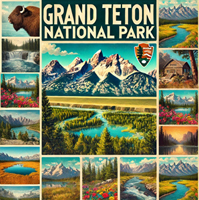
Mountain Majesty: Grand Teton National Park
Discover the stunning peaks of Grand Teton National Park. Our guide offers tips for hiking, wildlife viewing, and capturing breathtaking photos.
Read More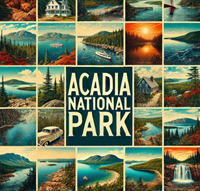
Discover the Wonders of Acadia National Park
Explore the stunning landscapes of Acadia National Park with our comprehensive guide, featuring must-see sights, expert photography tips, and more.
Read More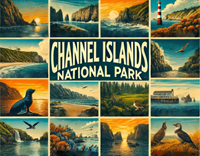
Island Adventures: Channel Islands National Park
Embark on an adventure to Channel Islands National Park with our detailed guide. Discover the best activities, sights, and photography tips.
Read More
Cave Wonders: Wind Cave National Park
Explore the intricate cave systems and diverse wildlife of Wind Cave National Park. Our guide provides tips for cave tours and photography.
Read MoreFeatured In-Depth USA Itineraries for Tuesday
October 13, 2026
A 3-Day Journey Through Time and Stone: Exploring Arches and Canyonlands
It was the late summer of 2005 when Hui Cha and I first ventured into the vast landscapes of Arches and Canyonlands National Parks. We had heard tales of these parks from fellow travelers - stories of surreal stone formations, breathtaking canyons, and the profound silence of the desert. Yet nothing could have prepared us for the reality of standing amidst these ancient giants.
Read More
Mount Rainier, Gifford Pinchot and Beyond: A 3-Day Adventure
The Pacific Northwest is a land of towering mountains, ancient forests, and crystal-clear rivers - a place where the wild beauty of nature is on full display. For us, William and Hui Cha, exploring Mount Rainier National Park and Gifford Pinchot National Forest was a journey into the heart of this rugged and awe-inspiring landscape. These two iconic destinations, each with its own unique character and charm, offered us a chance to immerse ourselves in the pristine wilderness and capture the breathtaking beauty of Washington State.
Read More
Texas and New Mexico's Hidden Treasures: Guadalupe Mountains National Park and Carlsbad Caverns
Our adventure began with an early morning drive through the rugged terrain of West Texas, where the peaks of the Guadalupe Mountains loomed in the distance like sentinels guarding a forgotten world. This area is home to some of the highest peaks in Texas, including the iconic El Capitan and Guadalupe Peak, which rises to 8,751 feet above sea level. The park is a haven for hikers, with trails that wind through canyons, ascend steep ridges, and traverse the remnants of an ancient seabed.
Read More
A 2-Day Journey Immersed in the Wilderness of South Florida: Exploring Everglades and Biscayne National Parks
The Everglades, often referred to as the River of Grass, is a vast network of slow-moving water that covers much of southern Florida. This unique ecosystem, designated a UNESCO World Heritage Site, is home to an incredible array of wildlife, including alligators, manatees, and hundreds of bird species. Established as a national park in 1947, the Everglades is the largest subtropical wilderness in the United States, offering visitors a glimpse into a world where water, sky, and land merge into one.
Read MoreEach article in our collection provides an in-depth exploration of the unique beauty and distinctive challenges found in America's national parks. Readers will benefit from insightful commentary and practical tips from seasoned explorers, William and Hui Cha Stanek. Join them on this captivating journey to uncover and appreciate the wonders of these natural sanctuaries, and be inspired to embark on your own adventures while fostering a commitment to conservation.
Featured Articles for Tuesday
October 13, 2026
The Liberating Art of Handheld Photography: Why William Robert Stanek Has Never Used a Tripod
In the realm of professional photography, the tripod is often regarded as an essential tool for achieving stability, precision, and clarity in images. However, acclaimed photographer and artist William Robert Stanek has taken a different approach throughout his distinguished career.
Read More
Nature's Beauty: Capturing Waterfalls with William Robert Stanek
Join William on his quest to capture the raw beauty of waterfalls. Discover his techniques for photographing these natural wonders and the passion that drives him to find the perfect shot.
Read More
Surviving the Extremes: William Stanek's Death Valley Photography
Death Valley National Park, known for its extreme landscapes and harsh conditions, presents a unique challenge for photographers. William Stanek's extensive work in Death Valley showcases his ability to capture the park's stunning beauty while navigating its demanding environment.
Read More
Capturing the Unique Beauty of Joshua Tree: William Stanek's Vision
Joshua Tree National Park is a place of stark, rugged beauty, where the harsh desert landscape meets the sky in a symphony of light and shadow. For William Stanek, a celebrated photographer and artist, Joshua Tree is more than just a picturesque location--it is a source of inspiration and a canvas for his creative vision.
Read More