The Caribbean is a tapestry of sun-drenched islands, rich histories, and vibrant cultures. William and Hui Cha Stanek have immersed themselves in its breathtaking landscapes, from turquoise waters to lush jungles, capturing the essence of each island through personal experiences and hand-crafted artwork. These guides invite you to explore the heart and soul of the Caribbean, embracing its beauty, heritage, and rhythm in your own way.
National Parks Index | US Itineraries Index | American Roadtrips Index

(October 14, 2026) At a Glance - Travel Planning Guide for Navassa Island
Planning Your Navassa Island Adventure
Our detailed Navassa Island travel and weather guides offer comprehensive information on the best times to visit, weather expectations, and valuable tips for various regions across the states. Whether you're exploring vibrant cities, stunning national parks, or charming small towns, these insights will help you plan your trips for unforgettable experiences. Here's a snapshot of what you can expect:
Optimal Visiting Times: Discover the ideal seasons to visit each location, ensuring you experience the most pleasant weather and avoid peak tourist crowds.
Weather Expectations: Get a clear understanding of seasonal temperatures, rainfall patterns, and climate nuances to help you pack appropriately and plan activities.
Additional Tips: Benefit from insider advice on local attractions, must-see landmarks, and practical travel tips to enhance your journey.
Navassa Island: The Isolated Wildlife Refuge – A Remote Caribbean Atoll of Ecological and Historical Significance
Important Notice:
Navassa Island is a U.S. unincorporated territory, managed as a National Wildlife Refuge by the U.S. Fish and Wildlife Service. It is uninhabited and off-limits to the general public. Special permits are required for scientific research, conservation efforts, or government-related visits.
Geographical Overview
- Location: 35 miles (56 km) west of Haiti in the Caribbean Sea.
- Size: Approximately 5.4 km² (2.1 square miles).
- Terrain: A rugged limestone plateau with steep cliffs, no natural freshwater sources, and extensive coral reefs.
Historical Significance
Navassa Island has a complex history involving territorial claims, phosphate mining, and military significance.
- Guano Mining (19th Century): The U.S. claimed the island under the **Guano Islands Act of 1856**, leading to commercial mining operations.
- Navassa Riot (1889): A labor dispute among phosphate miners resulted in a historic U.S. Supreme Court case on territorial jurisdiction.
- Navassa Lighthouse (1917): Built by the U.S. to aid shipping routes but later abandoned.
- Cold War Era: The island was used as a strategic military location but has since been left unoccupied.
Ecological Importance
Navassa Island is an untouched ecosystem with unique biodiversity and marine life.
- Navassa National Wildlife Refuge: Designated in 1999 to protect the island’s terrestrial and marine environments.
- Wildlife: Home to rare seabirds, endemic lizards, hermit crabs, and a diverse coral reef ecosystem.
- Flora: Dry coastal shrubs, cactus, and native grasses adapted to the arid environment.
Restricted Access & Travel Information
- Entry Requirements: Only scientific researchers, conservationists, and authorized personnel can visit with a U.S. government permit.
- Access Points: No ports, harbors, or landing strips exist. Visitors must arrive via chartered boat or helicopter, requiring calm seas for safe landing.
- Health & Safety: No freshwater, medical facilities, or shelter—visitors must bring all survival supplies.
Scientific & Conservation Research
- U.S. Fish & Wildlife Service (FWS): Conducts ecological monitoring and species conservation.
- NOAA Marine Research: Studies coral reefs, fish populations, and marine health.
- Smithsonian Institution & Other Universities: Conduct field research on endemic species and invasive threats.
Future Prospects
Navassa Island remains an untouched ecological haven. Discussions on its status continue, including potential cooperative management with Haiti, which also claims the island.
Conclusion
Navassa Island is a **historically rich yet isolated and protected** Caribbean territory. While it is not open for tourism, it remains a vital ecological and research area, offering **scientists and conservationists a rare glimpse into an undisturbed marine and terrestrial environment**.
Your Support Matters
Purchasing artwork from William Stanek's collection not only brings beauty into your life but also helps us continue to share. Thank you for supporting our creative journey!
Trending Today: Top National Park Guides
October 14, 2026
Underwater Treasures: Biscayne National Park
Read More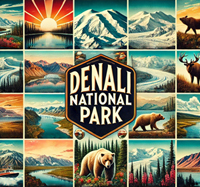
Wild and Remote: Denali National Park and Preserve
Read More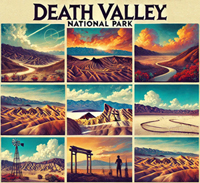
Surviving the Extremes: Death Valley National Park
Read More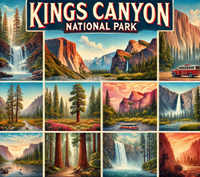
Towering Giants: Kings Canyon National Park
Read MoreDiscover Reader Favorites: Must-See USA Itineraries for Wednesday
October 14, 2026

Exploring Shenandoah and Harpers Ferry: A 3-day Dual Adventure
Read More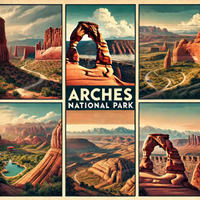
A 2-Day Journey Through Utah's Red Rock Wilderness: Arches National Park and Dead Horse Point State Park
Read More
2 Days Exploring Grand Canyon North Rim and Grand Canyon West: A Different Perspective on the Grand Canyon
Read More
Exploring Yellowstone and Grand Teton: A 3-Day Dual Adventure
Read MoreDiscover Your Next Great Escape: 1-5 Day Itineraries for All 63 US National Parks
Top Picks for Your Next Adventure: Road Trips of the Day
October 14, 2026